Theory about mysterious grassy mound in Norway turns out to be true, officials say
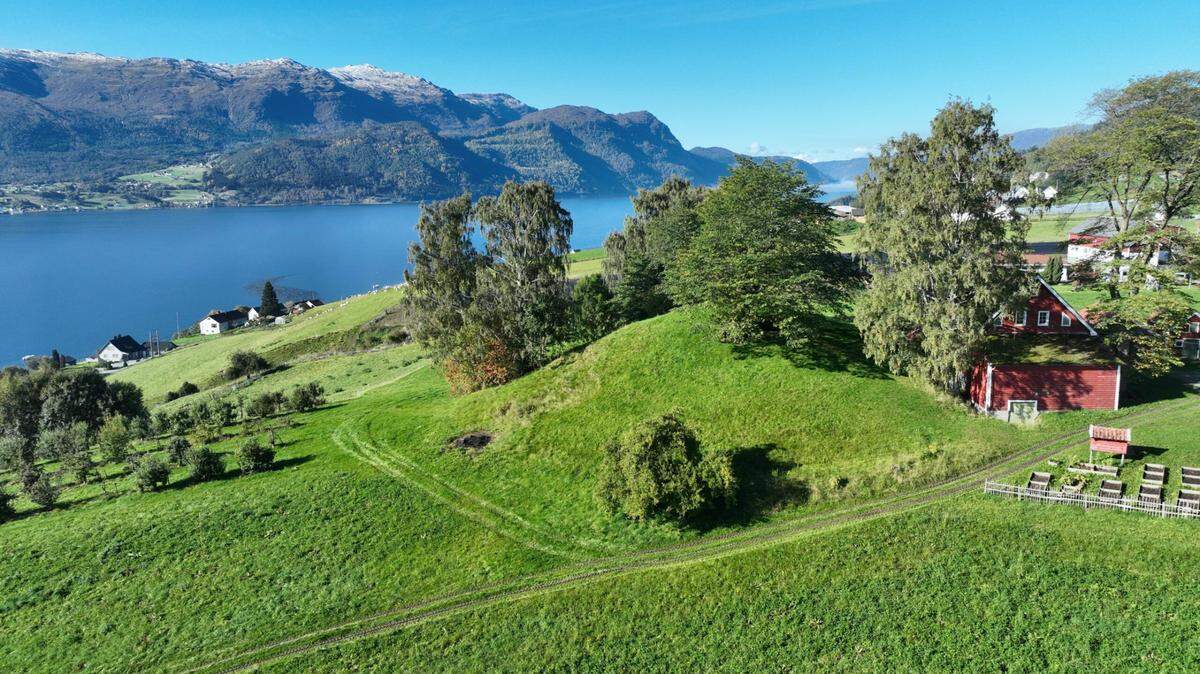
On a picturesque coast of western Norway sits a large grassy mound surrounded by trees and farmhouses. Something about the hill caught the attention of archaeologists, prompting a theory that it was actually an ancient structure.
But no one knew for sure — until now.
For years, archaeologists suspected the unusual mound in Gloppen might be an ancient burial mound. The mound eventually earned a name, Karnilshaugen, and designation as a cultural heritage site, yet it remained completely unexplored.
To settle the matter, a team of archaeologists decided to investigate the odd hill, Norway’s National Agency for Cultural Heritage said in a Dec. 20 news release.
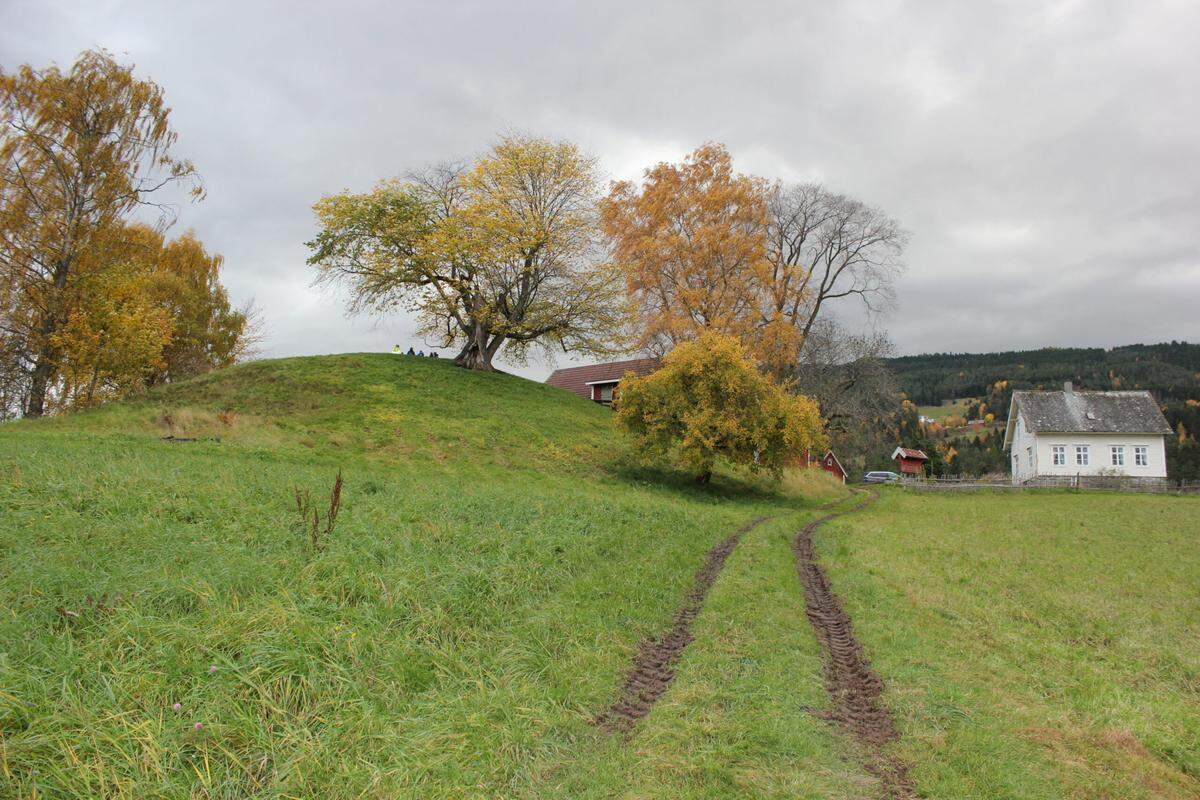
Archaeologists from the University of Bergen and University of Stavanger surveyed the hill with ground penetrating radar. Looking at the scans, researchers saw clear traces of man-made layers, not natural soil deposits.
The mysterious hill is actually the region’s largest burial mound, likely built in the Iron Age, officials said. Today, the mound measures about 23 feet tall by 160 feet wide but was probably much larger centuries ago.
Christian Løchsen Rødsrud, an archaeologist with the agency, described Karnilshaugen as deeply fascinating and the only ancient burial mound linked to a solar phenomenon.
On the summer and winter solstice, the sunlight shines through a mountain crevice and lands perfectly on Karnilshaugen, Rødsrud said. The arrangement suggests the mound might have served as a gathering place.
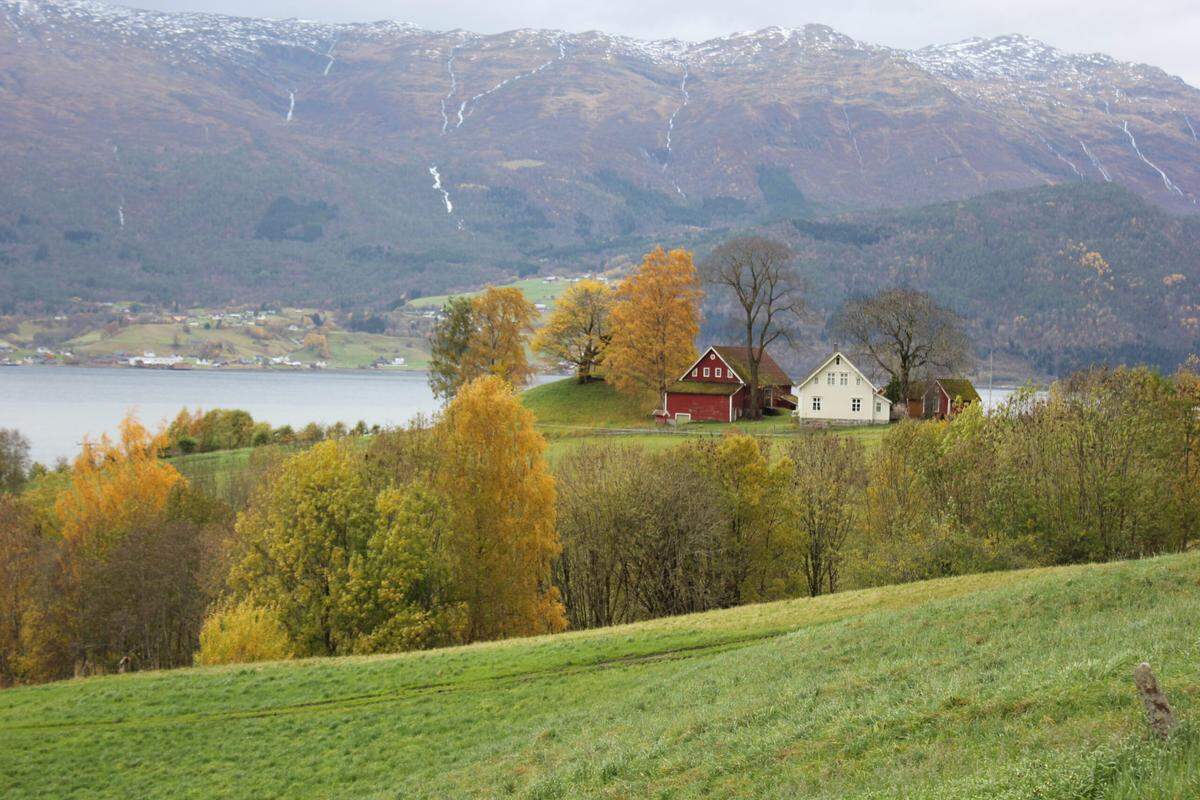
Archaeologists solved one mystery but another lingers: What’s inside this massive structure? Could it hold a Viking ship like other nearby burial mounds?
No one knows because the mound hasn’t been excavated and there are no plans to do so, officials said.
Gloppen Municipality is in southwestern Norway, a roughly 260-mile drive northwest of Oslo.
Google Translate was used to translate the news release from Norway’s National Agency for Cultural Heritage.
This story was originally published December 24, 2024 at 12:08 PM with the headline "Theory about mysterious grassy mound in Norway turns out to be true, officials say."