Mining company surveys creek — then rediscovers ‘delicate’ species in Papua New Guinea
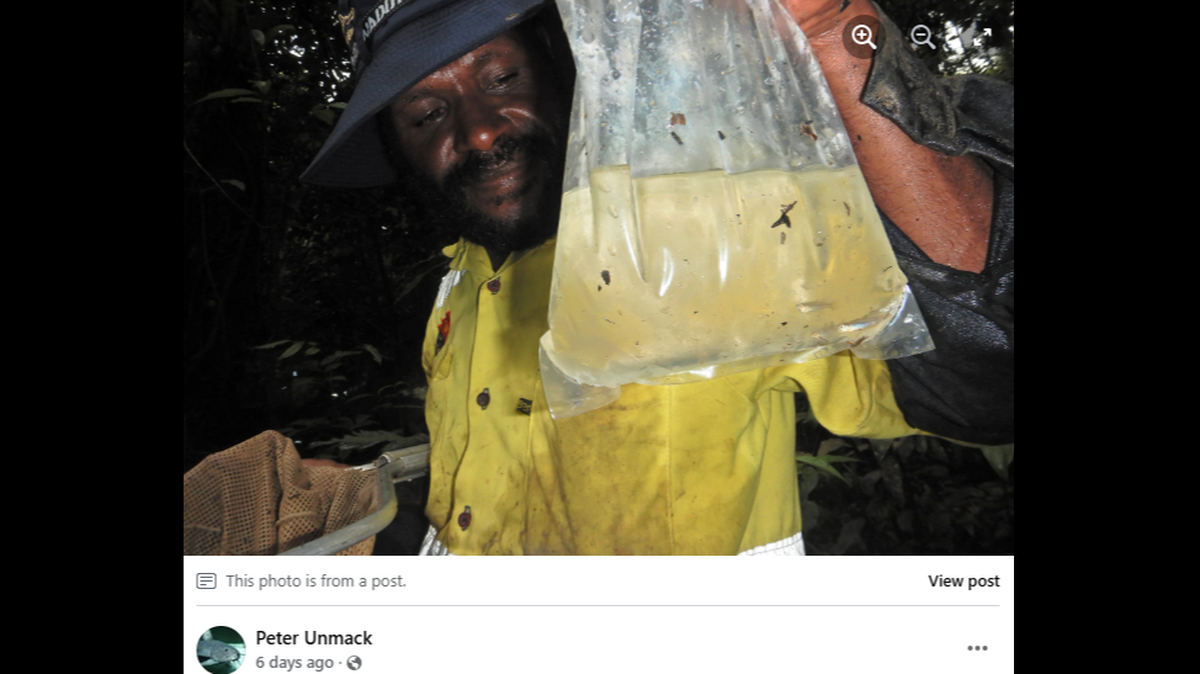
Along the small creeks and tributaries of the Fly River in western Papua New Guinea, a mining company dipped their nets into the water to survey fish species.
Every five years, the environmental department of Ok Tedi Mining Limited monitors the river to mitigate and improve the river’s health in the face of mining activity, the company said in a Dec. 5 news release.
The team recorded 102 different species of fish this year near the Kiunga port, according to a record for the company.
One of these fish was tiny, just 1 inch long, and it shocked the researchers when it was identified.
The fish hadn’t been seen for 40 years — until now.
Photos of the fish were posted on the Australia New Guinea Fishes Association Facebook page on Dec. 4.
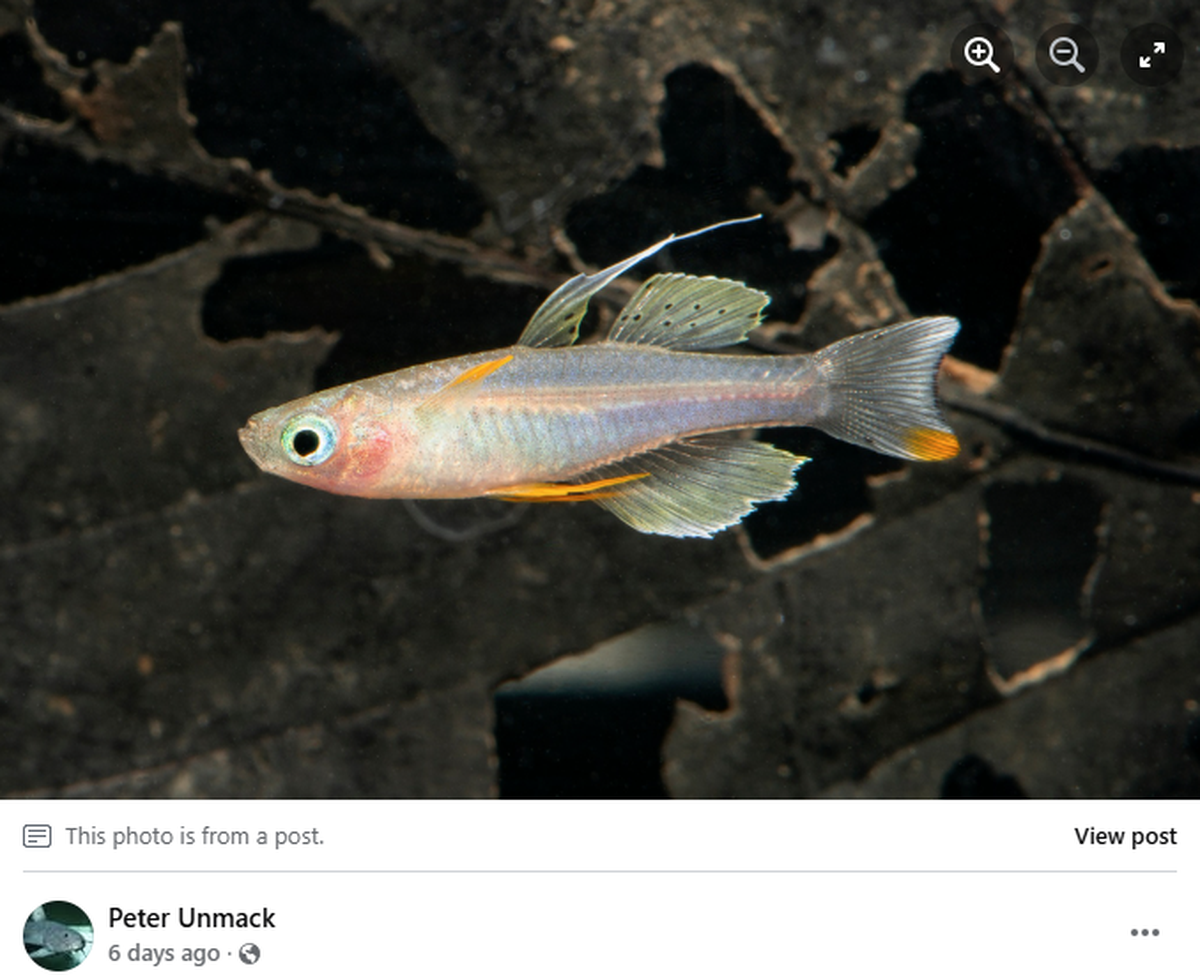
The Paska’s Blue-eye (Pseudomugil paskai) was first discovered and described in 1983 by Gerry Allen from the Western Australian Museum, the company said. It was named after John Paska, a fisheries technician with the National Fisheries Authority in 1983 before going on to become the president of the Papua New Guinea Trade Union Congress. Paska, who also assisted with its first discovery, died after a short illness in August.
The fish is described as “small,” “delicate,” and “colorful,” and “despite numerous surveys over the years, Paska’s Blue-eye was never seen again in the last 40 years,” the company said.
Paska’s Blue-eye was known to live in shallow streams and the swampy areas of rainforests around Kiunga, but as the town has expanded, wildlife officials became worried about the species.
“Given its rarity, its absence was a concern. It was believed that disturbance from the expanding township of Kiunga, as well as predatory action from introduced fish species such as snakehead had resulted in its disappearance from the creeks where it was first discovered. But given the large size of the Fly (River watershed), there was hope that it was still surviving somewhere in the river system,” Erizo Kepe, the company’s environmental manager, said in the release.
The fish was first rediscovered upstream from Kiunga in a small creek along the tributary Elevala River, but was later found in nearby creeks as well.
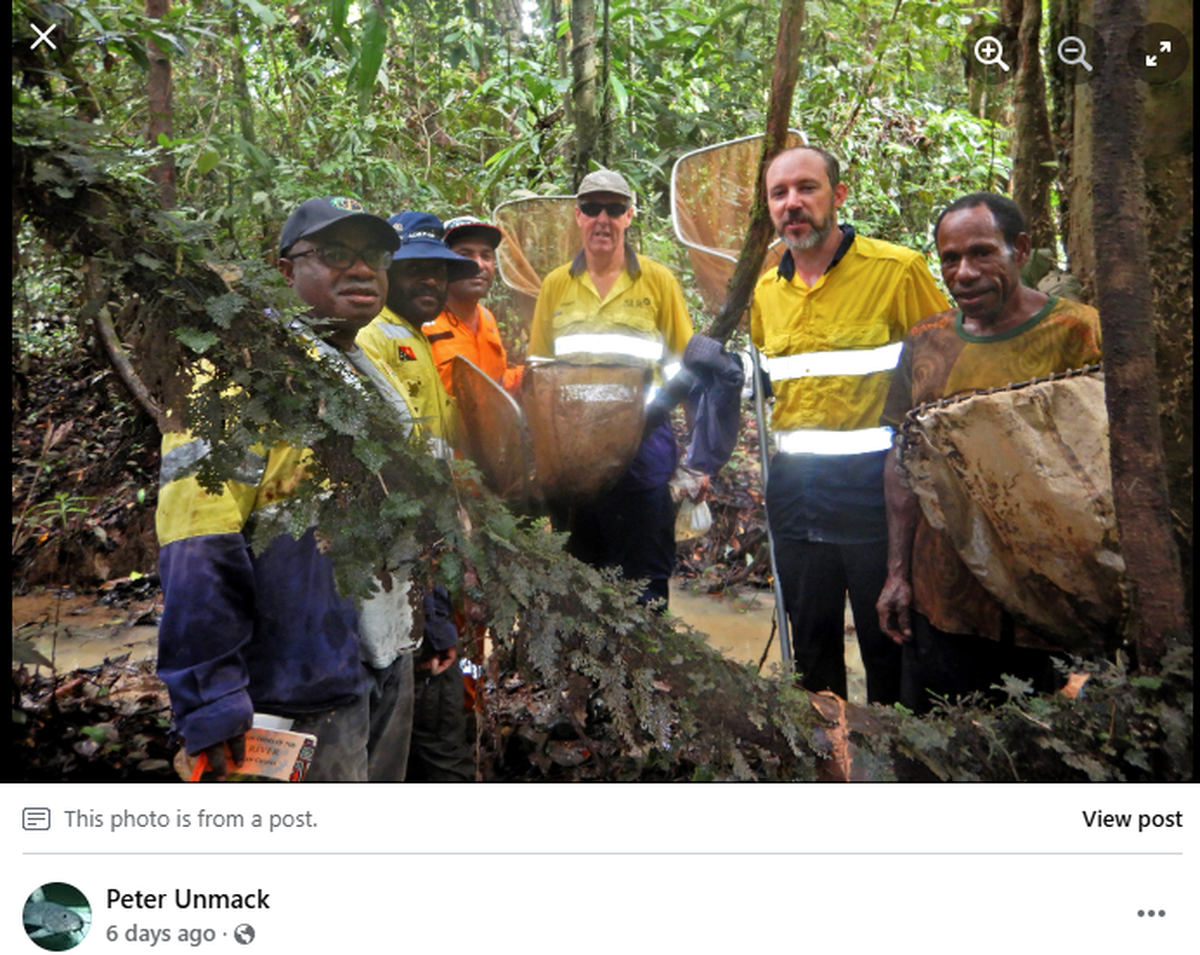
“The discovery is from a new area, away from settlements and ‘disturbances,’ with healthy breeding populations,” Kepe said in the release. “Maintaining the quality of this refuge habitat is critical for continued conservation of this and other native species that are non-existent in other parts of the world.”
Along with the Paska’s Blue-eye, the mining environmental team recorded other rare species, including the Fork-tail catfish, Eel-tailed catfish (also known as the greasy fish), multiple goby species, swamp eels and rainbowfish, the company said.
“Fish surveys up to 2018 have confirmed the existence of refuge areas, being tributaries to the Ok Tedi and Fly River sub-catchments where fish species are taking refuge to avoid impacts from the mine,” the company said. “Fish species in refuge are expected to recolonise the system when the mine closes.”
The Ok Tedi Mine is the “longest running open-pit copper, gold and silver mine in Papua New Guinea,” the company says.
The Fly River runs from west-central Papua New Guinea southeast to the southern coast of Papua New Guinea, north of Australia.
This story was originally published December 11, 2024 at 5:37 PM with the headline "Mining company surveys creek — then rediscovers ‘delicate’ species in Papua New Guinea."