How did ancient warriors prepare to fight Romans in Europe? Getting high, experts say
In the opening scenes of “Gladiator,” general Maximus Decimus Meridius, played by Russell Crowe, prepares the Roman troops to take on the clans of central Europe.
Arrows are pulled out of quivers, stones are loaded into trebuchets, and swords are slipped from their sheaths.
On the other side of the battle, the clans are depicted as unsophisticated, unprepared and far outnumbered. The battle is quickly won for the Romans, and Meridius solidifies his powerful standing in the eyes of Caesar.
In reality, the Romans would have had to put up a bit more of a fight as the empire expanded northward, and the Germanic people may have had a secret weapon to make their warriors more prepared: drugs.
Stimulants ranging from opium to psychedelic mushrooms exist across the archaeological record, according to a study published Nov. 26 in the peer-reviewed journal Praehistorische Zeitschrift, a German journal on prehistory and ancient history.
The tomb of a shamaness from the fifth century was accompanied by a “lump of opium,” and fungi species like liberty cap mushrooms grew across Europe, researchers said.
It seems likely that these may then have been available to the Germanic people, the researchers suggest, and small pieces of battle artifacts may have been the delivery method.
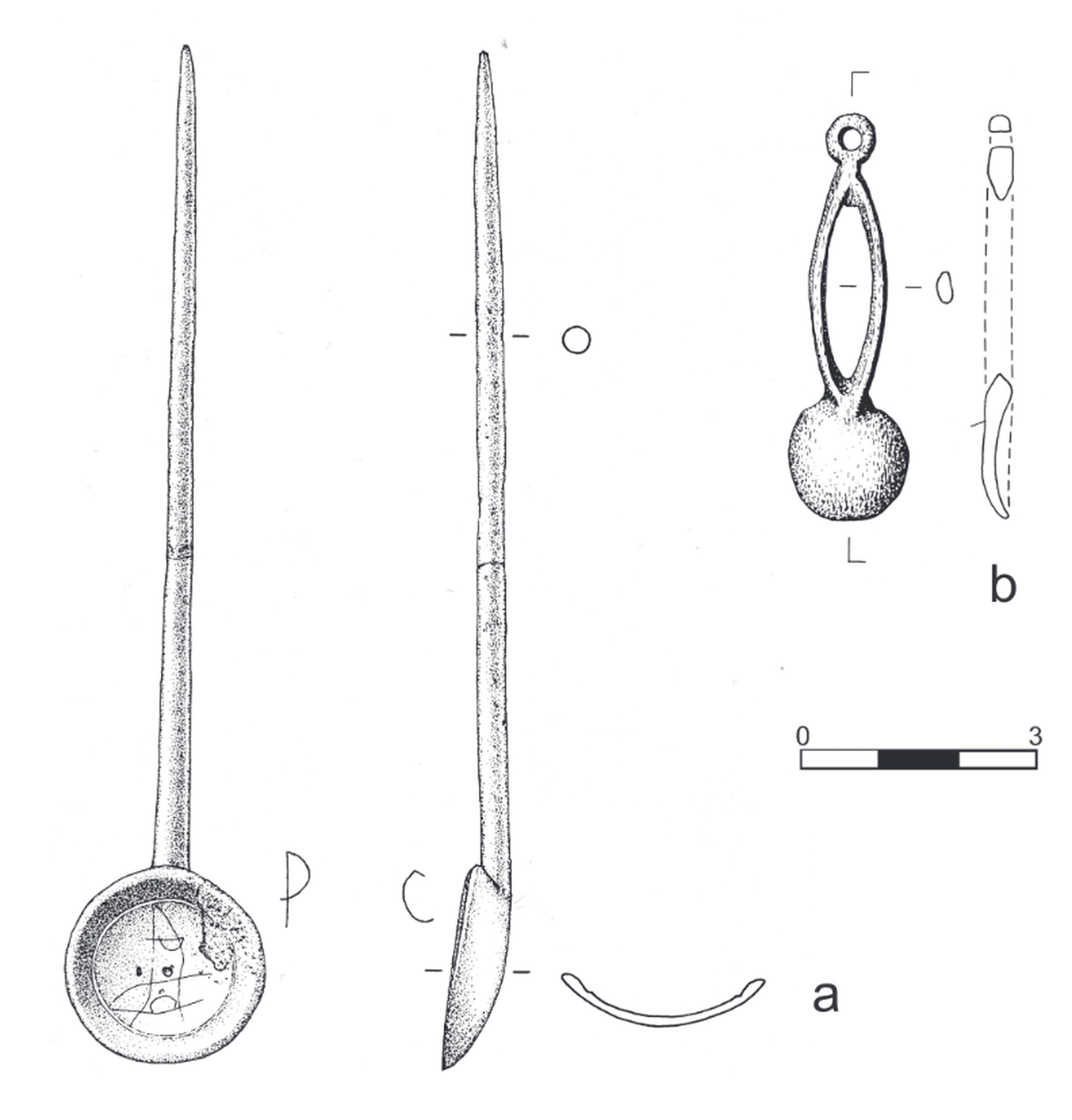
The researchers examined 241 small spoons, made of varying materials and found at battle sites in Europe, according to the study.
A silver spoon and a spoon made from antler were found at Roman battle sites in Denmark, researchers said, as well as a small rounded bowl found in the grave of a Germanic “king.”
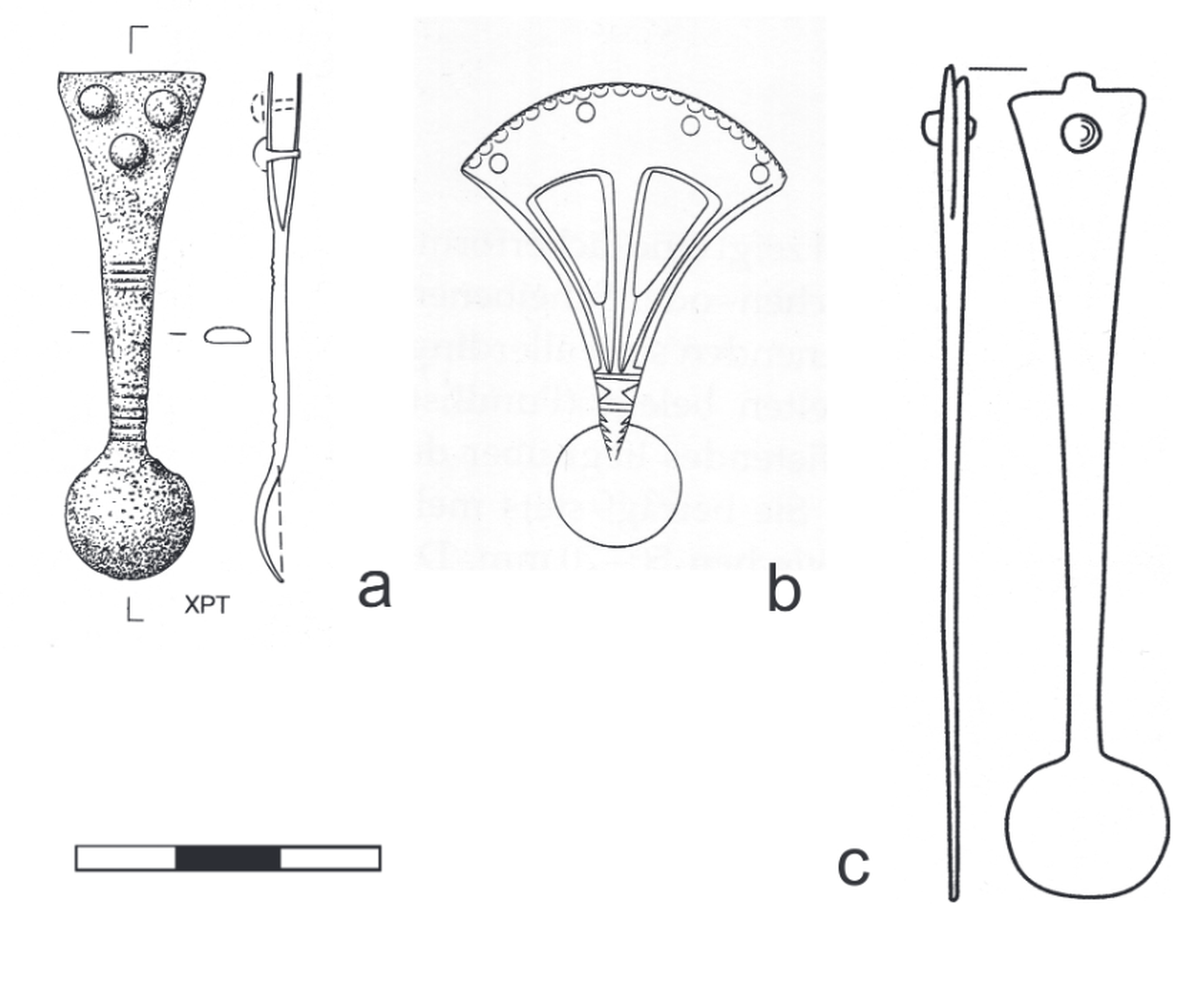
Similar spoons have been found with ancient belts from the same period, according to the study. The spoons were equipped with a hole to be attached to a belt or placed on the end as a belt fitting.
The spoons at the end of the belts would hang down significantly, allowing the wearer to bring the end of the belt up to their face, fill the spoon with material and either consume it or snort it, according to the study.
Of the 173 belt-associated spoons, 100 were “found in the contexts of war sacrificial sites, i.e. directly associated with warriors,” researchers said. “There were 62 such finds in male graves, usually accompanied by elements of weaponry. This allows the thesis to be put forward that this utensil was a common part of a warrior’s armor, and from here it is close to concluding that pharmacological stimulation of warriors in the face of stress and exertion was the order of the day.”
“The question that needs to be asked, then, is what stimulants were available to the Germanic communities of interest,” the researchers asked.
There were a few options.
Opium, from a species of poppy plant, was used by ancient Egyptians, then later those in the Arab empire before spreading to Europe and Asia. It grew in the Alpine region starting in the fifth millennium B.C., researchers said, meaning it was likely known by Germanic clans.
Hemp, either as hops or cannabis, was also grown starting during the reign of the Egyptians and was later used by the Romans to act as a blood purifier and treat things like liver disease, researchers said.
Nightshades, which come from the Solanaceae plant family, were known for their hallucinogenic properties and have been found in ancient vessels, according to the study.
The same applies for multiple species of fungi, used in cereals, flour and other food and to treat a plethora of illnesses and ailments, according to the study. Overall, researchers said the stimulant options were plentiful, so it seems likely at least one found its way into a warrior’s belt spoon as the Romans lined up ahead of them.
“Judging by our assessment of the degree of demand for stimulants in the Germanic armies of (central Europe), this must have been an important industry,” researchers said. “The market for these drugs was defined by the number of warriors involved in conflicts.”
The research team includes Anna Jarosz-Wilkołazka, Andrzej Kokowski and Anna Rysiak.
This story was originally published December 4, 2024 at 6:01 PM with the headline "How did ancient warriors prepare to fight Romans in Europe? Getting high, experts say."