Rare writing tool unearthed at 2,000-year-old fortress in Germany. See the finds
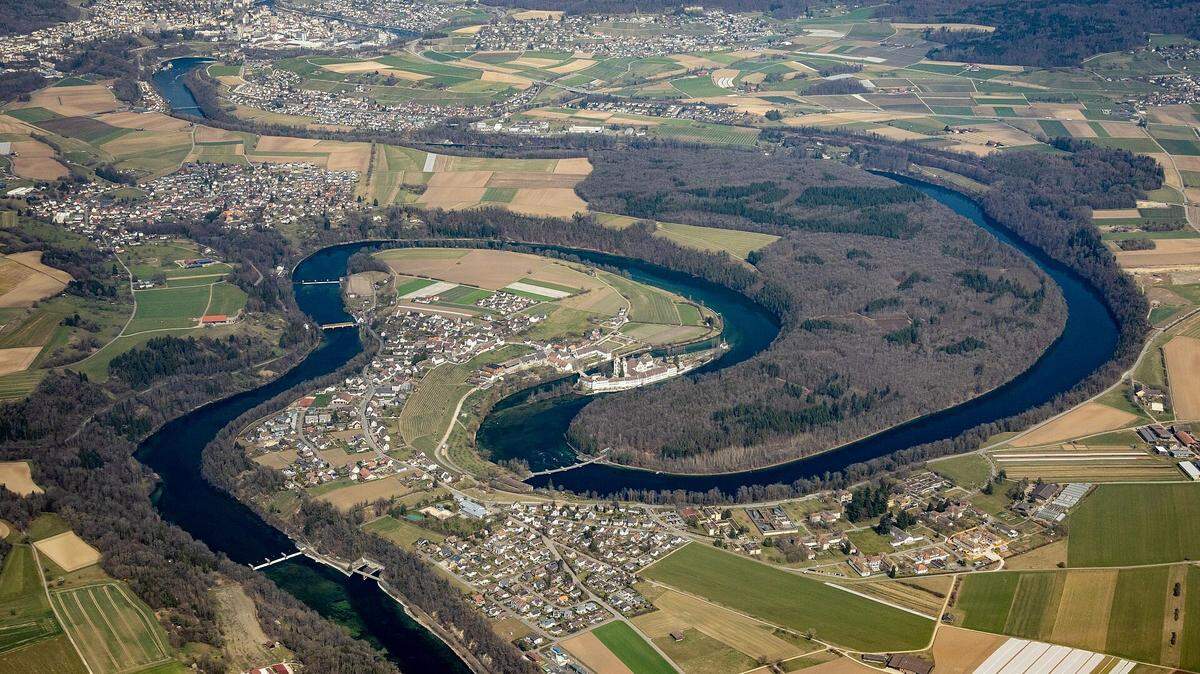
Near the bend of a river in southern Germany, a team of archaeologists and volunteers gathered to excavate a 2,000-year-old fortress. Their finds — ranging from storage pits to a rare writing tool — revealed a glimpse of ancient life.
The ancient Celtic settlement near Altenburg stretches across the looping Rhine River and thrived as a trade hub. Rediscovered in the 1970s, its yin-and-yang peninsulas are divided between Germany and Switzerland.
After a decades-long break, German archaeologists restarted excavations at the 2,000-year-old site in 2022 and have returned annually, the State Office for Monument Preservation at the Stuttgart Regional Council said in a Nov. 26 news release.
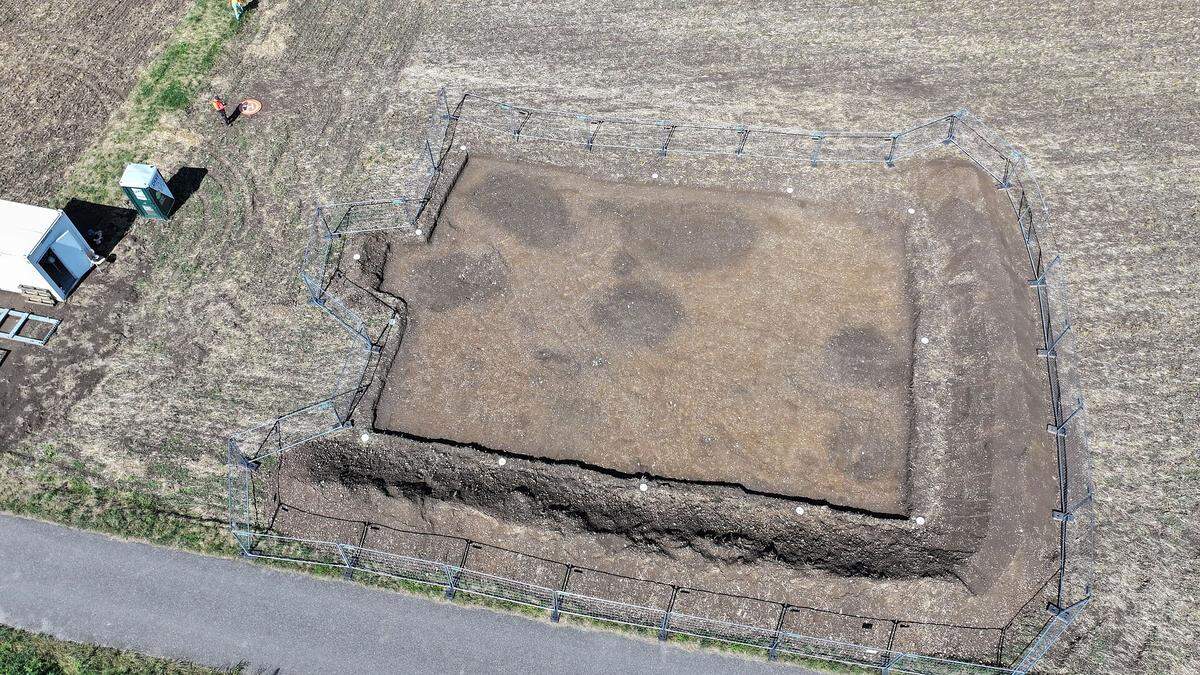
During this year’s dig, archaeologists and volunteers focused on a section of the settlement near the fortification wall.
The team uncovered several large storage pits reaching up to 8 feet in depth. The pits were lined with traces of organic material, suggesting they once held food, archaeologists said. A larger rectangular storage building was also uncovered, but no house ruins were found.
Ancient Celtic fortresses, often referred to as oppidum, were “built across Europe during the 2nd and 1st century B.C.,” according to an article from World History Encyclopedia. The sites sat at “naturally defensible points” and typically had fortification walls.
Celtic oppidum weren’t just residential but also served a variety of purposes: protecting valuable goods; collecting tributes or tolls from trade; functioning as a seat of “administration and justice”; distributing goods and/or hosting key metalworking, coin minting or other production activities, the encyclopedia said.
At the fortress near Altenburg, excavations revealed hints of the site’s ancient activity. Archaeologists found locally made and imported pottery, Celtic coins, personal items and cattle bones, among other artifacts.
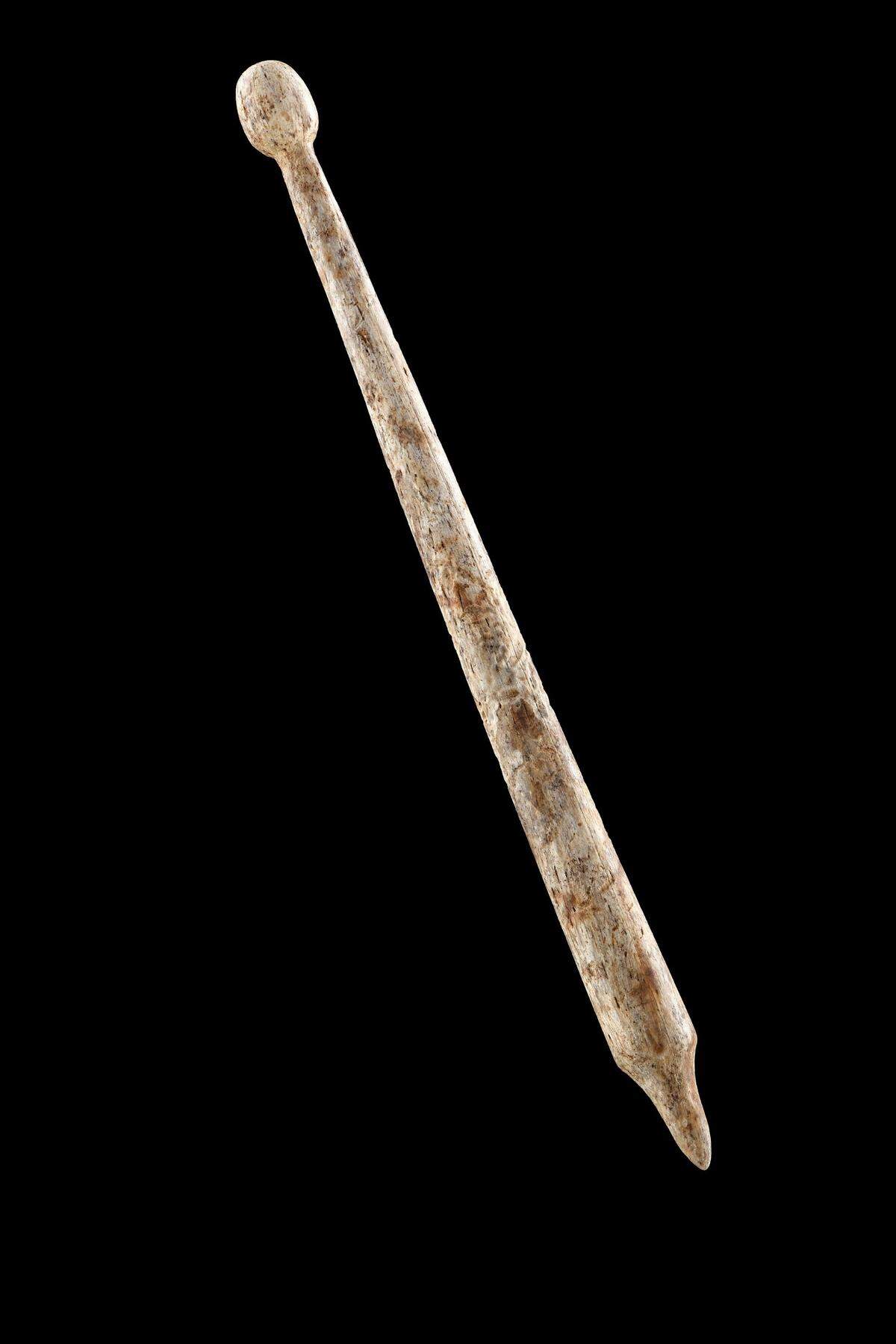
One rare artifact was a stylus made of bone and used for writing on wax tablets, archaeologists said. A photo shows the delicate writing tool found in 2023.
Knowledge of writing and the usage of coins likely enabled the fortress to thrive off trade at a time when other Celtic settlements were being abandoned, officials said.
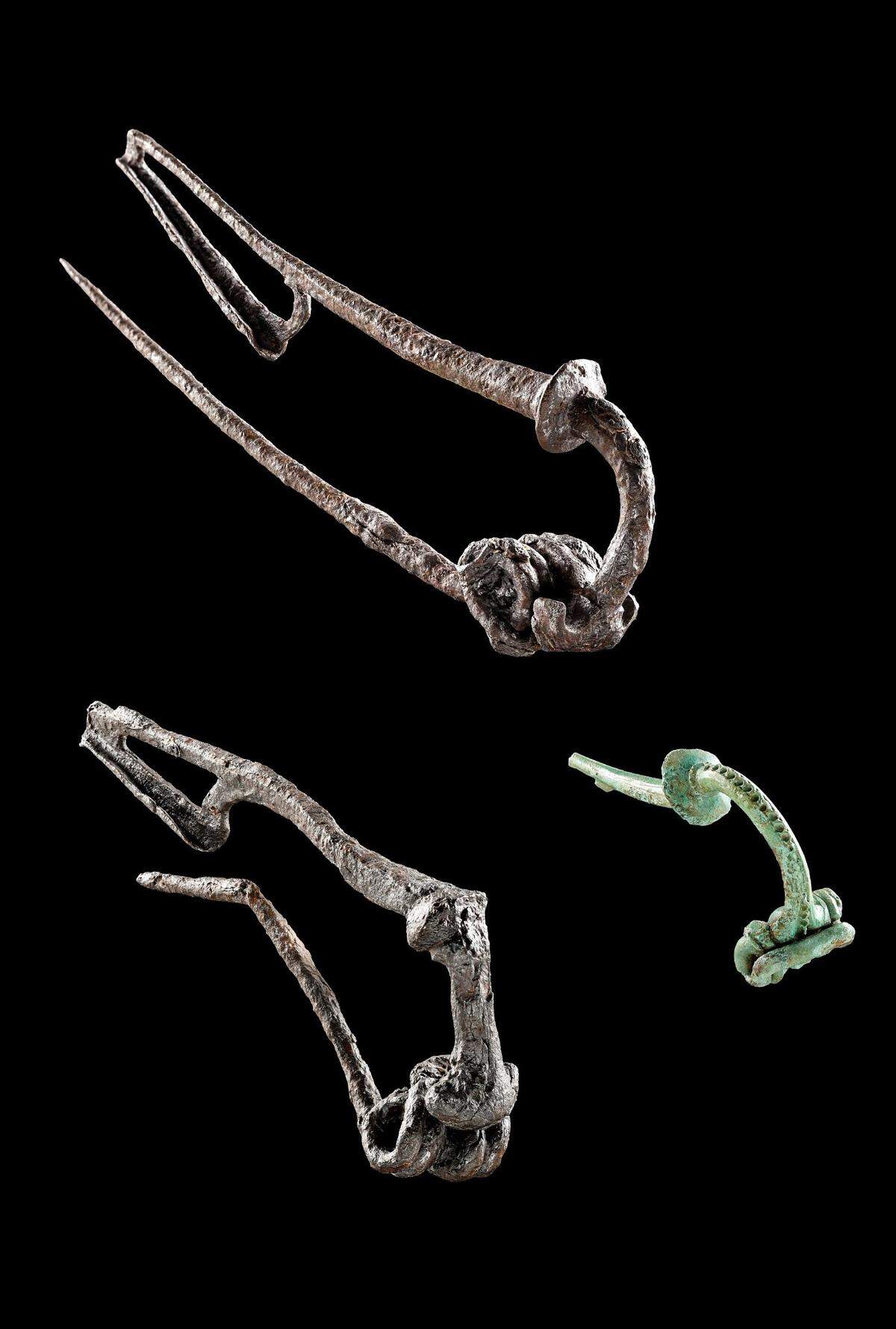
Another photo shows a few of the 2,000-year-old metal garment clasps found at the site.
Excavations at the site near Altenburg will continue next year.
Altenburg is a small town in southwestern Germany, a roughly 500-mile drive southwest from Berlin and along the border with Switzerland.
Google Translate was used to translate the news release from the State Office for Monument Preservation (LAD) at the Stuttgart Regional Council.
This story was originally published December 3, 2024 at 2:25 PM with the headline "Rare writing tool unearthed at 2,000-year-old fortress in Germany. See the finds."