Iron Age pottery — with ‘crude doodles’ — discovered at England settlement. See it
Centuries ago, on the hilltops of the modern-day United Kingdom, communities would trek to the highest points to build their homes.
Called hillforts, these ancient fortifications were in prominent locations that were easy to defend from invaders, and were prevalent in the Iron Age.
Now, archaeologists surveying near a hillfort on the outskirts of Devizes in Wiltshire have discovered evidence of another settlement — and potentially a child’s artwork.
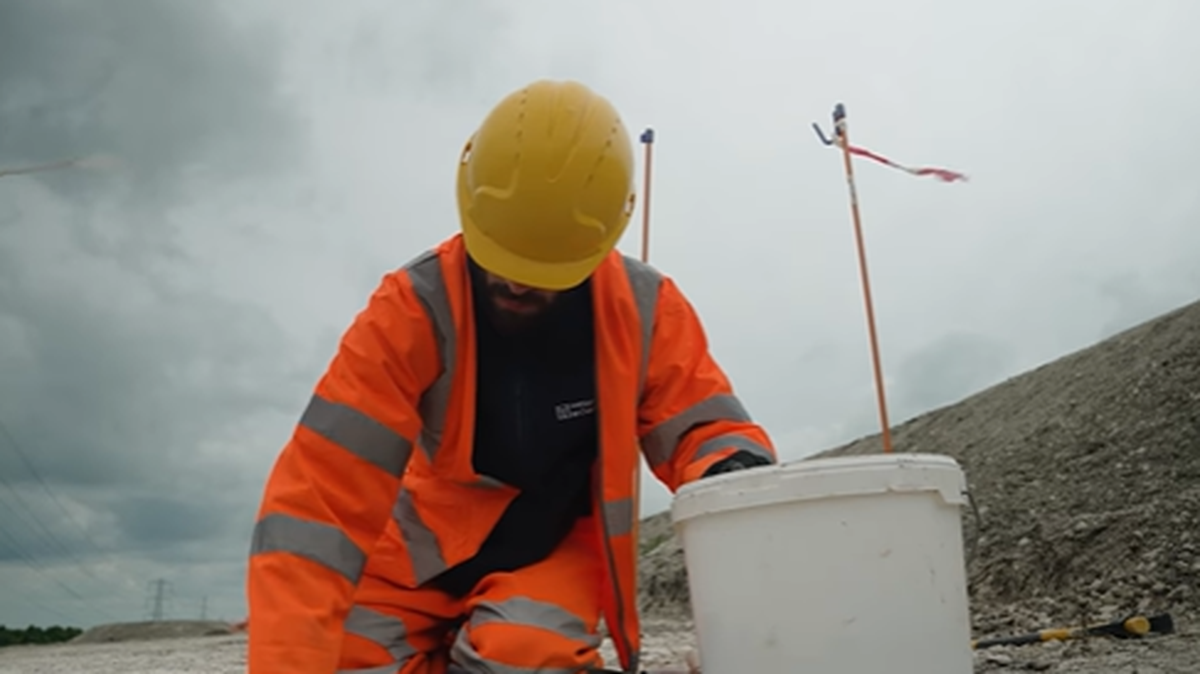
Wessex Archaeology, a charity organization that works with local municipalities and businesses to survey and excavate sites, was working in North Wessex Downs for power company National Grid when they discovered holes in the ground, archaeologist Matt Kendall said in an Oct. 3 Facebook video from Wessex Archaeology.
“The team is working on an Iron Age settlement which is mostly composed of post holes which form, in total, around about four separate roundhouses,” Kendall said.
Roundhouses were circular homes built with clay and straw during the Iron Ages, according to Avalon Archaeology.
The Iron Age in Britain spanned from about 750 B.C. until the Roman invasion in 43 A.D., according to the University of Warwick.
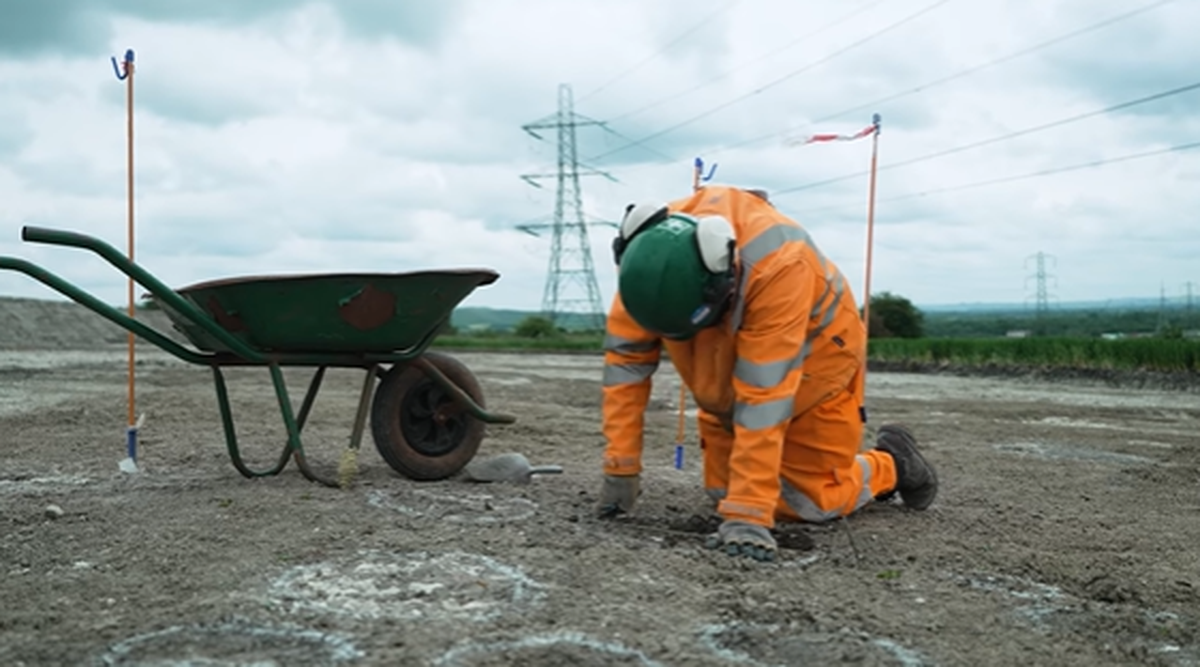
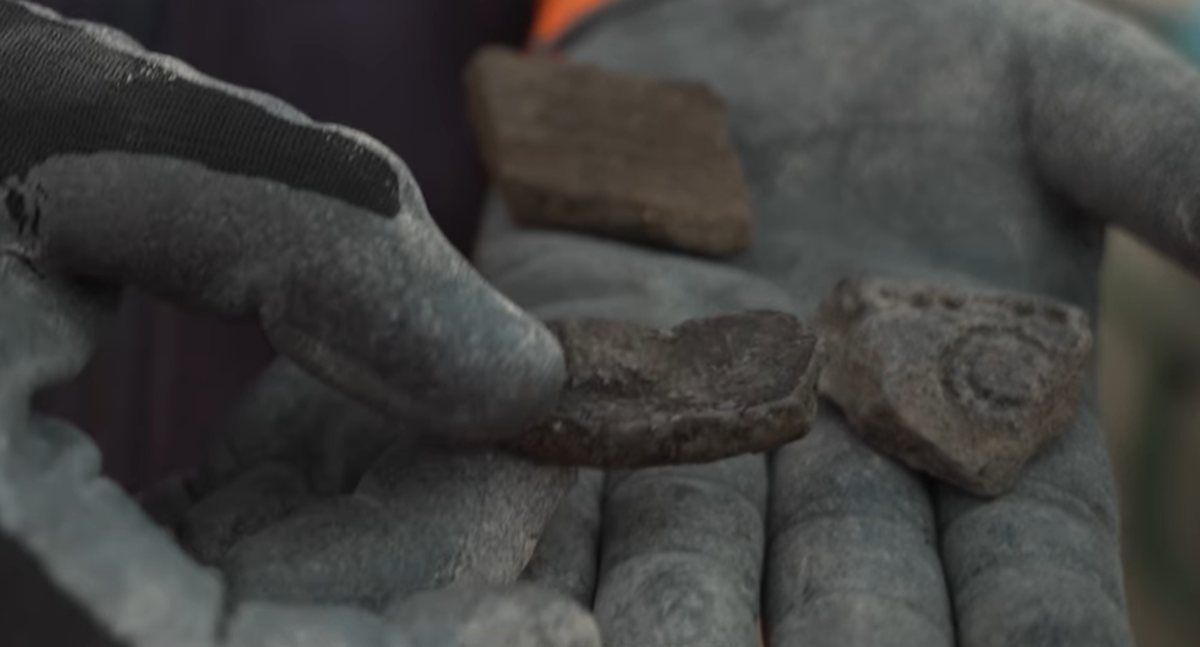
“As we’ve been doing the excavation, we’ve recovered a large quantity of pottery, some of which has been nicely decorated, with fingernail impressions and other linear motifs,” Kendall said.
The archaeology team said that one shard in particular “bears curiously crude doodles,” according to the post.
“Were these first attempts?” the team asked. “Or were these markings made by a child?”
At the site, archaeologists have uncovered more than 30 pounds of artifacts, not limited to pottery.
“We’ve also recovered animal bone. One piece at least has been worked into a tool, which is a potential weaving comb or something similar, which we reckon could be associated with wool production,” Kendall said.
They also found “iron slag,” suggesting there was some kind of metalworking occurring at the site, Kendall said.
“We suspect it may be connected to the nearby Roundway Hillfort, once an impressive and imposing Iron Age settlement,” Wessex Archaeology said, which is just west of the site.
Wiltshire is in southwest England, about 100 miles west from London.
This story was originally published October 7, 2024 at 1:18 PM with the headline "Iron Age pottery — with ‘crude doodles’ — discovered at England settlement. See it."