Rock art found in South Africa depicts ‘horned serpent.’ It may be an extinct species
Throughout modern history, humans have discovered countless fossilized bones.
Paleontologists try to recreate the millions-of-years-old bodies and take educated guesses as to what shape the animals once took.
Even with knowledge of animal physiology and evolution, debates about whether a creature had feathers or hair, smooth or rough skin, or dull or bright colors continue.
One culture may have had the same process, only centuries earlier and without modern technology.
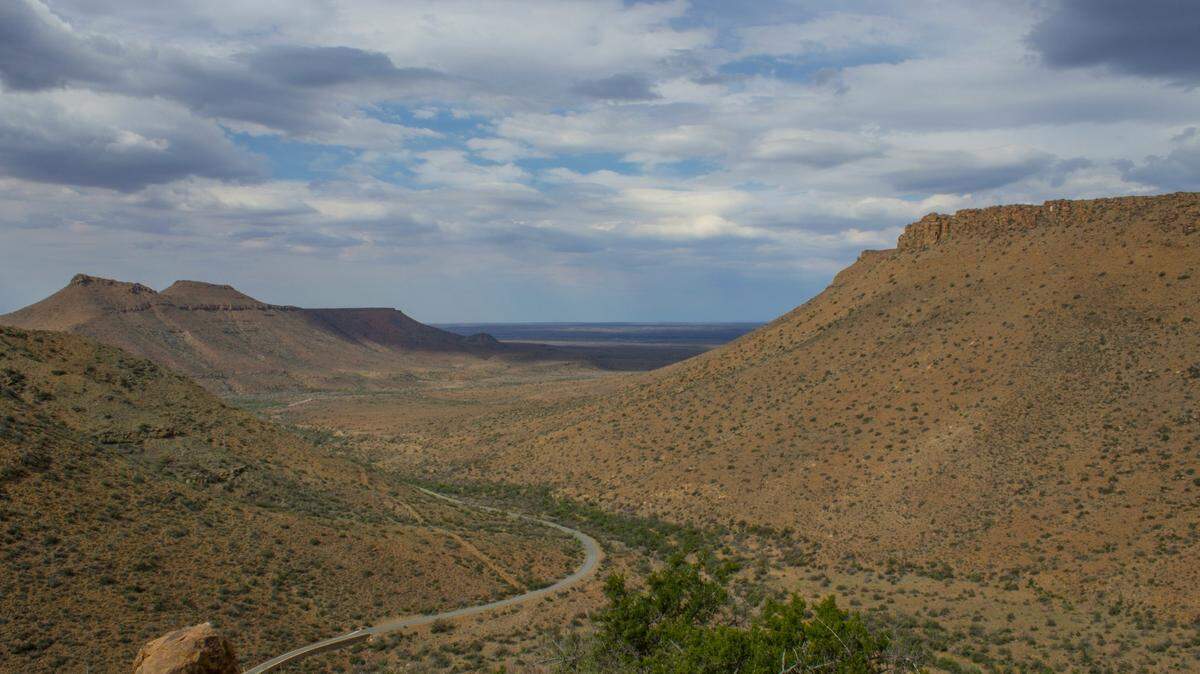
The ancient San culture lived in the South African Karoo, an arid region with ancient rock formations, according to a study published Sept. 18 in the peer-reviewed journal PLOS One.
The people were known for leaving rock art in the caves and stony overhangs where they sought refuge, including at a sandstone overhang west of the Koesberg Mountains, according to the study.
There, researchers discovered the image of an animal they didn’t initially recognize.
“The Horned Serpent panel, in the Koesberg mountains, gorgeously depicts elements of the San culture,” study author Julien Benoit, of the University of the Witwatersrand, wrote. “ … One of these elements is an unidentified animal that bears two enlarged tusks, making it superficially look like a walrus. This walrus-like figure has been the object of much speculation regarding its identity, because no representative of the (walrus family) lives or has ever lived nearby sub-saharan African coasts.”
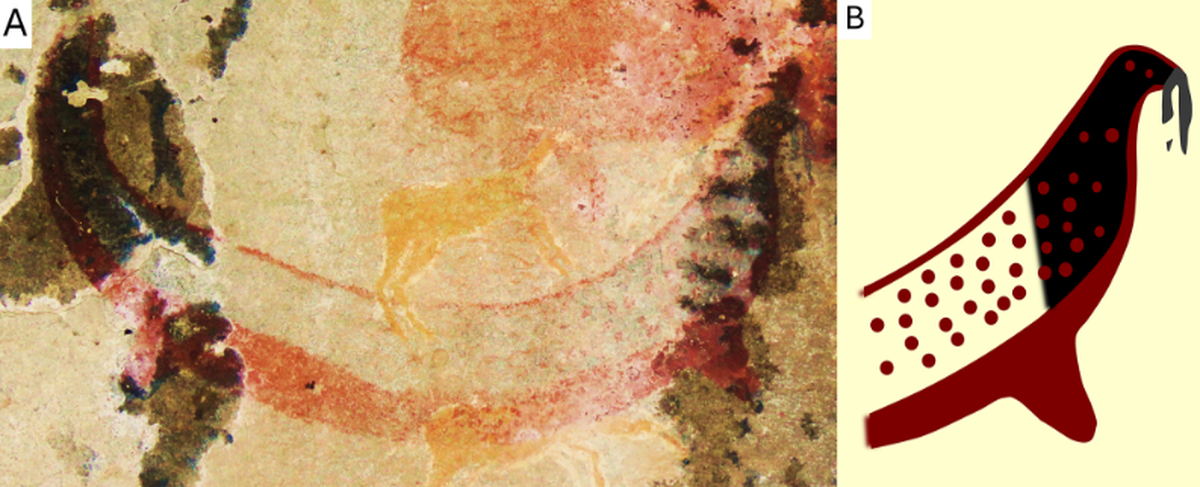
Other tusked animal drawings have been found, including tusked lions, snakes, antelopes and people, Benoit said, but all of the tusks were depicted pointing up like warthogs.
The art was dated to between 1821 and 1835, a decade before an interesting fossil was discovered nearby, according to the study.
In 1845, fossilized remains of an animal became exposed through natural erosion “making them easy to find and collect,” Benoit said.
The skulls were large and had two tusks, according to the study. The bones belonged to “well-preserved” dicynodonts, or tusked therapsids, which were pre-mammal animals that lived from the Permian period to Triassic period, from 298.9 million to 201.4 million years ago.
So how did a culture paint an animal that hadn’t been discovered yet? The San people found the fossils first.
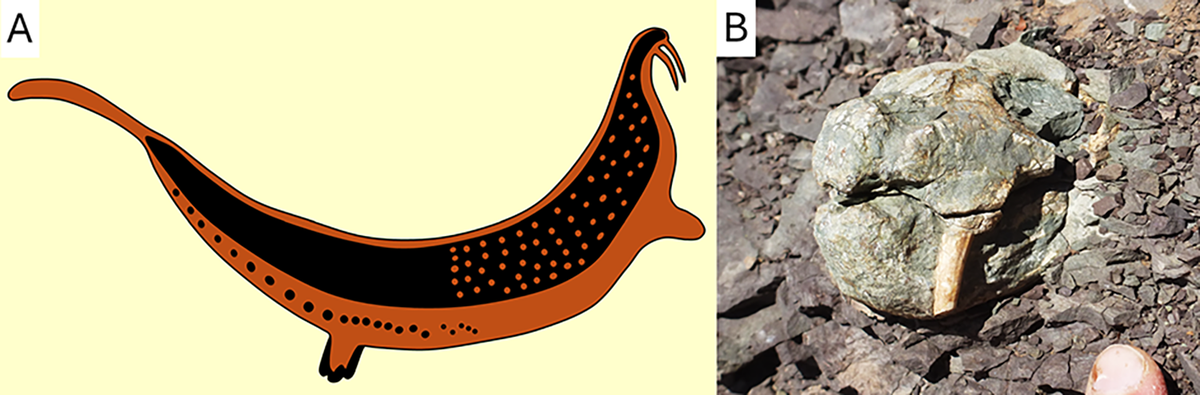
“Archaeological evidence directly supports that the San did find and transport fossils over long distances, and could interpret them in surprisingly accurate ways,” Benoit wrote. “If the San could identify the fossilized skulls of dicynodonts as belonging to once alive animals, it is possible their tusked faces could have contributed to their rock art.”
Part of the San culture also integrated what was called “rain-animals” that came from the spirit realm, according to the study. The rain-animals were spiritual and were not depicted as realistic animals.
Yet, “even the most fantastic elements of San art … are based on actual animals and phenomena,” Benoit said.
“The San spiritual pantheon is directly inspired from their real-life environment and the fantastic beings they painted are thus always an amalgamation of different existing animals,” according to the study.
Benoit said even if the art was meant to depict a rain-animal, it is not unlikely that it was derived from fossilized dicynodonts, creating the horned serpent seen on the stones today.
The Karoo is in southwestern South Africa.
This story was originally published September 25, 2024 at 12:16 PM with the headline "Rock art found in South Africa depicts ‘horned serpent.’ It may be an extinct species."