More burials discovered at medieval monastery in UK. Many were sick or injured
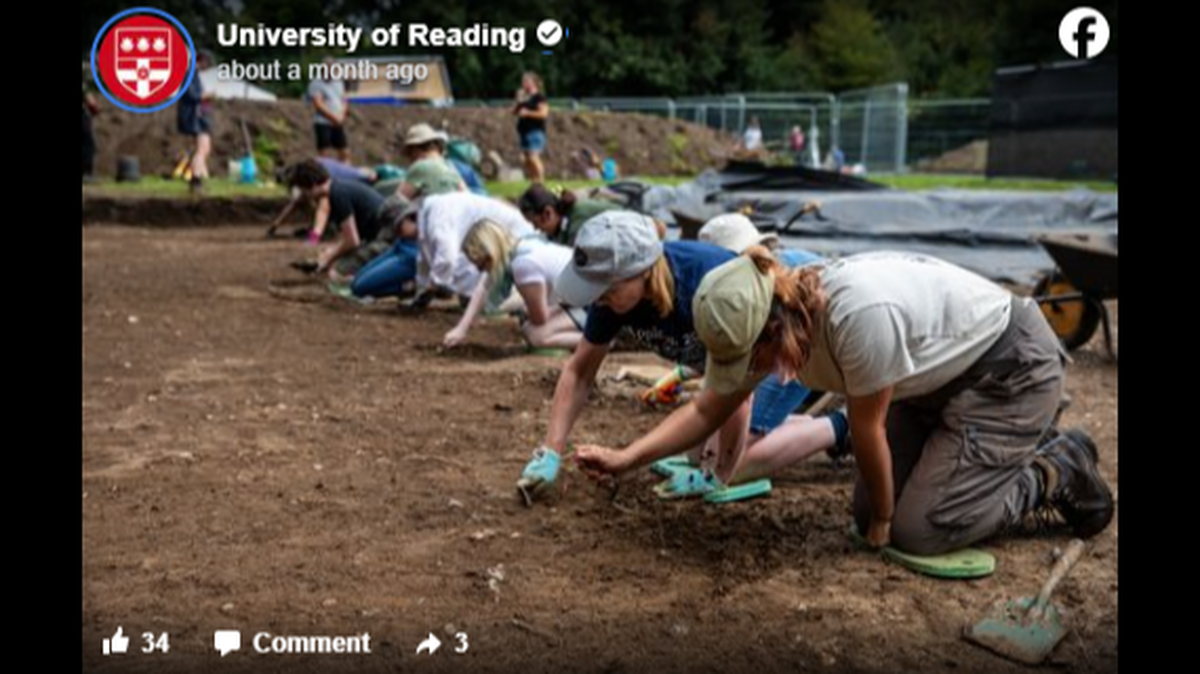
In 2021, archaeologists searching the bank of the Thames in England stumbled upon a medieval building near a modern-day church.
The site was excavated, revealing the remains of a monastery dating back to the 8th century, according to an August 2021 news release from the University of Reading.
“The lost monastery of Cookham has puzzled historians, with a number of theories put forward for its location. We set out to solve this mystery once and for all,” University of Reading archaeologist, Gabor Thomas, said in the release.
The monastery was once under the rule of the abbess Queen Cynethryth, widow to King Offa of Mercia, considered “one of the most powerful women of the Early Middle Ages,” the university said.
But now, as more discoveries are made at the site, researchers are learning the monastery wasn’t just a place of worship and devotion, but also of respite and medical care.
Researchers were joined by archaeology students to continue to excavate the site, the university said, leading to more discoveries.
Two years after the monastery was first discovered, researchers announced the discovery of the building’s hearth, a well with preserved wooden artifacts and a monastic enclosure facing the River Thames, according to a September 2023 news release from the University of Reading.
Other finds were described in a video posted by the University of Reading on Aug. 13, 2024.
They also found a large cemetery where more than 50 people were buried, including men, women and children, the university said.
The remains belonged to people from three generations, spanning the 8th and 9th centuries, researchers said.
During the 2024 excavation season, researchers found 20 more burials and “the disturbed remains of many more” people at the site, according to an Aug. 21 news release from the University of Reading.
Archaeologists described the graves in a Facebook video Aug. 19.
“There appears to be a high prevalence of disease and healed injuries present in disturbed bone redeposited in later graves as well as intact burials,” Thomas said. “Parts of the cemetery were heavily used. Burials here intercut each other resulting in the disturbance of skeletal material placed back in the fill of subsequent graves.”
Thomas said this likely meant people in the community had come to the monastery for medical care from the nuns, whether for ailments or injury.
“Our discoveries highlight the importance of Anglo-Saxon monasteries as centers of healing and medical care,” Thomas said. “We can gain an impression of this role from contemporary historical sources, but Cookham is one of the first archaeological sites to provide detailed physical evidence for the range of diseases involved and medical care dispensed by contemporary monastic communities.”
Researchers said they also finished excavating the well first discovered last year, and discovered timber buildings that were likely used as domestic quarters for the monastery, according to the university.
Excavations will continue into 2025, the university said.
Cookham is in south-central England, about a 30-mile drive west from London.
This story was originally published September 2, 2024 at 2:41 PM with the headline "More burials discovered at medieval monastery in UK. Many were sick or injured."