2,000-year-old graveyard found in Germany during construction. See the ancient items
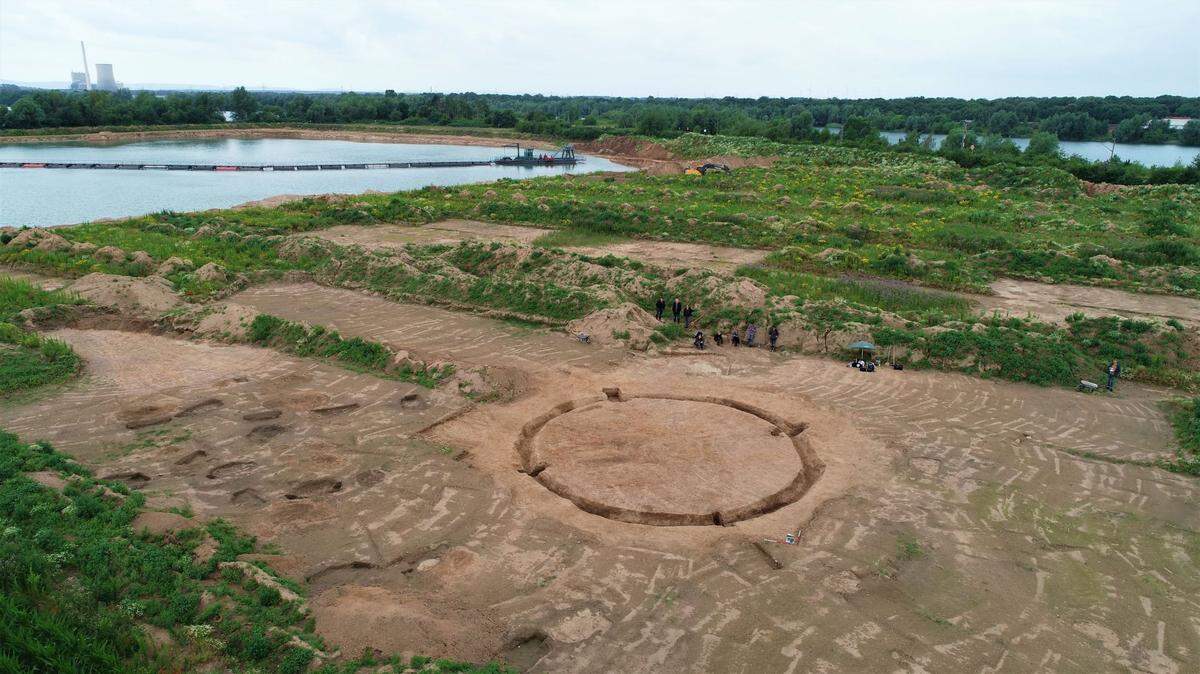
The first clue was a distinctive mound and some thriving vegetation. Archaeologists had long suspected something ancient hid nearby, but the truth remained a mystery — until now.
Before a gravel company in Petershagen could start a construction project, archaeologists requested an excavation of the site, the Westphalia-Lippe Regional Association said in a July 29 news release.
Aerial photographs showed a ring of thriving plants and the eye-catching mound, Sven Spiong, the association’s head archaeologist, said in the release. Ancient communities sometimes dug ditches around their burials and filled the hole with nutrient-rich soil. This allowed plants to grow better in the ditch than the surrounding gravelly soil.
Archaeologists saw such a vegetation ring at the site in Petershagen and assumed a graveyard was buried nearby.
They were right.
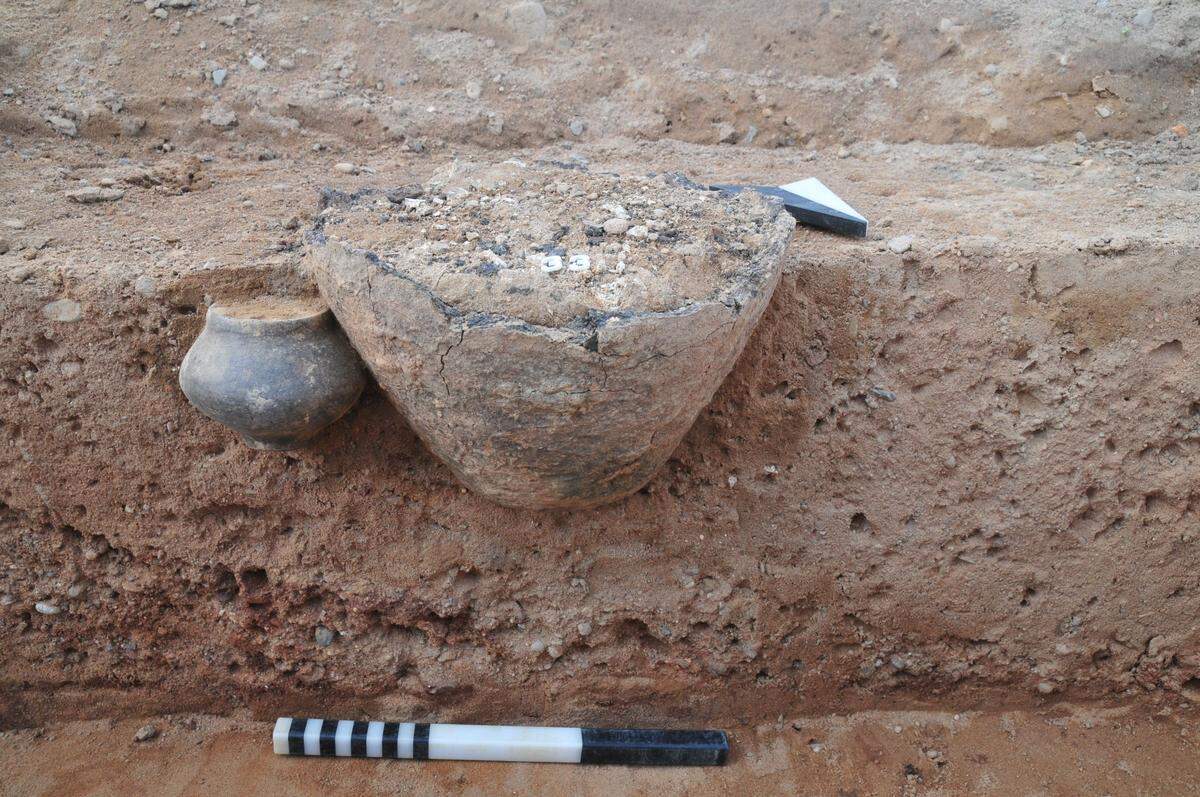
Excavations uncovered a cremation cemetery dating to the Iron Age, over 2,000 years ago, officials said.
A photo shows one of these ancient graves. The deceased was burned on a funeral pyre and their remains placed in an urn, then buried, officials said. A small jar, likely containing gifts for the dead to use in the afterlife, was also found in the grave.
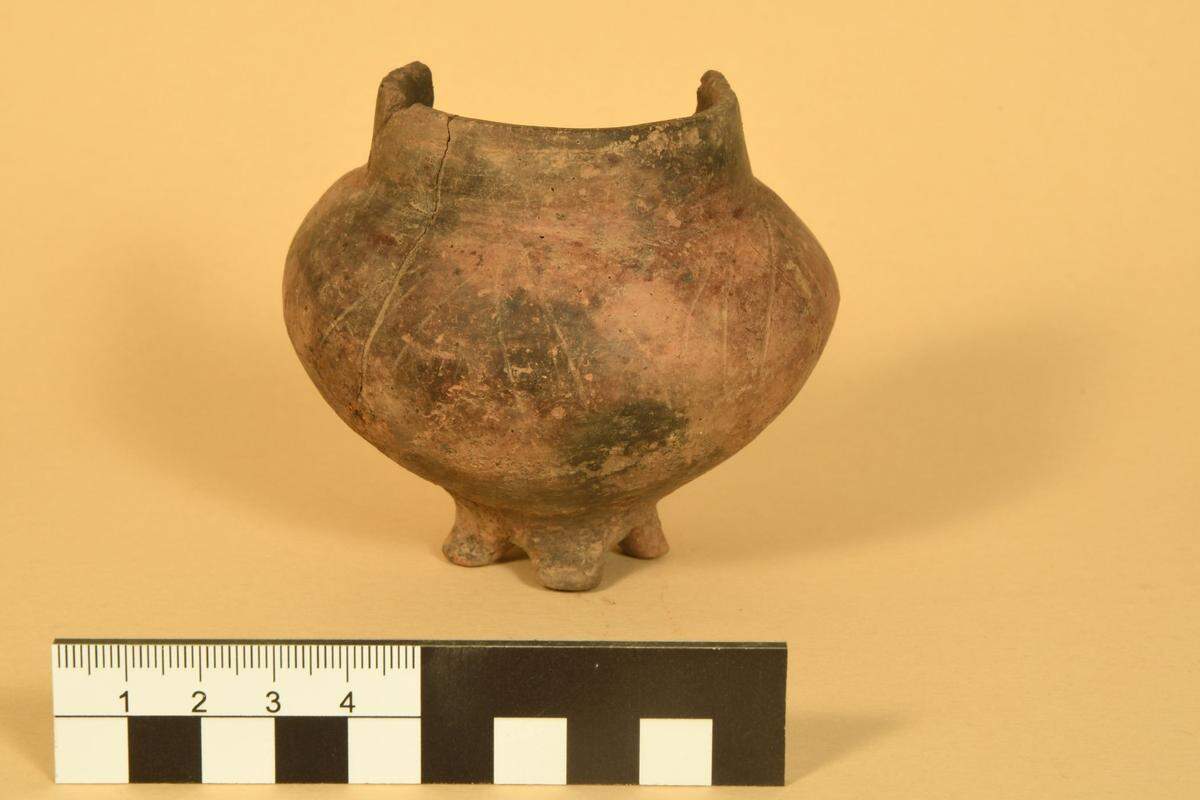
Archaeologists also unearthed traces of funeral pyres and a metal belt hook. A photo shows this rusty palm-sized ancient artifact.
The mound, likely constructed over 2,700 years ago, served as a landmark for the graveyard, archaeologists said. Cremation burials dated from roughly the seventh century to the first century B.C.
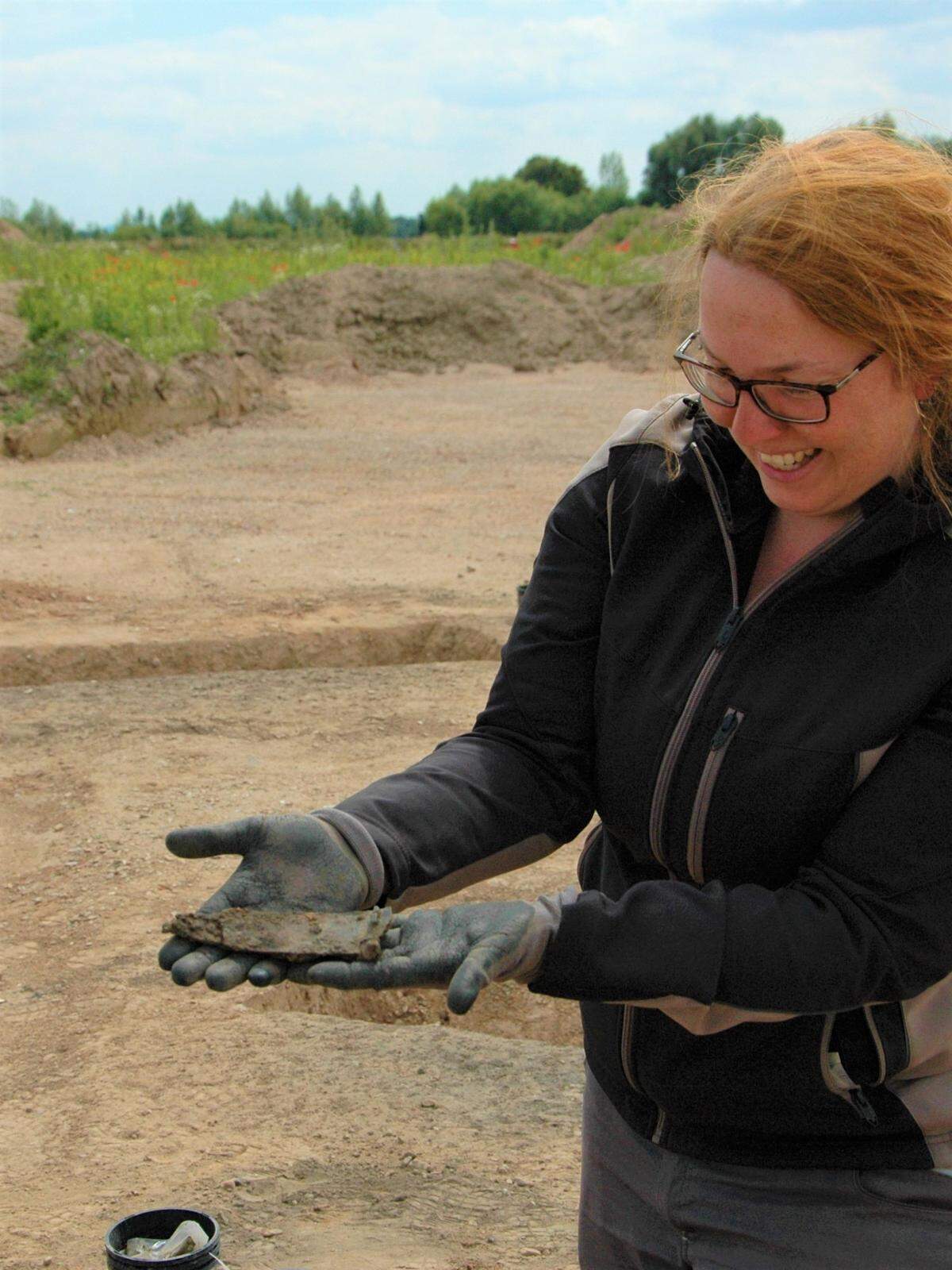
Officials plan to use radiocarbon dating to determine the exact age of the burial ground. Other finds from the site are still being analyzed, the association said.
Petershagen is a town in western Germany, a roughly 200-mile drive west from Berlin.
Google Translate was used to translate the news release from the Westphalia-Lippe Regional Association.
This story was originally published August 1, 2024 at 9:14 AM with the headline "2,000-year-old graveyard found in Germany during construction. See the ancient items."