3,400-year-old tablet — a sales receipt — unearthed in Turkey. See the ancient find
Thousands of years ago, a buyer in modern-day Turkey did a bit of shopping. A record of the transaction was scratched out on a small tablet and eventually forgotten — until now.
Archaeologists excavated a site known as Aççana Mound in Hatay as part of a post-earthquake reconstruction project, according to a news release from Turkey’s Ministry of Culture and Tourism.
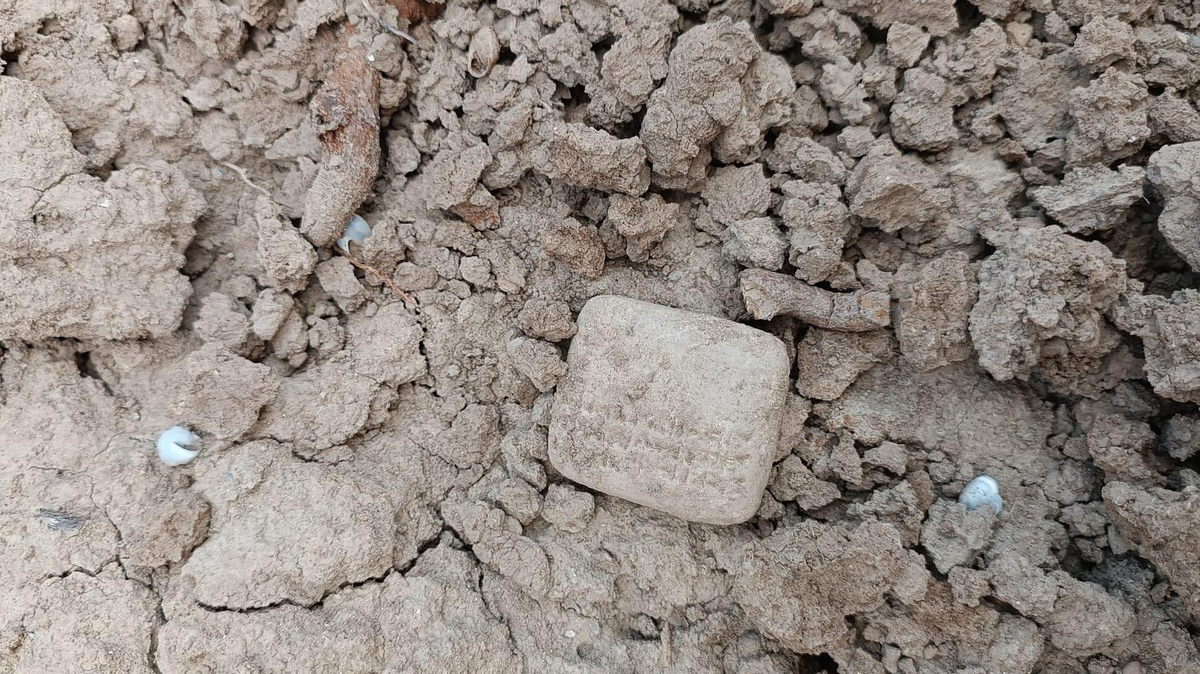
While there, workers uncovered a small square tablet. A photo shows the tan-brown slab sitting on the rocky ground.
Archaeologists identified the artifact as a 3,400-year-old cuneiform tablet used as a sales receipt.
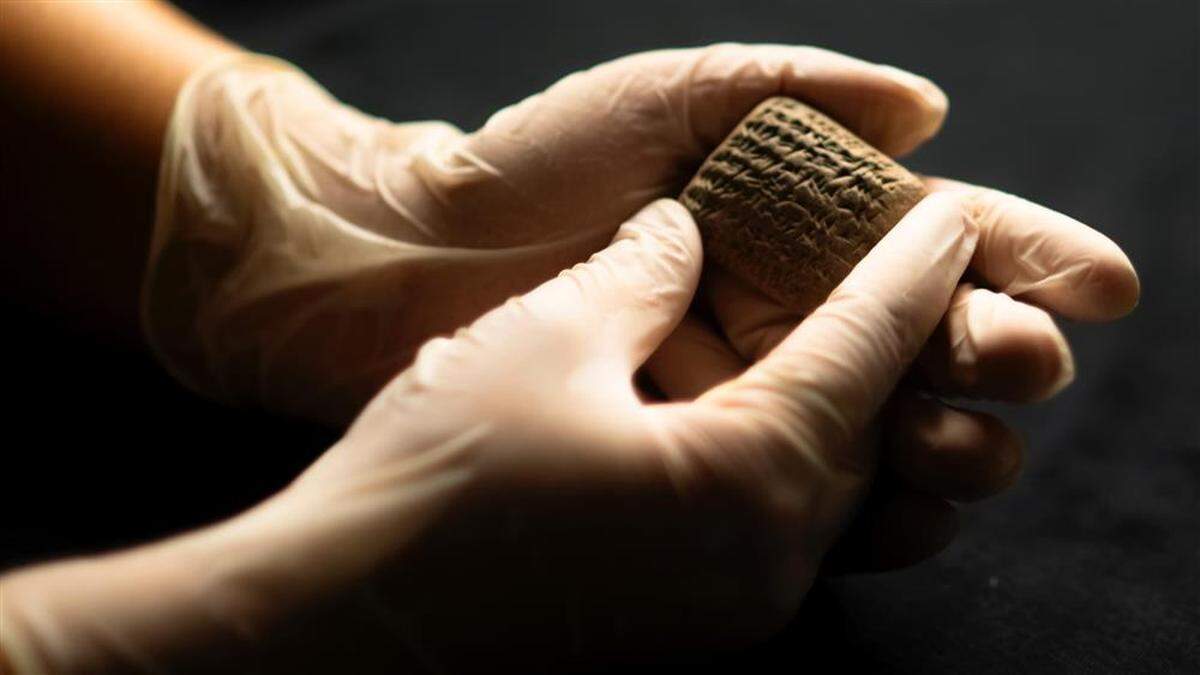
The ancient tablet measured only two inches across and weighed less than an ounce. Its text listed several large furniture purchases and the corresponding buyers, officials said. The first few lines mentioned wooden tables, stools and chairs.
Experts are still translating the text which is written in Akkadian, the ministry said.
Akkadian is an ancient language used by the Akkad Empire and written in the cuneiform script, according to Britannica. This empire controlled a large swath of Mesopotamia, the modern-day Middle East, and was ruled by kings from an ancient city known as Akkad.
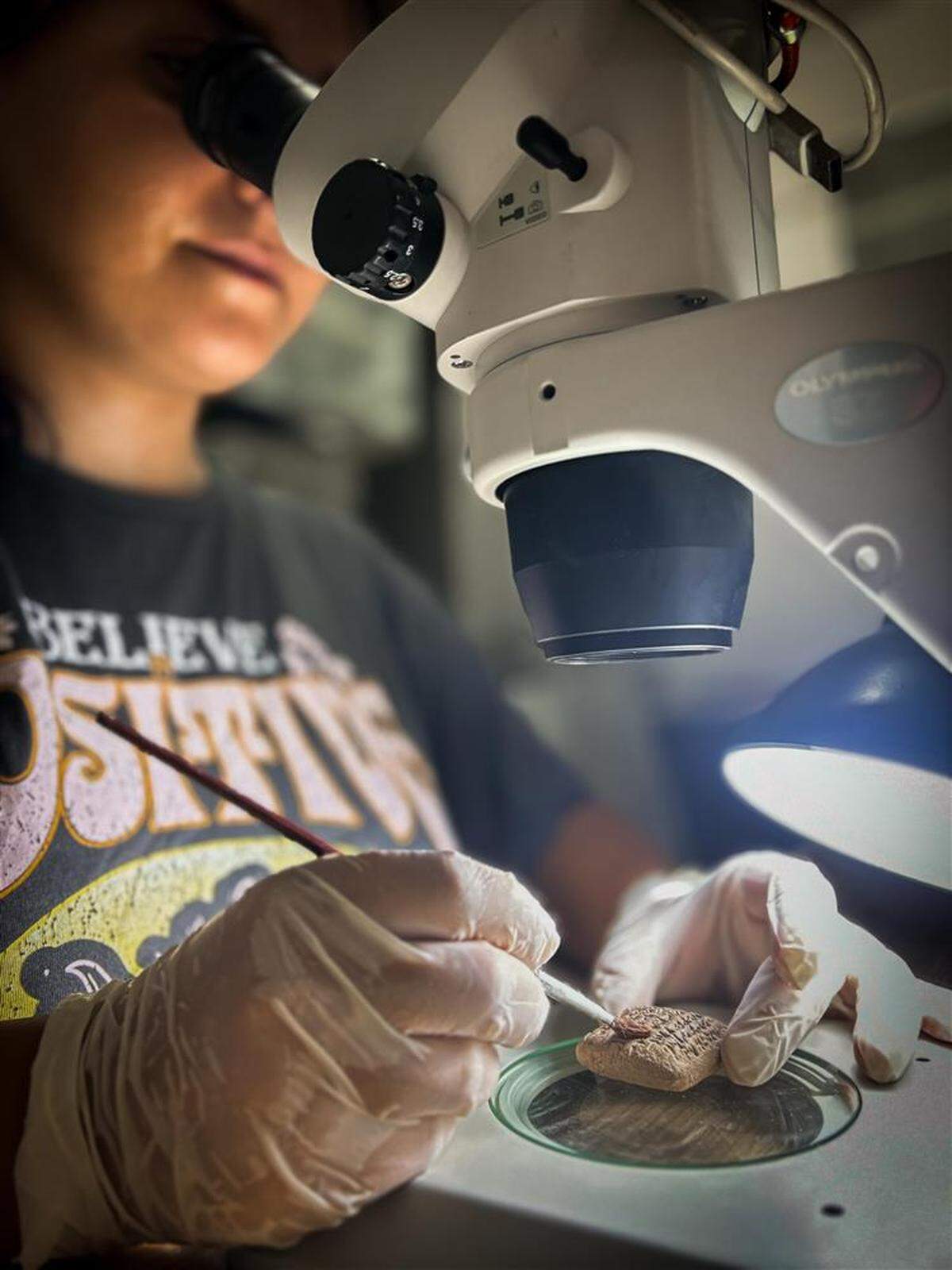
Archaeologists hope the ancient tablet will shed light on the economic structures of this region between 1500 to 1400 B.C.
Hatay is a coastal province in southern Turkey, a roughly 700-mile drive southeast from Istanbul and along the border with Syria.
Google Translate was used to translate the news release from Turkey’s Ministry of Culture and Tourism.
This story was originally published July 24, 2024 at 3:44 PM with the headline "3,400-year-old tablet — a sales receipt — unearthed in Turkey. See the ancient find."