1,200-year-old ruins from ‘long-lost’ Christian community found in Bahrain. See it
Hidden under a mound in the Middle Eastern country of Bahrain sat the ruins of a “long-lost” Christian community. The 1,200-year-old building had been abandoned and eventually forgotten — until now.
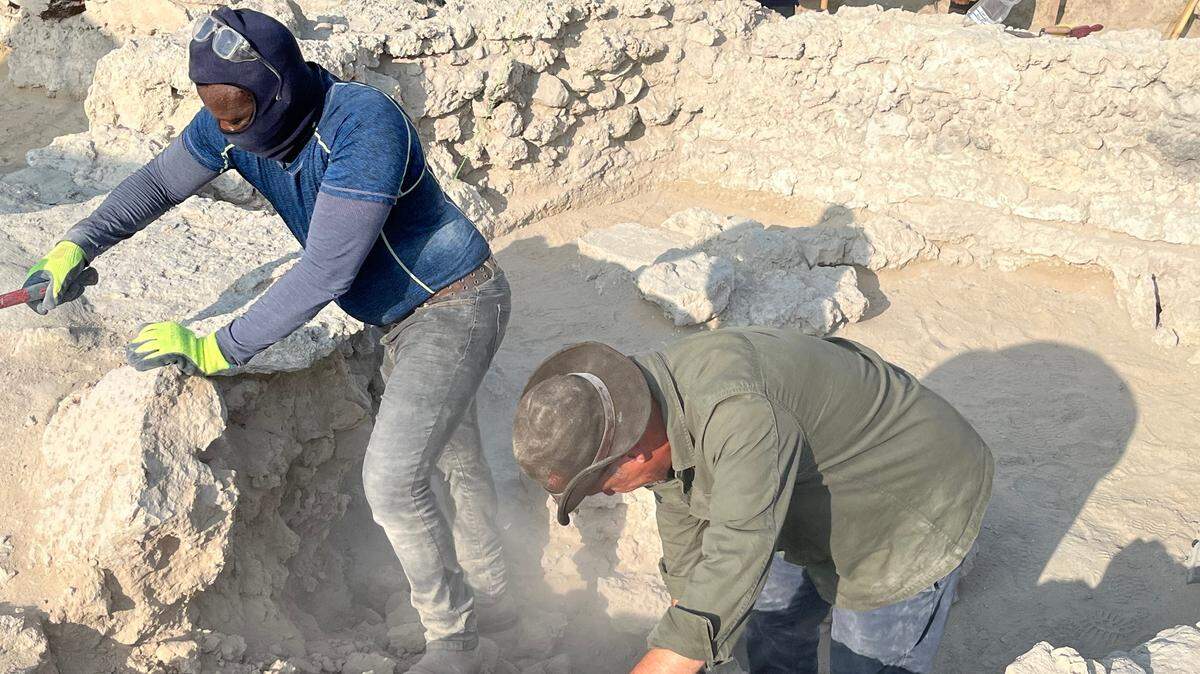
A joint team of Bahraini and British archaeologists spent several years excavating a “mound in a village cemetery” in Samahij, the University of Exeter said in a July 12 news release. Bahrain is an Islamic island country in the Persian Gulf and is situated off the coasts of Saudi Arabia and Qatar.
Digging into the mound, archaeologists unearthed the ruins of a “large” Christian building dating back over 1,200 years.
The ruins were occupied from the fourth to eighth centuries, then “abandoned after the population converted to Islam,” the university said. A mosque was later built atop the ruined Christian building, allowing it to survive.
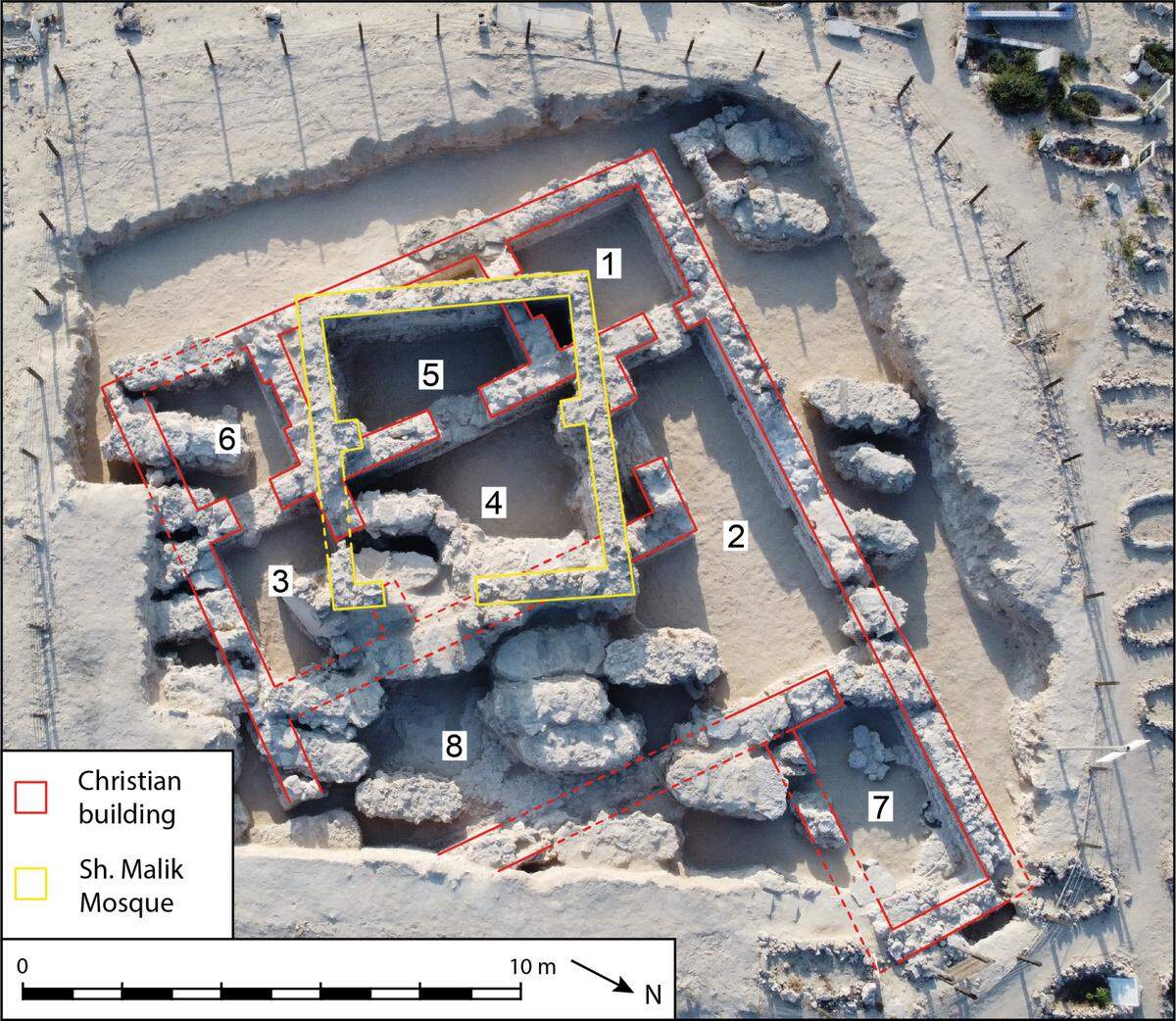
The eight-room building had a kitchen with several fireplaces, “a refectory or dining room, a possible work room, and three living rooms,” the university said. Photos show the first-of-its-kind structure.
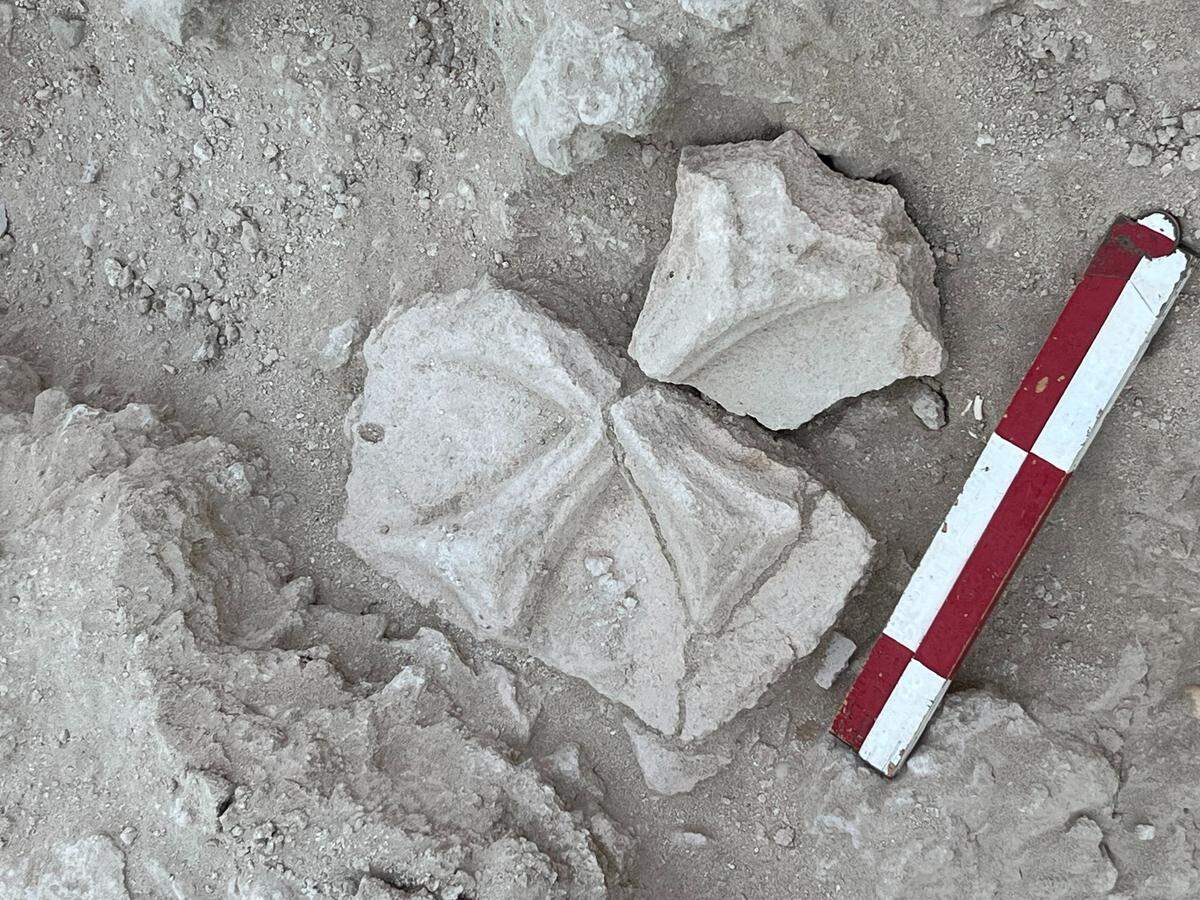
Archaeologists also unearthed “three plaster crosses.” Two were used as architectural decoration, and one “could have been carried or kept as a personal memento.” A photo shows one of these cross artifacts.
Graffiti of early Christian symbols — “what appear to be a Chi-Rho and a fish” — were also found at the site, archaeologists said.
The university described the ruins as “one of the earliest Christian buildings in the Arabian Gulf” and “the first physical evidence of a long-lost community.”
Today, the Persian Gulf region is largely Islamic, but before the “large-scale conversion to Islam began” in roughly 610, “the Church of the East, sometimes referred to as the Nestorian Church, thrived” in the region, the university said.
The 1,200-year-old building in Samahij “is the first physical evidence found of the Nestorian Church in Bahrain and gives a fascinating insight into how people lived, worked and worshiped,” Timothy Insoll, an archaeologist with the university and co-leader of the excavation, said in the release.
Based on artifacts found at the site, archaeologists said the ancient Christian residents had “a good standard of living.” They were involved in long-distance trade, “particularly with India,” and possibly produced textiles.
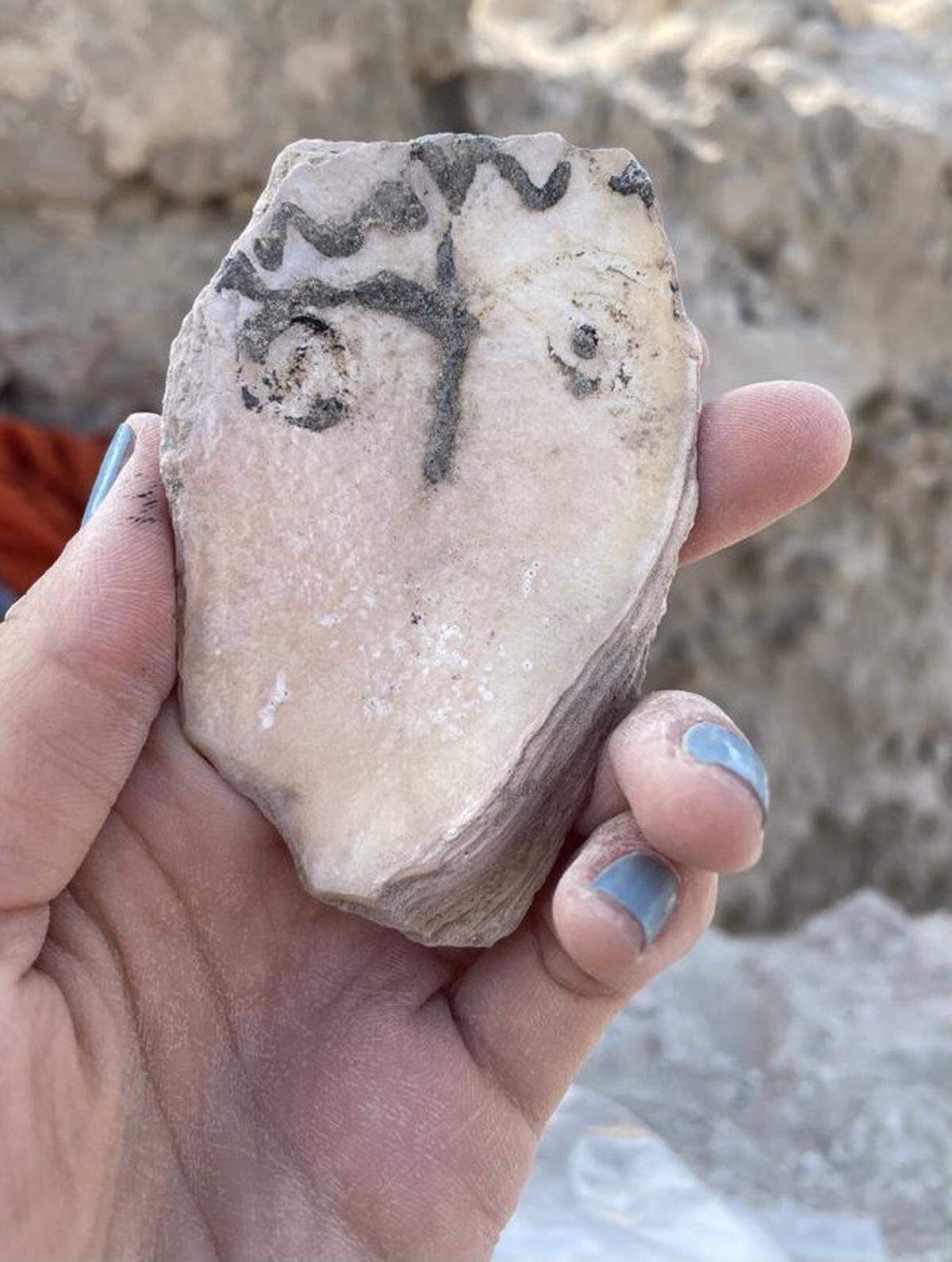
“We were amused to find someone had also drawn part of a face on a pearl shell in bitumen,” a tar-like substance, “perhaps for a child who lived in the building,” Insoll said. A photo shows this decorated shell.
The ruins in Samahij might be the local bishop’s palace, but archaeologists are not certain. Samahij, also known as Samaheej, is a village on the outskirts of Bahrain’s capital and largest city, Manama.
Excavations at the site lasted from 2019 to 2023. Laboratory analysis of the finds is ongoing. Officials are developing the site into a museum scheduled to open in 2025.
As of 2022, Bahrain’s population is about 82% Muslim and 12% Christian, the latter being the largest religious minority, according to a report from the U.S. State Department.
This story was originally published July 15, 2024 at 12:29 PM with the headline "1,200-year-old ruins from ‘long-lost’ Christian community found in Bahrain. See it."