Majestic animal was ‘extinct in the wild’ for decades. Now, four babies bring new hope
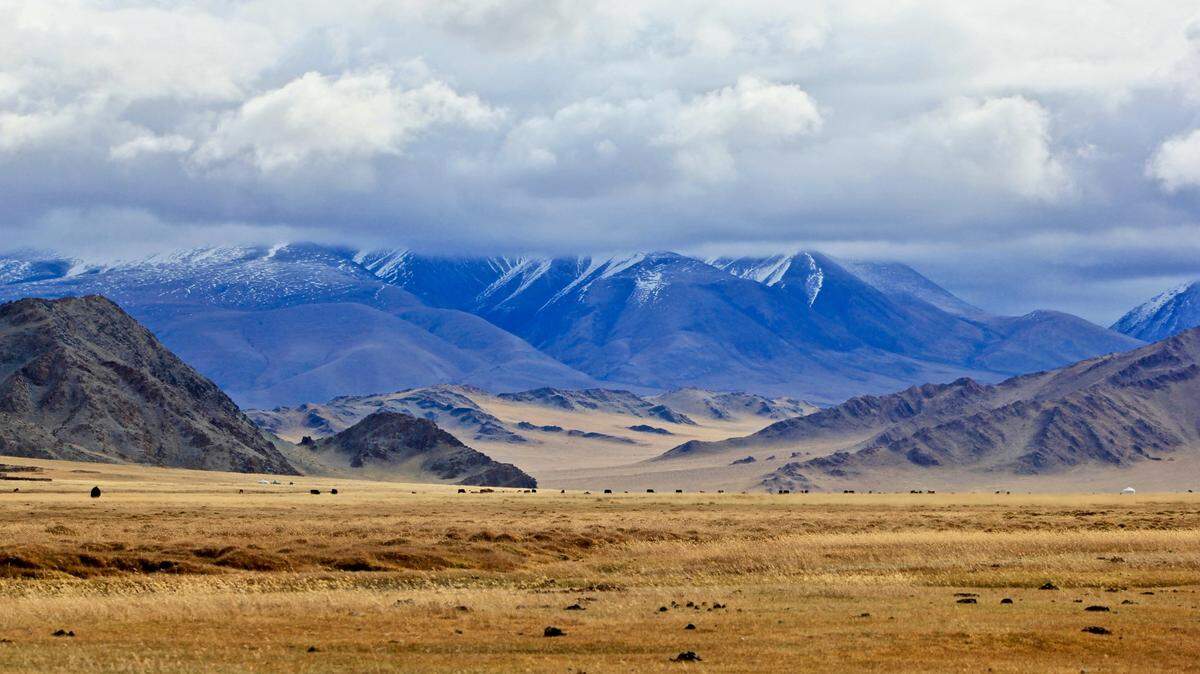
During the first half of the 20th century, the plains of northern China and Mongolia were dotted with small groups of wild horses.
Majestic stallions were surrounded by mares and their foals, and they traversed the landscape together.
Then, in 1969, the last of their kind died in the wild.
For the next 40 years, Przewalski’s horses were listed as “extinct in the wild,” according to the Marwell Zoo in southern England. Saved by just a few animals, the subspecies lived on in captivity.
Now, four newly born foals are providing hope the horses could once again populate the temperate grasslands.
“We’re delighted to have welcomed four new additions to our endangered Przewalksi’s horse herd,” Marwell Zoo said in a July 3 news release. “All four are female and they’re all doing well … The youngsters can be seen grazing and playing together under the watchful gaze of their mothers.”
The first foal was born May 3, animal keeper Erin Luter said in the release, and was named Xaela, meaning “mystical or fierce in Mongolian.”
Just a few days later, on May 11, Shara, whose name honors a mountain in Mongolia, was born, according to the zoo.
In June, foals Bilüü and Ereen were born just a day apart, the zoo said, and both were named for cities in Mongolia.
“All of the foals are doing well and can often be seen laying or sunbathing in the valley field close by the rest of the herd,” Luter said.
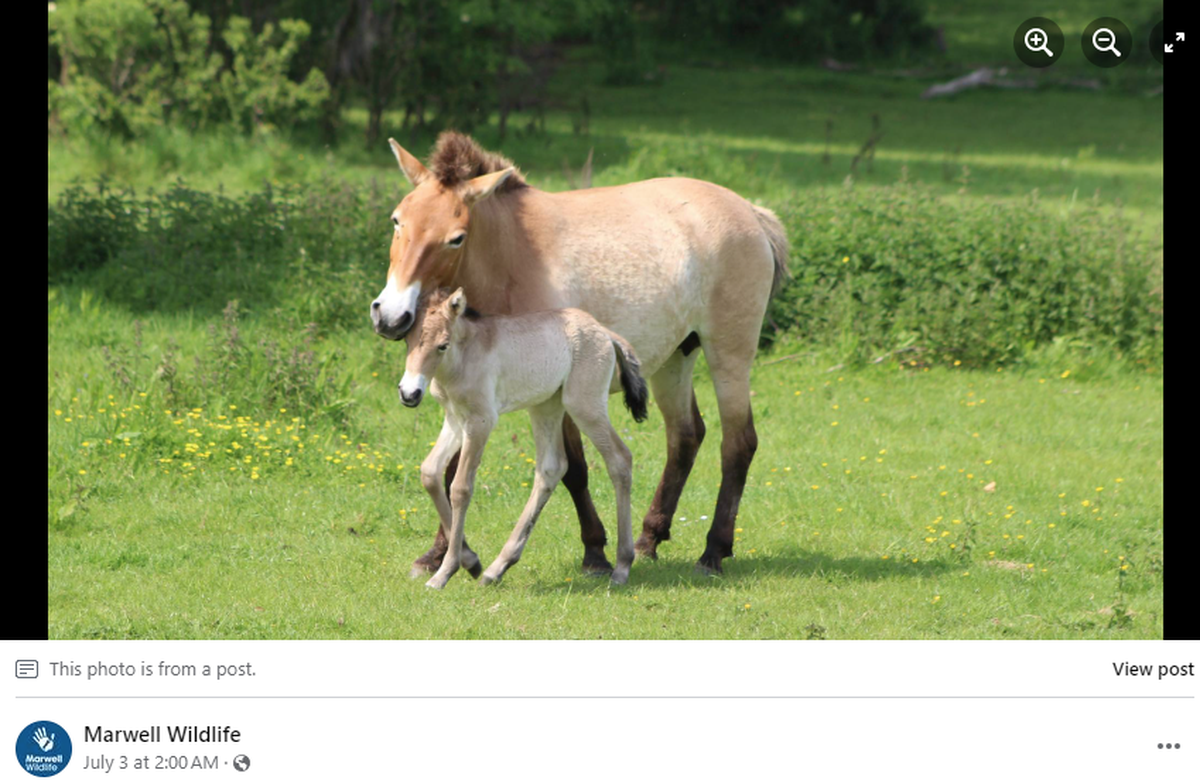
Przewalski’s horses are considered the “last surviving subspecies of truly wild horse in the world,” the zoo says, and were brought to extinction through hunting, political changes, climate change and military activity in the region.
The species was bred through zoo and wildlife programs for four decades before being reintroduced to the wild in 2008, according to the zoo. There are believed to be 178 mature Przewalski’s horses living in the wild once again.
“All of the Przewalski’s horses alive today are descended from just twelve individuals,” according to the zoo.
“Thanks to breeding programs like ours at Marwell they can now be found in reintroduction sites in Mongolia and China and have been downlisted to endangered,” Luter said.
Marwell Zoo is in south-central England, about a 75-mile drive southwest from London.
This story was originally published July 9, 2024 at 12:40 PM with the headline "Majestic animal was ‘extinct in the wild’ for decades. Now, four babies bring new hope."