Metal detectorist finds 3,100-year-old artifact likely buried as a sacrifice. See it
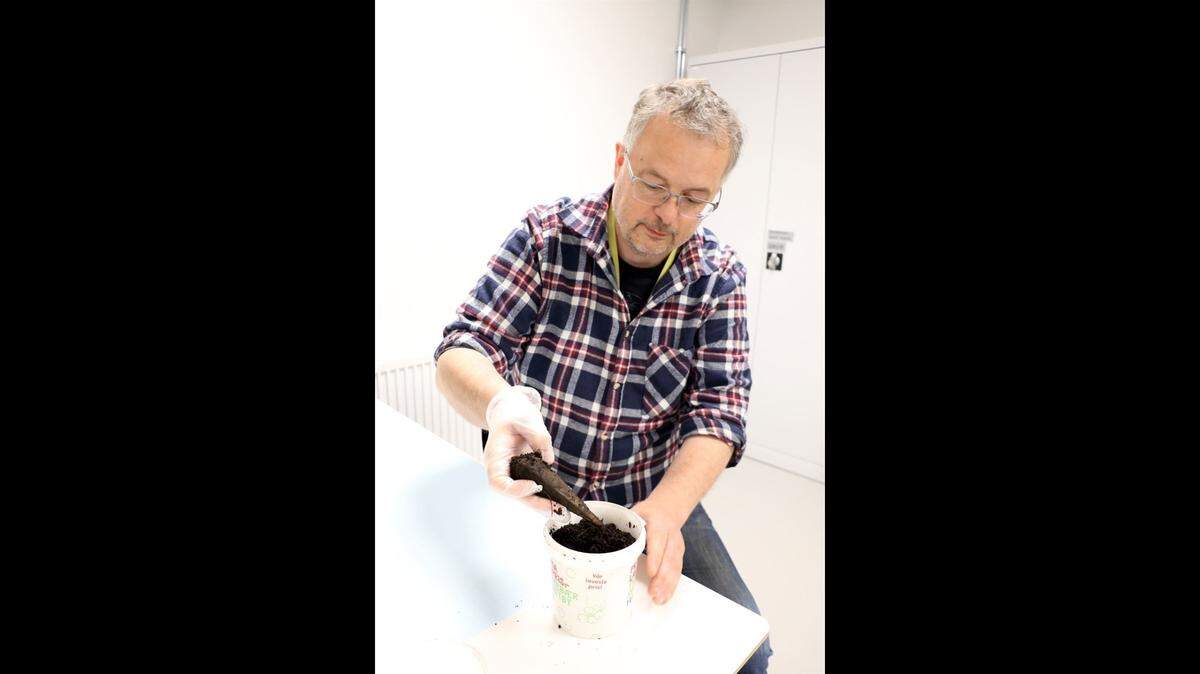
On an island in Norway, a metal detectorist searched the ground. When the device beeped, he started digging — and unearthed a 3,100-year-old artifact.
Eirik Ulvatne was metal detecting in Fitjar when he stumbled upon the ancient artifact buried about 8 inches below the surface, the Vestland County Municipality said in a June 4 news release. Ulvatne, who often goes metal detecting, immediately realized the item was significant.
His hands were shaking so badly he could barely pick up the artifact, Ulvatne told the Norwegian news outlet Bergens Tidende.
Archaeologists identified the find as a 3,100-year-old hollow ax, officials said. A photo shows the dark brown, wedge-shaped tool.
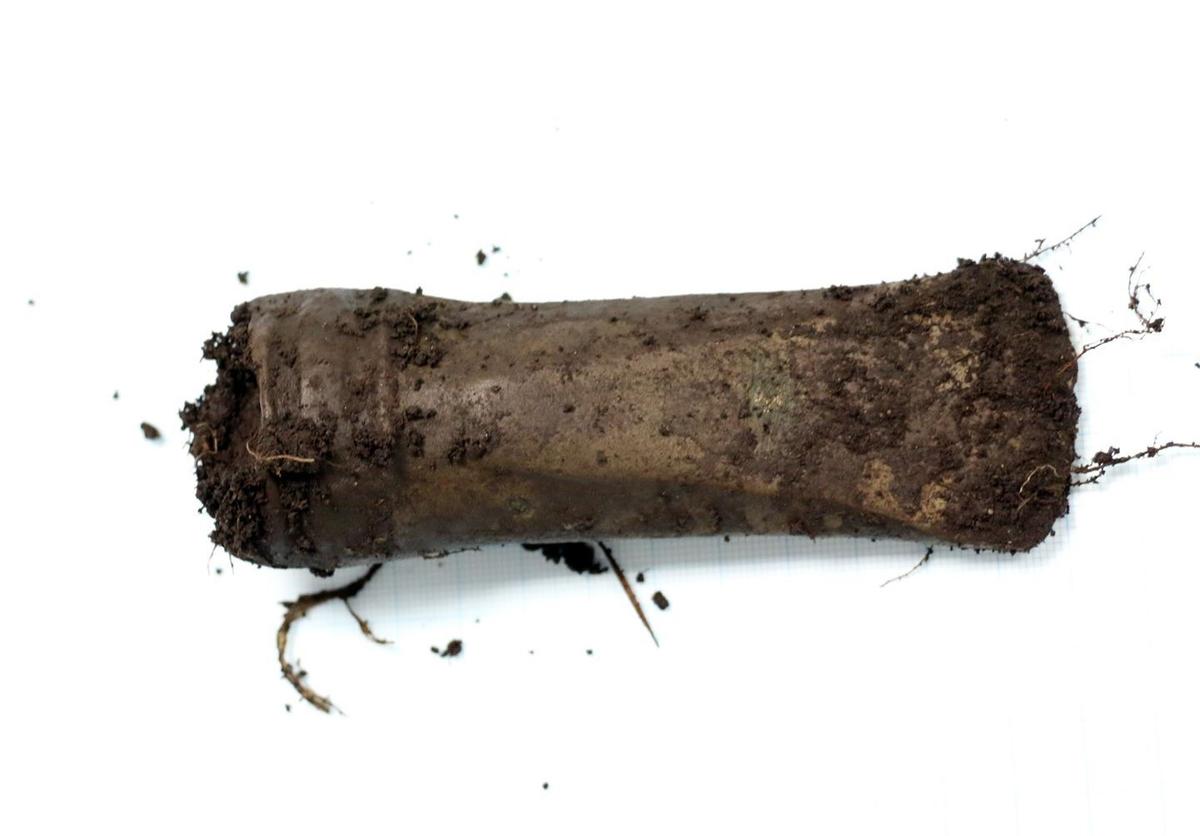
The roughly 5-inch-long ax is likely from the Bronze Age and dates between 1300 and 1100 B.C., archaeologists said.
The ancient tool showed no signs of use and was likely buried as a sacrifice, Jostein Aksdal, an archaeologist with the county, said in the release.
Generally, these types of sacrifices, called an “offer” in Norwegian, involved a gift offered to a religious deity, according to the Large Norwegian Encyclopedia. The details of the ritual varied over time and by religions.
Ulvatne shared photos of the ax in a May 31 Facebook post. Seen from the side, the ax appears relatively sharp. The base of the ax appears filled with dirt.
Ulvatne described the ancient ax as a dream discovery, officials said.

Archaeologists will send the artifact to another laboratory for X-rays and further analysis.
Fitjar is an island village in Vestland county and a roughly 300-mile drive west of Oslo.
Google Translate was used to translate the news release from the Vestland County Municipality, Facebook post from Eirik Ulvatne and articles from the Large Norwegian Encyclopedia and Bergens Tidende.
This story was originally published June 4, 2024 at 12:08 PM with the headline "Metal detectorist finds 3,100-year-old artifact likely buried as a sacrifice. See it."