Evidence of 4,000-year-old cancer treatment found on ancient Egyptian skull, study says
The ancient Egyptians were innovators.
At the forefront of engineering, language and astronomy, the Egyptians were also pivotal in developing the foundation for modern medicine.
Now, researchers believe they may have been working on a treatment for cancer — 4,000 years ago.
“It is clear according to preserved papyri and hieroglyphs that ancient Egyptian medicine was advanced enough to describe, classify and successfully treat specific diseases and traumatic injuries, including bone trauma,” researchers said in a study published May 29 in the journal Frontiers in Medicine.
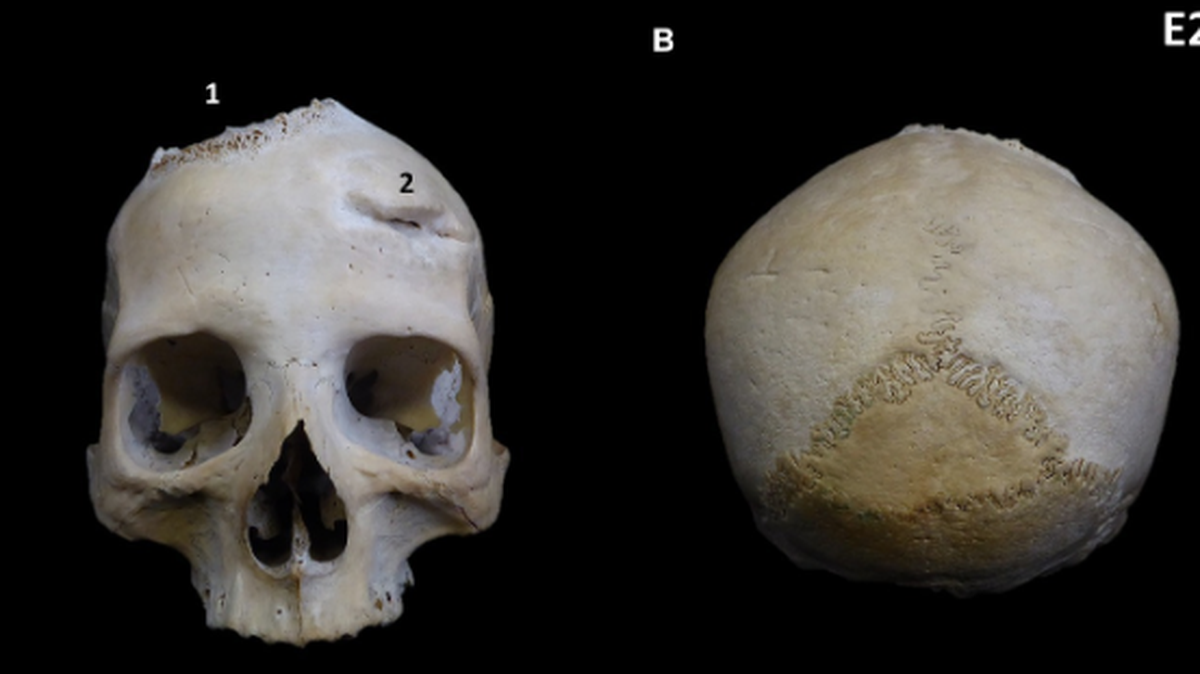
The researchers analyzed two human skulls housed at the Duckworth Laboratory at the University of Cambridge, according to the study.
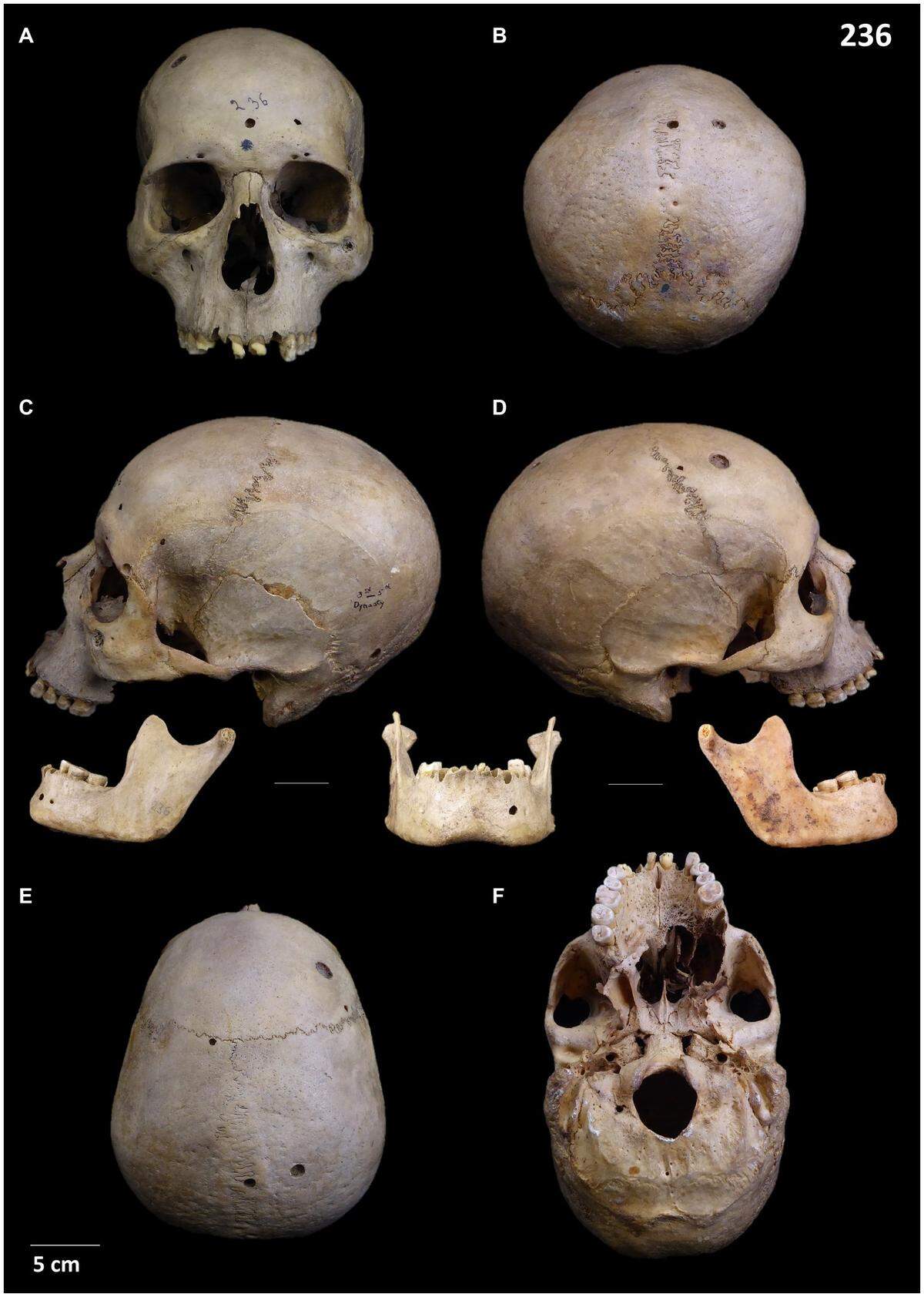
One skull, belonging to a woman in her 50s, was found in Giza and dated between 664 and 343 B.C., according to the study.
The second, belonging to a man between 30 and 35 years old, is much older, dating to between 2686 and 2345 B.C., researchers said.
Large lesions were found on both skulls, suggesting they suffered from a form of cancer that grew on the bones, according to the study.
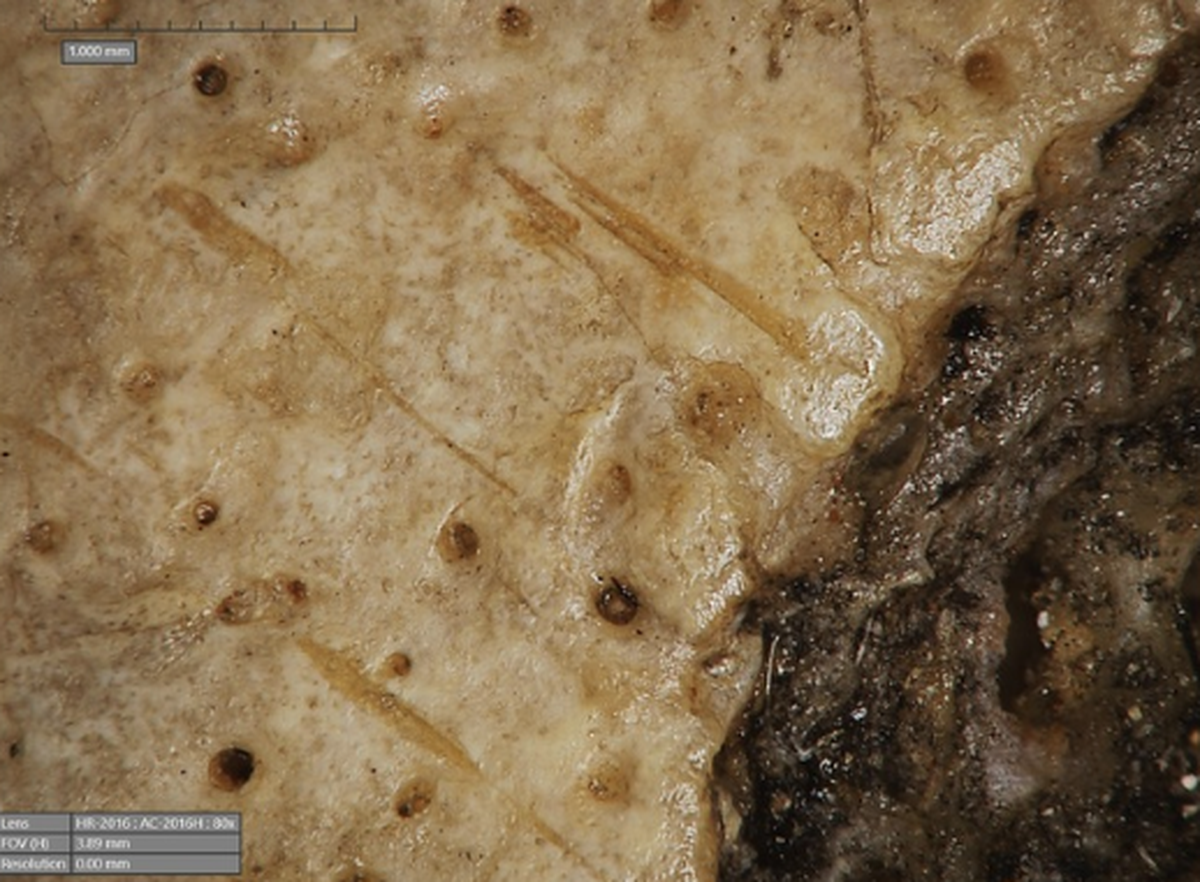
But when the researchers took digital scans of the skulls and lesions, they noticed small lines on the surface of the skull surrounding where the tumors would have once grown.
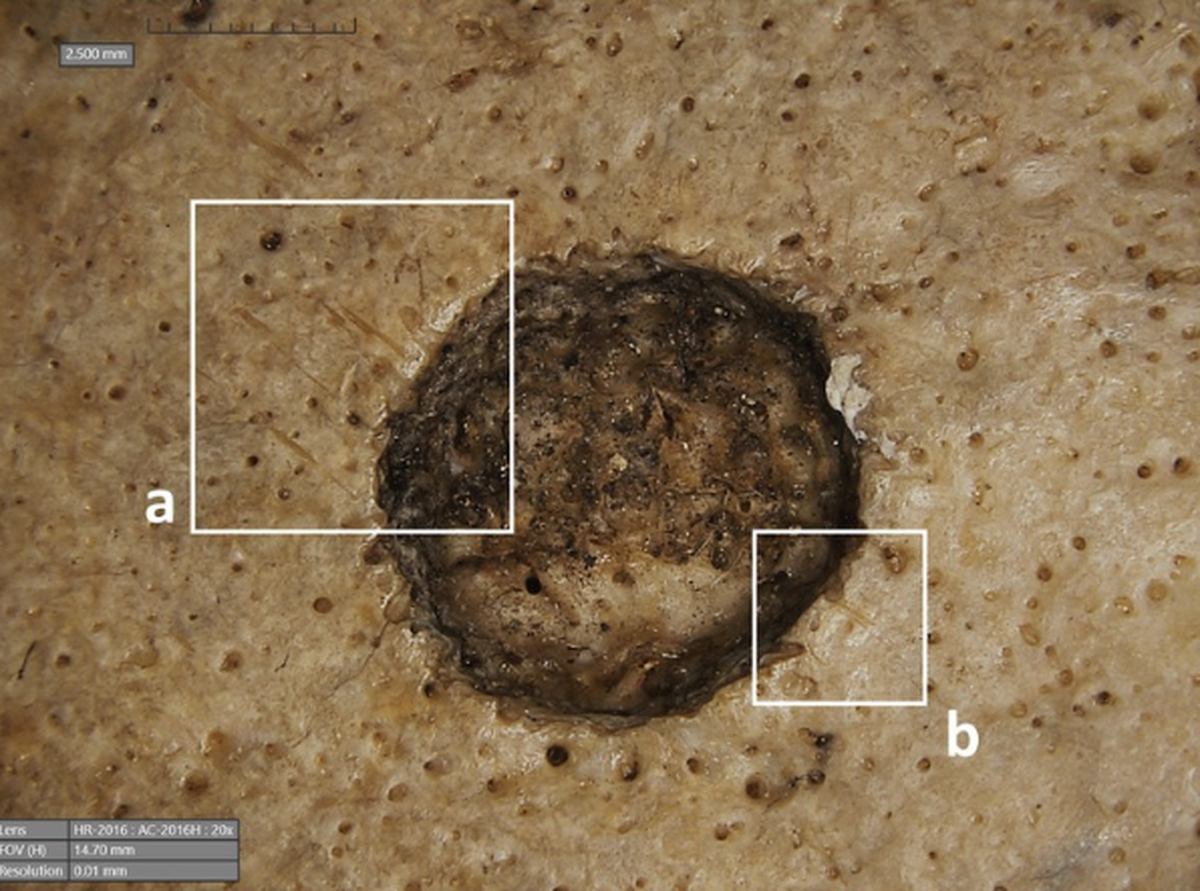
The lines were clearly made by tools, according to the study, and show some signs of bone healing, meaning the person would have likely survived for a short period of time after the cuts were made.
“The position of the marks, running through two of the lesions with a clear associated start and end at both sides of the lytic lesions (stopped by the margins of the pathologies), suggest some kind of perimortem anthropic intervention given that they were generated on a bone in fresh condition,” according to the study.
The cuts could have been made as a way to try and remove the lesions as a treatment option, researchers said, or they could have been exploratory cuts made to look inside the lesions to try and learn more about the cancer.
“(The male skull) represents one of the oldest known cases of ancient Egyptian cancer, jointly with others from the Old Kingdom,” according to the study. “Whilst there is no evidence regarding the cause of death for both individuals, the advanced stage of their malignant conditions suggests a potential link to mortality.”
“What we found is the first evidence of a surgical intervention directly related to cancer,” study author Edgard Camarós told Live Science. “This is where modern medicine starts.”
More research is needed to understand when these practices began, according to the study, and whether any of the treatment was successful in extending the lives of cancer patients.
“If we know that more than 4,000 years ago, ancient Egyptians were trying to understand cancer at a surgical level, we are absolutely convinced that this is just the beginning of something that started many, many thousands of years ago,” Camarós said.
This story was originally published May 29, 2024 at 12:37 PM with the headline "Evidence of 4,000-year-old cancer treatment found on ancient Egyptian skull, study says."