‘Misshapen’ shells reveal ancient Roman ‘processing site’ for oysters in UK. See it
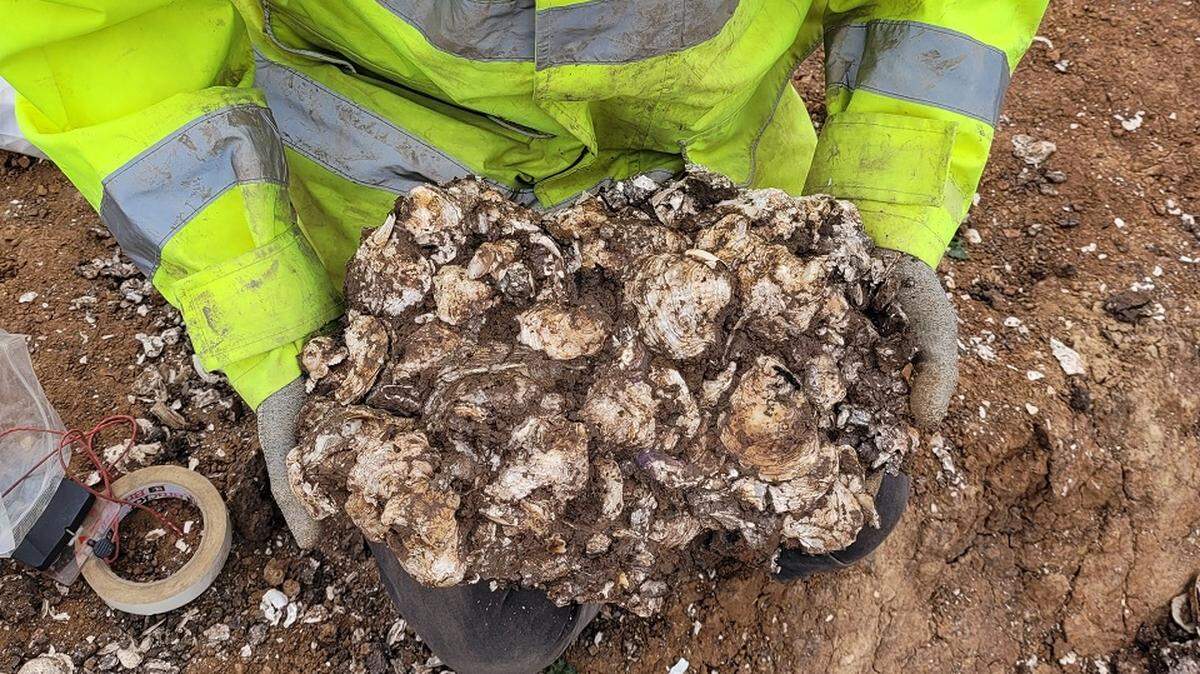
An environmental project along the coast of the United Kingdom revealed the remnants of an ancient Roman site for “processing” oysters. Photos show the “misshapen” shells.
Archaeologists excavated the Humber estuary as part of a three-year-long project to change the coastline and create new wildlife habitats, the U.K.’s Environment Agency said in a May 24 news release.
During the excavations, archaeologists uncovered “large quantities of misshapen oyster shells,” officials said. They identified the shells as traces of an ancient Roman “oyster processing site.”
“Oysters were highly prized by the Romans” and a “key part” of the empire’s decision to invade the U.K., officials said. Ancient Roman emperors paid for oysters “by their weight in gold.”
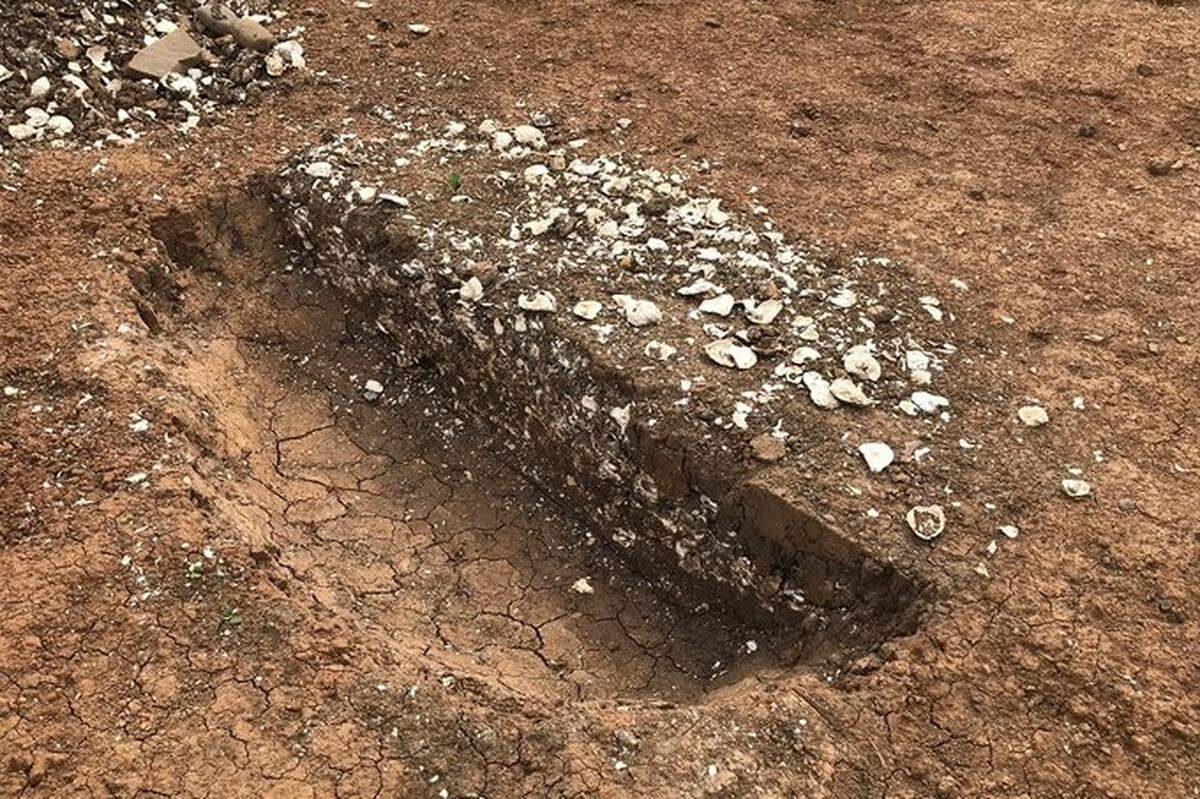
Photos show the large deposit of dusty white shells. Based on the arrangement of the shells in Humber, archaeologists believe oysters “grew naturally on a shell reef rather than being grown on ropes which was a recognised practice at the time.”
“It was truly amazing to find the evidence of this early oyster processing site during our dig,” Jennifer Morrison, an archaeologist with the agency, said in the release.
“We know that, at this time, oysters would have been plentiful and that they were a staple part of the diet,” Morrison said. “We also know that British oysters were prized by the Romans, and it is quite possible that some (of) these oysters found their way back to Italy.”
The recent finds will be on display at the Hedon Museum until June 22, officials said.
Humber estuary is along the eastern coast of the U.K. and about 200 miles north of London.
This story was originally published May 28, 2024 at 12:03 PM with the headline "‘Misshapen’ shells reveal ancient Roman ‘processing site’ for oysters in UK. See it."