Was ancient Greek armor battle-ready or ceremonial? Hands-on experiment offers clues
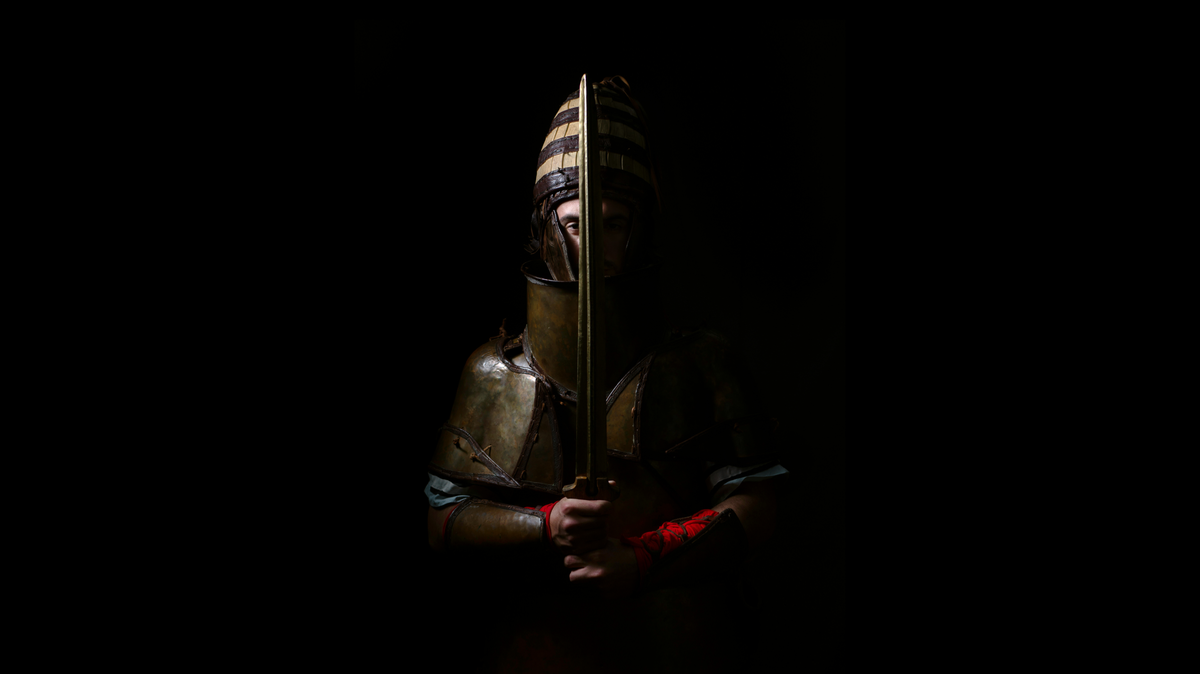
When archaeologists unearthed a nearly complete set of ancient Greek armor in 1960, they solved one riddle and triggered another. The 3,500-year-old metal assortment finally proved the existence of ancient armor.
But was this clunky-looking suit ready for battle? Or ready only for ceremonies? For over 60 years, the armor baffled experts, but a hands-on experiment offers clues.
A team of researchers were inspired by a “chance dinner-table conversation” and decided to test a replica of the ancient Greek armor by simulating a Late Bronze Age battle, according to a study published May 22 in the peer-reviewed journal Plos One.
The team focused on testing the Dendra armor, also known as the Dendra panoply, the study said. This ancient bronze suit was found in a tomb near Dendra, Greece, and is “one of the oldest complete suits of European” armor.
To make the experiment as accurate as possible, researchers recruited 13 Marines from Greece’s military to act out an ancient battle.
Next, the team created a detailed simulation of what a Late Bronze Age soldier’s daily life would be like during war. Drawing on ”The Iliad” and scholarly literature, researchers recreated the meal schedule, wake-up time, fighting strategies, weapons and combat movements of ancient Greek soldiers. The simulation lasted 11 hours, the study said.
Modern-day soldiers put on a replica of the Dendra armor and went through the simulation. Simultaneously, researchers monitored their vital signs and movements.
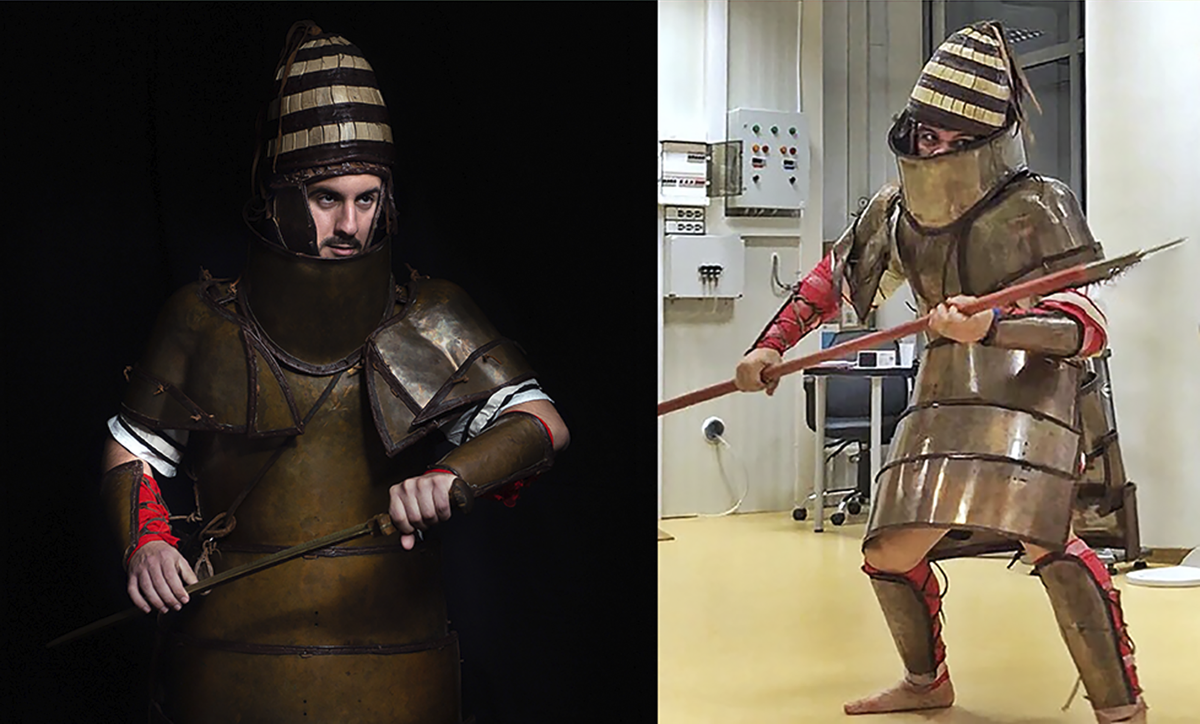
The ancient armor would be considered functional if the strain it caused was “tolerable and within normal levels” and it “did not limit the fighting ability of the wearer,” the study said.
The result? The ancient Greek armor was battle-ready, researchers said.
The armor might look “cumbersome,” but the soldiers were able to maneuver and fight the entire 11-hour experiment without their movement being impaired or their vital signs reaching unstable levels, the study said.
Researchers concluded that actual ancient Greek armor was “not only flexible enough to permit almost every movement of a warrior on foot but also resilient enough to protect the wearer from most blows.”
However, the hands-on experiment has its limitations. The accuracy of the simulation and replica armor was constrained by scholarly knowledge of the Late Bronze Age and ethical concerns for the participants’ safety, the study said.
“Some aspects of ancient warfare technology may be impossible to fully recreate or to understand them using modern replicas and experiments,” the study said.
Even still, researchers said their “conclusions about the utility of the Dendra armour err on the side of caution not optimism. If anything, it was even more practical in combat contexts than we have been able to demonstrate.”
Researchers hope their study will provide a deeper understanding of ancient Greece.
The research team included Andreas Flouris, Stavros Petmezas, Panagiotis Asimoglou, João Vale, Tiago Mayor, Giannis Giakas, Athanasios Jamurtas, Yiannis Koutedakis, Ken Wardle and Diana Wardle.
This story was originally published May 23, 2024 at 9:14 AM with the headline "Was ancient Greek armor battle-ready or ceremonial? Hands-on experiment offers clues."