Posts in lakebed turn out to be 650-year-old trap abandoned after Black Death. See it
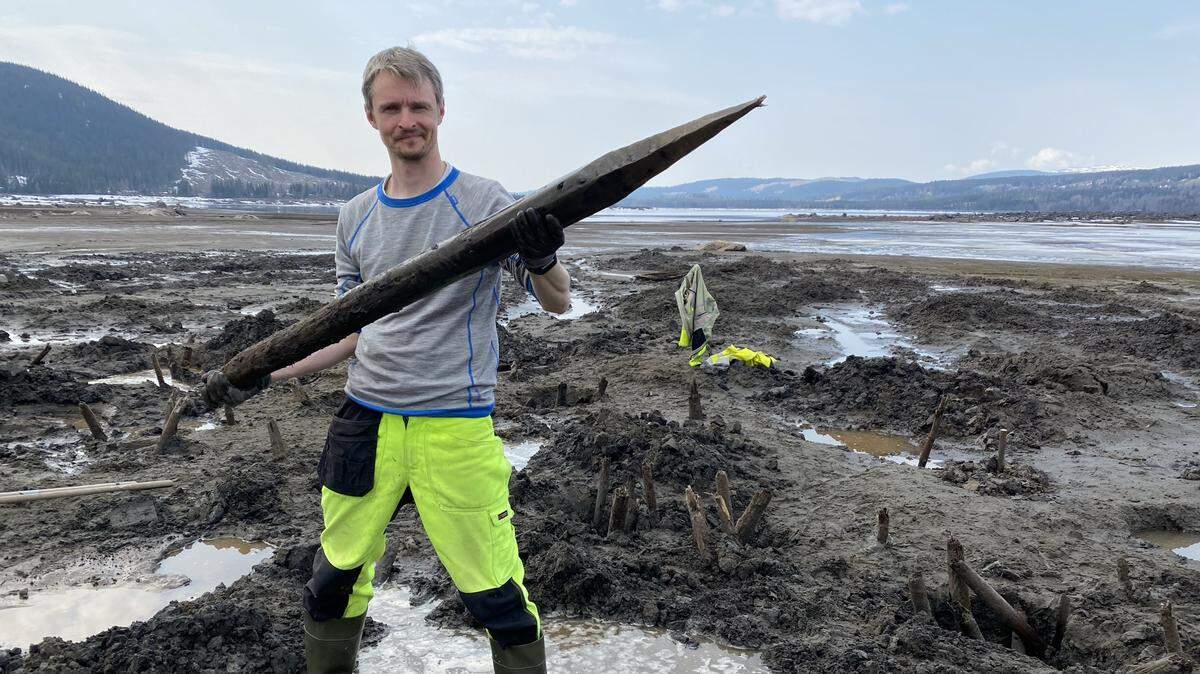
To the untrained eye, the wooden posts sticking out of a lakebed in Norway probably looked like a natural part of the landscape. Something to avoid stepping on maybe, but not much more.
To archaeologists, the stakes looked like potentially rare artifacts — and turned out to be a 650-year-old trap.
Archaeologists initially excavated part of Nord Mesna’s lakebed during a period of low water levels in 2021, the Innlandet County Municipality said in a May 13 news release. The excavation uncovered several wooden posts.
At the time, archaeologists identified the posts as a “kattise”-style fishing trap from the 1650s.
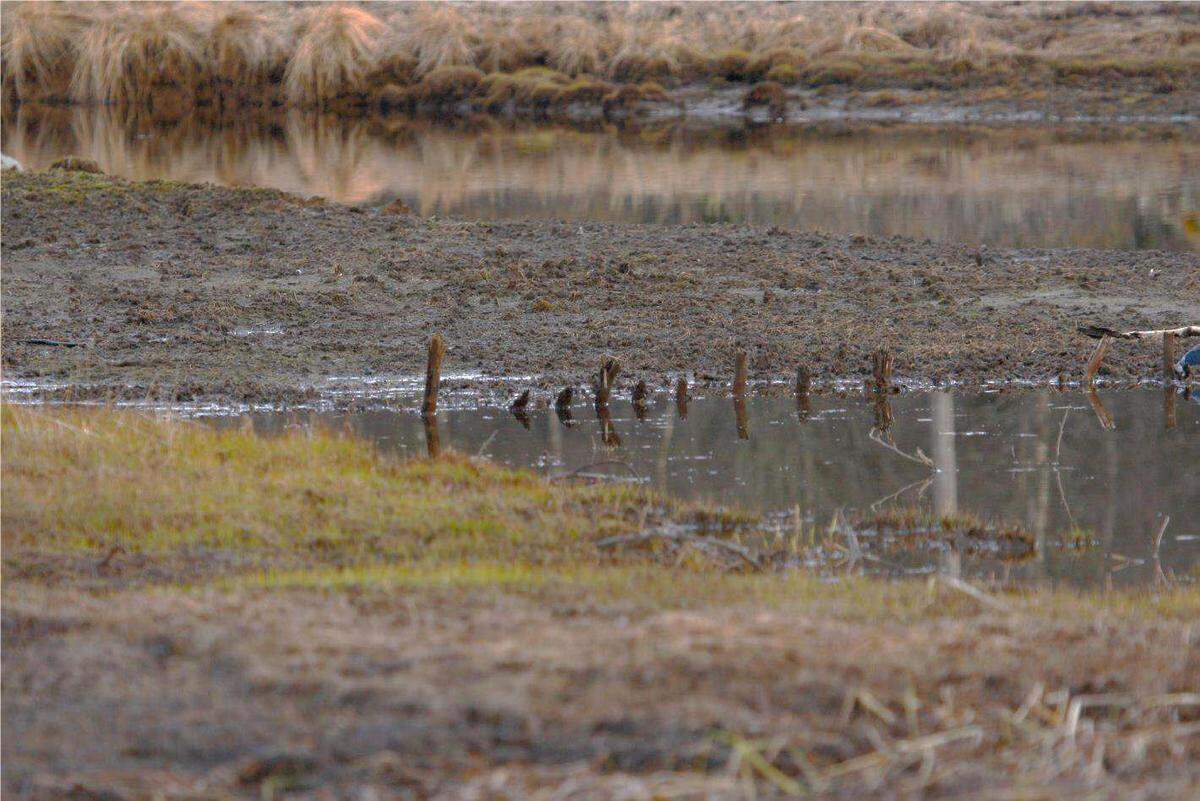
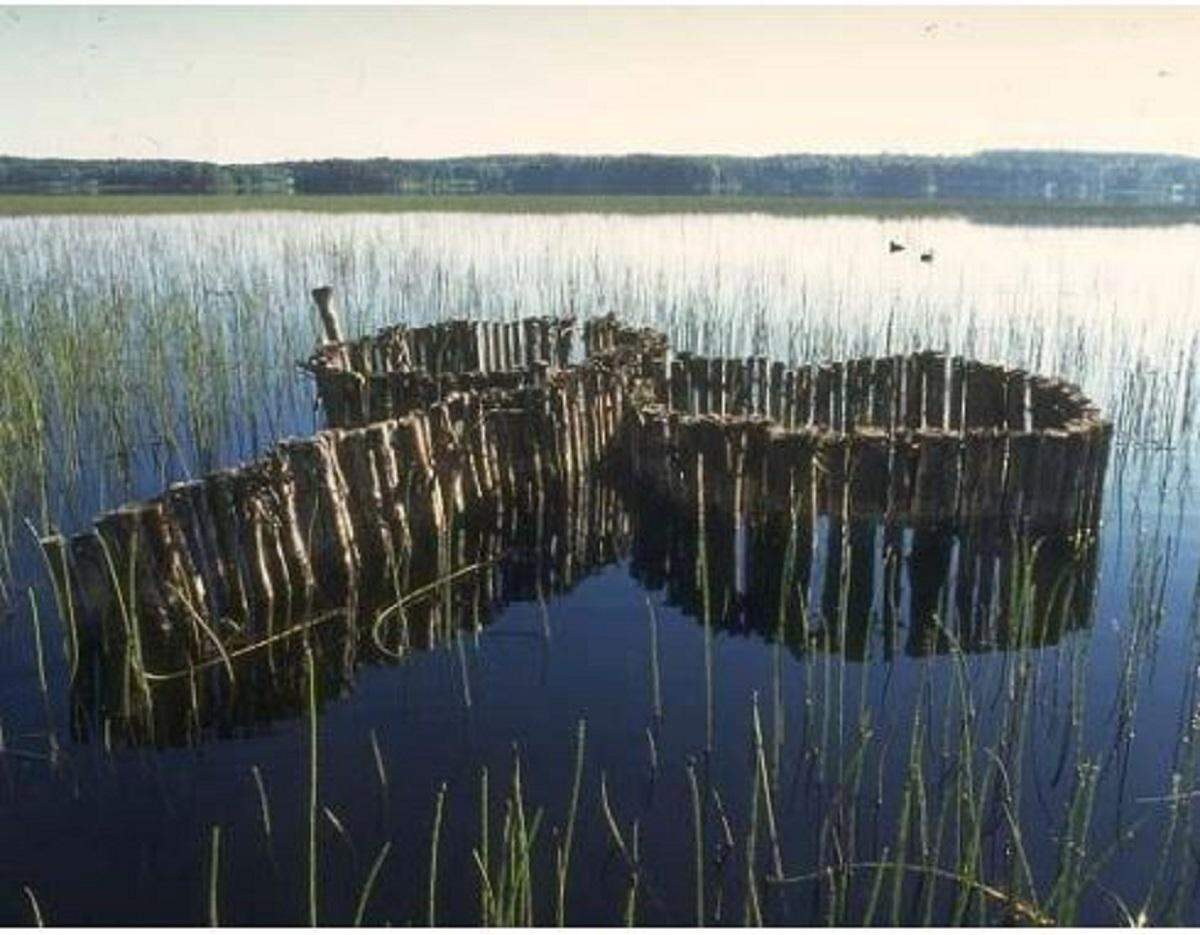
Several of these types of old fish traps had been found in the area, officials said. Kattise traps, whose name means “cat” in Norwegian, were built with wooden stakes and designed as labyrinths that fish could enter easily but not escape. At its peak, one of these traps could catch about 110 pounds of fish a day.
Archaeologists sent the wood from the Nord Mesna fishing trap to a laboratory for further analysis — and the results shocked them.
The fishing trap turned out to be 650 years old, several centuries older than archaeologists initially thought, Innlandet County Municipality wrote in a May 13 Facebook post.
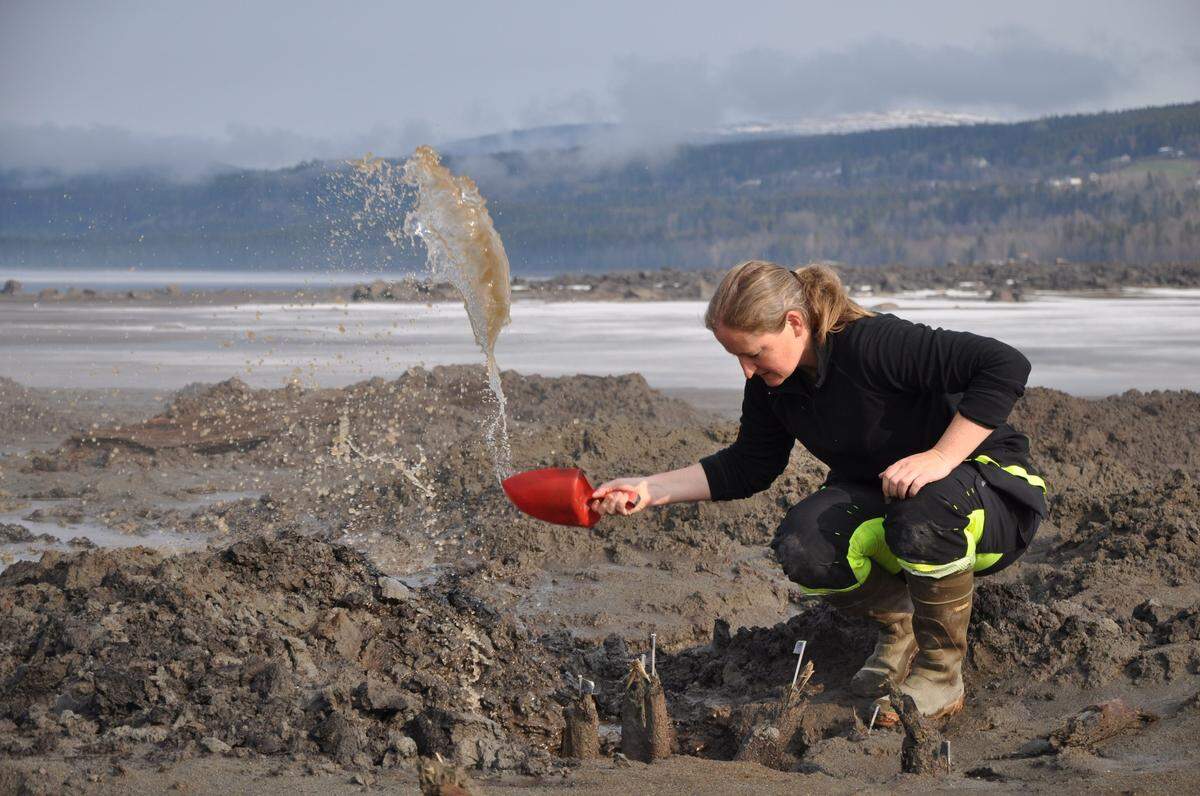
Based on the tree ring patterns in the posts, officials concluded the trap was established by 1297 and repaired every five years until 1343 when it was abandoned. Archaeologists linked the end of the fishing trap’s use to the Black Death which struck Norway in 1349.
After the Black Death, traces of fishing in the Nord Mesna area vanished for about 300 years, officials said. Kattise-style traps were eventually reintroduced in the 1650s by immigrants from Finland.
Archaeologists offered two possibilities for why the fishing trap was abandoned after the Black Death: either the plague killed so many fishermen that the survivors could not continue operating the fish trap, or the plague killed so many farmers that the survivors simply took over their land.
Photos shared by the county on Facebook in 2021 show the fishing trap at low water levels and during excavations.
The 650-year-old fishing trap turned out to be more rare and unique than initially thought, archaeologists said.
Nord Mesna lake is in southern Norway and a roughly 100-mile drive north of Oslo.
Google Translate and Facebook Translate were used to translate the news release and Facebook posts from the Innlandet County Municipality.
This story was originally published May 17, 2024 at 8:58 AM with the headline "Posts in lakebed turn out to be 650-year-old trap abandoned after Black Death. See it."