Road workers find stone and pottery — and reveal ancient settlements in Poland
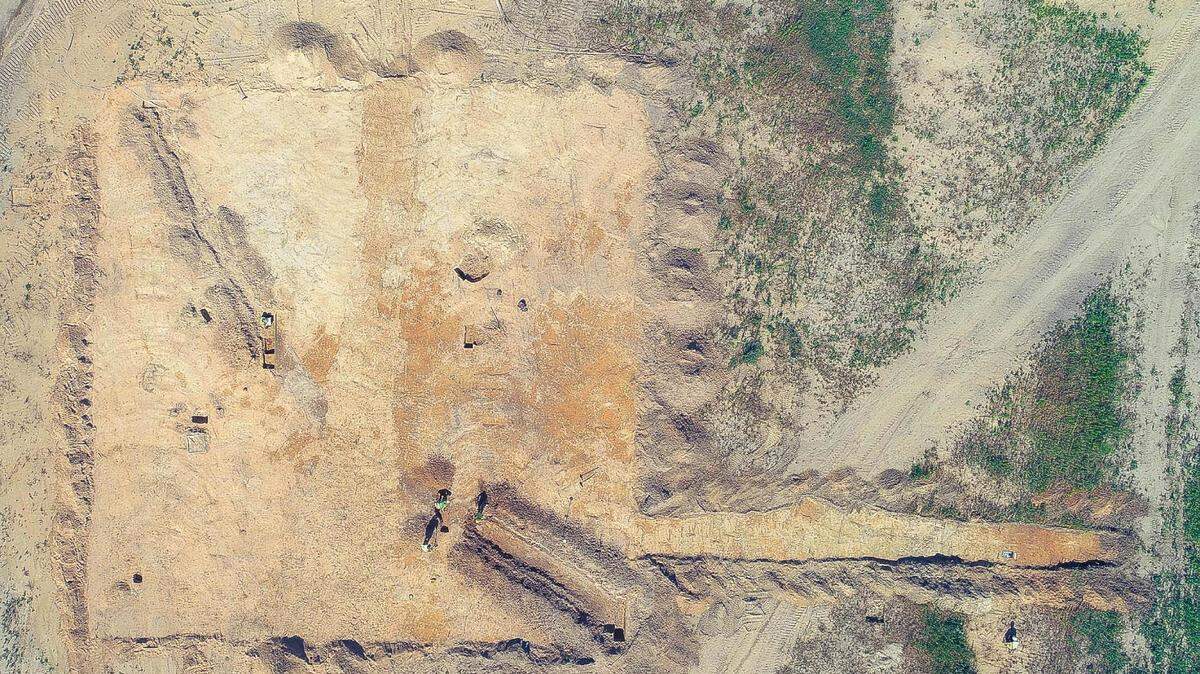
A massive expressway expansion project in Poland was halted when archaeologists dug down into the sand and found something solid — and ancient.
The teams were in Jawiszowice, a town along the Vistula River, when their equipment plunged into the sand dunes lining the floodplain, according to an April 23 news release from the General Directorate for National Roads and Motorways, Generalna Dyrekcja Dróg Krajowych i Autostrad (GDDKiA).
Instead of clearing the sand, archaeologists found stone, and an excavation of the site began.
The researchers found six deep storage pits built down into the dune, which likely served as cellars, according to the GDDKiA.
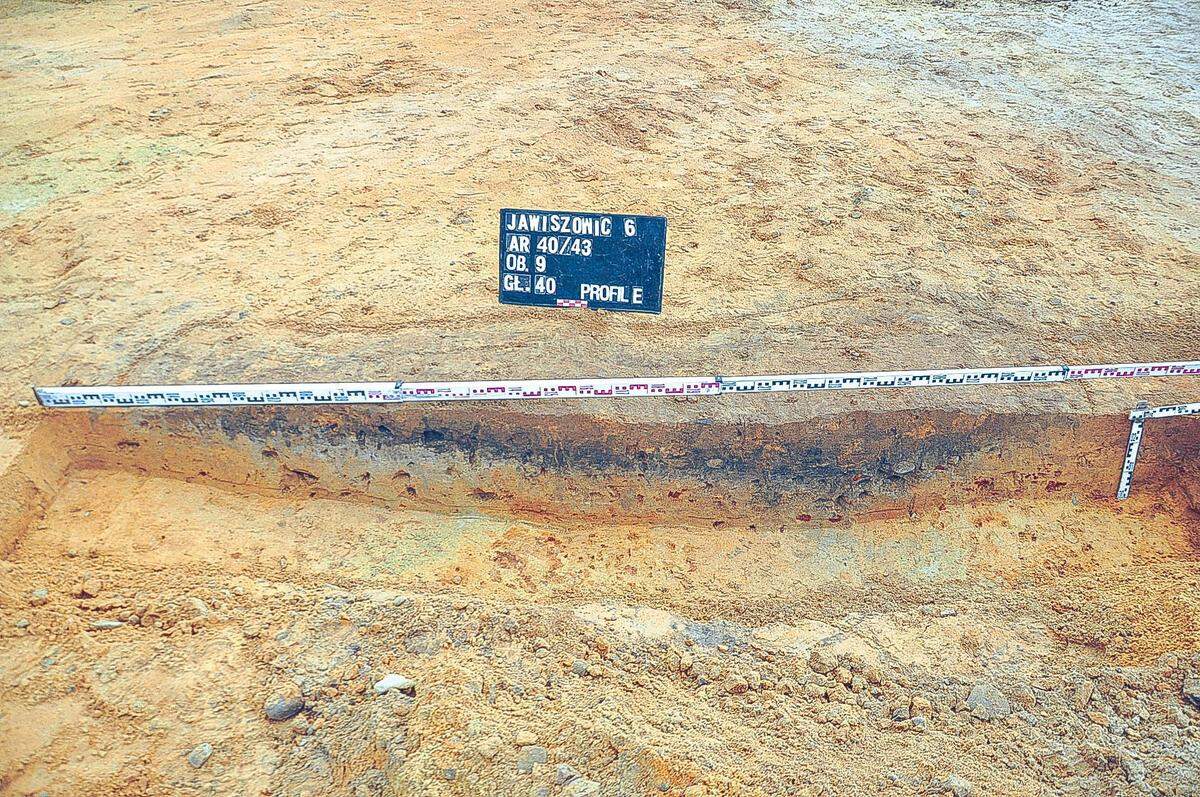
They also found two post holes, the stone fittings where wooden poles would have been anchored to hold an above structure, according to the release. The structures were no longer present, the researchers said.
It is believed to belong to an ancient settlement from the Lusatian culture, the GDDKiA said, dating from the Bronze Age to the early Iron Age, about 1100 B.C. to 400 B.C.
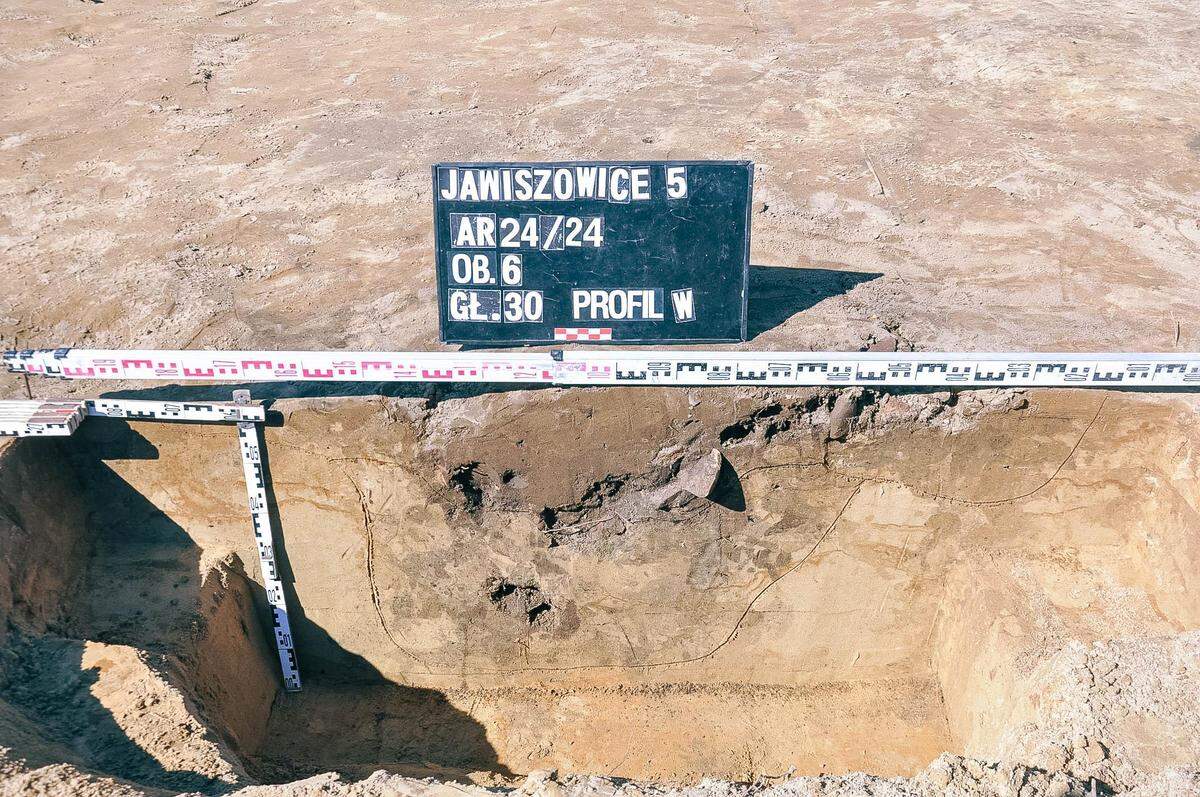
Just a few hundred meters away from the first site, archaeologists found the remains of a second settlement, and it was much older.
Dating from the Mierzanowice culture, about 2300 B.C. to 1800 B.C., the archaeologists found three more post holes, two cellars and a ditch, according to the GDDKiA.
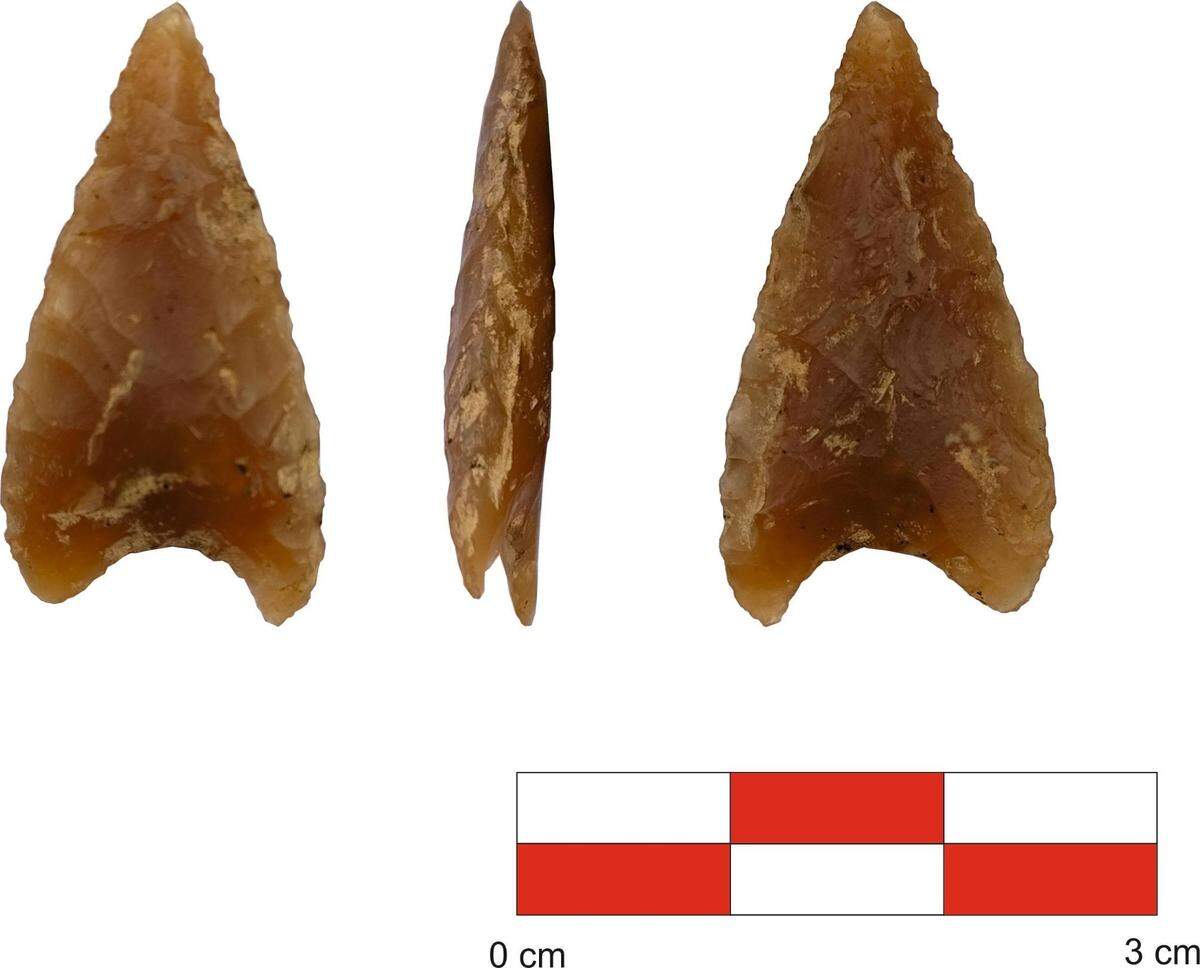
At both sites, the researchers also uncovered fragments of pottery, shards of flint and flint arrowheads, according to the release.
A similar discovery was announced by the GDDKiA earlier this month when a historic fortress was discovered outside Kraków during another roadway expansion project, McClatchy News reported.
Jawiszowice is in southern Poland, about 50 miles west of Kraków.
Google Translate was used to translate the news release from the Generalna Dyrekcja Dróg Krajowych i Autostrad.
This story was originally published April 23, 2024 at 3:19 PM with the headline "Road workers find stone and pottery — and reveal ancient settlements in Poland."