
Divers uncover trove of precious cargo in 1,500-year-old shipwreck in the Aegean Sea
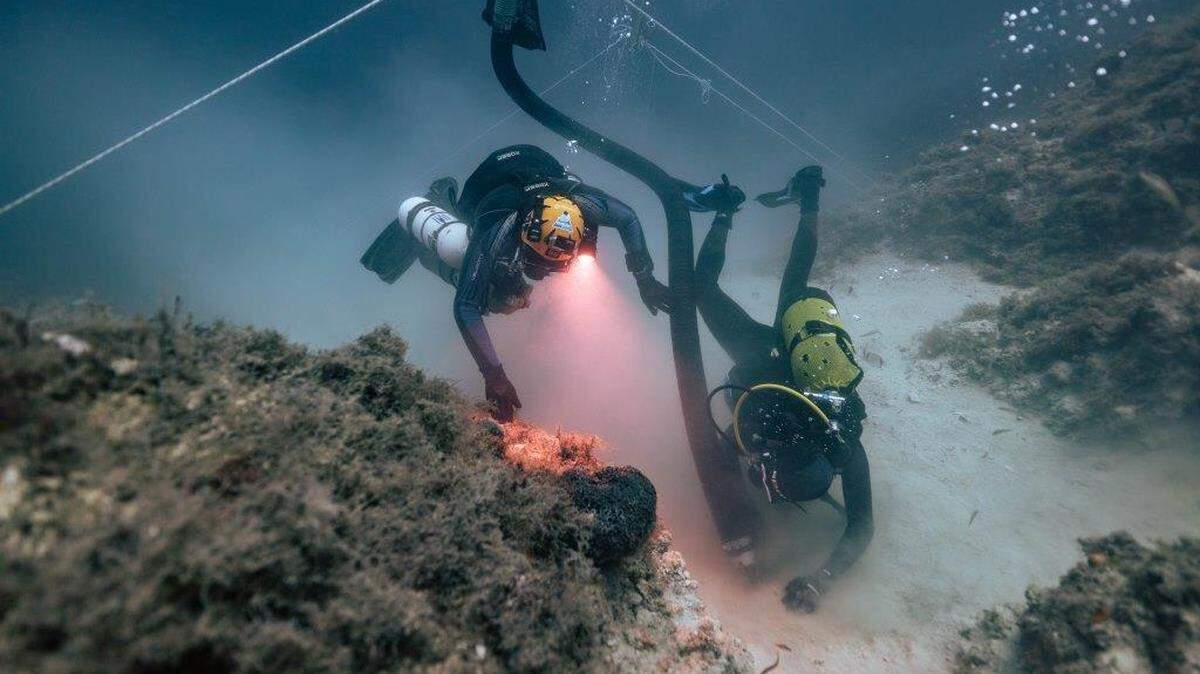
The weather was bad — less than ideal for diving. But the group kept going. In September 2023, a team of 30 divers did 170 underwater missions in two weeks amid inclement waters in the Aegean Sea.
They were a Marine Archaeological Research team diving in the Fourni archipelago, off of Greece, home to one of the largest concentrations of shipwrecks in the world, according to RPM Nautical Foundation.
This was the 8th excavation period for this shipwreck, located on a particularly treacherous incline that was – over time – causing the wreck to become covered in sediment, according to a March 22 news release from Greece’s Ministry of Culture.
In two weeks, the group removed over 529 cubic feet of sediment from the wreck. Beneath the sediment awaited a trove of precious objects from the Byzantine Empire 1,500 years ago.
They uncovered eight different types of amphorae, large, two-handled terracotta vases that were once used to ferment, age and transport wine. The amphorae were from several ancient nations that used to line the Black Sea – Crimea, Sinope and Heraclea Pontica.
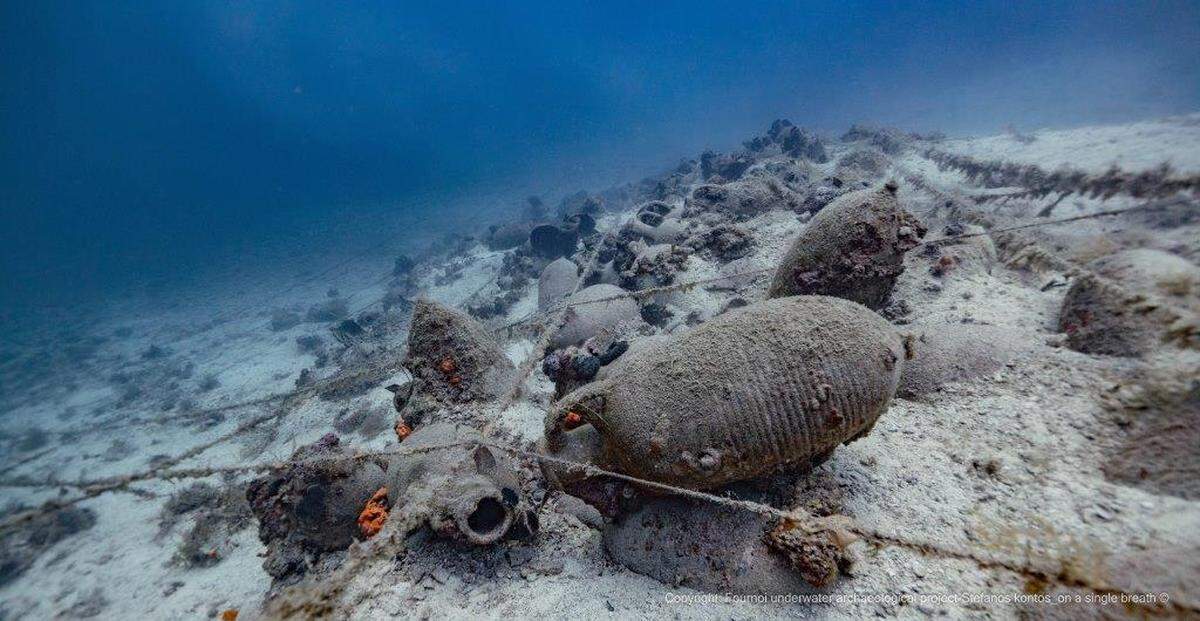
In the collection was also tableware and ceramic pottery.
From the pottery in particular, researchers were able to confidently conclude that the timing of the wreck coincided with the reign of Byzantine Emperor Anastasius in the late 400s and early 500s AD. Anastasius’ legacy is of financial reforms, according to the Bryn Mawr Classical Review. He is remembered for leaving the empire with a more stable government, an improved monetary system and a well-filled treasury, paving the way for further progress after he died in 518.
Although the wreck’s artifacts were abundant, it was clear to the team that the ship had lost some cargo during its sinking.
While the group’s focus was on this wreck, the primary site lay next to several other shipwrecks. The September dives uncovered artifacts from these as well.
The 170 dives were not only a feat of discovery but also of collaboration, bringing together 30 divers from different specialties, including archaeologists, architects, antiquities conservators, professional divers, photographers and students, according to the release.
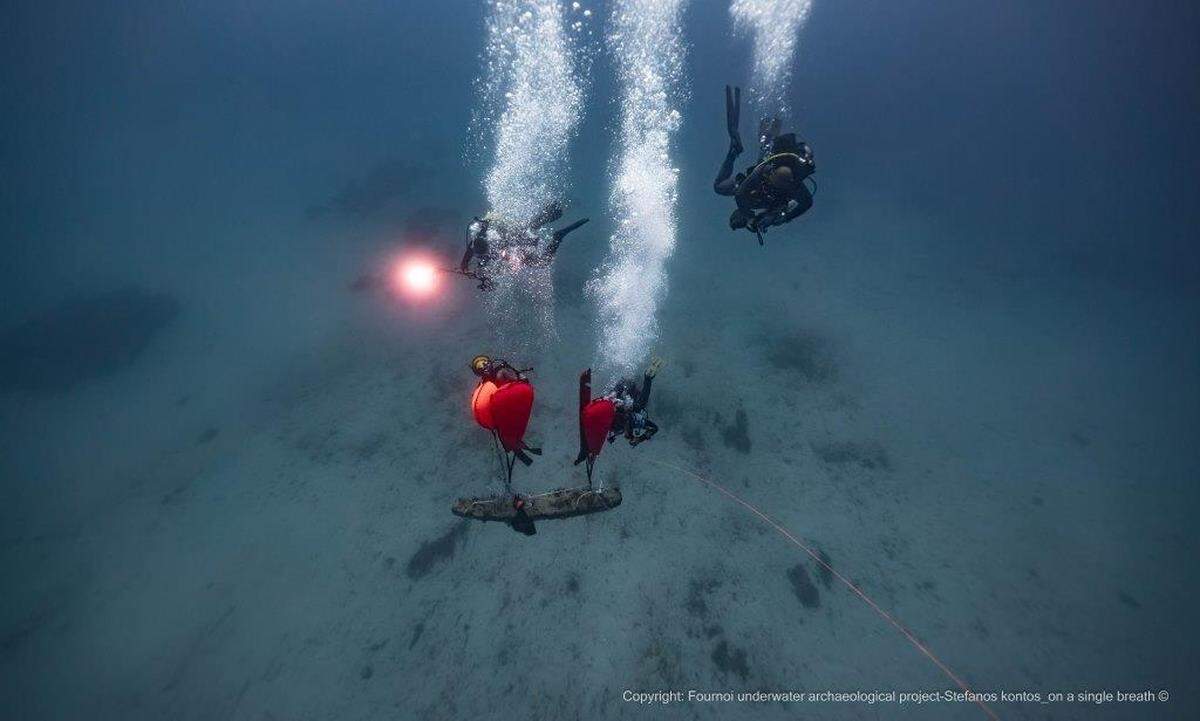
The group’s findings add to the mass of artifacts uncovered in the Fourni archipelago. According to RPM Nautical, since its discovery in 2015 and 2016, this massive ship graveyard has given people worldwide a richer view into trade customs, technology and culture from over a millennium ago.
Google Translate was used to translate the news release from the Greek Ministry of Culture.
This story was originally published March 26, 2024 at 5:42 PM with the headline "Divers uncover trove of precious cargo in 1,500-year-old shipwreck in the Aegean Sea."