‘Spectacular’ ancient burials — with 5,000-year-old chariot grave — found in Germany
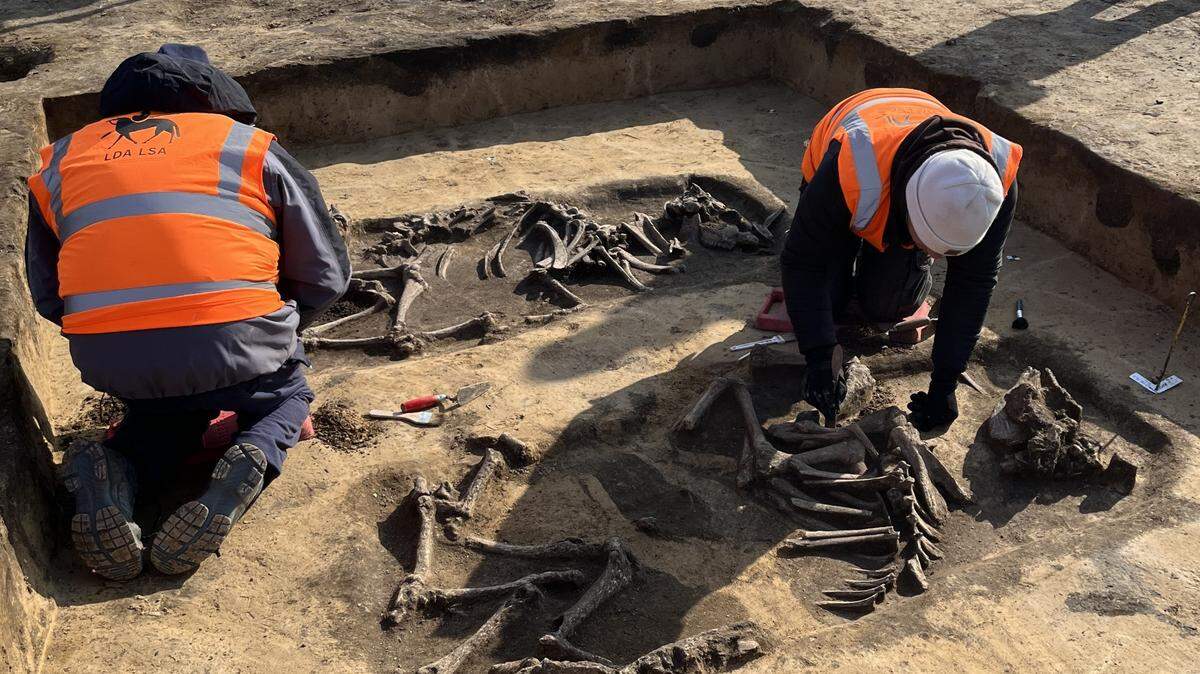
For thousands of years, a hill in Germany sat undisturbed. The hill was “not particularly high,” yet provided a seemingly natural break in an otherwise lowland area.
When archaeologists dug into the mundane-looking mound, it turned out to be something else entirely.
Archaeologists excavated a large swathe of land near Magdeburg ahead of the construction of an industrial park by Intel, the United States chip manufacturer, the State Office for Heritage Management and Archaeology Saxony-Anhalt said in a March 15 news release.
Excavations revealed a “spectacular” ancient burial ground, archaeologists said.
The oldest burials — two “monumental mounds” — dated back 6,000 years. The mounds contained “large trapezoidal wooden burial chambers” with several graves that were then covered with dirt, archaeologists said.
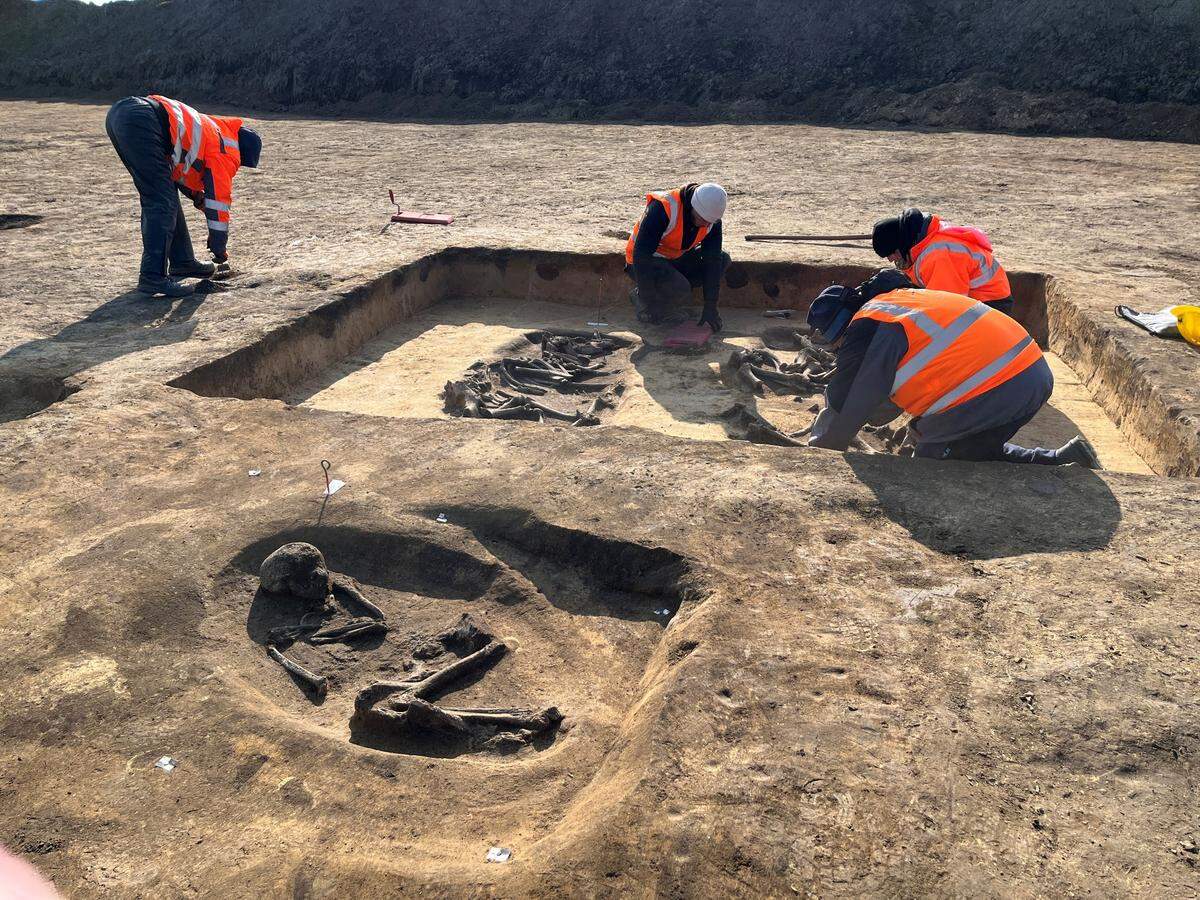
In between the 6,000-year-old mounds, archaeologists identified a parade route. The “processional route” was used about 5,000 years ago as a place “where cattle were sacrificed and people buried.”
One of these 5,000-year-old burials was identified as a “chariot grave,” archaeologists said and a photo shows. A man between 35 and 40 years old was buried in front of two cattle, “creating the image of a cart with a driver or a plow pulled by cattle.”
Archaeologists also found a ditch dug along the parade route and several burial mounds from roughly 4,000 years ago.
“The landscape obviously remained important for prehistoric people over a long period of time,” archaeologists said. They described the site as “complex” and “astonishing.”
The ancient burial site was found near Magdeburg, a city about 100 miles west of Berlin.
Excavations at the site are ongoing and scheduled to end in April, officials said.
This story was originally published March 18, 2024 at 11:27 AM with the headline "‘Spectacular’ ancient burials — with 5,000-year-old chariot grave — found in Germany."