Mass graves of Black Death victims found in Germany. See the gruesome ‘surprise’
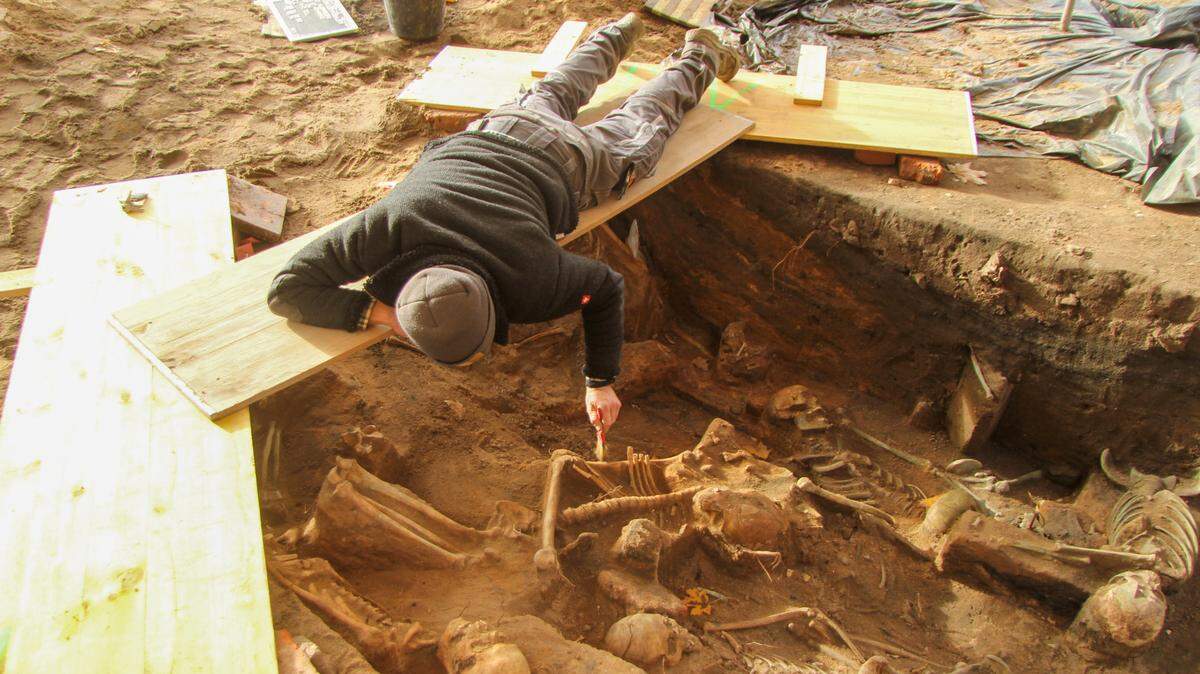
A group of archaeologists was exploring a site in Germany, checking for any potential discoveries before an apartment complex was built there.
The team of experts discovered “small remains” of a fortification dating to about 1634 A.D. Then, they found “the real surprise.”
In the northern half of the site, archaeologists found “eight mass graves of two separate events of the Black Death,” according to a news release from In Terra Veritas. The burials held “more than a thousand skeletons of Plague victims” and include potentially “the largest mass grave ever excavated in Europe.”
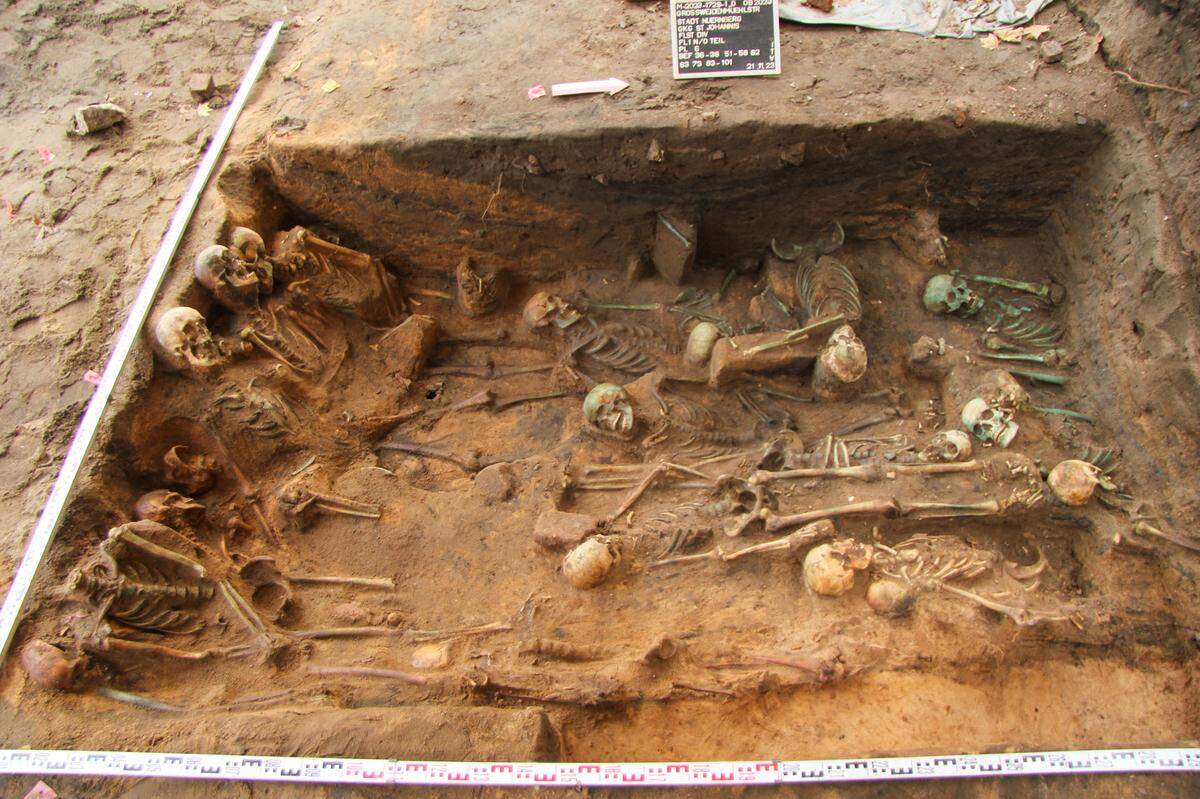
The eight burials can be divided into two groups, experts said.
The first group of graves is covered with a layer of sand, which was likely soil dug out to construct the building from 1634, dating the burials to before the fortification. The second group of graves appears to date to “slightly” more recently.
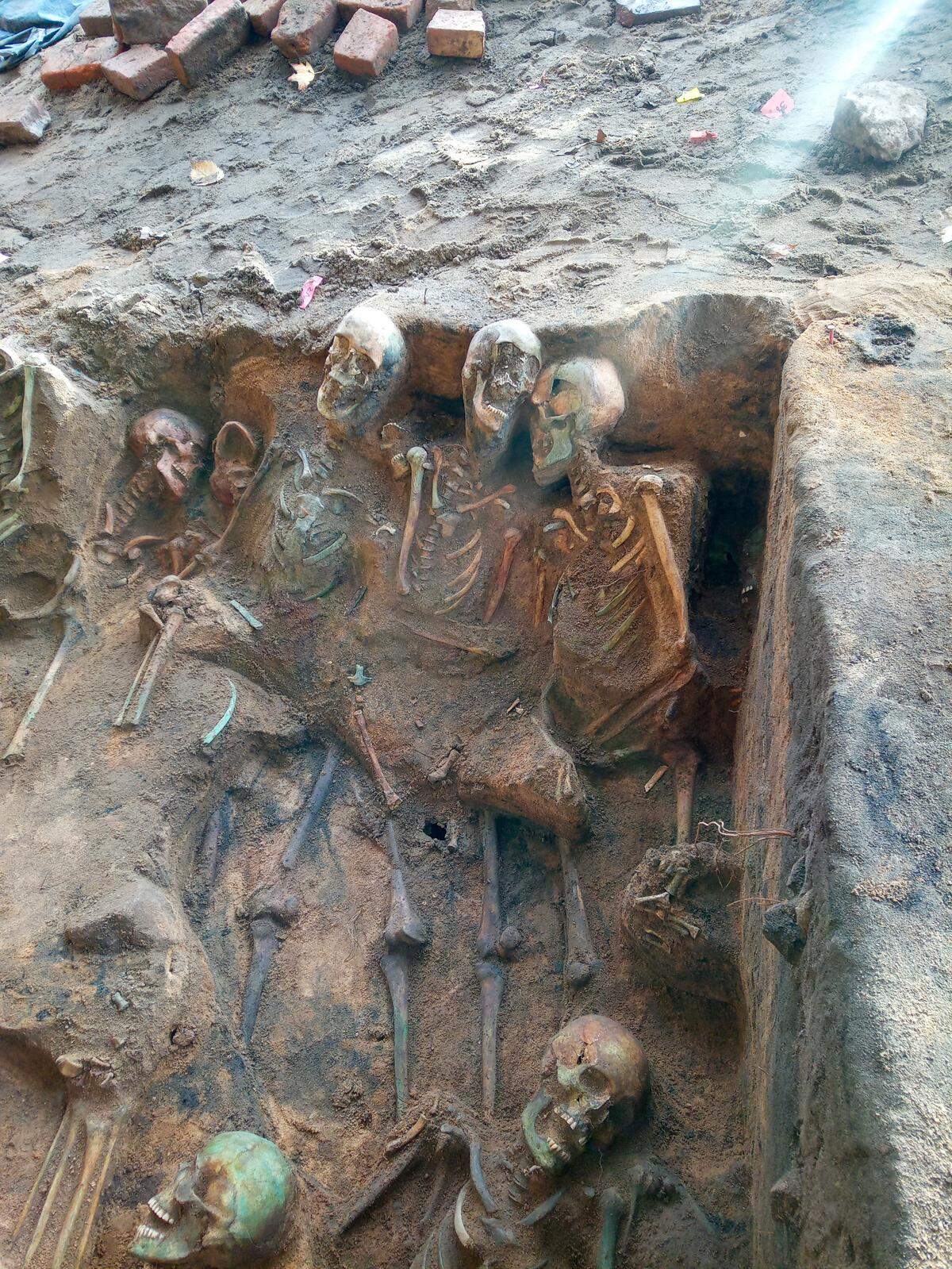
Archaeologists have only fully excavated one of the graves, and they partially excavated two of the graves that were partly on the site.
Within the burials, the team unearthed troves of green bones and skeletons — the remains were tinted green in the centuries following their burial when metal processing factories were built atop the graves.
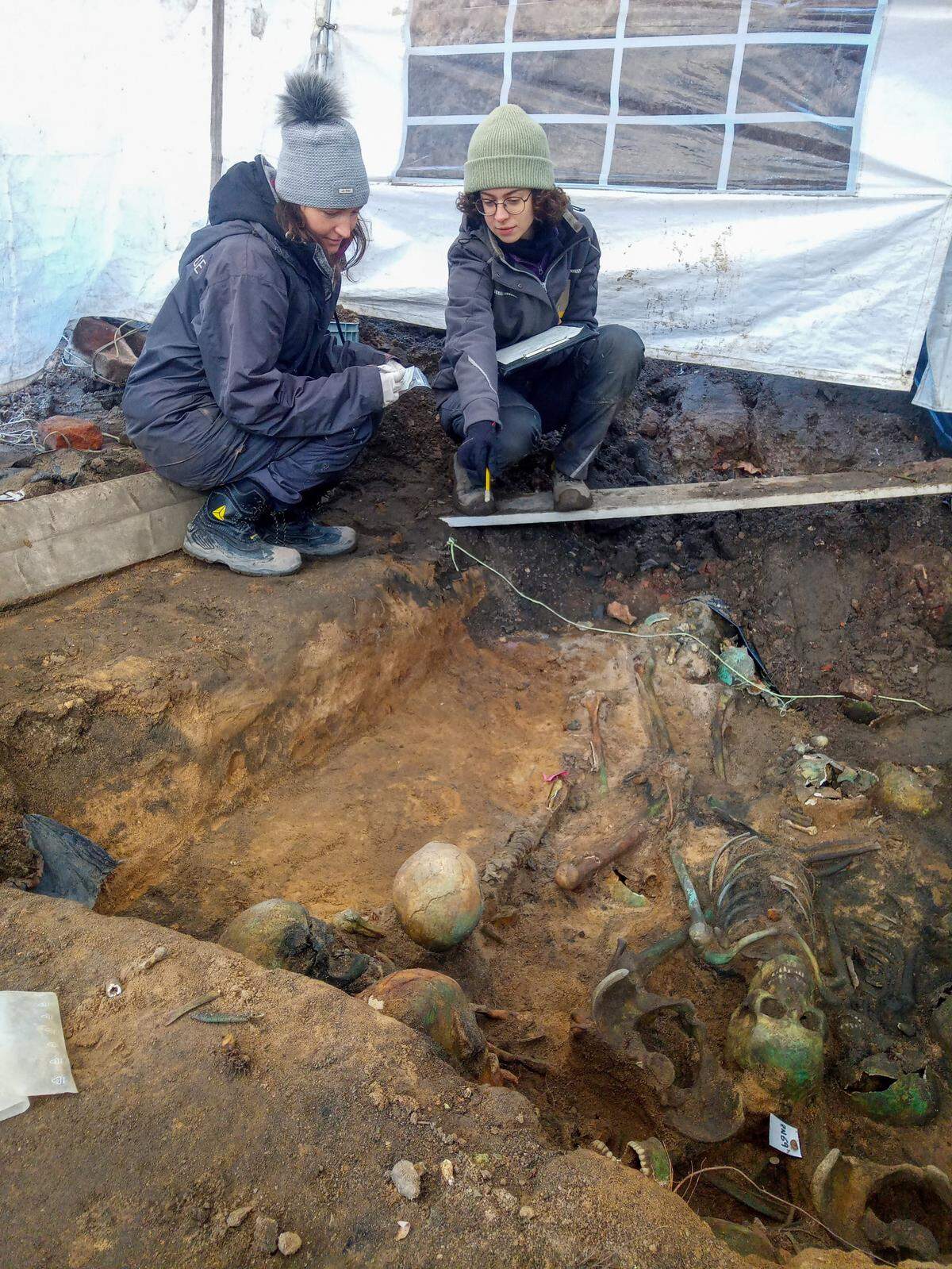
All three of the excavated graves were tightly packed with skeletons of varying ages, researchers said. Adults were placed in sitting positions or lying on their sides and backs. In the spaces between adult remains, babies and infants were placed.
The remains were in good condition, according to anthropologist Florian Melzer.
“We can now detail out all information that is kept in those bones, e.g. the prevalence of different kinds of cancer, genetic mutations that show in skulls, age and sex determination, status of the teeth and conclusions from that to the general health and life circumstances in this period,” Melzer said in the release.
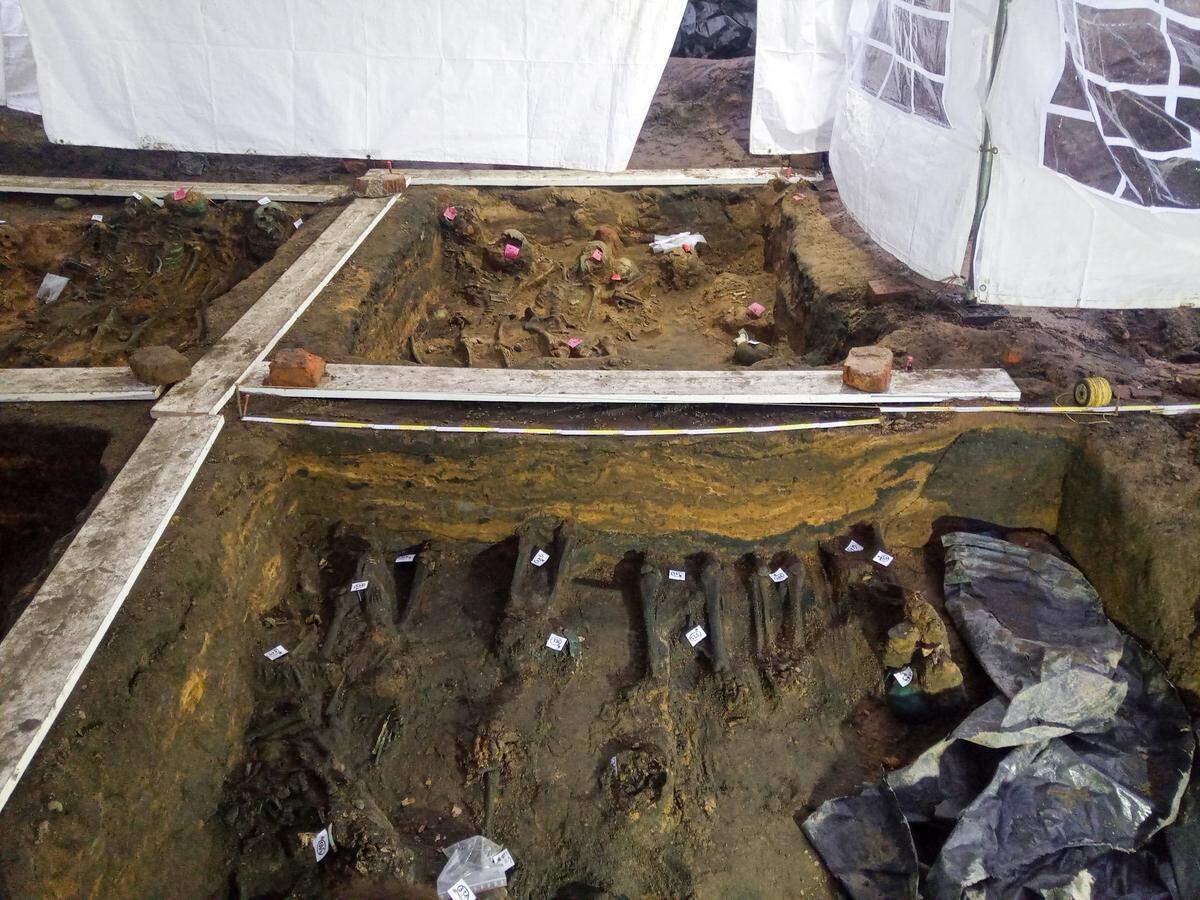
Archaeologists excavated 500 skeletons from the three burials, but they said there were more remains when the burials were first made. Bodies had been removed from one of the graves, while another was damaged by the shockwaves of a bomb in 1945.
The team expects the number of bodies “to rise to about 1,000 to 1,500,” they said.
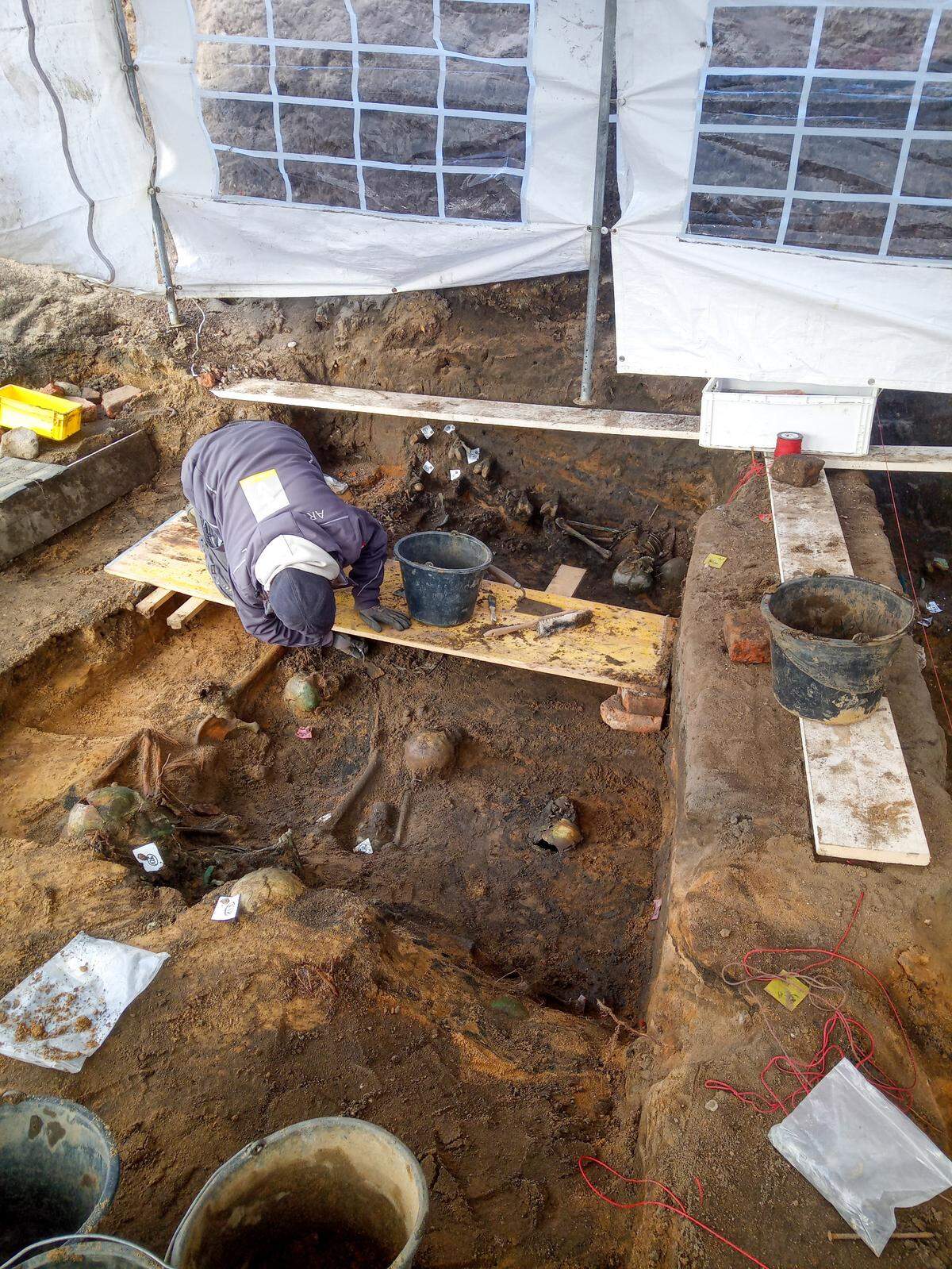
Experts are still working to determine the specific ages of the burials.
The older group of burials roughly dates to between 1622 and 1634, which corresponds to a Black Plague epidemic, researchers said. The disease was a “reoccurring epidemic in Europe” from the mid-14th century until the 19th century.
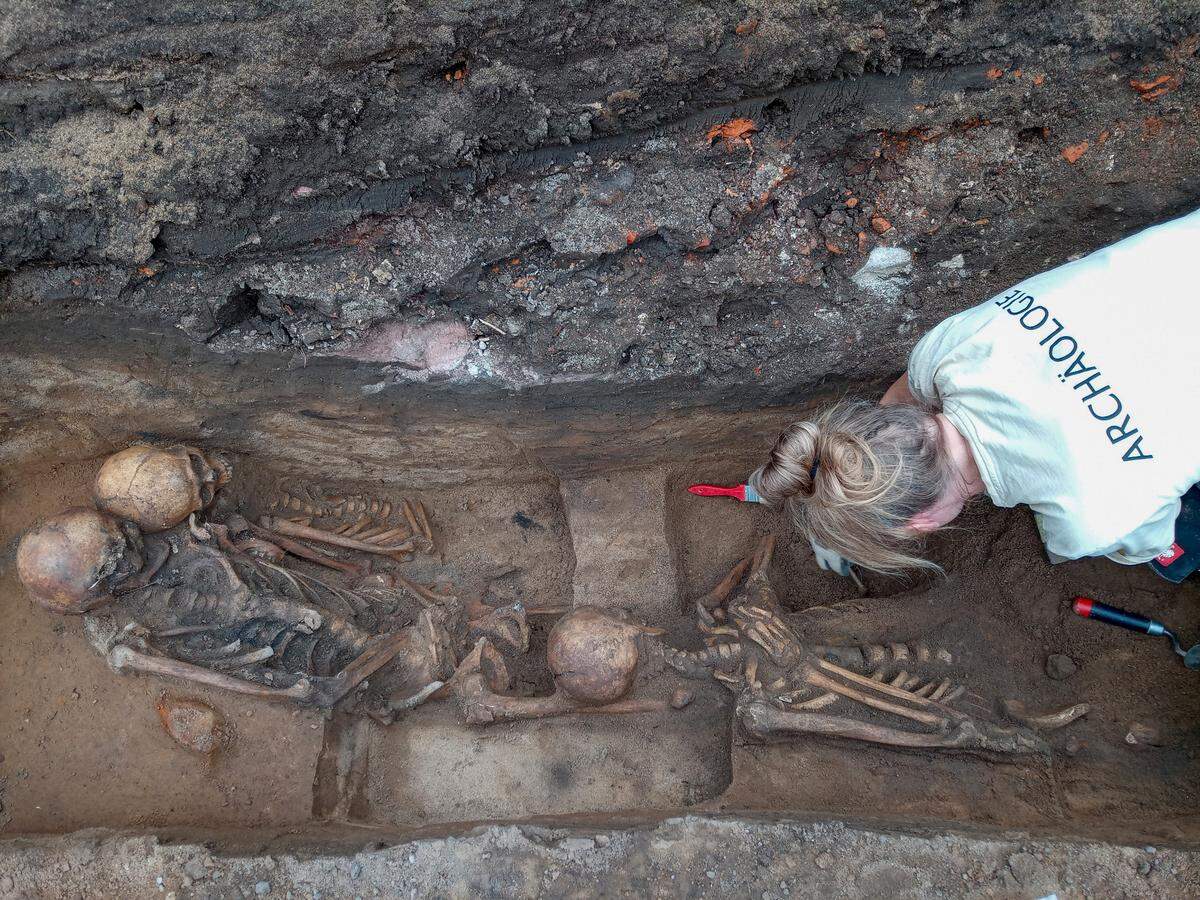
In Nuremberg, there were three major outbreaks in 1553, 1563 and 1634, according to experts.
“The huge amount of bodies could no longer be buried properly on the churchyards, so authorities fell back on an emergency procedure: mass graves were dug out in the vicinity of said churchyards,” they said.
The discovery is the largest of its kind in Germany — and possibly in Europe.
“This site has been and continues to be a challenging project with very complicated stratigraphic composition. It is a thrilling experience and a once in a lifetime opportunity,” Julian Decker, the head of the excavation and CEO of In Terra Veritas, said in the release.
Nuremberg is in southern Germany.
This story was originally published February 20, 2024 at 5:50 PM with the headline "Mass graves of Black Death victims found in Germany. See the gruesome ‘surprise’."