Viking ruins hid beneath farmland for at least 900 years. Now, experts have found them
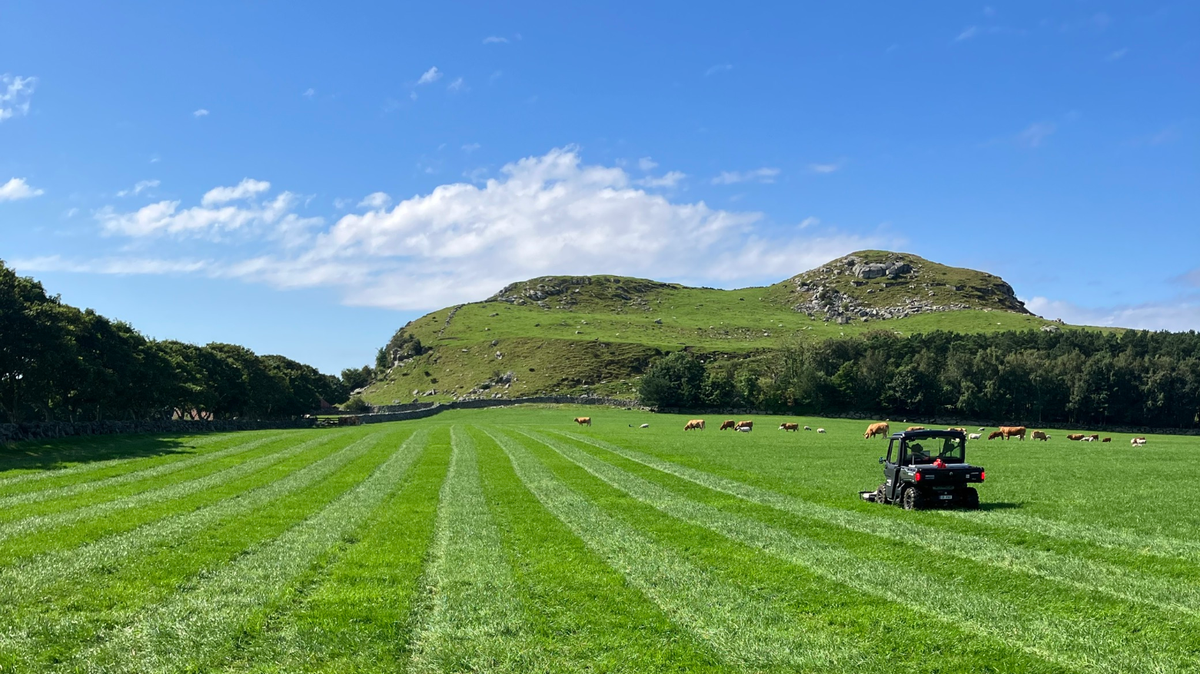
A small vehicle shuttled through an expansive, bright green field. From a distance, the vehicle, which resembled a golf cart, looked like nothing more than a means of transportation — but it was actually doing much more.
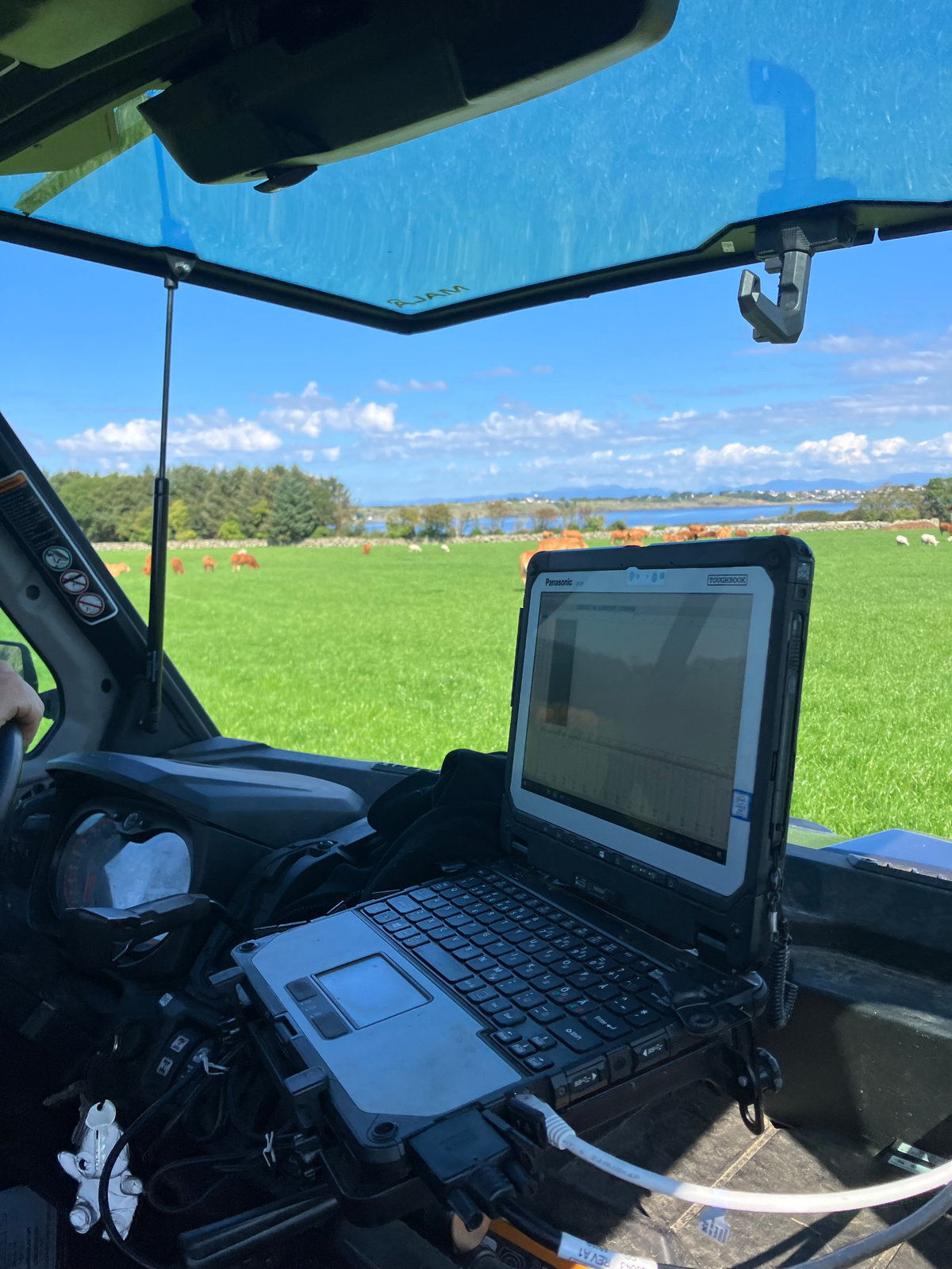
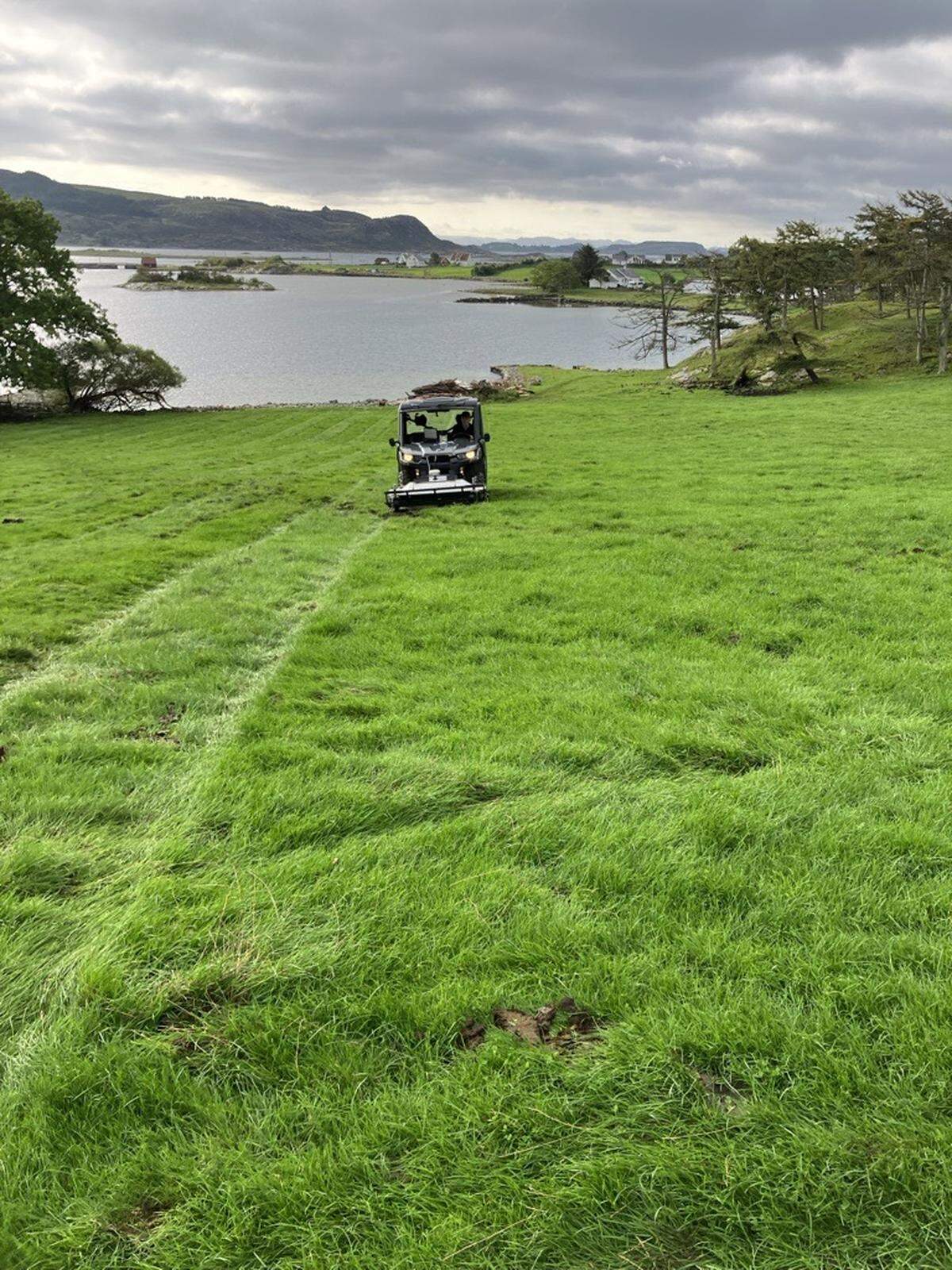
The vehicle was actually equipped with georadar tools and manned by archaeologists. As it drove through the sprawling farmland, it was sending signals into the ground in search of any ruins buried beneath the field.
Archaeologists were searching the area, part of a historic farm on the island of Klosterøy, according to a Feb. 4 news release from the University of Stavanger (UiS). They were searching for ruins left by Vikings after several metal detector finds in recent years unearthed objects related to trade, including weights and coins.
After scanning the farmland in September, experts learned that a collection of ancient structures are hidden underground, the university said. Archaeologists have so far identified pit houses and three pier or boathouse foundations.
The pit house remains are typical of Scandinavian settlements from the Viking Age — which lasted from about the ninth century until the 11th century. Experts said these ruins typically include the remains of a floor surface, post holes or fireplaces.
Pit houses are often linked to workshops, but archaeologists said they have also found evidence of burial mounds, cooking pits and agricultural remains in their examination.
The georadar data also revealed several man-made burials, according to experts. They are large pits similar in shape and size to pits found at other Viking sites in Norway.
Researchers said their discovery indicates the site was likely a marketplace or trading center used by the Vikings.
While the georadar surveys provided archaeologists with valuable insight, they cannot confirm with certainty that the ruins belonged to a marketplace without traditional excavations, the university said.
Klosterøy is an island off the southeast coast of Norway.
Google Translate was used to translate a news release from UiS.
This story was originally published February 5, 2024 at 4:33 PM with the headline "Viking ruins hid beneath farmland for at least 900 years. Now, experts have found them."