‘Incredibly rare’ ancient Roman bed uncovered in London. See the ‘extraordinary’ find
Underneath the bustling center of London sat an “incredibly rare” piece of furniture. For centuries, the ancient treasure went unnoticed. Not anymore.
Archaeologists in the United Kingdom began excavations near Holborn Viaduct to prepare for the construction of an office building, the Museum of London Archaeology said in a Feb. 5 news release shared with McClatchy News.
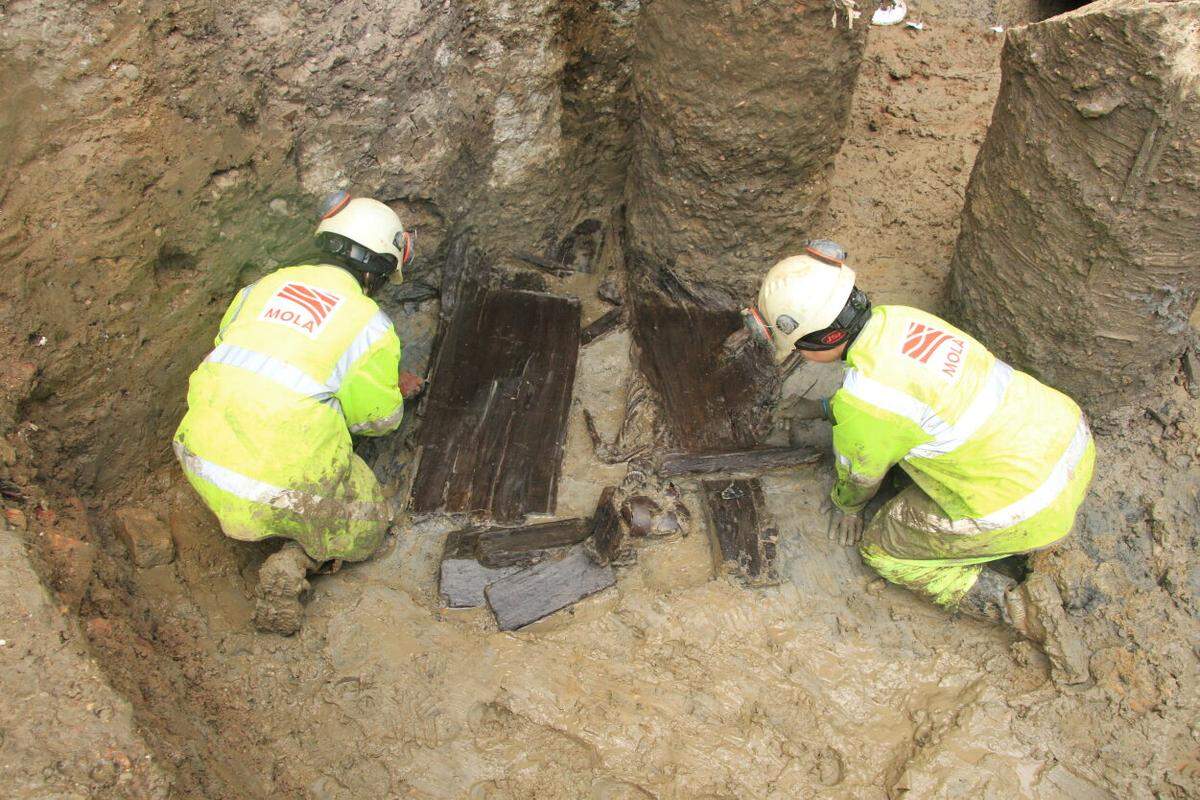
Digging into the “damp mud,” archaeologists uncovered an ancient Roman cemetery with five wooden coffins and a “complete” wooden funerary bed, the museum said.
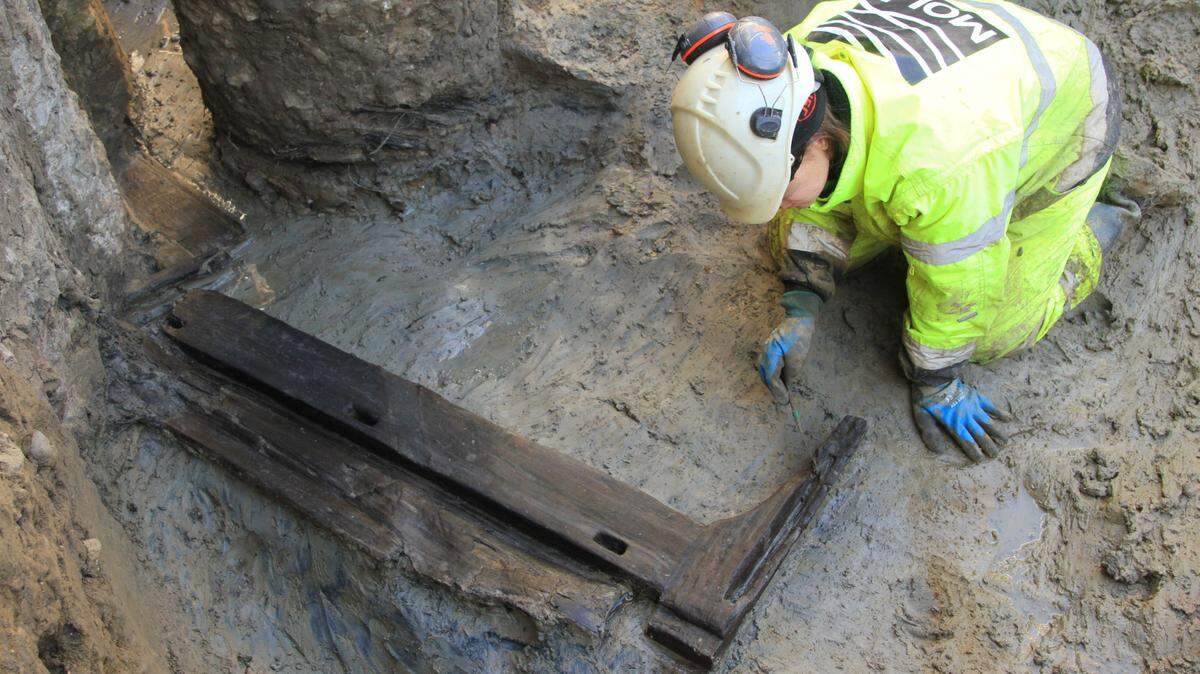
The nearly 2,000-year-old bed is “made from high-quality oak,” has “carved feet, and joints fixed with small wooden pegs,” archaeologists said. Photos show the partially buried bedframe and a reconstruction of what it might have looked like.
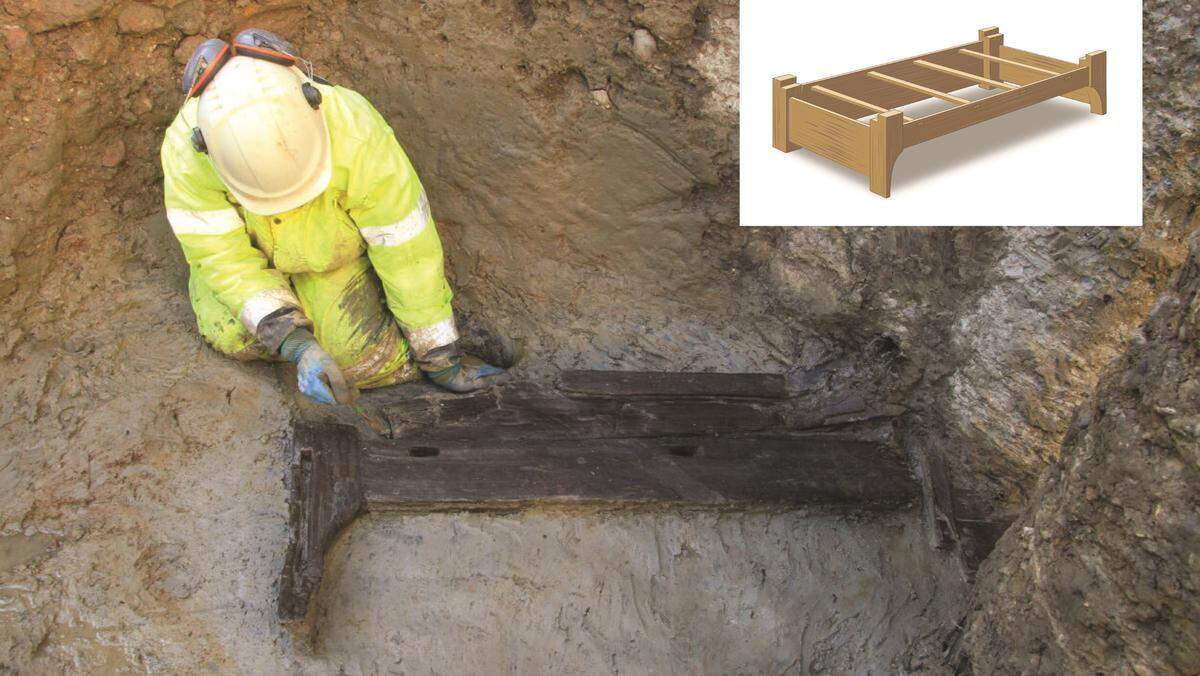
The ancient bed was “dismantled prior to being placed within the grave but may have been used to carry the individual to the burial and was likely intended as a grave good for use in the afterlife,” archaeologists said.
Funerary beds are known from depictions “across the Roman world,” the museum said. This bed, however, “is the first complete example ever discovered in Britain.”
Archaeologists described the ancient Roman bed and wooden coffins as “extraordinary” and “incredibly rare finds.”
“We know the Romans buried their dead alongside roads, outside of urban (centers),” Heather Knight, a project officer with the museum, said in the release. The site near Holborn Viaduct fit this pattern so “it was no great surprise to discover burials at this site.”
“However, the levels of preservation we’ve encountered — and particularly uncovering such a vast array of wooden finds — has really blown us away,” Knight said.
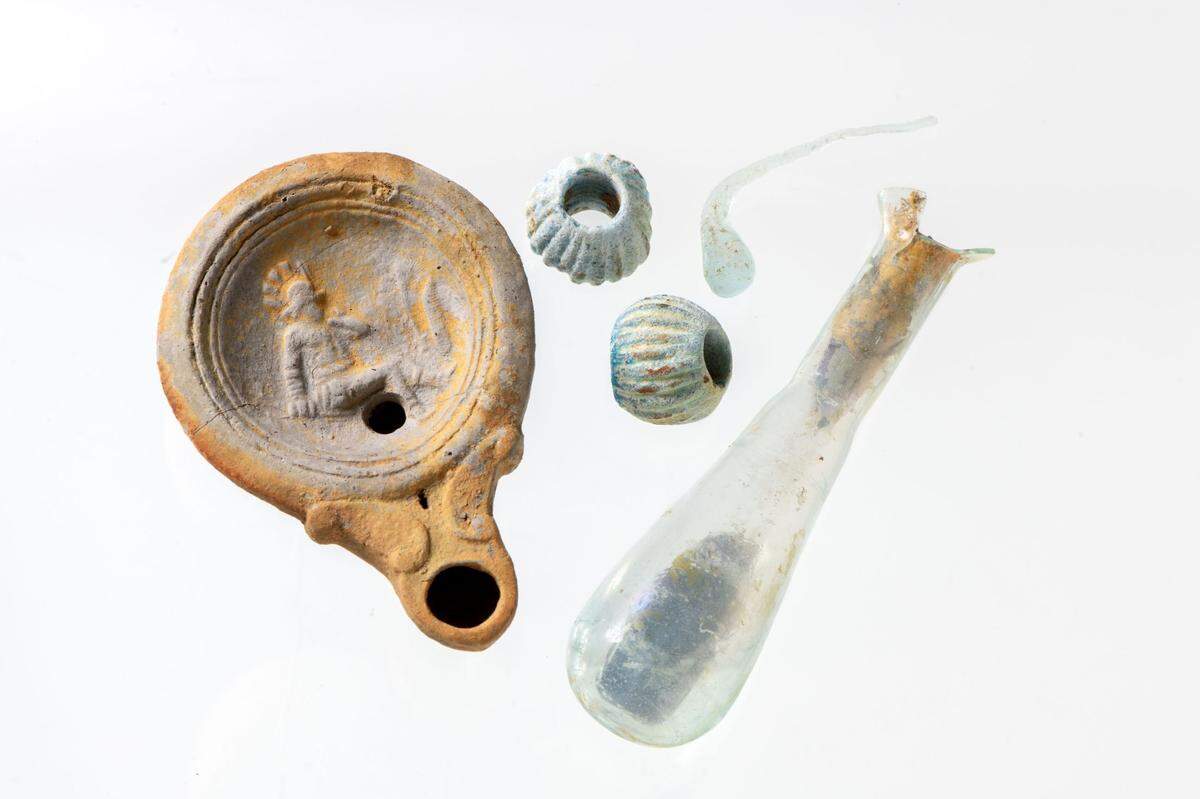
Excavations at the Roman cemetery also uncovered human remains, beads, a lamp and a glass jar, the museum said. A photo shows these smaller artifacts.
Archaeologists also unearthed more recent ruins at the site, including traces of a “medieval tanning workshop,” the museum said.
The ancient Roman empire invaded modern-day Britain in 43 A.D. and maintained control for about 400 years. The cemetery near Holborn Viaduct was used during this period.
Excavations are ongoing at the site and expected to finish in early 2024. Afterward, archaeologists will continue analyzing and conserving the finds.
The excavation site is near Holborn Viaduct in central London and about half a mile north of the Thames River.
This story was originally published February 5, 2024 at 5:01 AM with the headline "‘Incredibly rare’ ancient Roman bed uncovered in London. See the ‘extraordinary’ find."