8-eyed creature lurks in underwater nest to ambush prey on land. It’s a new species
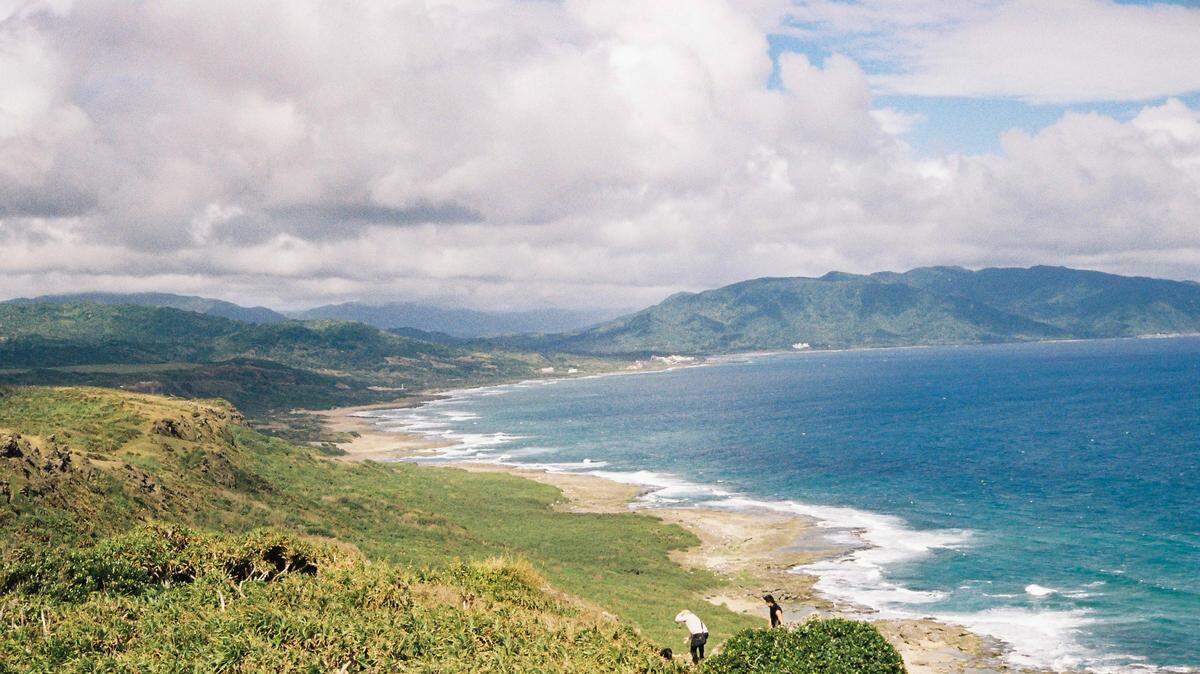
As night fell across Taiwan, the tide went out, exposing an eight-eyed creature’s home. The “cryptic” animal emerged from its no longer underwater nest and roamed the shore in search of its prey.
Nearby scientists spotted the nocturnal animal — and discovered something new.
Researchers captured five of these coastal spiders and, taking a closer look, realized they’d captured a new species: Idioctis parilarilao, or the Parilarilao trapdoor spider, according to a study published Oct. 6 in the Journal of Arachnology.
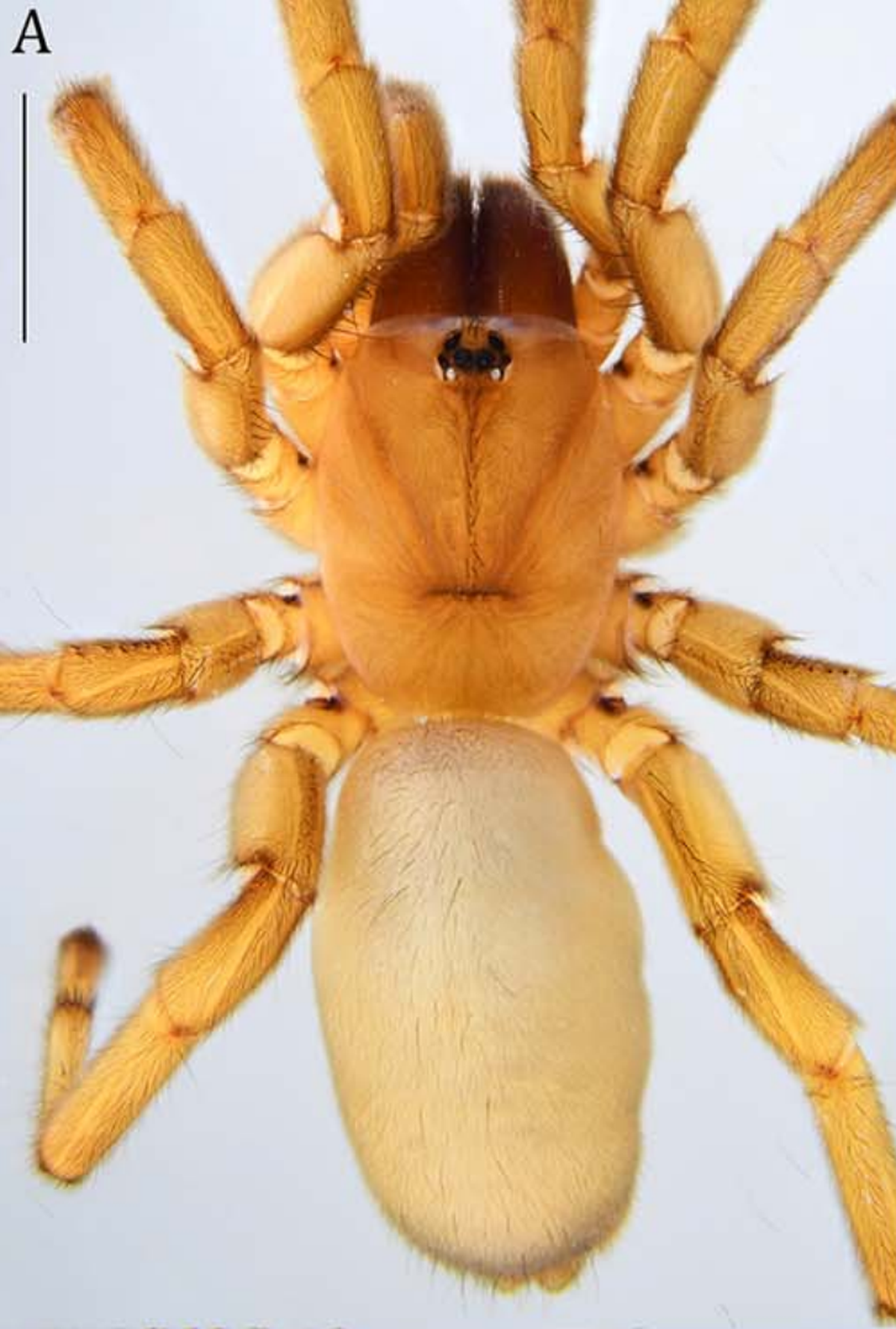
The Parilarilao trapdoor spider is considered “medium sized,” reaching about 0.5 inches in length, the study said. It has “eight eyes ringed with black,” claws and a brown, hairy body. Despite several searches, researchers found only female Parilarilao trapdoor spiders and don’t know what males look like.
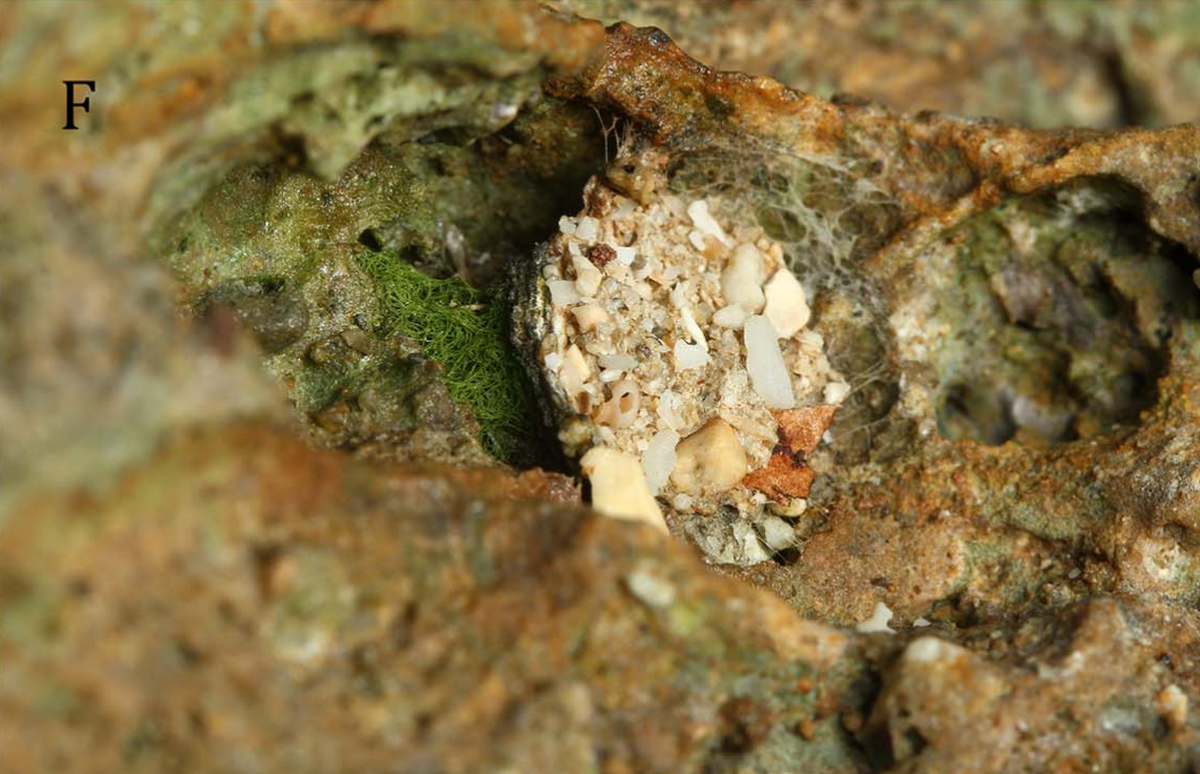
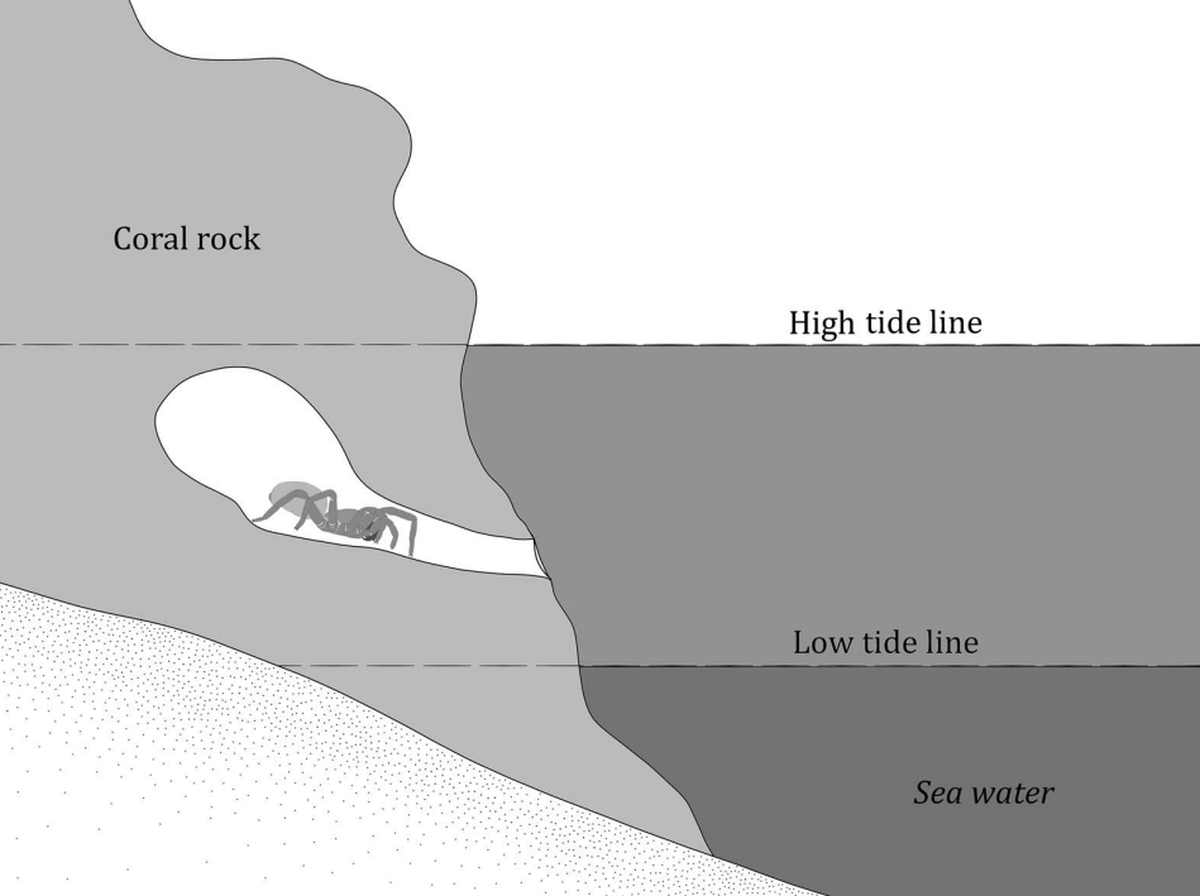
Parilarilao trapdoor spiders live in “tubular nests with trapdoors (that) are built on large coral rocks or cliffs,” the study said. These nests sit on the intertidal zone, meaning they are underwater at high tide but exposed during low tide.
To preserve air when underwater, the spiders’ nests are “connected to naturally formed chambers or crevices,” researchers said. The nest is closed by a watertight trapdoor, usually made of “coral sand, debris, and nearby algae” that blends into the shore.
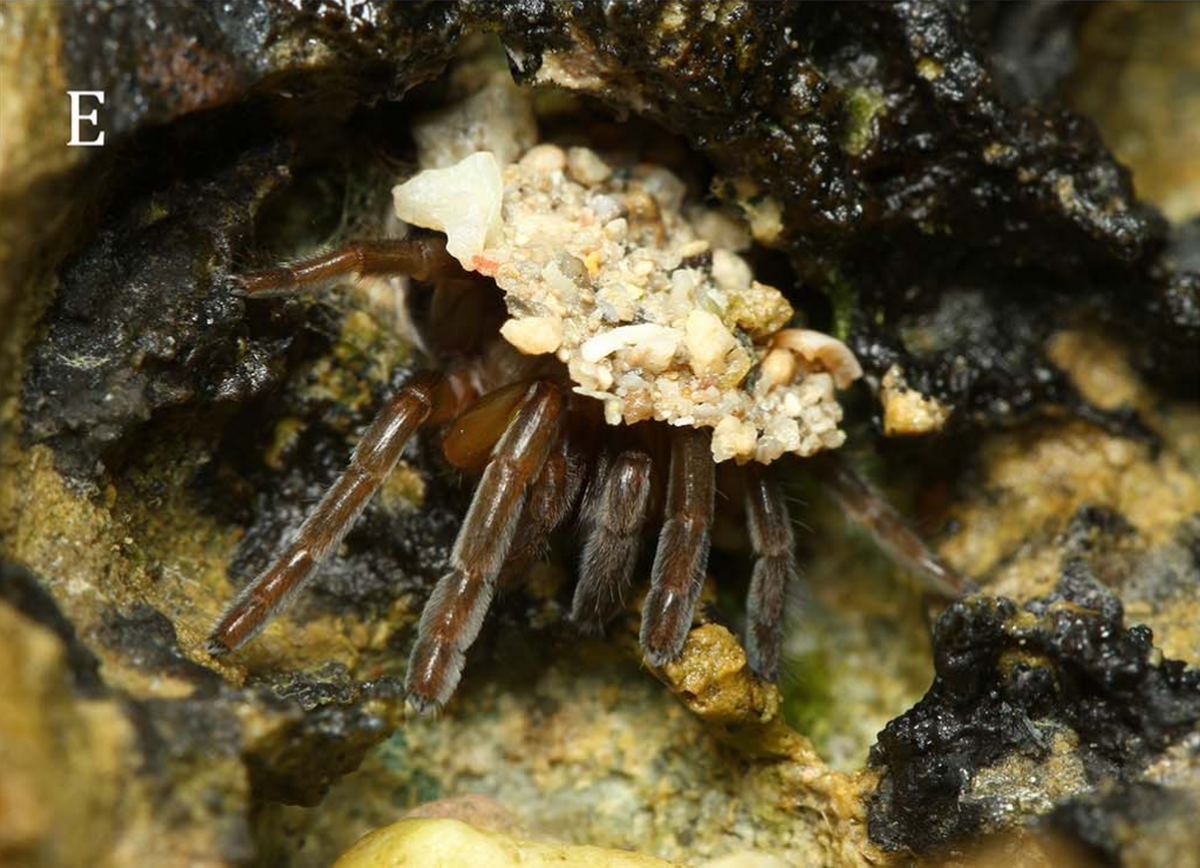
Photos show this camouflaged door and a Parilarilao trapdoor spider peeking out. A diagram shows where the spiders’ nest is located and how it’s structured.
During the nighttime low tide, Parilarilao trapdoor spiders emerge to hunt and ambush insects along the shore, researchers said.
By living in the intertidal zone, Parilarilao trapdoor spiders are one of the few spider species that have a part-aquatic and part-terrestrial lifestyle. “Most spiders are exclusively terrestrial with only some groups venturing into aquatic habitats, and only a handful of (spiders) colonizing the marine intertidal zone,” researchers said.
Researchers named the new species after the indigenous name for the area where it was first discovered. The new species has been found in Kenting, an area on the southern coast, and on Ludao, or Green Island, an island about 20 miles off the southeastern coast.
To protect the “unique” Parilarilao trapdoor spider, researchers did not provide details about its exact location, the study said.
The new species was identified by its habitat, location, body shape and DNA, the study said.
The research team included Kuang-Ping Yu, Ying-Yuan Lo, Ren-Chung Cheng, Robert J. Raven and Matjaž Kuntner.
This story was originally published October 20, 2023 at 1:47 PM with the headline "8-eyed creature lurks in underwater nest to ambush prey on land. It’s a new species."