Ancient finger painting? 57,000-year-old marks in cave are from Neanderthals, study says
Our closest extinct human relative, Neanderthals, roamed Europe and Asia until about 40,000 years ago.
Since their discovery in the 1800s, experts have understood Neanderthals as having limited capacity for thinking beyond staying alive. But a recent discovery is calling this idea into question.
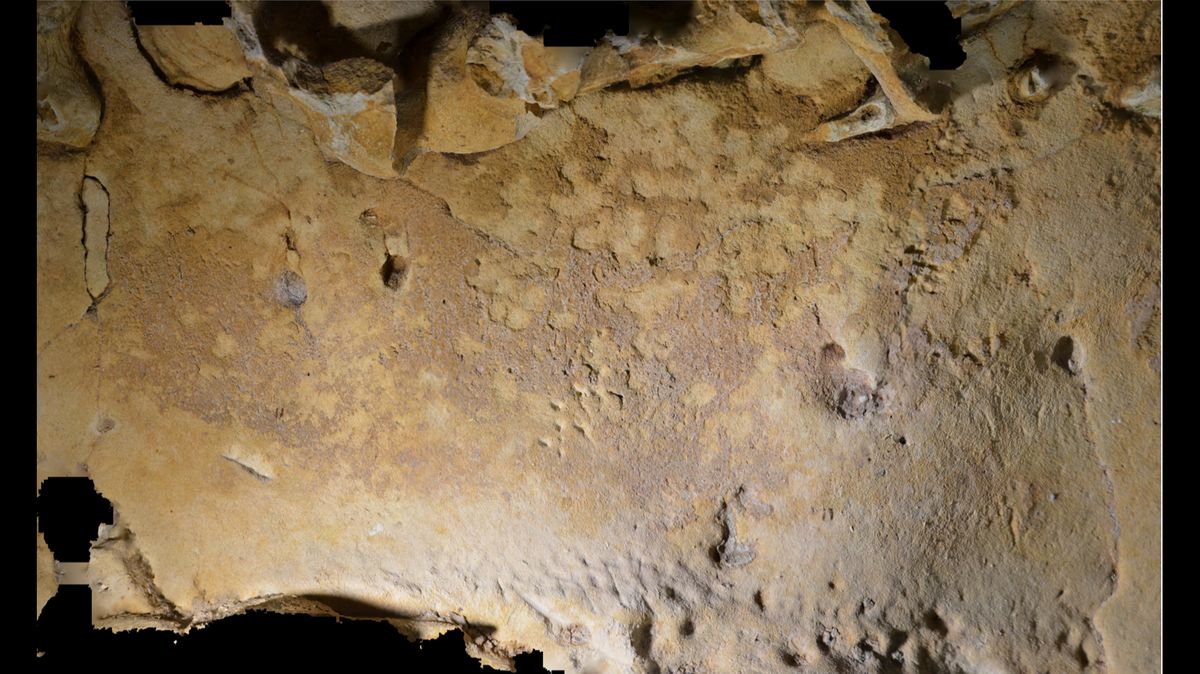
Scientists found the oldest known Neanderthal cave engravings — dating back at least 57, 000 years — inside a cave in France, according to a study published June 21 in PLOS One.
“For a long time it was thought that Neanderthals were incapable of thinking other than to ensure their subsistence,” archaeologist and study co-author Jean-Claude Marquet, of the University of Tours, France, told Smithsonian Magazine. “I think this discovery should lead prehistorians who have doubts about Neanderthal skills to reconsider.”
La Roche-Cotard
The engravings were discovered in La Roche-Cotard, an ancient cave that was first found in 1846, according to the study. Before then, the cave had been blocked by sediment for at least 51,000 years most likely preventing any access to the inside by modern people.
Since it was rediscovered, archaeologists have uncovered animal remains, tools and the organized finger tracings.
The site is located in France’s Touraine region, about 150 miles southwest of Paris.
‘Intentional and meticulous’ Neanderthal marks
Starting in 2016, experts began to more closely analyze the finger marks, and they now believe the engravings were “neither accidental nor utilitarian, but rather...intentional and meticulous.” The graphics were made only on certain surfaces throughout the cave, often following the shape of the walls and getting progressively more complex, the study explained.
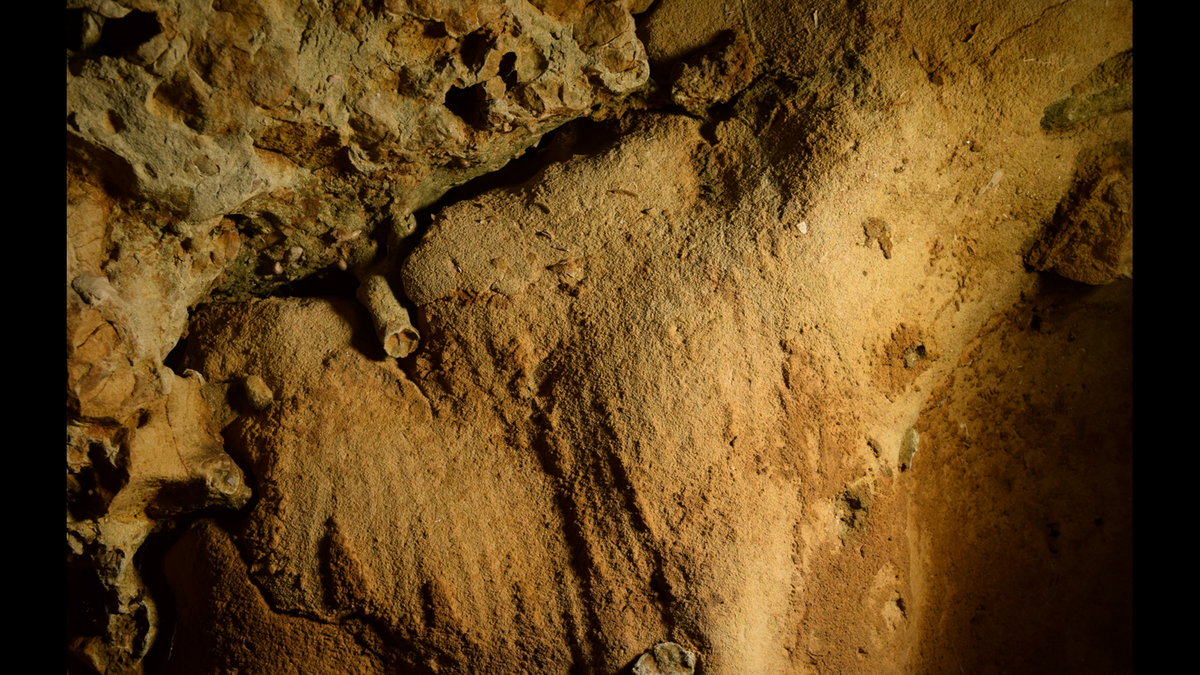
Experts were able to determine the age of tools that were used at the site before it was sealed, which they said helped them determine the age of engravings.
The markings on the wall is “one of the most remarkable aspects” discovered at La Roche-Cotard, the study authors said. While some graphic evidence exists from Neanderthals, this evidence is mostly in the form of “mobile” objects, like pebbles, slabs or bones.
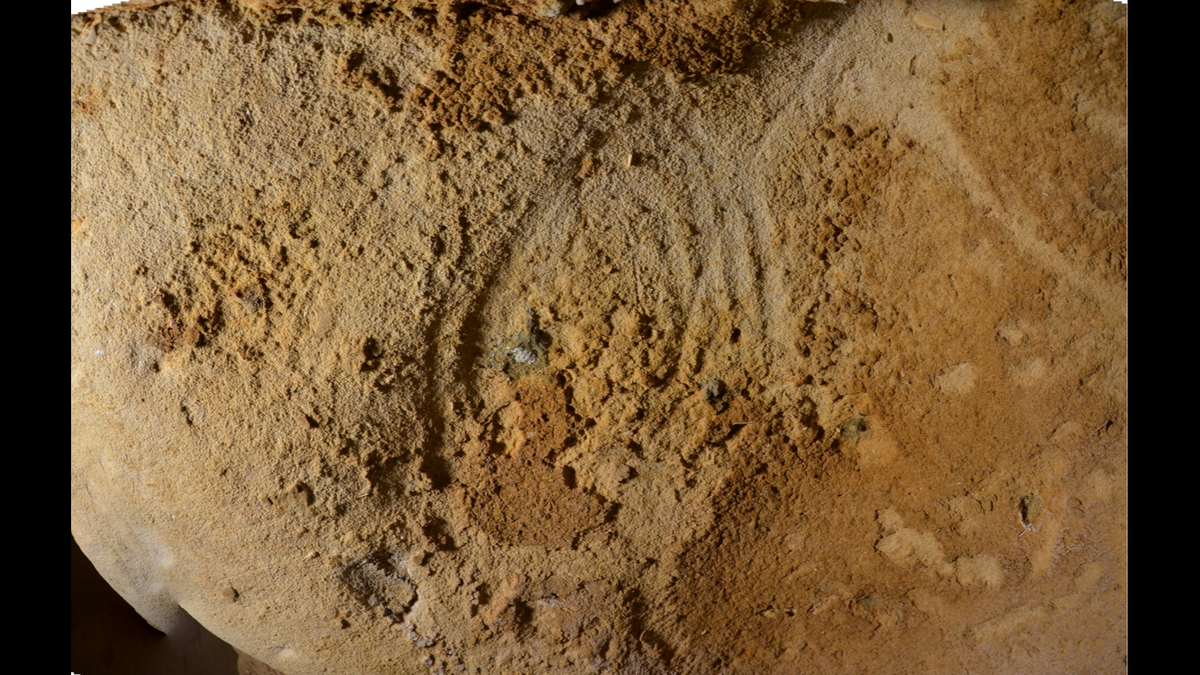
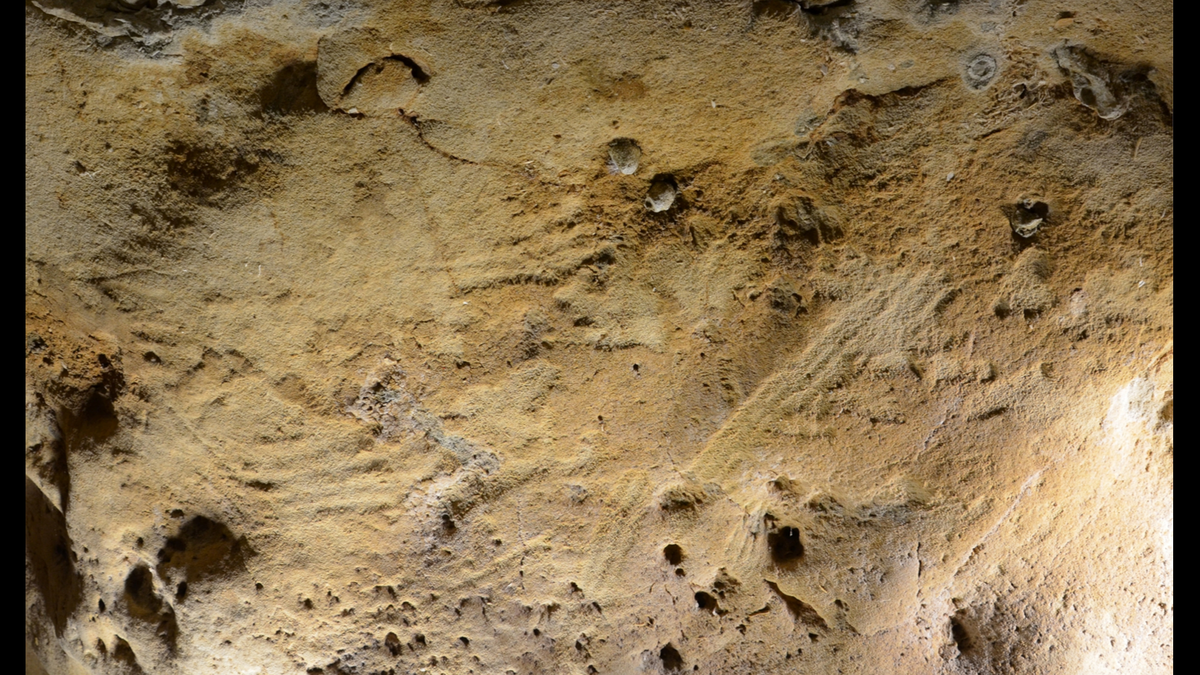
The discoveries of the markings at La Roche-Cotard demonstrate the organized “repetition of thoughtful gestures” that was carried out with intent, according to experts.
Lingering questions
Although experts determined the age and origin of the markings, they are unable to discern the meaning behind the engravings.
Current research indicates that figurative and symbolic art did not exist yet during the time the markings were made, the authors said. However, the find is still significant.
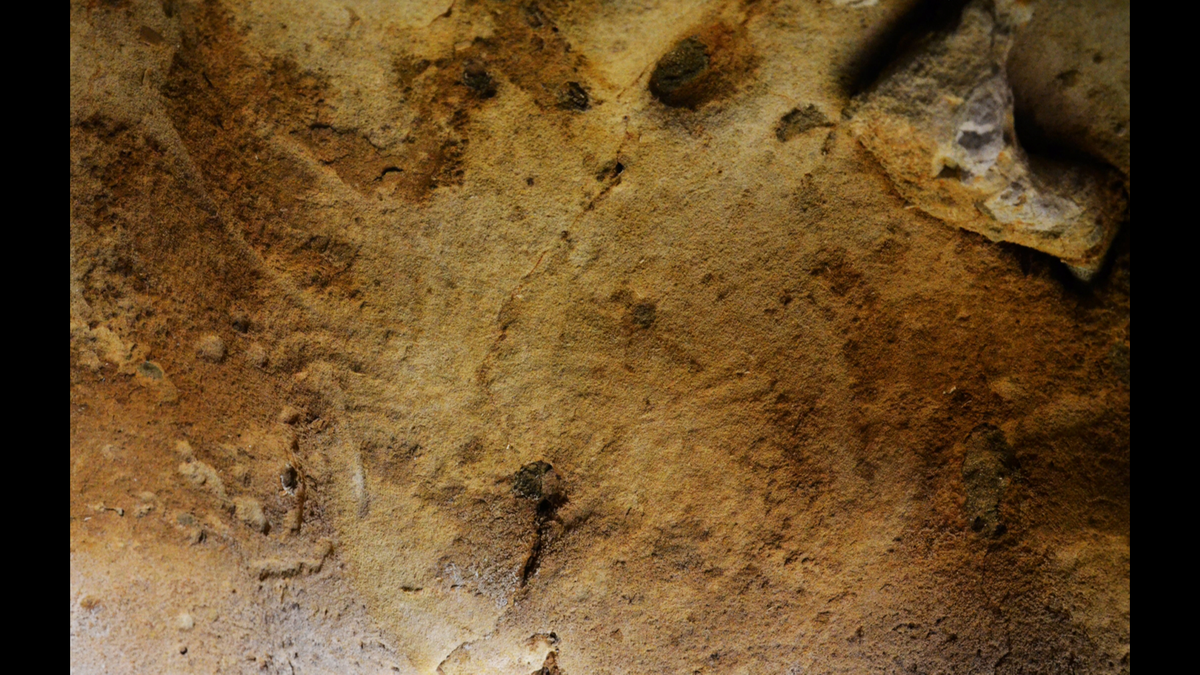
“Although the finger tracings at La Roche-Cotard are clearly intentional, it is not possible for us to establish if they represent symbolic thinking,” the authors wrote in the study. “Nevertheless, our understanding of the relationship between Neanderthals and the symbolic and even aesthetic realms has undergone a significant transformation over the past two decades and the traces preserved in the cave of La Roche-Cotard make a new and very important contribution to our knowledge of Neanderthal behaviour.”
This story was originally published June 22, 2023 at 5:33 PM with the headline "Ancient finger painting? 57,000-year-old marks in cave are from Neanderthals, study says."