Copper-eyed creature found lurking among ferns in the night is a new species in Peru
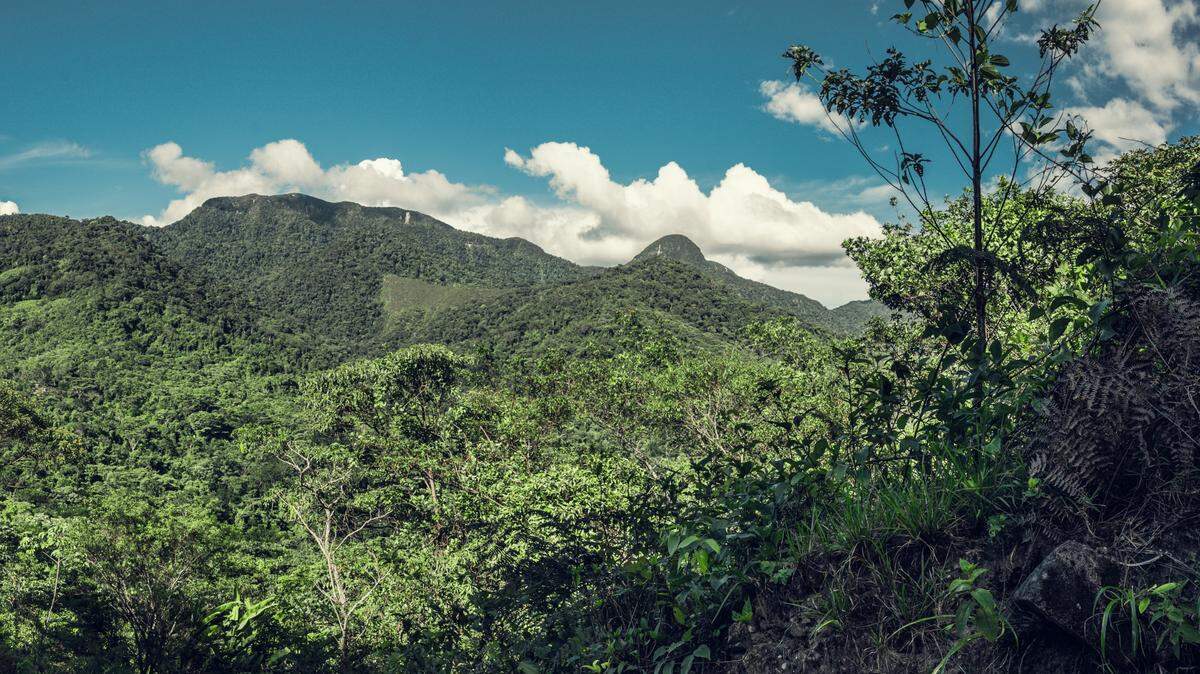
Surrounded by plants and shrouded in darkness, a copper-eyed creature called into the night. The animal probably hoped a mate was listening, but that night someone else was listening too.
Scientists walking through the forest in Peru found the calling creature — and discovered a new species.
Researchers were on a “slow” walk through the trails of a cloud forest in Junín that night, according to a study published June 20 in the journal Taxonomy. They were surveying the area’s frogs, toads and salamanders.
Hidden among the ferns, researchers found several small frogs and captured 14 specimens, the study said. Looking closer, they realized they’d captured a new species: Pristimantis clarae, or Clara’s terrestrial-breeding frog.
Clara’s terrestrial-breeding frog is tiny, with males reaching about 0.6 inches and females reaching about 0.7 inches in size, the study said. The frog has a rounded nose and “coppery” eyes.
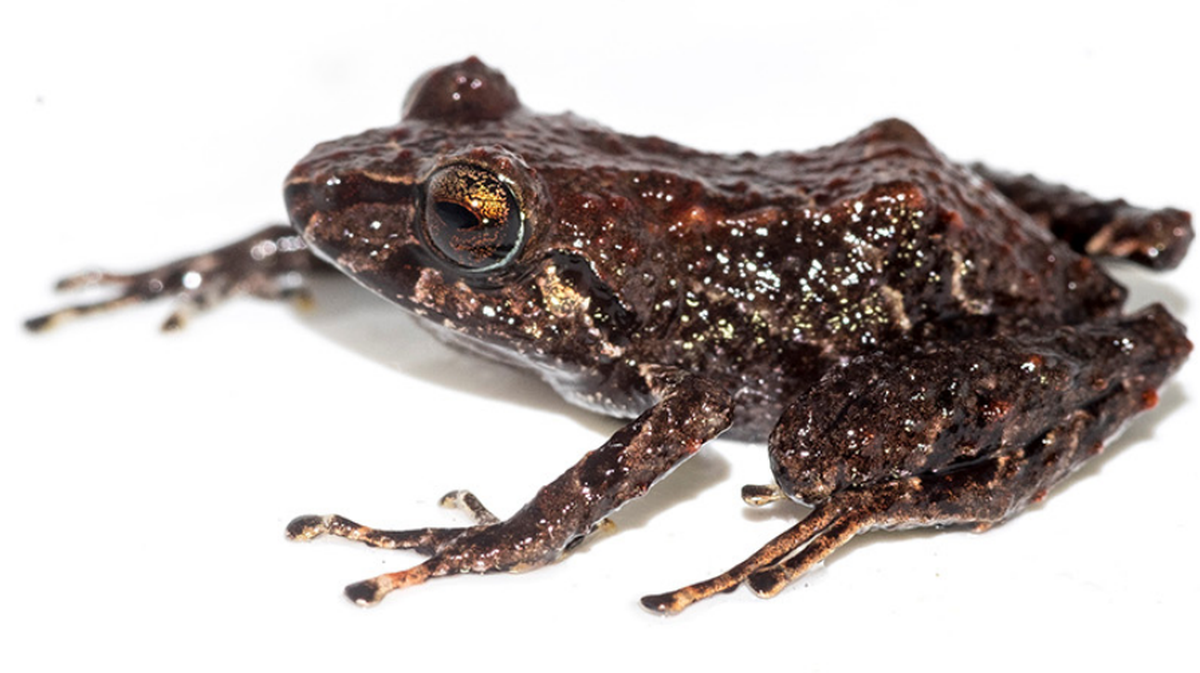
The frog’s coloring varies from “creamy tan to cinnamon brown and dark brown,” researchers said. Photos of Clara’s terrestrial-breeding frog show the variation. The animal almost has a marbled look, photos show.
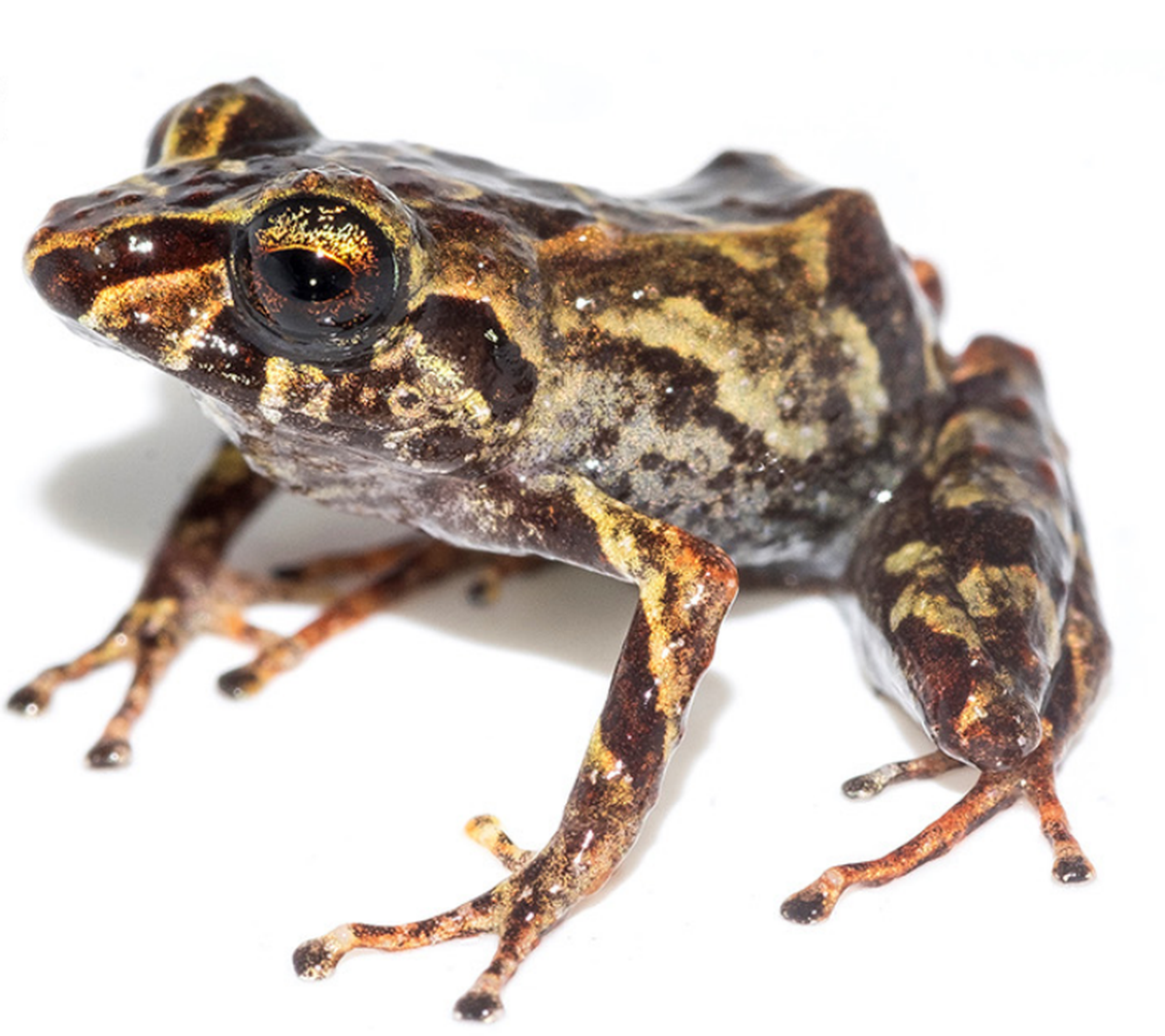
Researchers found Clara’s terrestrial-breeding frogs sitting on ferns, branches and other plants a few inches off the ground in a mountain forest, the study said. The male frogs hid in the leaves while calling out.
The new species of frog was found only in Junín province where it was “abundant” at night, researchers said. Junín is about 145 miles northeast of Lima, the capital city.
Researchers named the new species after Clara Alexandrova, “a young frog enthusiast.” Clara, along with her family, supports “the conservation of cloud forest ecosystems in Peru,” the study said.
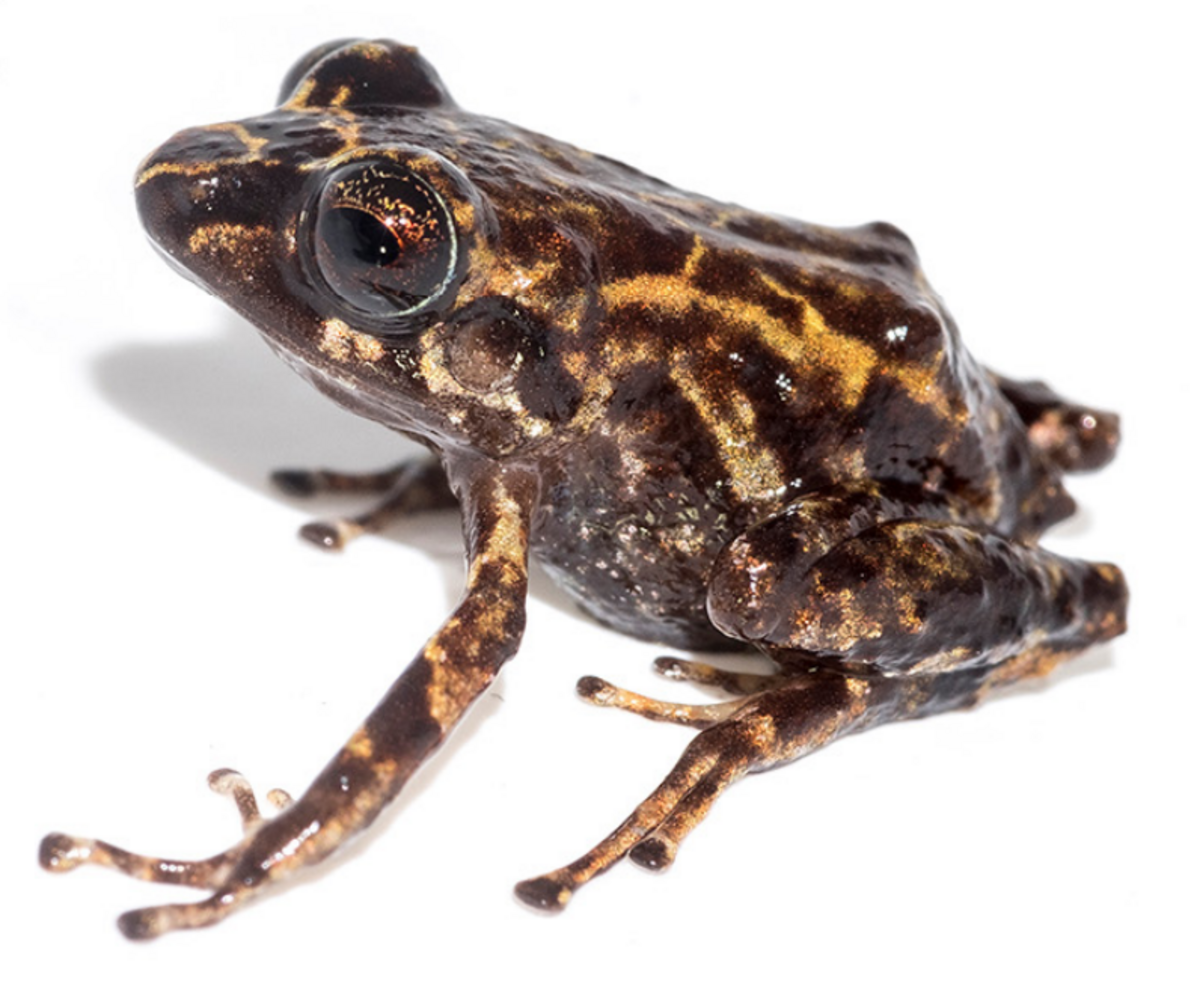
The new species was identified as distinct based on a combination of its body shape, acoustic call pattern and genetic analysis, the study said. DNA analysis found the new species had between 1.09% and 3% genetic divergence from other frog species.
“Although the genetic distances are low, (Pristimantis clarae) can be readily distinguished from these species by morphological traits … that are commonly used in the description of new species,” researchers said.
“The formal description of new species is the first step to make species visible and useful to the scientific community and to the resource managers who aim to protect and conserve biodiversity, ” researchers said.
The research team included Pablo Venegas, Luis García-Ayachi, Axel Marchelie, Jesús Ormeño and Alessandro Catenazzi.
This story was originally published June 22, 2023 at 3:35 PM with the headline "Copper-eyed creature found lurking among ferns in the night is a new species in Peru."