Fluorescent green waters in Tunisia spark concerns — but there’s a simple explanation
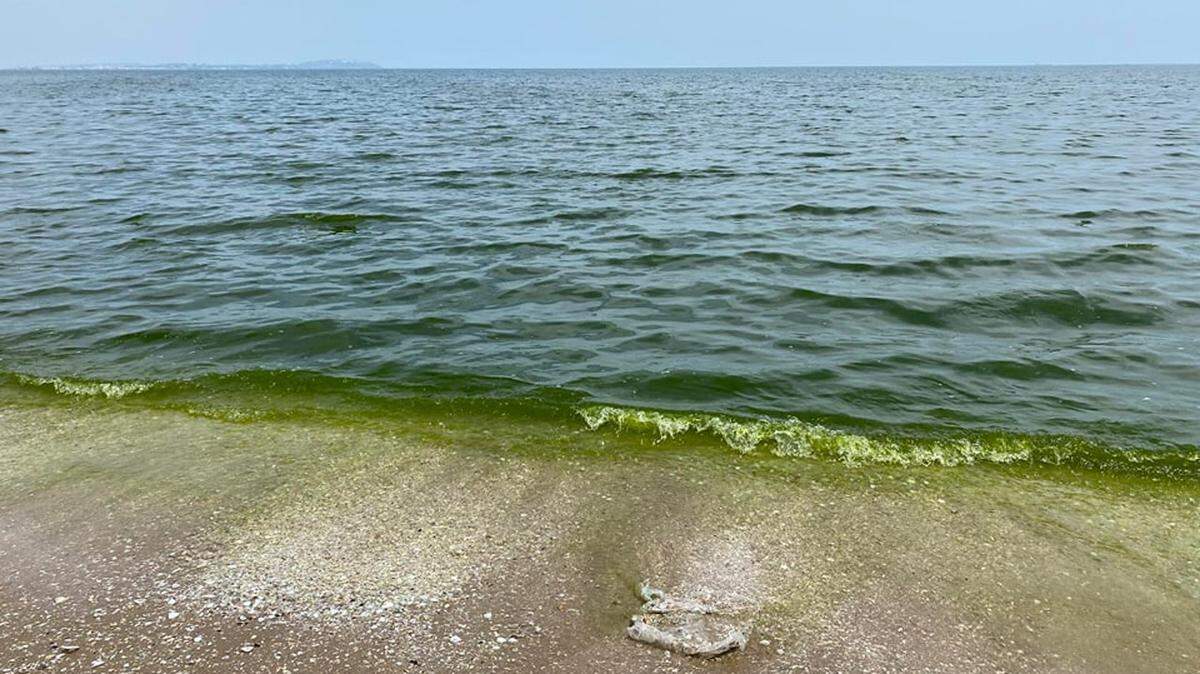
Along the northern coast of Tunisia, the waters began to change color. Instead of their usual blue foam, the waves became an unnerving vibrant green.
The changing seawater color sparked concern among residents who alerted local officials, Tunisia’s Ministry of Agriculture, Water Resources and Fishing said in a June 5 news release.
Photos shared by the ministry show the fluorescent green color of the water. The color appears even more concerning against the bright white lab coat of a researcher.
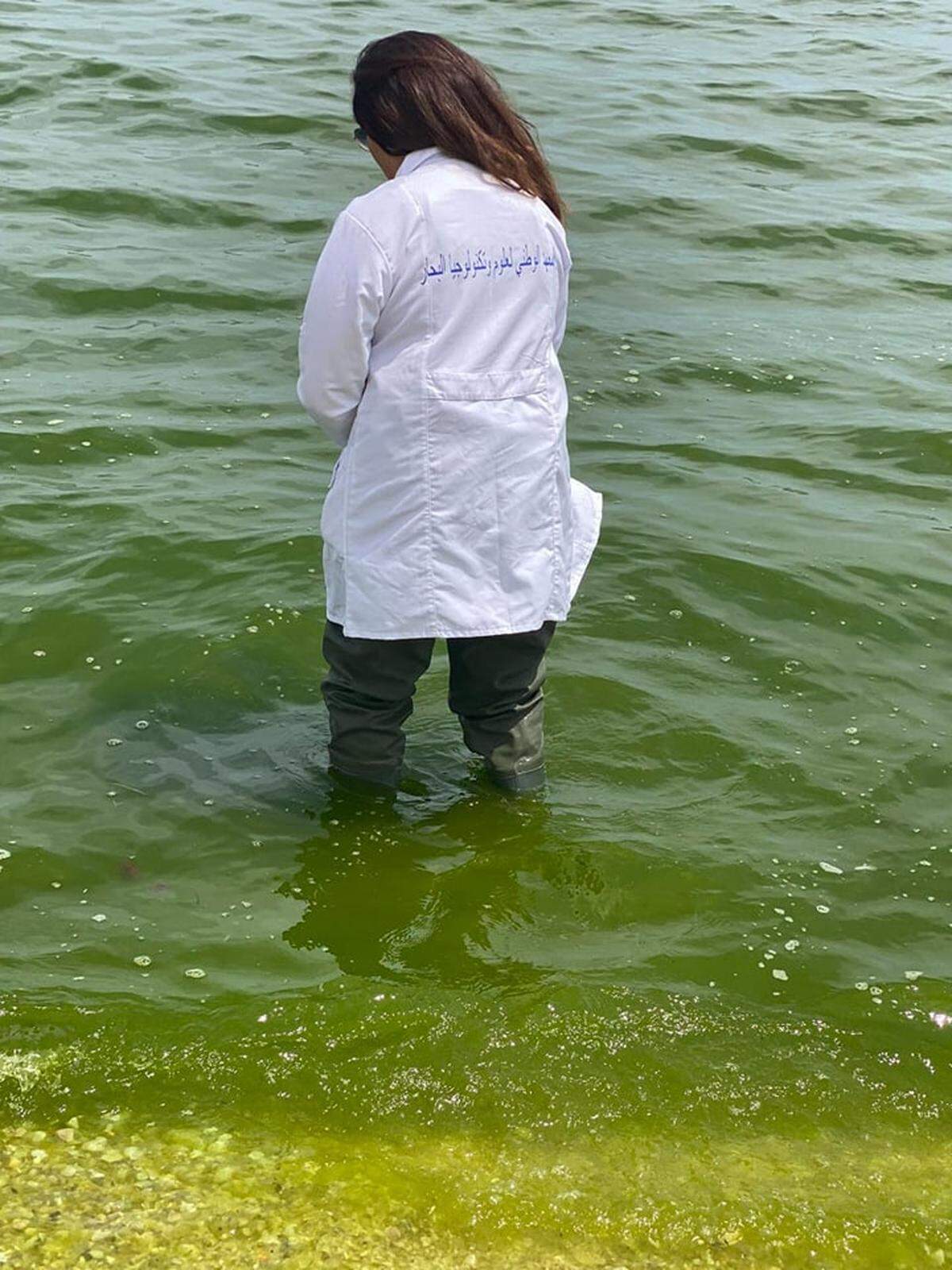
The water changed colors along the neighboring coastal towns of Hammam-Lif and Ez Zahra. These towns are about 12 miles southeast of the capital city Tunis and sit along the Gulf of Tunis, which opens into the Mediterranean Sea.
An Instagram video posted June 2 by Aziz Cherif showed the abnormally colored waterfront. The waves in the distance also look slightly greenish. The video pans to show a dead sea turtle that washed up on the shore.
One Instagram user commented that the waters looked radioactive. Others voiced concerns about the harm being done to sea life and about water pollution.
The TunSea Association for Participatory Science shared side-by-side photos showing the change in water color before and after.
Officials sent a research team to sample the water and to try to figure out what caused the change in color, the release said.
Researchers found the green color was caused by a phytoplankton bloom, officials said.
Phytoplankton, or microalgae, are aquatic plants that grow based on the available sunlight and nutrients, according to the U.S. National Oceanic and Atmospheric Administration (NOAA). When “too many nutrients are available,” phytoplankton can “bloom” or “grow out of control.”
Phytoplankton blooms “can produce extremely toxic compounds that have harmful effects on fish, shellfish, mammals, birds, and even people,” according to NOAA.
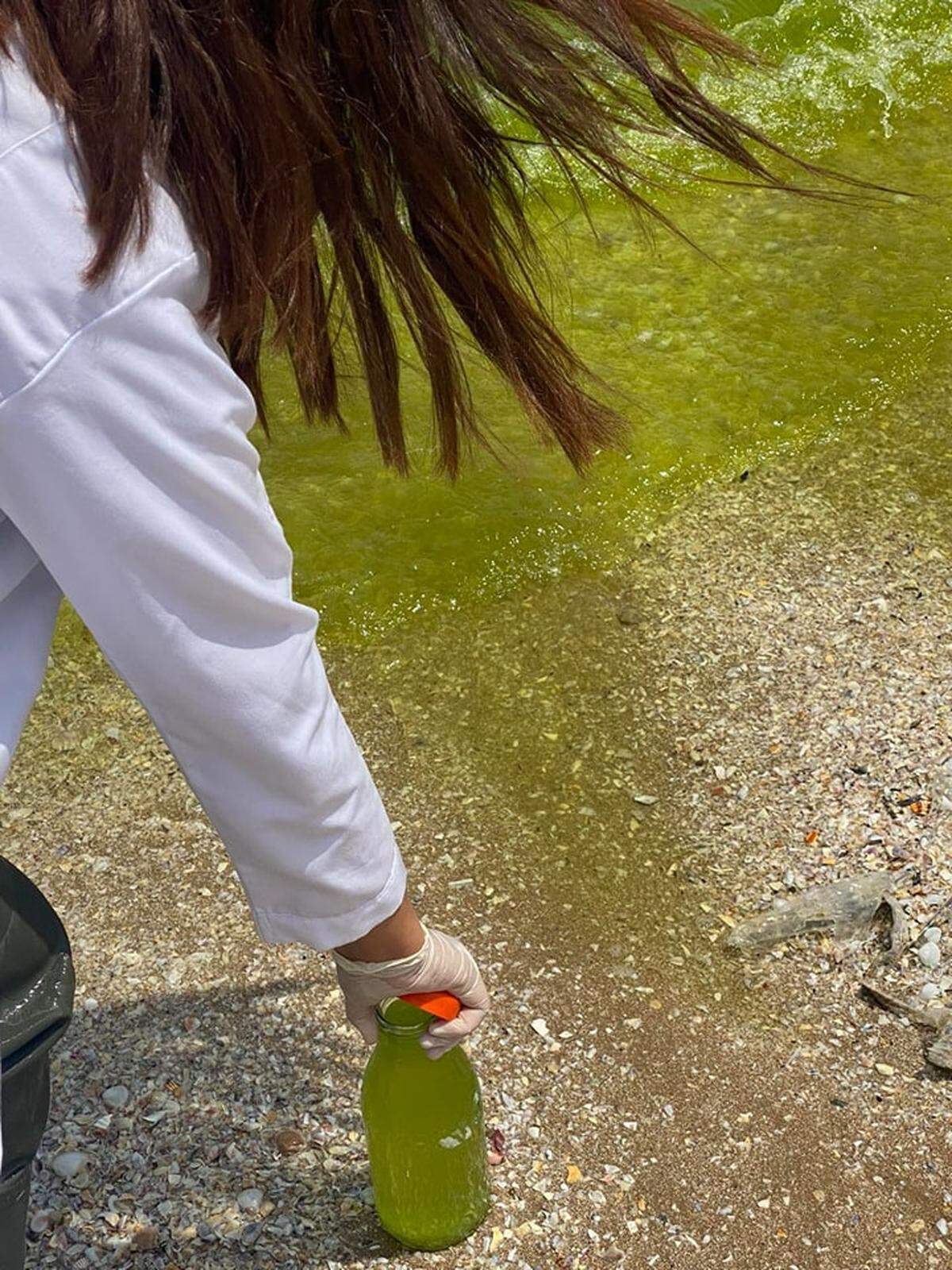
Tunisian officials said that the microalgae was mostly non-toxic. The algae green phenomenon occurred due to a combination of rainfall, nutrient-rich surface water runoff and high temperatures, the release said.
Officials did not say if the current phytoplankton bloom has harmed any animals.
Google Translate was used to translate the news release from Tunisia’s Ministry of Agriculture, Water Resources and Fishing. Instagram Translate was used to translate Aziz Cherif’s post. Facebook Translate was used to translate the post from the TunSea Association for Participatory Science.
This story was originally published June 8, 2023 at 5:37 PM with the headline "Fluorescent green waters in Tunisia spark concerns — but there’s a simple explanation."