‘Mini-kangaroos’ — who love peanut butter — thrive after reintroduction to Australia
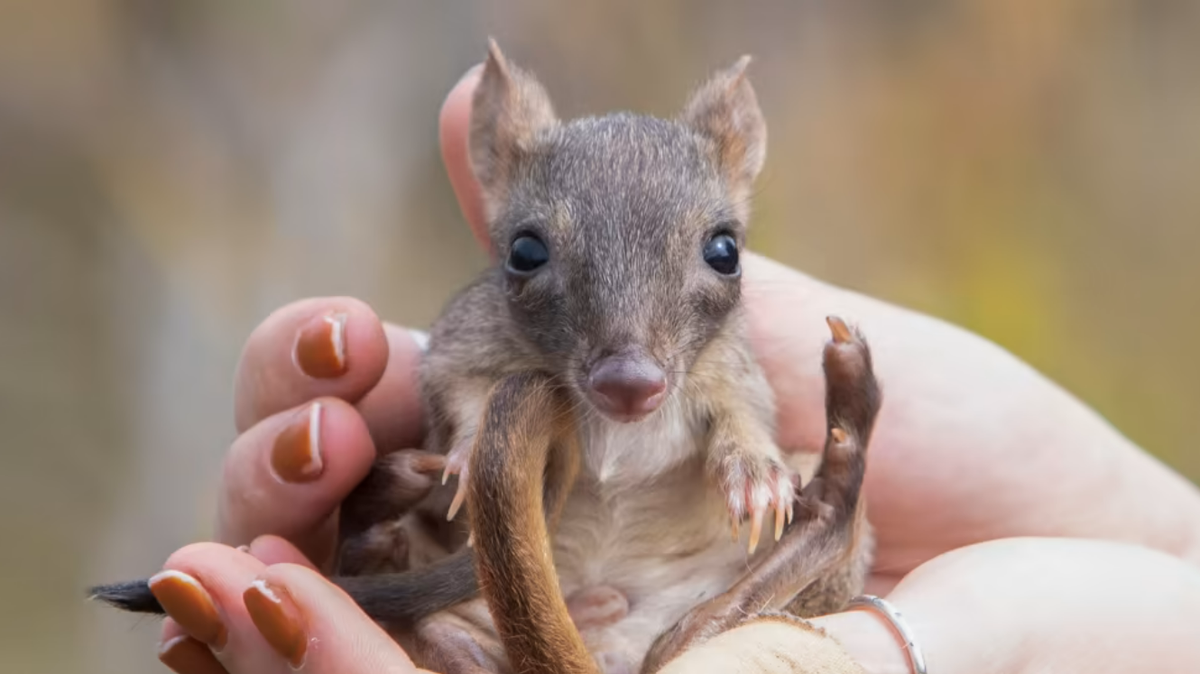
A rabbit-sized kangaroo-like marsupial is bouncing back after vanishing from large portions of Australia. The adorable creature’s reintroduction is encouraging wildlife conservationists.
Brush-tailed bettongs are “a little, ankle-sized kangaroo, a mini kangaroo on steroids if you like,” Derek Sandow, an ecologist with the Northern and Yorke Landscape Board, told AFP. They’re nocturnal creatures that hop around and dig.
“They’ve got really powerful hind legs, they carry their young in their pouch, like a kangaroo does,” but weigh only about three pounds, he told the outlet.
The cute brush-tailed bettong once roamed over 60% of Australia but its population plummeted due to newly-introduced predators and habitat loss, the Australian World Wildlife Fund said in a May 19 news release. In some areas, including the Yorke Peninsula, bettongs went extinct over 100 years ago.
As the animal disappeared, conservationists moved several bettongs to a small, predator-free island in the 1970s, The Guardian reported.
Still, brush-tailed bettongs are considered critically endangered, according to the Smithsonian’s National Zoo and Conservation Biology Institute.
After a century away, 120 brush-tailed bettongs were reintroduced to the Yorke Peninsula in 2021, the release said. Recent monitoring efforts confirmed the reintroduced population is thriving.
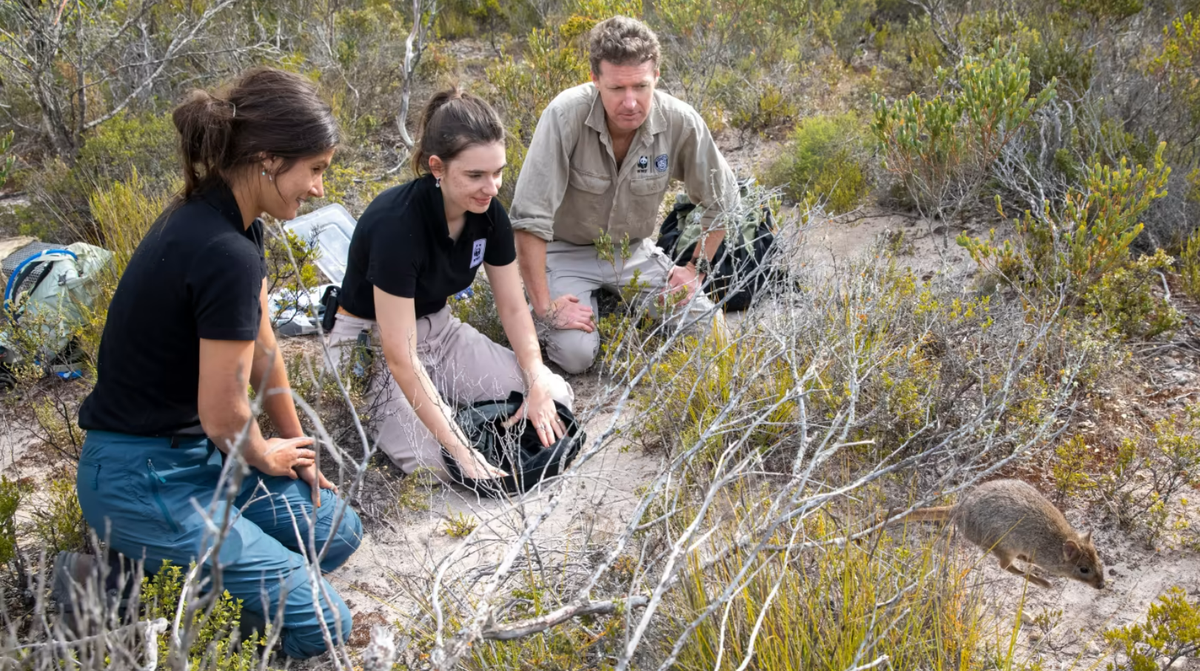
Researchers trapped, assessed and released 85 bettongs — luring them with “peanut butter, oats and vanilla essence,” The Guardian reported.
“They’re suckers for the peanut butter,” Sandow told the outlet.
Wildlife experts used a similar bait of “peanut butter, honey and oats” to capture bettongs in 2021 and move them to the Yorke Peninsula, the Australian World Wildlife Fund said in a news release.
About half of the bettongs captured during the recent reintroduction survey were born in the Yorke Peninsula, and “over 93% of the mature females were carrying pouch young,” wildlife officials said in the release.
“It’s fantastic to see so many new animals in the population,” Sandow said in the release. “It shows that the bettongs we released in 2021 and 2022 are comfortable in the landscape, they’re finding food, they’re finding shelter, and they’re finding mates.”
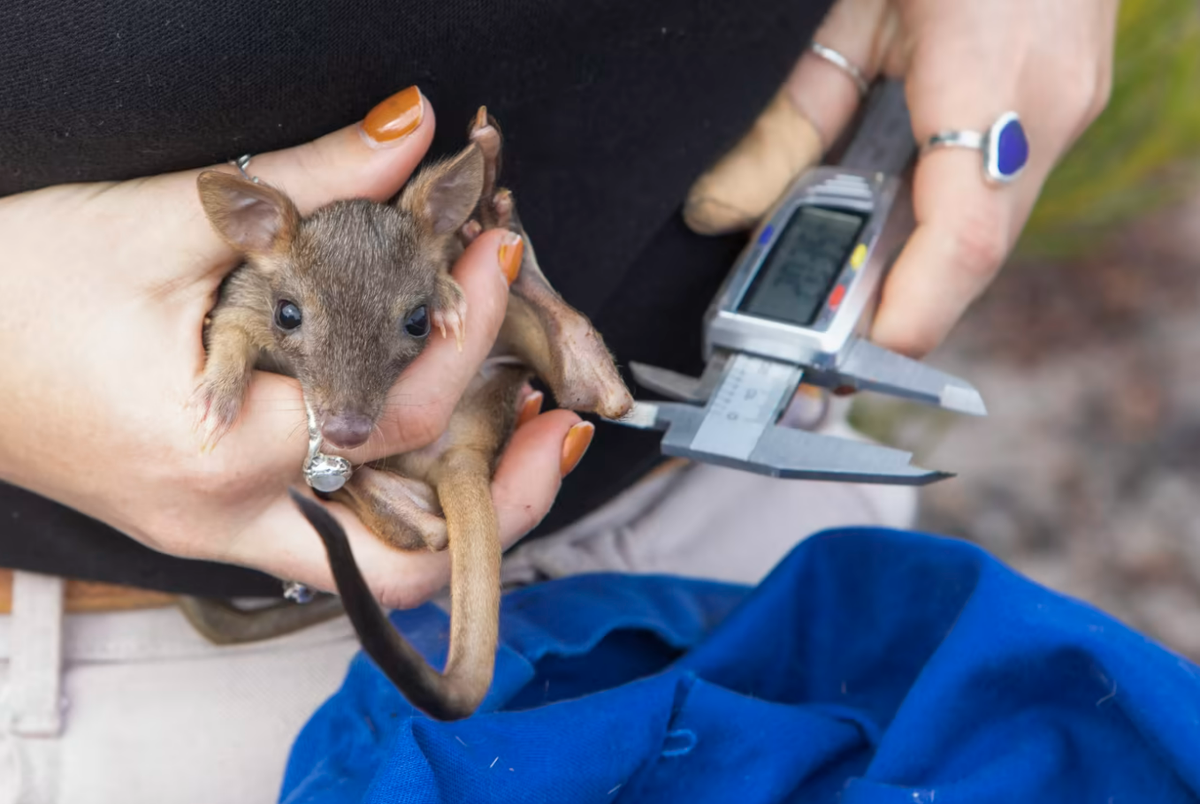
The reintroduced bettongs are “surpassing everyone’s expectations,” Chloe Frick, a Ph.D. student at the University of Adelaide involved in the monitoring efforts, told The Guardian.
Rob Brewster, manager of the Australian World Wildlife Fund’s rewilding project, emphasized the importance of the bettong’s “historic comeback.”
“If this population can be sustained over time, it would be the first successful reintroduction of this species beyond islands and fenced safe havens,” Brewster said in the release.
Sandow hopes the bettongs’ reintroduction will bring positive changes to the Yorke Peninsula ecosystem, AFP reported.
“A little bettong can move tonnes of soil per year,” Sandow told the outlet. “So they dig in the ground, they create little micro habitats for water infiltration for seeds to establish. And so they’re just really important in the ecosystem.”
The Yorke Peninsula extends off the southern coast of Australia and is about 910 miles west of Sydney.
This story was originally published May 19, 2023 at 1:29 PM with the headline "‘Mini-kangaroos’ — who love peanut butter — thrive after reintroduction to Australia."