Prehistoric humans in China had a unique diet — including 15-foot pythons, experts say
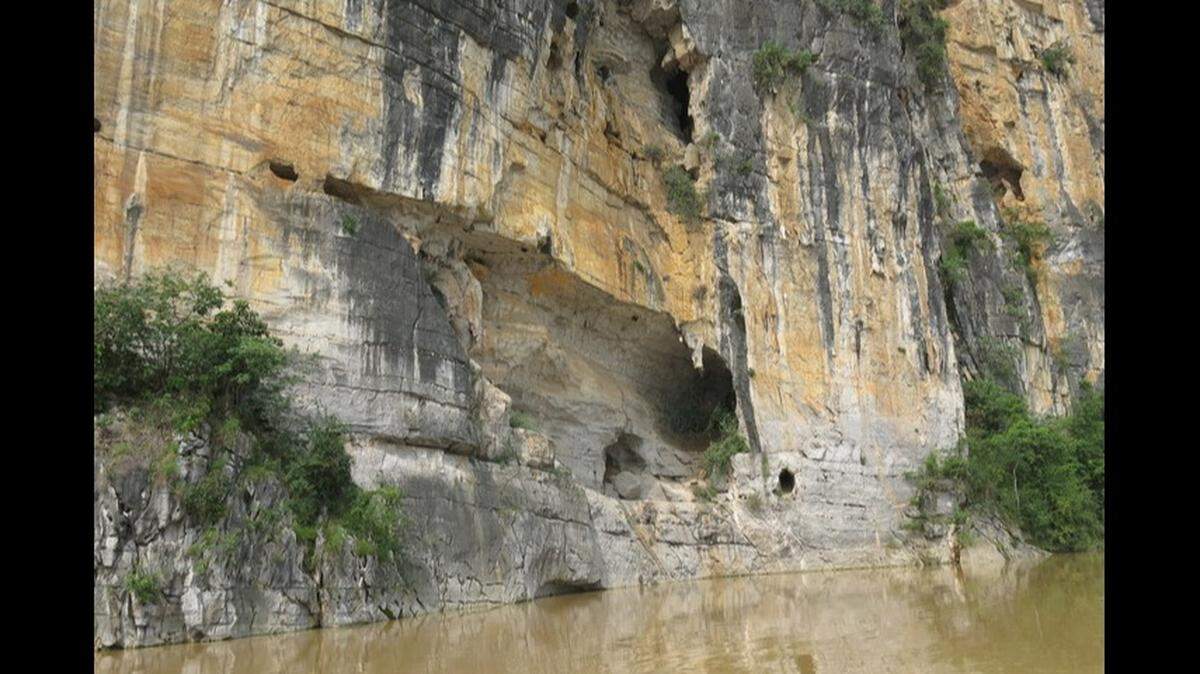
Approximately 6,000 years ago, prehistoric humans living in southern China were among the first people to eat cooked food.
Now, fossils unearthed in the Zuojiang River Basin in the Guangxi region are giving experts more insight into what kind of food those humans were cooking, including huge pythons up to 15 feet long.
Recent excavations at the river basin have unearthed a trove of snake bones dating to the Neolithic period, researchers with the Institute of Vertebrate Paleontology and Paleoanthropology of the Chinese Academy of Sciences and the Guangxi Institute of Cultural Relics Protection and Archaeology said in a March 31 news release.
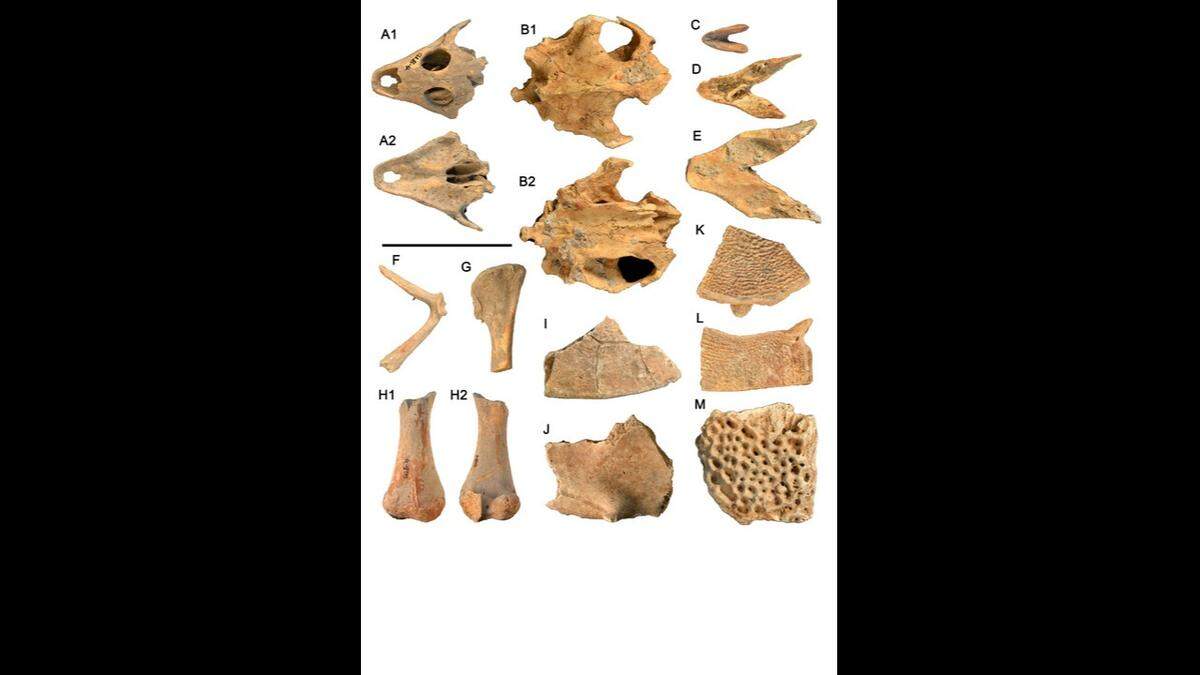
Researchers said they compared the fossils to the bones of existing species and identified three types of snake: Burmese pythons, king cobras and Elaphe vipers, all of which are still common in China today.
Among the fossils, paleontologists identified a 15-foot long middle spine that once belonged to a Burmese python, the institute said. The spine broke the existing record for the longest snake found in China’s history.
The fossils show evidence of smashing, cutting and burning indicative of human hunting, experts said. It is believed that prehistoric humans hunted and killed the snakes before barbecuing the meat for food.
Guangxi is in the southern region of China.
Google Translate and Baidu Translate were used to translate the news release from the Institute of Archaeology at the Chinese Academy of Social Sciences.
This story was originally published April 12, 2023 at 3:56 PM with the headline "Prehistoric humans in China had a unique diet — including 15-foot pythons, experts say."