These small, hairy creatures like to jump. See three new species found lurking in India
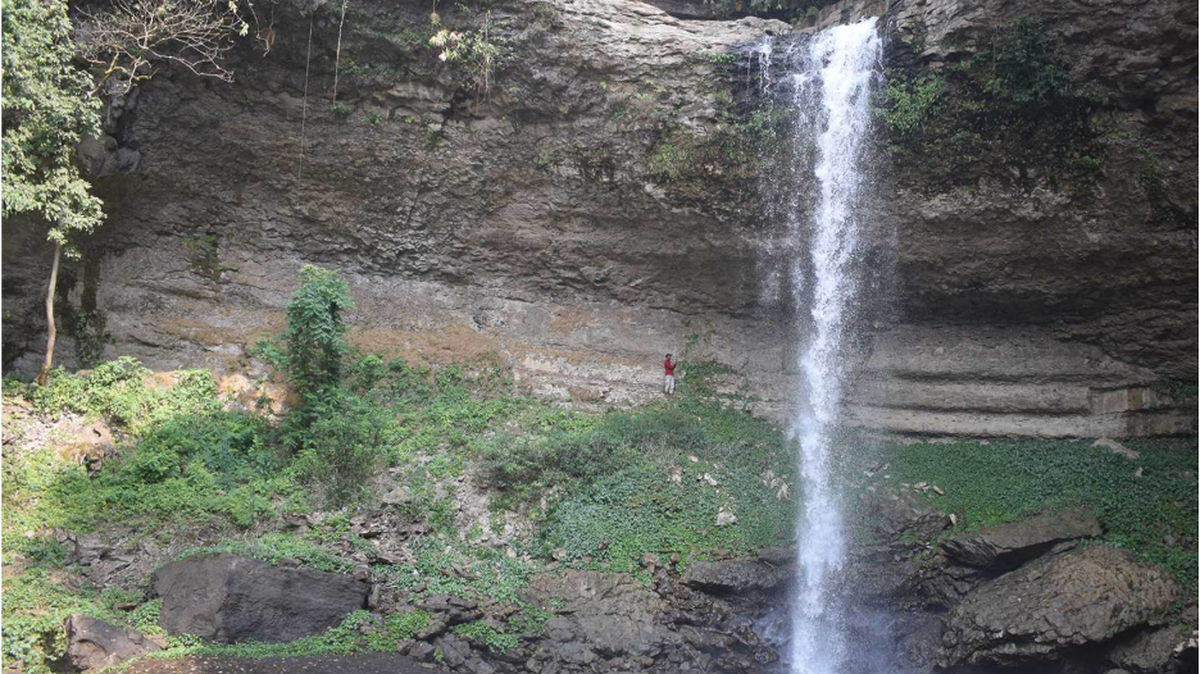
In an eastern mountainous region of India, a group of researchers set out for a long voyage into the forest.
For more than three months, the team was on the hunt for habrocestum, or jumping spiders.
Then they found them.
In research published on April 2, the team described three new species of jumping spider that had never been identified before.
The creepy-crawlies are tiny, only a few millimeters wide, and covered with little hairs.
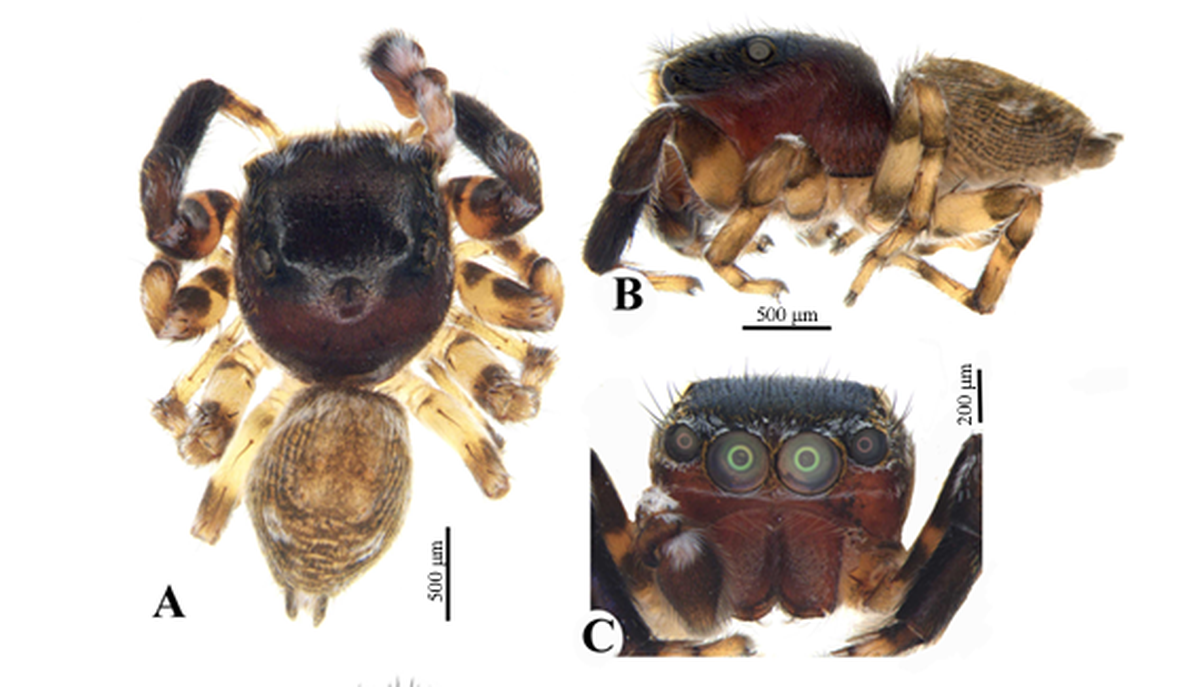
“All these species are ground dwellers mainly found in leaf (litter),” biologist and study author Gautam Kadam told The Shillong Times. “With the discovery of the three new species, the number of such jumping spiders found in India has risen to seven.”
The spiders were found in remote regions of the state of Meghalaya, which is predominantly covered in forests. Two of the species were named for their homes, according to the study.
The first spider, named emanasakgrensis for the local village in which it was found, has a dark brown thorax, with black bands on lighter brown legs.
The second spider, named imilchang for the waterfall it was found near, is darker in color with markings on its abdomen and whiter patches on its thorax, the study described.
The third spider was special.
This spider was named togansangmai to honor an Indian freedom fighter who came from the same region as the little arachnid. Pa Togan Nengminja Sangma fought against the British for India’s independence, and he became a martyr for those fighting against imperialism, according to National Today.
His namesake spider also stands out from the others.
Togansangmai is much lighter in color than the other two, nearly translucent along its legs and a light brown color on its thorax with a black patch on its abdomen, according to the study. Under the light, it appears nearly red, which inspired researchers to honor those who died for India’s independence.
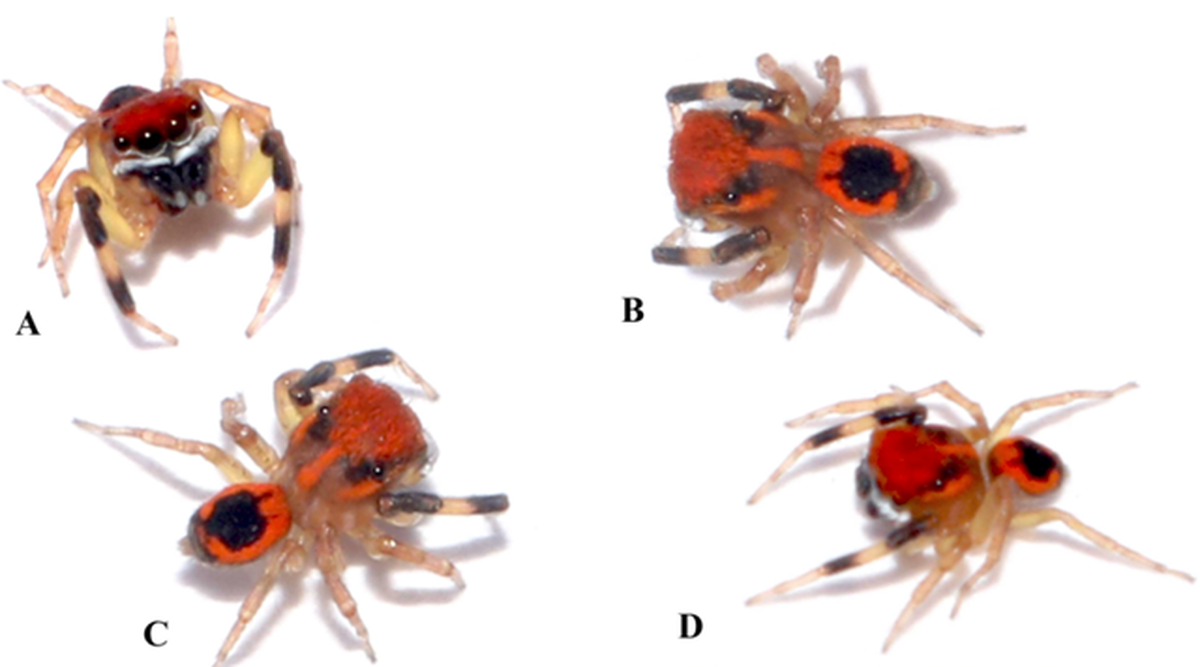
All three have the eight eyes that are common for jumping spiders, and each set of eyes serves a different purpose.
Jumping spiders hunt their prey rather than trapping it in webs, LiveScience reports, sothe main eyes focus on details and direct the spider while the secondary eyes can alert the spider to danger.
Called a looming response, the eyes provide the “equivalent of a human ducking and covering when a baseball flies toward his or her face,” according to LiveScience.
Spiders of all kinds are largely unstudied in this remote part of India, and Kadam told The Shillong Times that their study could point to the need for more research in this area.
This story was originally published April 4, 2023 at 6:19 PM with the headline "These small, hairy creatures like to jump. See three new species found lurking in India."