Protected predator dies after long-awaited return to national park, officials say
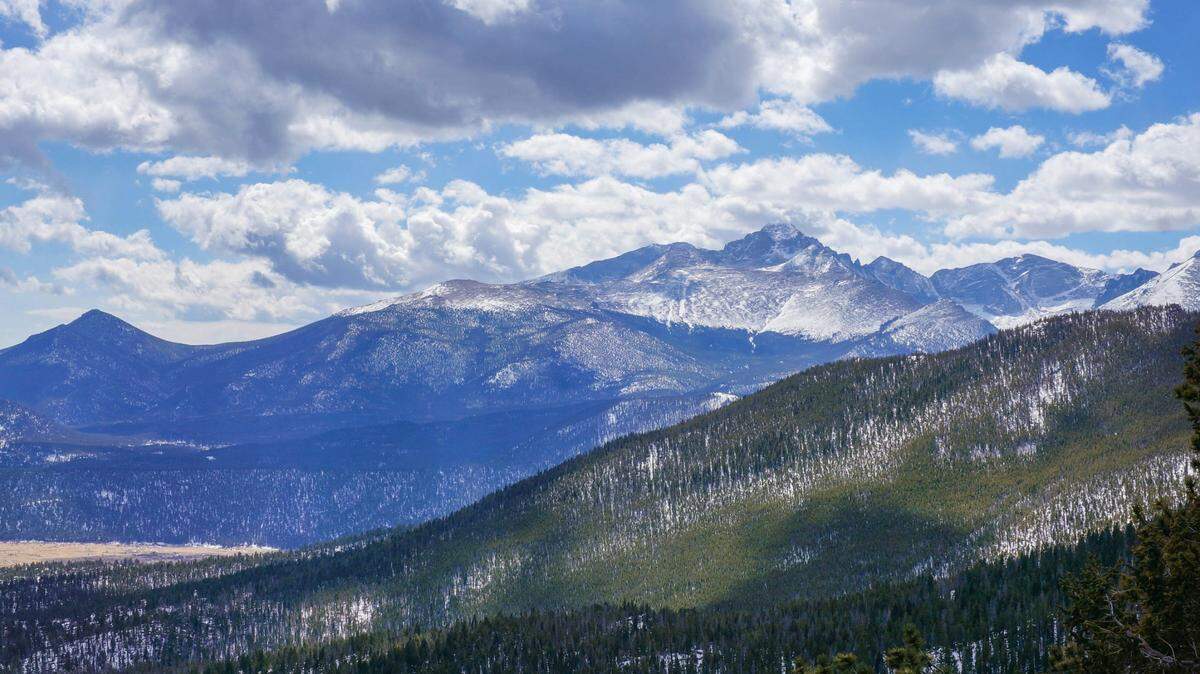
A protected apex predator was found dead in the iconic Colorado lands where the elusive creatures first roamed a century ago — before populations vanished from the state entirely.
Colorado Parks and Wildlife biologists received an alert from a radio collar on a female gray wolf that died inside Rocky Mountain National Park on April 20, the agency said in an April 24 news release.
Because the species is protected under the federal Endangered Species Act, the U.S. Fish and Wildlife Service is investigating the wolf’s death, officials said.
The state wildlife agency will not determine cause of death until the investigation and a necropsy are completed, but said mortality plays a role in all natural wolf populations and factored it into its restoration plan, officials said.
“Wolf survival in Colorado is within normal margins for a wolf population in the Rocky Mountains,” the agency said in the release. “The average lifespan of a gray wolf in the Rocky Mountains is generally 3-4 years.”
The female wolf, officially named 2514-BC, was one of the wolves reintroduced to Colorado from British Columbia early this year, the agency said.
Last summer, a reintroduced wolf from Oregon also spent some time in the park, McClatchy News reported. That wolf’s presence marked the first time one of the predators was documented inside the iconic park’s boundaries in its 109-year history.
The wolves are native to Colorado, Rocky Mountain National Park, and the greater Rocky Mountain region, and wildlife management officials figured the keystone species would make its way back to the park on its own after the agency reintroduced them, McClatchy News reported.
Colorado’s wolves first started experiencing challenges in the late 1800s as western settlers began hunting elk and deer — common food sources for the species, McClatchy News reported. The wolves adapted to hunting livestock as a new food source and the settlers set their sights on the wolves, eradicating the species by the 1940s.
“It’s heartbreaking to learn about the passing of this Colorado wolf, one of the precious few reintroduced female wolves and one who had found her way to Rocky Mountain National Park,” Alli Henderson, southern Rockies director for the Center for Biological Diversity, told The Colorado Sun. “I’m still hopeful that we’ll soon be celebrating wolves calling this park home once again.”
This story was originally published April 30, 2025 at 3:33 PM with the headline "Protected predator dies after long-awaited return to national park, officials say."