
Most Americans changing grocery shopping habits to save money, poll shows. Here’s how

Rising grocery costs are forcing most Americans to change how they shop, according to a new LendingTree study.
Sticking to store brands, clipping coupons and paying closer attention to grocery prices overall are a few of the ways shoppers are looking to fight inflation, the nationwide survey of more than 2,000 consumers found.
Nearly nine in 10 Americans — or 88% — said they’ve had to make adjustments when it comes to grocery spending, with about 61% expressing fear about affording groceries in the past month.
“People tend to be creatures of habit when it comes to grocery shopping, buying mostly the same things from the same store over and over again without much thought of looking elsewhere,” Matt Schulz, chief credit analyst for LendingTree, said in a statement.
“Rising prices have forced many people to change their ways in hopes of making ends meet,” he said.
The consumer price index for food jumped 0.4% in January, a slight increase from the month before, according to the latest U.S. Bureau of Labor Statistics data. The food index rose 2.5% year over year, data show.
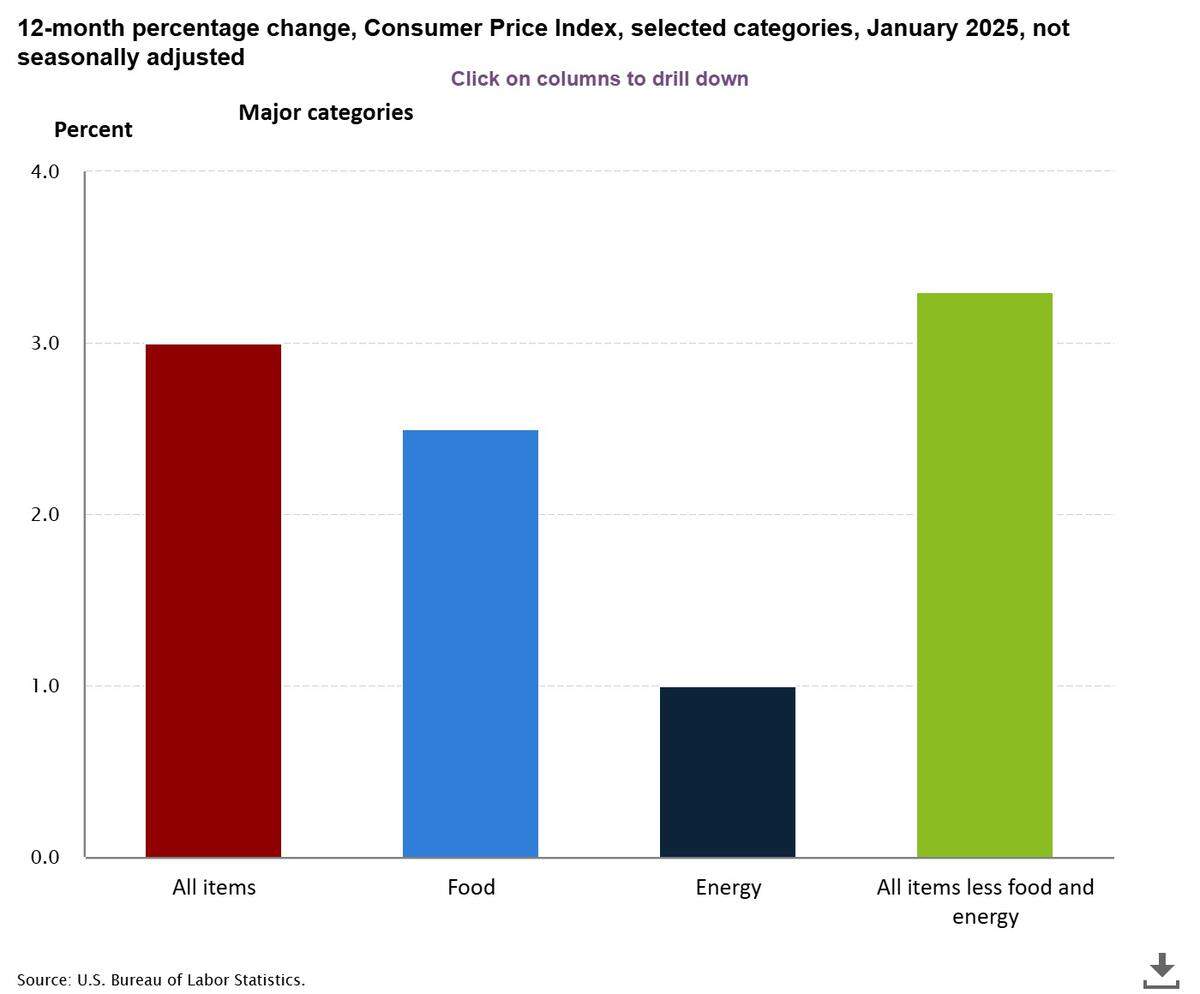
For “food at home” specifically, the cost of meat, poultry, fish and eggs saw a nearly 2% increase in the last month — with the index for eggs rising a whopping 15.2%, data show.
“This was the largest increase in the eggs index since June 2015 and it accounted for about two thirds of the total monthly food at home increase,” the bureau said.
How they’re shopping
Asked how rising costs have impacted their shopping habits, 44% of consumers said they’re buying more generic brands, while 38% said they’re sticking to what they need, according to the LendingTree study.
Keeping an eye on grocery prices overall was popular among 29% of shoppers, results show. Additionally, consumers said they’re trying to tamp down on food waste (27%) or using coupons more often (26%) to lower their grocery bill.
Some shoppers are even changing how frequently they go to the market.
Wesley Littlefield, a marketing manager from Oklahoma, said he makes smaller grocery trips throughout the week instead of buying everything at once.
“This helps me avoid waste and take advantage of better deals when I see them,” Littlefield told McClatchy News. “Bulk buying used to seem like a smart move, but with some items going bad before I could use them, I’ve shifted toward a mix of fresh and frozen options to make things last longer.”
Littlefield, who didn’t take part in the LendingTree study, added that meal planning and shopping at multiple stores have helped “keep my grocery costs in check.”
Of the 2,039 U.S. adults surveyed Jan. 2-6, about 12% said inflated food prices haven’t affected their shopping habits, according to the LendingTree study.
The personal finance website said it used quotas to ensure the study sample was representative of the overall population. Survey responses were also reviewed for quality.
Other key findings from the LendingTree study include:
- More than half of Americans (59%) said they eat out less due to inflation.
- Tipping behaviors have also changed with 29% of consumers tipping less frequently and 20% skipping tips on takeout or delivery order.
This story was originally published February 26, 2025 at 3:29 PM with the headline "Most Americans changing grocery shopping habits to save money, poll shows. Here’s how."