‘Blue tide’ of sea creatures blankets Oregon beach — ‘but look with your eyes’
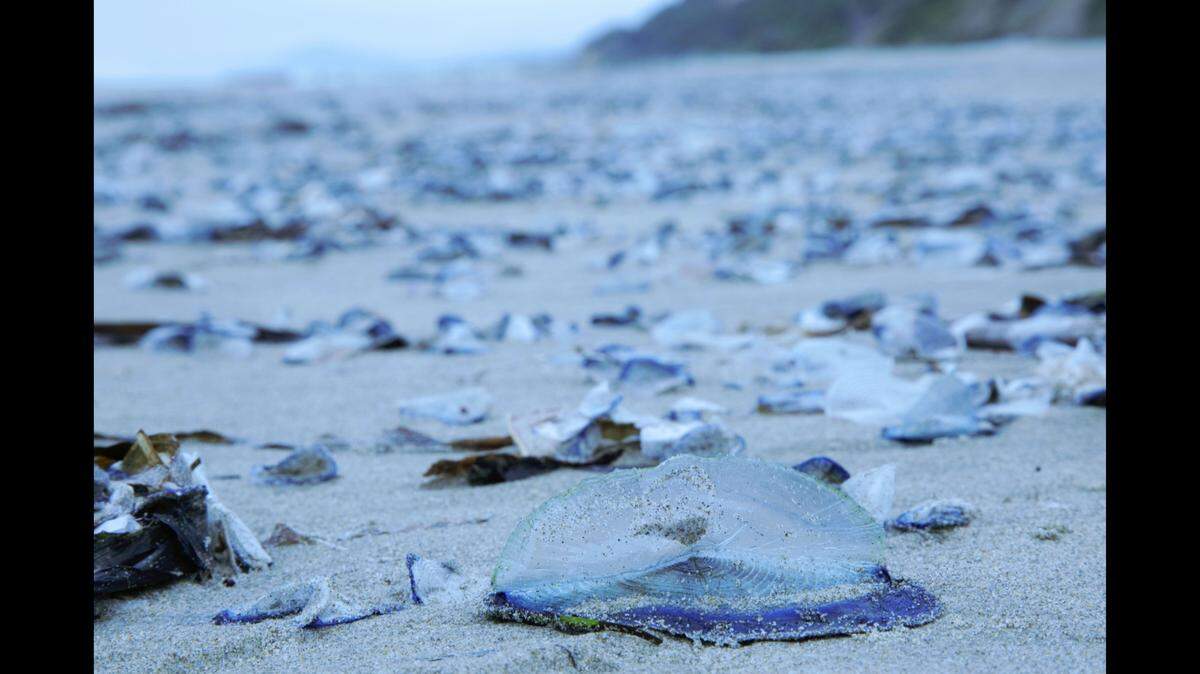
A “blue tide” of tiny sea creatures is blanketing the beaches off the coast of Oregon.
The invertebrates, known as velella velella, are commonly seen washing ashore in the spring and summer, Oregon Coast Aquarium said in a March 27 Facebook post.
“Throughout this week guests, beach goers, and our volunteers have reported quite a few of them along Newport’s beaches, and our contacts up in Rockaway Beach said they’re seeing a bunch as well,” Courtney Klug, the aquarium’s communications and marketing specialist, said in a March 29 email to McClatchy News.
The iNaturalist website shows dozens of reports of “by-the-wind sailors” washing up on beaches up and down the Pacific Ocean coastline, including off the coasts of Oregon, Washington and California, in recent weeks.
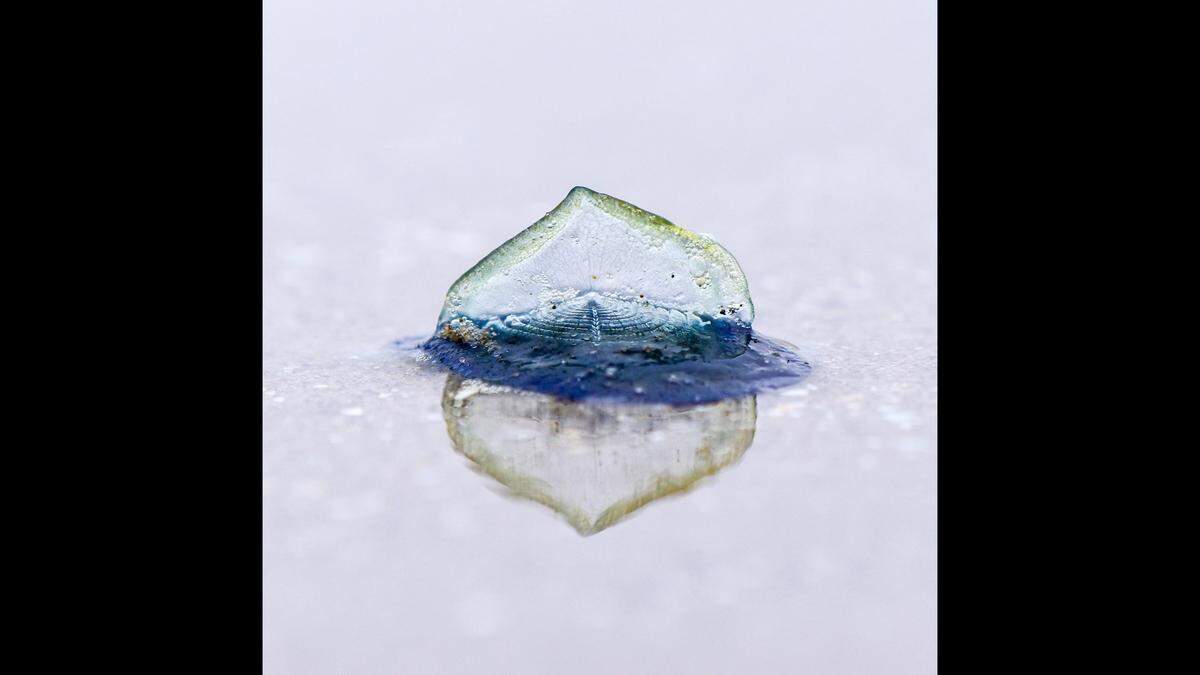
The aquarium urged those who encounter the creatures to keep their hands off “but look with your eyes.”
“While their venom is harmless to humans, some people may react more strongly than others,” the aquarium wrote.
What to know about the ‘gelatinous creatures’
The “gelatinous creatures” are distant relatives of corals, sea anemones and jellies, according to the aquarium’s website.
“They range in size from a few millimeters across to seven centimeters and appear brilliant blue and purple when at sea or freshly washed ashore,” the aquarium says.
Also known as by-the-wind sailors, the blobs are not jellyfish but colonies of polyps similar to the Portuguese man o’ war, according to JellyWatch.
“These blue jellyfish-like creatures use their translucent, triangular sails to free-float around the ocean,” Point Reyes National Seashore said in a March 20 Facebook post.
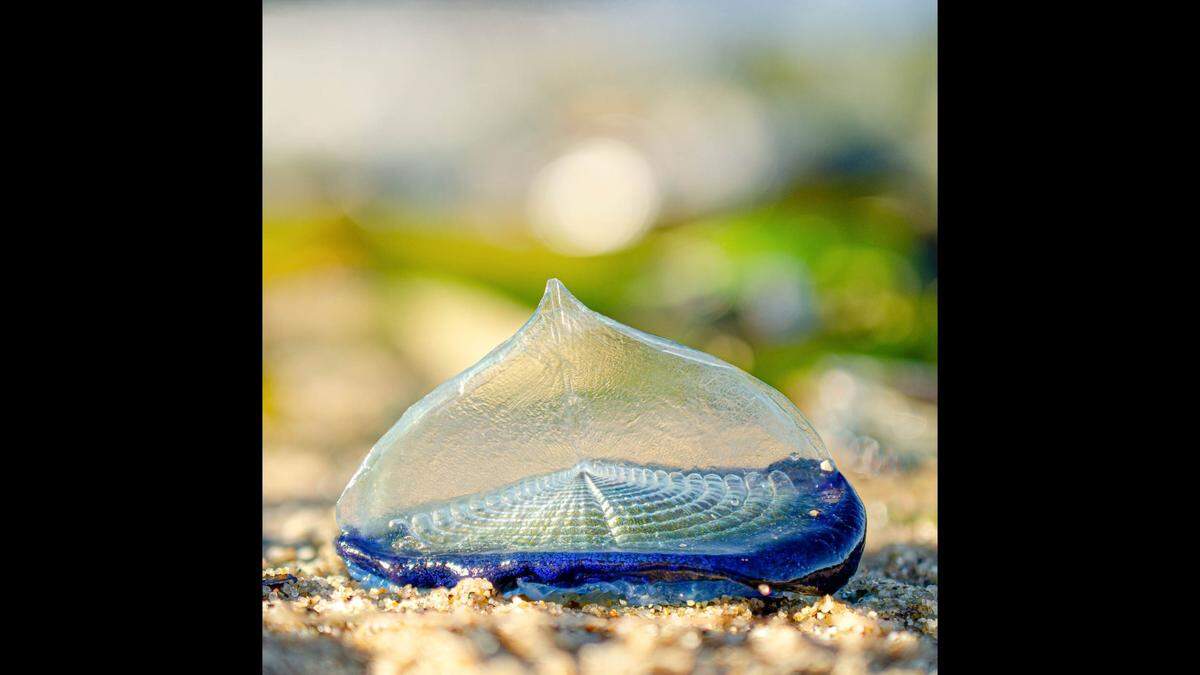
“By-the-wind sailor” is actually “a misnomer for this little animal,” according to the National Park Service.
“Velella velella cannot actively control their direction — they ‘sail’ on the winds,” Amanda Van Diggelen, a senior environmental scientist with the California Department of Fish and Wildlife, told McClatchy News in a March 26 email.
If there is a shift in breeze, rangers said it “can spell bad news for these little seafarers.”
A wind that is too strong can carry them to the shore, leaving the creatures to die.
“This happens occasionally in California and along the west coast,” Van Diggelen said. “The species is relatively common, but they are typically only seen onshore during wind events.”
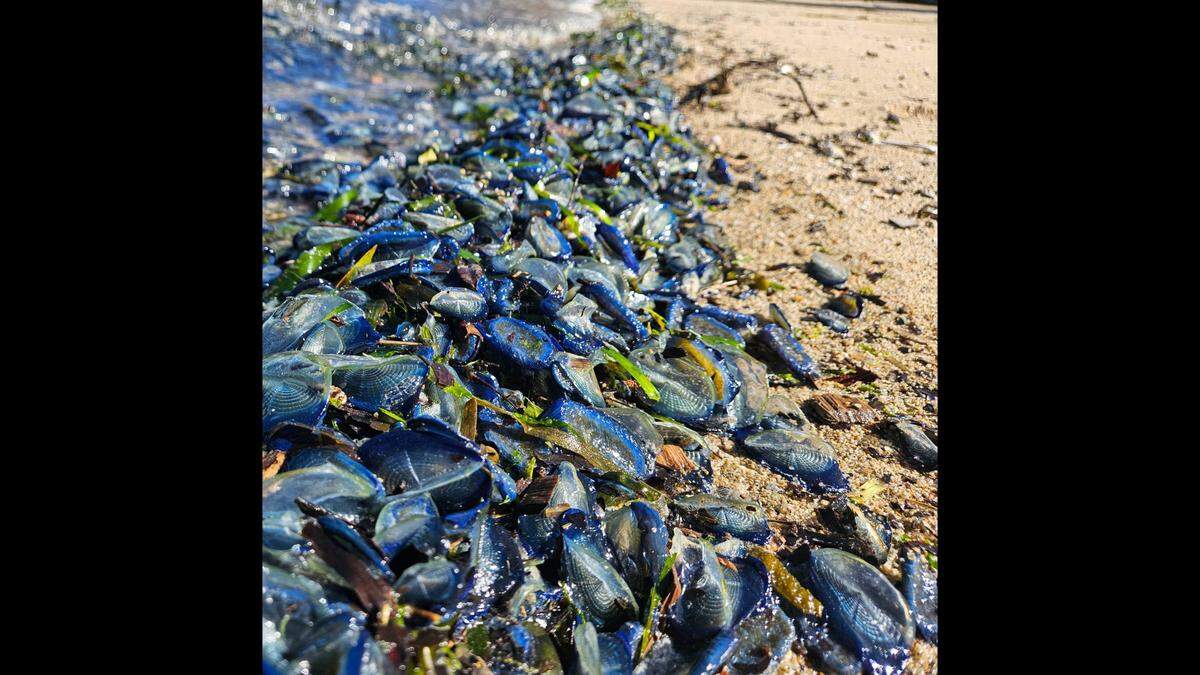
During these events, it’s not “uncommon to see miles and miles of Oregon beach carpeted with the stinking heaps of decaying velella,” according to the aquarium’s website.
The sea animals live at the ocean’s surface, according to rangers.
Their blue coloration “likely helps the velella stay camouflaged and protected from the sun’s rays,” the park said.
To capture prey, such as plankton, the park said the creatures use their “blue stinging tentacles.”
While the blobs “don’t have many known predators,” the park said they are prey for nudibranchs and purple sea snails.
What happens to those seafarers stranded on the beach?
Within a few days, the park said their “bodies decompose, leaving just their cellophane-like sail and floats.”
Some beachgoers mistake the animal corpses “for thin, clear pieces of plastic,” the aquarium says.
“Visitors walking the beaches in the next few weeks should enjoy these incredible creatures safely while their aquamarine hues last — they won’t look that good for long, and they’ll soon smell much worse,” the aquarium says.
Newport sits on the Oregon coast, about an 80-mile drive southwest of Salem.
This story was originally published March 29, 2024 at 3:33 PM with the headline "‘Blue tide’ of sea creatures blankets Oregon beach — ‘but look with your eyes’."