
Watch elephant seals cover themselves in sand on California beach. There’s a reason
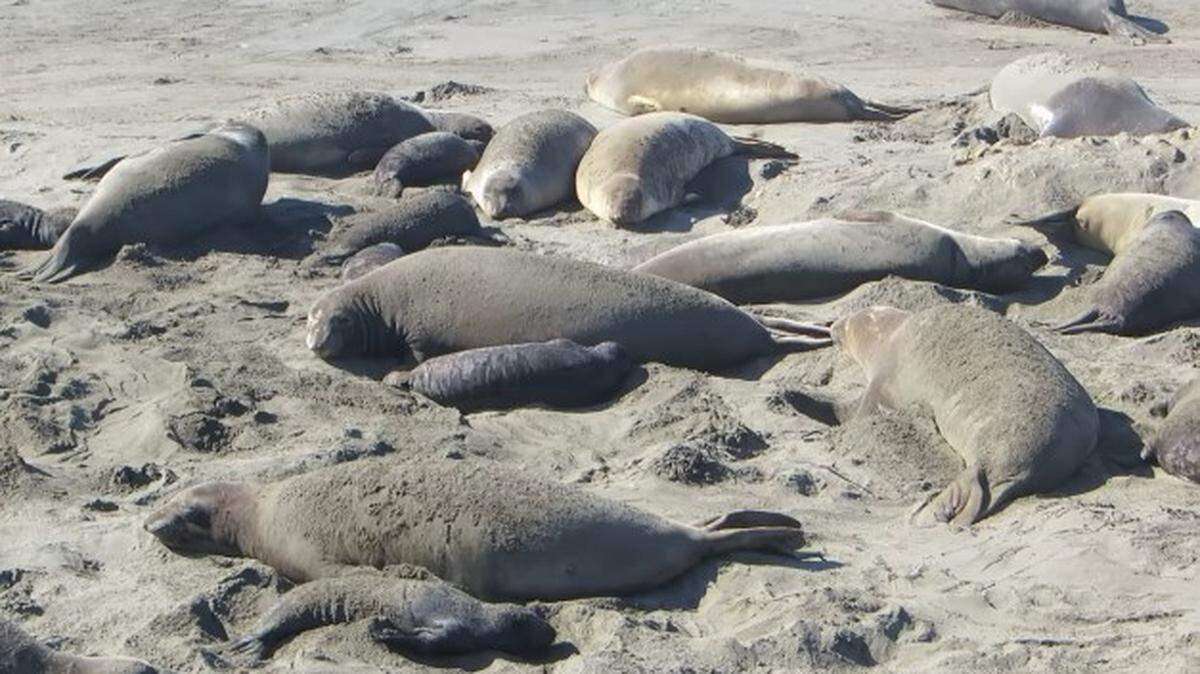
Elephant seals were caught on video flipping sand onto themselves, and it’s not just for fun, a unit of the National Park Service said.
Dozens of elephant seals were seen covering themselves in sand while making noise, the video posted to the Point Reyes National Seashore’s Facebook page on Feb. 7 showed.
But why do the creatures bathe in sand along beaches?
Well, the answer is a lot more practical than one might think.
Elephant seals’ bodies are designed to keep warm in cold temperatures, according to Friends of the Elephant Seal, so they don’t have sweat glands, park officials said. When the animals get “too warm,” the sand acts as a coolant to help their body temperature regulate.
They’re even known to raise their front flippers in the hopes of catching a gust of wind or to flip sides to help some heat escape, officials said.
Without these sweat glands, scientists have learned the animals have “thermal windows,” areas that help release heat across their blubber layer, officials said.
The sand also works as a sunscreen for the seals, letting them lie on the beach without risk of getting burned, Friends of the Elephant Seal said.
But, sometimes, the flipping of sand could mean something entirely different, the Friends of the Elephant Seal’s website said. You can find the seals doing this when they’re under stress, too.
The sand throwers can grow between 10 and 13 feet long and weigh 1,300 to 4,400 pounds, according to the National Oceanic and Atmospheric Administration. They live anywhere from 13 to 19 years.
Point Reyes Station is about 100 miles southwest of Sacramento.
This story was originally published February 7, 2024 at 5:47 PM with the headline "Watch elephant seals cover themselves in sand on California beach. There’s a reason."