
What was Florida like 5 million years ago? Fossil site offers ‘window into the past’
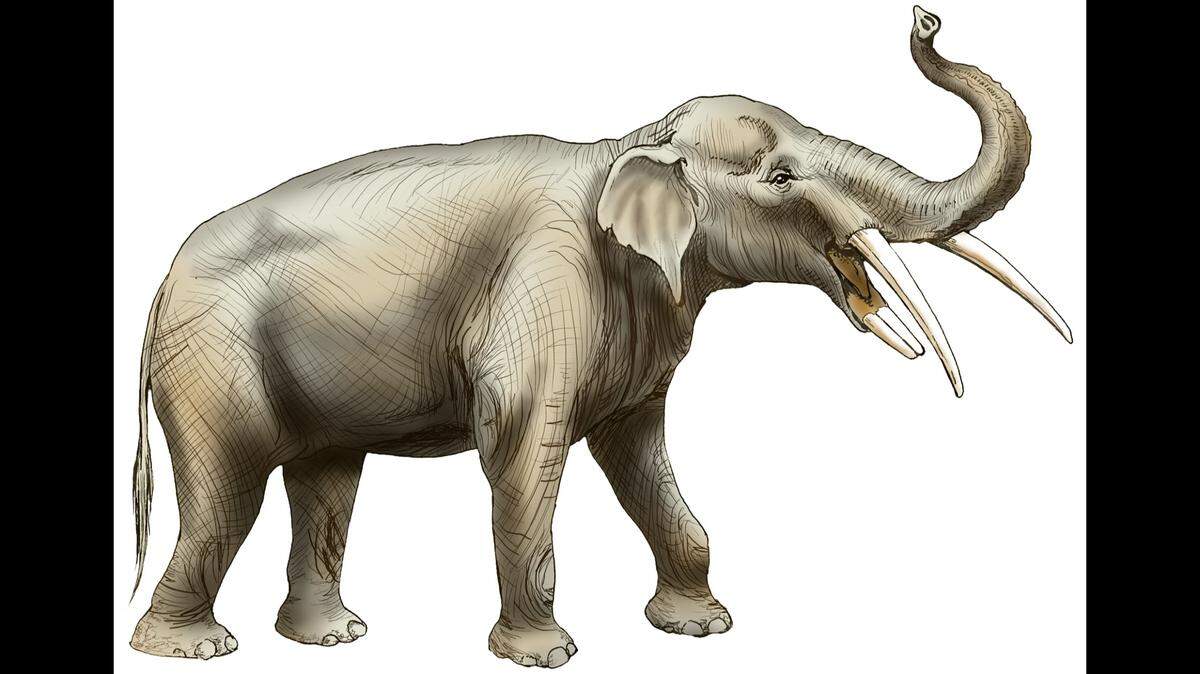
A fossil site has offered researchers a “window into the past” by revealing what life looked like in northern Florida more than 5 million years ago.
The Montbrook site, which is about 25 miles south of Gainesville, is home to a rich array of fossils, including a “once-in-a-lifetime” discovery of a full gomphothere skeleton, a prehistoric elephant relative.
“It’s the first for the state and certainly the most impressive specimen for this animal that’s been found east of the Rockies,” Jonathan Bloch, curator of vertebrate paleontology at the Florida Museum of Natural History, told McClatchy News on May 30.
Though paleontologists have been digging at the site since 2015, they discovered portions of the gomphothere skeleton in 2022 and just finished excavating the last parts of it over Memorial Day weekend, Bloch said.
The only other skeletons of this particular species, which is part of the genus Rhynchotherium, have been found at a site in Southern California, Bloch said. Plus, finding a full skeleton is already incredibly rare, he said.
“You just have to be really lucky to find something like this,” he said.
These prehistoric elephants had four tusks, instead of two like the elephants of today, and also had “ribbons of enamel” spiraling down them, Bloch said.
Gomphotheres first evolved in Africa about 23 million years ago, then started to move into Europe and Asia, according to the Florida Museum of Natural History. As of 16 million years ago, they were living in North America before crossing into South America after a land bridge rose above sea level in the area of Panama around 2.7 million years ago.
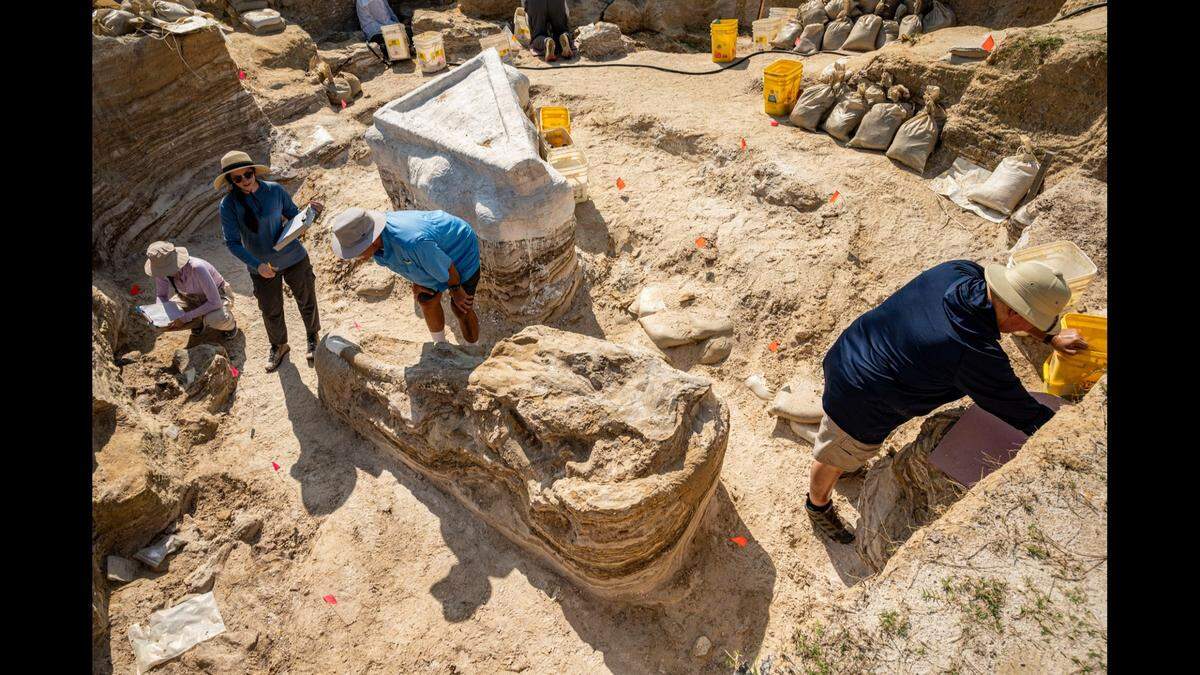
The fossils at Montbrook are about 5.5 million years old and provide a snapshot of life at an ancient river deposit, Bloch said.
Other discoveries include the oldest known skull of a smilodontine sabertoothed cat, which Bloch described as an “iconic” sabertoothed cat like the character Diego from the movie “Ice Age.”
Paleontologists also unearthed the oldest recorded fossils of swans, flamingos and quails as well as a new species of alligator, Bloch said. Not to mention remnants of llamas, camels and “stubby” legged rhinos.
But because many of the animals that became fossilized at the site had been taken there by running water, researchers did not think they would find complete skeletons, like the one discovered of the gomphothere.
“What’s incredible about fossils is that sometimes it’s just so far beyond what you even had imagined,” he said. “The fossil record constantly startles and amazes you.”
Studying the past can also give us important information about our future, Bloch said. As scientists today start to think about how climate change and sea level rise will affect the ecosystems of Florida, they can look to fossil sites like Montbrook to examine what the habitat was like when sea levels and temperatures were much higher.
“The past can be a little bit of an example for us, almost like an experiment that was run back in time,” he said.
Because the hot, wet Florida summers aren’t conducive to digging, researchers will cover up the Montbrook site for the next few months and reopen it sometime in the fall. In the meantime, they’ll continue working on preparing the gomphothere skeleton at the University of Florida lab for eventual exhibition at the Florida Museum of Natural History.
“We’re opening a window into the past that hasn’t been opened before,” Bloch said.
He also encouraged people who aren’t paleontologists to look for fossils in their own backyards.
“Keep your eyes open,” he said, “because there are fossils all around us and you can be part of the process of documenting history.”
This story was originally published May 30, 2023 at 4:28 PM with the headline "What was Florida like 5 million years ago? Fossil site offers ‘window into the past’."