Toxic ‘luster dust’ cake decoration poisoned 7 kids in Missouri, Rhode Island, CDC says
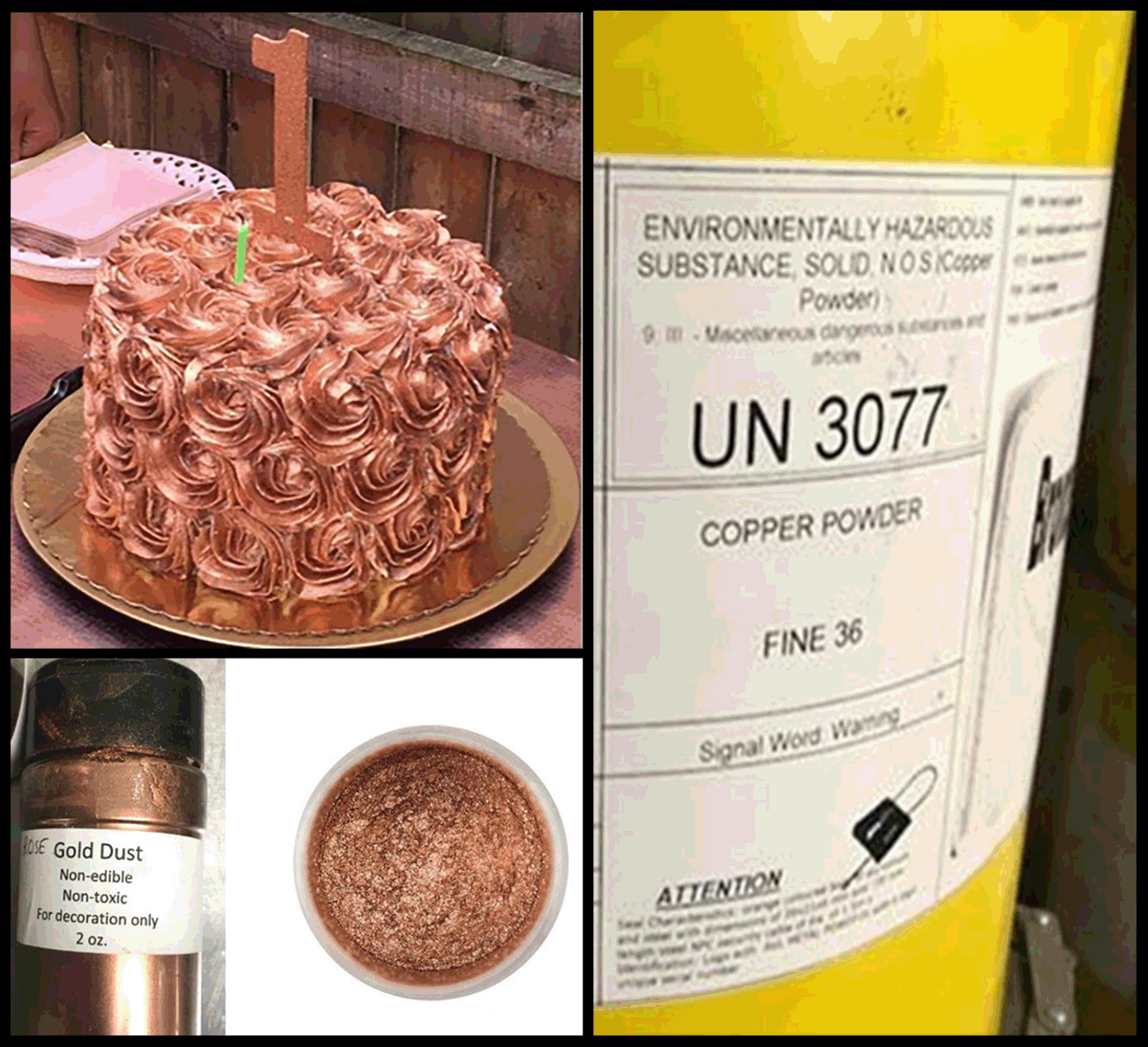
.png "One of the cakes decorated with “luster dust” that contains toxic metals that poisoned kids in Missouri and Rhode Island from 2018-2019, according to a CDC study.")
No one minds a little sparkle on their birthday cake, but federal health officials are warning “not all glitters are created equal.”
Following reports of heavy metals poisonings in Missouri and Rhode Island among children who attended birthday parties, health investigators learned the illnesses were tied to “luster dust,” a cake decoration used to give baked goods a shimmery look.
Seven kids between ages 1-11 were poisoned by the additives, which contained high levels of copper, lead and other metals. They experienced vomiting and diarrhea within 10 hours of eating the cake; one child had to go to an emergency room for treatment, according to the findings published Oct. 29 in the CDC’s “Morbidity and Mortality Weekly Report.”
The guilty containers of luster dust in both states were labeled as “nontoxic.” But that doesn’t imply the product is safe to eat, the CDC said. These luster dusts are supposed to be removed before consumption.
Luster dusts that are safe to eat are required by law to include an ingredients list on the label, but health officials note these labels should be more clear.
“Explicit labeling indicating that nonedible products are not safe for human consumption is needed to prevent illness and unintentional poisonings,” the CDC said.
Missouri poisoning case
A 1-year-old child in Missouri was poisoned in 2019 when they ate “primrose petal dust” painted on decorative flowers from a home-baked birthday cake.
The product was labeled as “nontoxic” and was sold by a Florida cake decorating company that marketed it as “a nontoxic color for decorating baked goods.”
The dust comprised 25% lead, a metal that is especially dangerous to young kids whose bodies absorb it easily. Lead can affect the development of children’s brains and nervous systems.

Rhode Island poisoning case
Six children, ages 1-11, who attended the same birthday party in 2018 got sick after eating cake decorated with “rose gold dust” ordered from a local bakery.
An investigation in the bakery found the product was labeled as “nonedible, nontoxic and for decoration only.” In the attempt to find the luster dusts’ original source, health officials found an importer who revealed the product was “fine copper powder” intended to be used as a metallic pigment for other goods, such as floor coverings, according to the report.
The Rhode Island Department of Health discovered other products for sale in the bakery coated with the same luster dust, including chocolate pops and chocolate-covered pretzels. A deeper analysis of 28 other nonedible luster dust products in the bakery found high levels of aluminum, barium, chromium, iron, lead, manganese, nickel and zinc.
Additional bakeries in the area also had “widespread use” of nonedible luster dust on their food items.
This story was originally published October 29, 2021 at 11:54 AM with the headline "Toxic ‘luster dust’ cake decoration poisoned 7 kids in Missouri, Rhode Island, CDC says."