How Wake will honor Ligon’s legacy as a former segregated Black high school
AI-generated summary reviewed by our newsroom.
- Wake County approved a design featuring a ceremonial lobby honoring Ligon's history.
- The $121 million rebuild will demolish the historic building and construct a new school.
- The Legacy Committee recommended aligning the campus along Haywood and a history spine.
Ligon Middle School’s legacy as a former segregated Black high school will be preserved through a new design that will promote the history of the school.
The Wake County school board approved a design Tuesday that will feature a ceremonial lobby with artifacts from the former high school. The design will be part of a $121 million project that will see the historic building demolished and rebuilt as a new state-of-the-art facility.
School board chair Tyler Swanson said he had reviewed the minutes of the old Raleigh City school board when Ligon opened in the 1950s. Swanson said the new school will help address wrongs such as how Ligon had originally failed inspection due to getting inadequate resources.
“This is an opportunity to rewrite the wrongs with the history and give Ligon a second chance,” Swanson said.
Money to pay for the Ligon project would come from a $680 million school construction bond referendum that the school board wants on the Nov. 3 ballot.
Ligon’s legacy debated
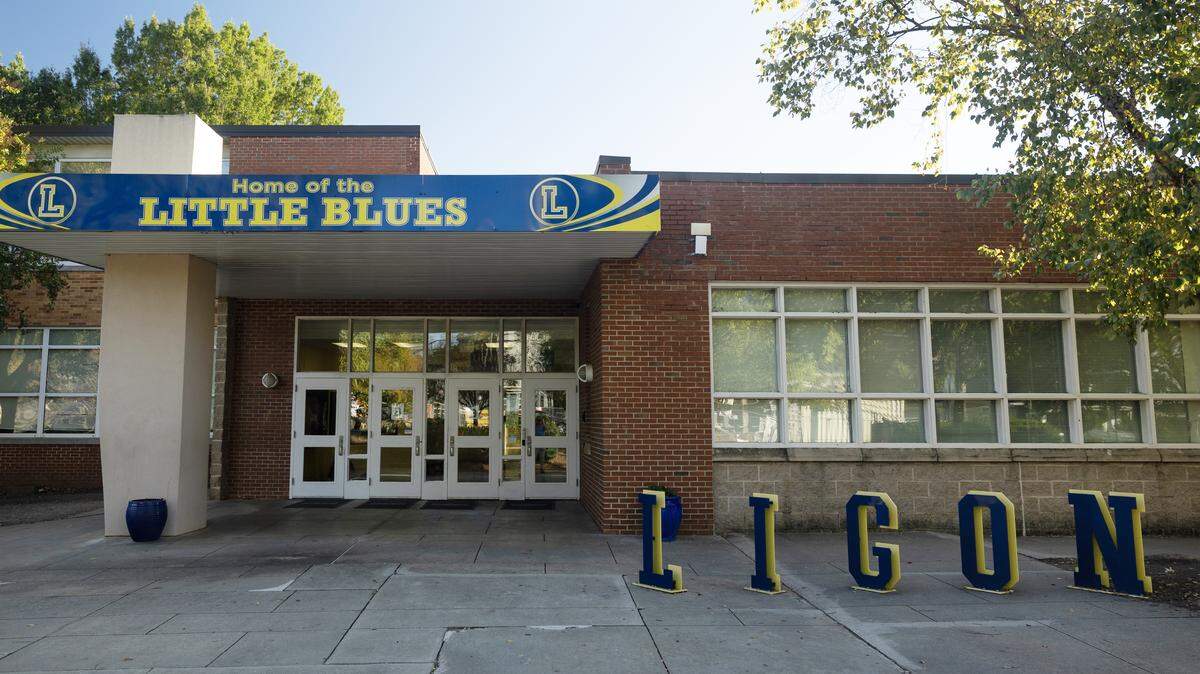
Ligon High School opened in 1953 off Lenoir Street as Raleigh’s Black high school during Jim Crow segregation. The school is named after John W. Ligon, a respected educator, minister and important leader in Raleigh’s Black history.
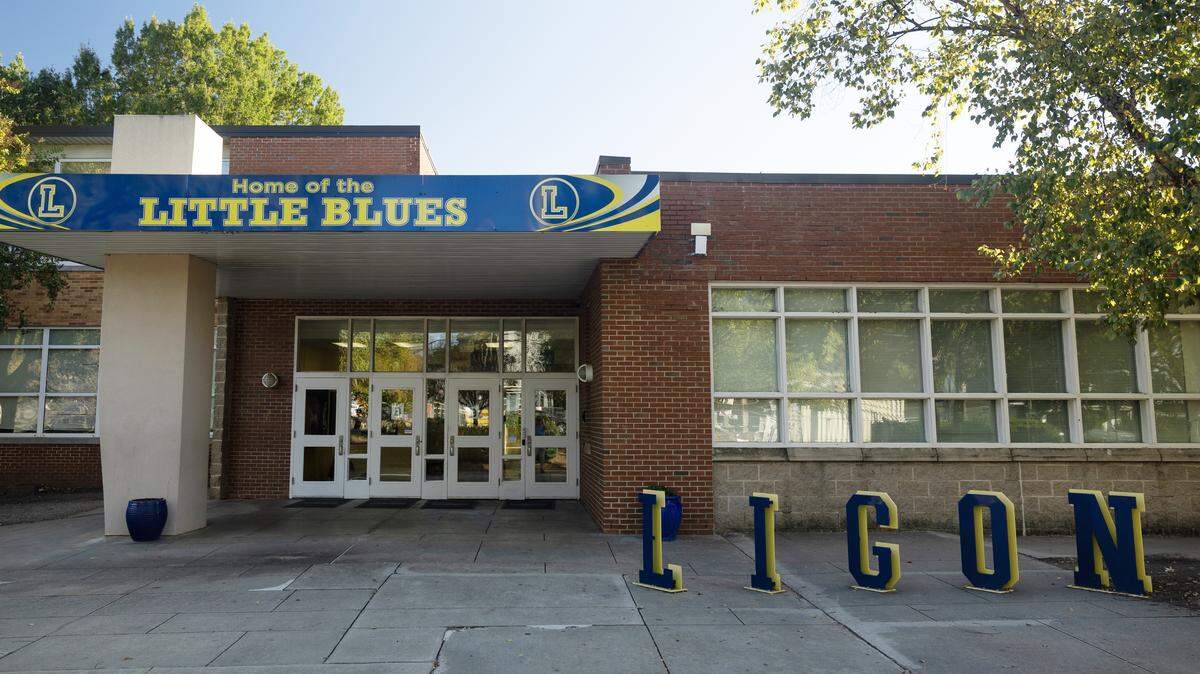
In 1971, Ligon was converted to a junior high school as part of an effort to integrate the Raleigh City Schools. It’s now a Wake County magnet school serving middle school students from across the district.
In March, the school board approved a plan backed by Ligon’s families and staff to build a new school on the site of the current ball fields. Alumni from when Ligon was a Black high school want to either renovate the historic building or rebuild on the site of the 73-year-old structure to keep it on the hill at the top of the property.
In a concession to alumni, the school district formed a Ligon Legacy Committee to include in the design plans some sort of tribute to the former high school.
Superintendent Robert Taylor called the site “sacred ground” and said they were going to do more than just put a placard at the new school.
New design features ceremonial lobby
The Legacy Committee recommended a design that aligns the campus along Haywood Street. Features include:
- 2-story ceremonial lobby that connects from Haywood Street through the main public lobby on the first level.
- One centralized lobby adjacent to all public functions.
- Best solar orientation for classrooms.
- Design uses a “history spine” highlighting the school’s history throughout the building.
School board member Toshiba Rice called the design a “redemptive process” after the controversy over the rebuild plans.
“There was active listening going on with staff,” said Rice, whose district includes Ligon. “They brought back what the committee was asking for.”
This story was originally published May 20, 2026 at 5:55 AM with the headline "How Wake will honor Ligon’s legacy as a former segregated Black high school."