
What changes did UNC System campuses make in 2nd year of anti-DEI policy?
Welcome to Dean’s List, a higher education newsletter from The News & Observer and me, Korie Dean.
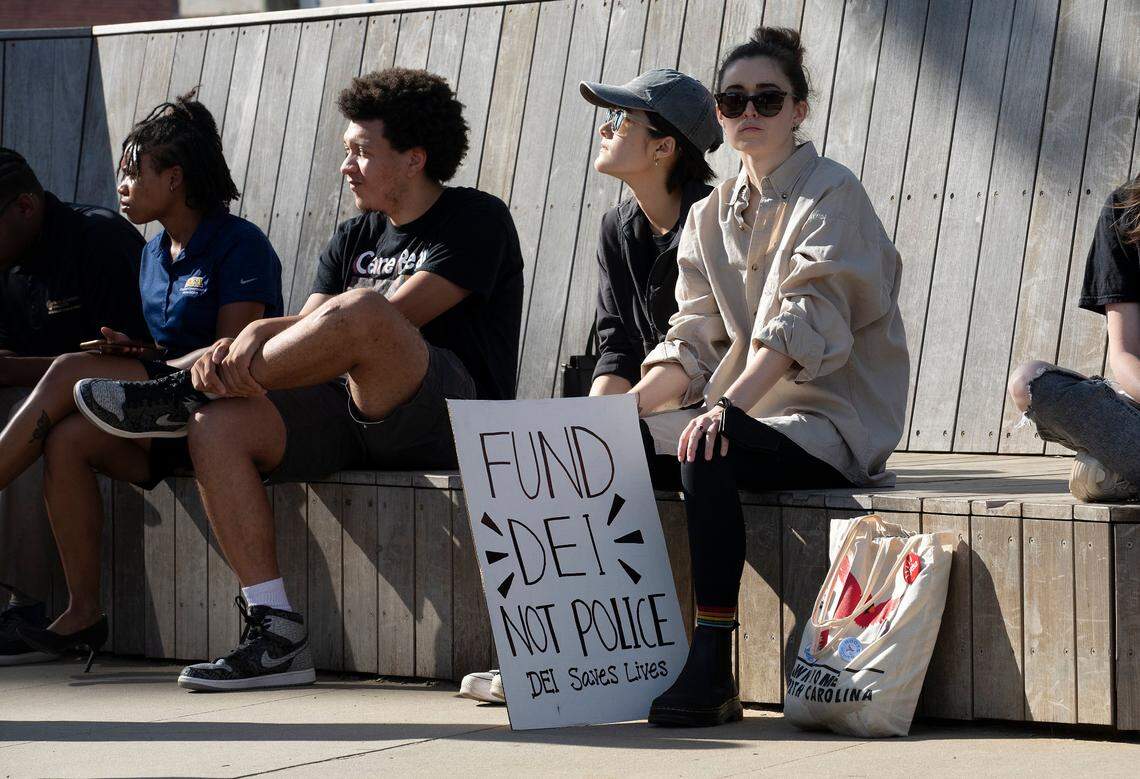
Last year, the headlines resulting from the UNC System’s repeal of diversity, equity and inclusion were striking.
No more DEI offices. Nearly five dozen jobs eliminated and more than 130 more “realigned.” More than $17 million in “savings” identified.
“Some will say the campuses went too far. Some will say that the campuses didn’t go far enough,” UNC System general counsel Andrew Tripp said at a Board of Governors meeting when the initial reports were released for the first time.
Now, some campuses have gone farther.
The system last week released the second year of reports detailing how the state’s public universities have continued to comply with the “equality policy,” which replaced previous DEI mandates in favor of nondiscrimination, neutrality and freedom of expression, among other ideals.
This year’s reports don’t carry the same punch as last year’s; few additional jobs were eliminated. Still, there were notable changes at some universities.
This week’s newsletter includes a look at those efforts.
Also included:
- Budget cuts at East Carolina University;
- Reaction to Jerry Seinfeld’s comments on “Free Palestine” at Duke University;
- Moments from the memorial for one of NC A&T State University’s Greensboro Four;
- and more.
UNC System releases 2nd year of ‘equality policy’ reports
Some campuses reported ending DEI-related programs or operations.
For instance, NC State ended its Black Male Initiative and Native Space Village, “learning villages” in university housing dedicated to those groups. NC State also suspended its Council on the Status of Women, a group that advised the provost on the “professional advancement” of women at the university, as reported by The Technician.
While fewer jobs were eliminated or altered this year, some campuses did report changes related to jobs.
- NC State University, for instance, reported that three positions previously “realigned” to remove their ties to DEI became vacant this year and were eliminated.
- Winston-Salem State University realigned one job, changing the Coordinator for Student Leadership, Belonging, and Off-Campus Housing to the Coordinator for Residential Student Leadership and Off-Campus Housing.
- And Elizabeth City State University reported that three jobs it had proposed filling in last year’s certification report have gone unfilled due to the UNC System’s cap on salary spending and hiring.

Most of the efforts this year took place on a smaller scale compared to the widespread, drastic changes campuses implemented last year. This year’s changes involved:
- Scrubbing websites and other university materials of references to DEI — like at ECU, where faculty reviewed their manual to ensure language in the document was consistent with the equality policy, and at Fayetteville State University, which now reviews its content monthly.
- Modifying employee trainings to align with the new policy requirements, and offering new training on the policy — like at UNC Charlotte, where a spring “lunch and learn” event on the equality policy drew 450 attendees.
- Opening programs that were previously restricted to underrepresented groups to all students, faculty and staff — like at NC Central University, where the former LGBTA Resource Center and Intercultural Center are now “Student Wellness Lounges” open to all.
Schools also reported on their compliance with a February mandate from the system to end DEI course requirements for students. As previously reported in Dean’s List, some campuses received waivers to keep select requirements for programs such as nursing, social work and education, citing standards from professional accreditors in those areas.
Turning down or returning money
Some universities took a financial hit from this year’s compliance efforts. Reports from Fayetteville State, NC Central and NC A&T detailed the schools’ decisions to decline or return grant funding because of the policy and its restrictions.
At NCCU and FSU, the funds were part of the HBCU Takeoff initiative, in which participating schools seek to improve the experiences and academic success of undergraduate men of color.
“The University has undertaken a painstaking process of considering whether to accept the award as it seeks to remain in compliance with the UNC System equality policy. At issue is the fact that institutional data shows that men of color lag in academic achievement within the institution, just as they do in national statistics. Providing focused support for this group of students will ultimately benefit the entire student body,” NCCU’s report reads, before concluding: “Despite this consideration and rationale, the University reached a decision to decline the funding due to the narrow scope and restrictive terms of the grant and how they place the University at risk of non-compliance.”
Regarding a similar situation, NC A&T’s report reads: “While rejecting funding is never easy, doing so reinforced N.C. A&T’s commitment to the law, demonstrated integrity in practice, and set a clear precedent that compliance takes priority over external resources.”
The full reports are available on the UNC System website.
ICYMI: Catch up on these headlines
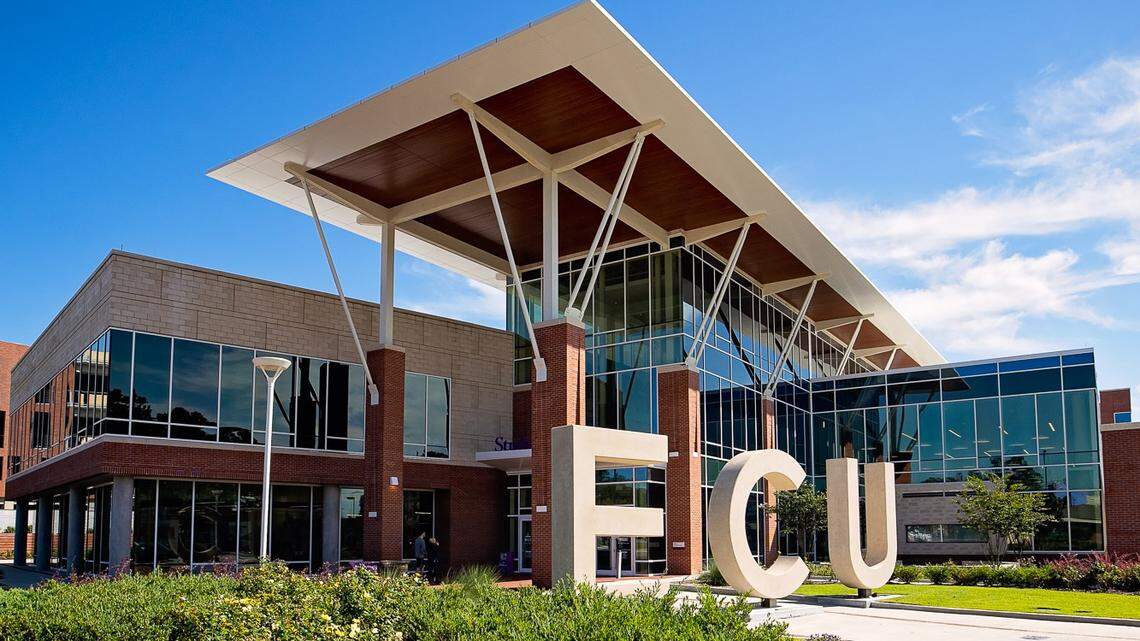
I was away last week attending the Education Writers Association’s annual higher education seminar in Detroit. But before I left, I published a story about budget cuts at ECU.
The university plans to cut $25 million over the next three years, accounting for roughly 2% of its total budget. That includes at least $5 million this academic year, with $4.2 million of that total in “cost savings” already identified by campus leaders.
The effort, which comes amid enrollment and budget challenges for the Greenville university, could result in cuts to jobs and academic programs.
For more, read the full story: ECU to cut $25 million over next 3 years as enrollment and budget challenges loom
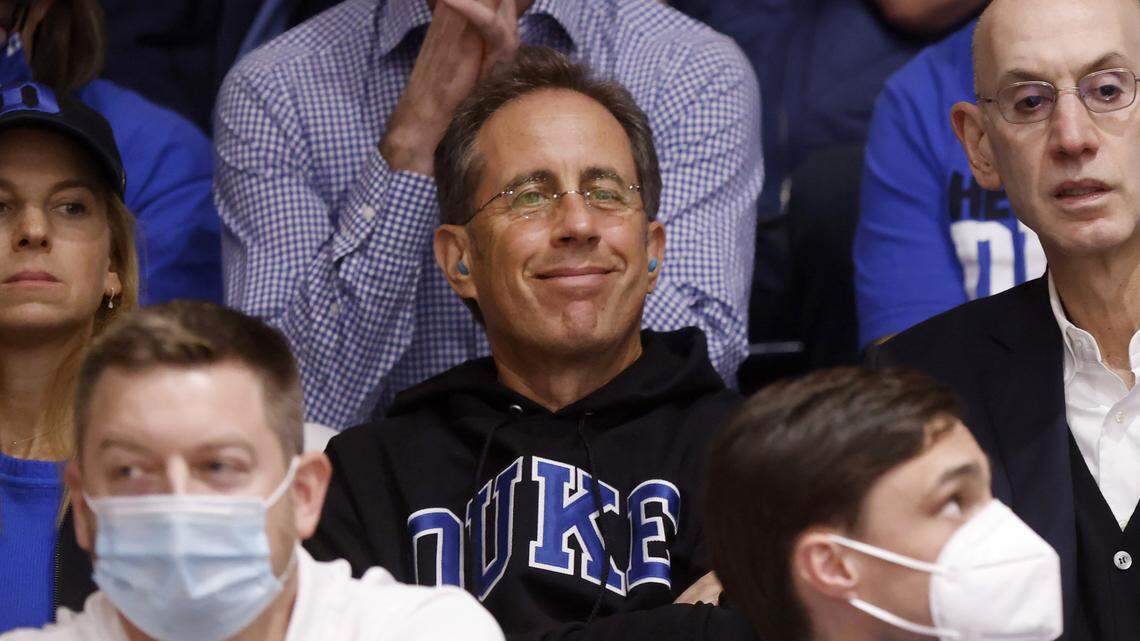
Jerry Seinfeld is a familiar face around Duke University.
The father of two Blue Devils and former chair of the university’s Parents Committee who has been spotted on the basketball sidelines, Seinfeld gave the commencement address at Duke last year.
But his comments at a recent campus appearance are drawing criticism. Introducing a former Israeli hostage, Seinfeld compared the “Free Palestine” movement to the Ku Klux Klan, according to the Duke Chronicle.
For more, read the full story from The N&O’s Luciana Perez Uribe Guinassi: Duke faces scrutiny over event where Seinfeld likened ‘Free Palestine’ to KKK
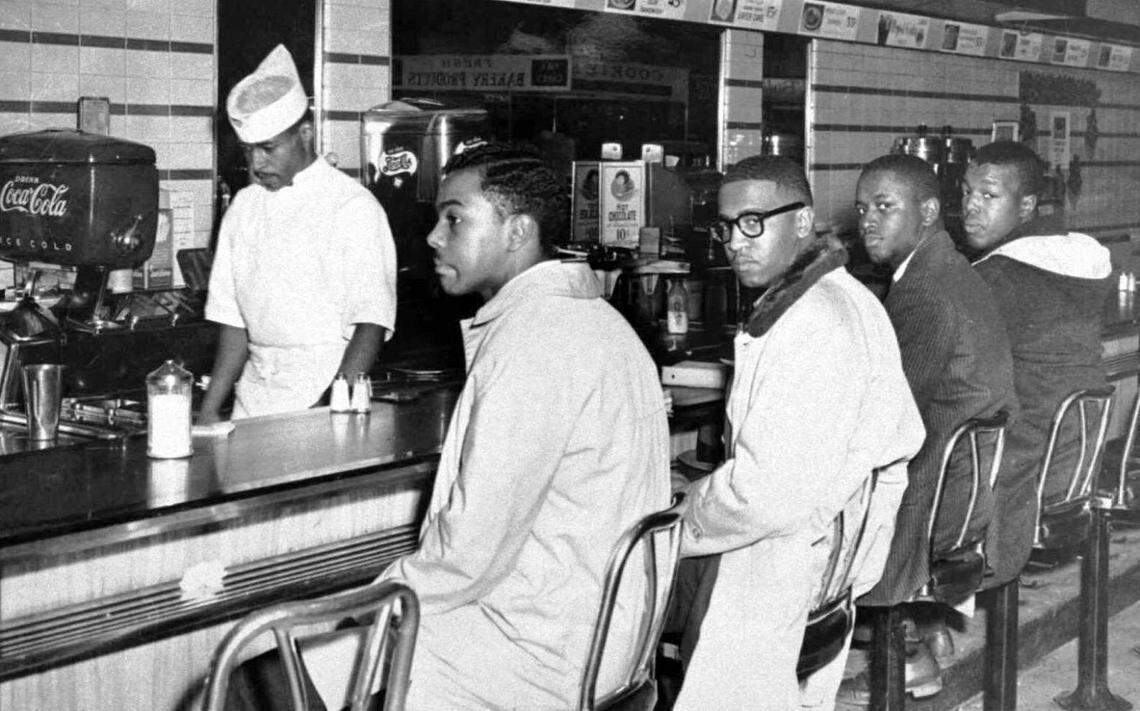
Maj. Gen. Joseph Alfred McNeil, one of the four NC A&T State University students who helped spark the Civil Rights Movement with their lunch counter protest at an F.W. Woolworth in downtown Greensboro, died Sept. 4. He was 83.
The university last week served as the site of McNeil’s memorial service, and students paused on their way to classes to honor him.
The Charlotte Observer’s Joe Marusak reports from the service: Joseph McNeil, Greensboro Four civil rights icon, memorialized at NC A&T service
Higher ed news I’m reading
- The fatal shooting of conservative activist Charlie Kirk at Utah Valley University last week is an “historic moment that will jolt already-intense debates about free speech, civil discourse, and political polarization on college campuses,” The Chronicle of Higher Education writes.
- At least eight faculty and staff around the country, including an instructor at Guilford Technical Community College in Jamestown, have been fired or suspended for comments they made about Kirk’s death, Inside Higher Ed reports.
See you next time
Thanks for reading Dean’s List. I’ll see you next time.
Not a subscriber? Sign up on our website to receive Dean’s List in your inbox each week.
This story was originally published September 16, 2025 at 5:00 AM with the headline "What changes did UNC System campuses make in 2nd year of anti-DEI policy?."
