Should Wake limit student phone use in schools? The public can weigh in on the issue.
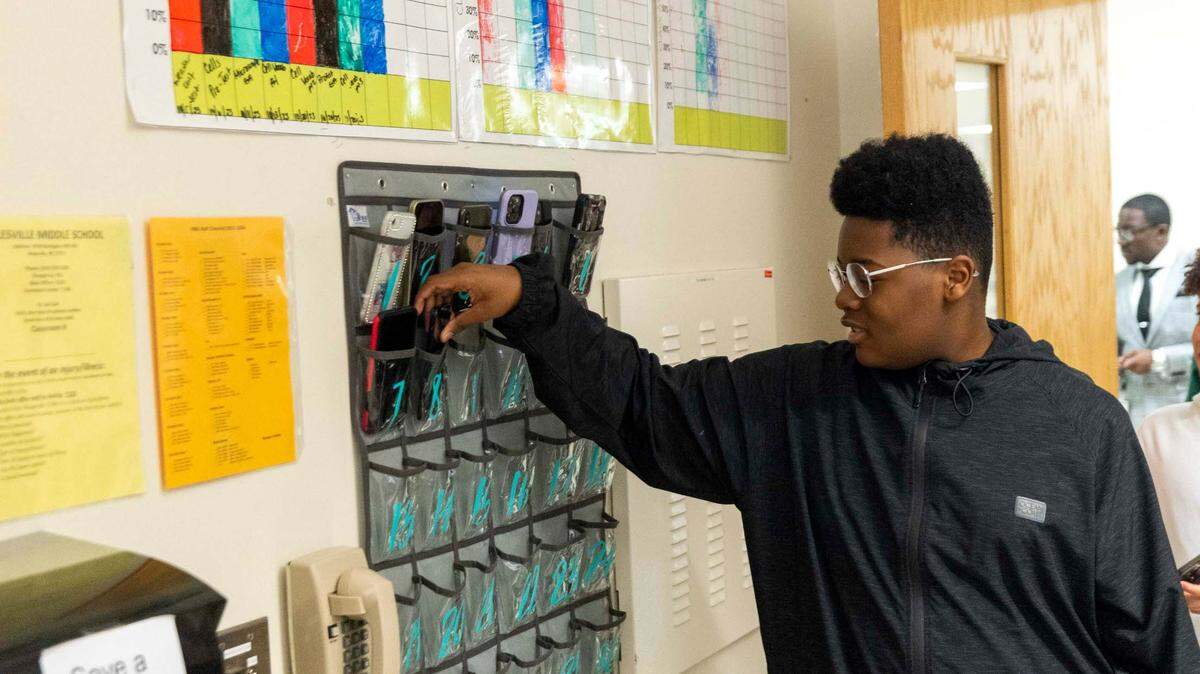
Wake County wants to hear from parents, students and teachers about whether to limit student cellphone use in schools.
School administrators said Tuesday they’ll conduct a district-wide survey and meet with focus groups before recommending updates to the cellphone policy for the 2025-26 school year. The review comes as an increasing number of states and school districts have limited student access to their phones as a way to reduce classroom distractions.
“Our current policy dates back to a time when we were also concerned about pagers and two-way radios from Nextel,” school board chair Chris Heagarty said at Tuesday’s board policy committee meeting. “Technology has advanced so far since when we considered it.”
“It’s time that we take a look at this,” Heagarty added.
Administrators also plan to survey the public about the use of school computers given to students. Wake, like other districts, accelerated plans to give a computer to every student when schools switched to online learning during the pandemic.
Specific details about how the surveys will be conducted were not released Tuesday.
‘Distraction-free instructional time’
Schools have been debating whether to allow students to have phones for more than two decades.
In the 2021-22 school year, 76% of U.S. public schools prohibited non-academic use of phones during school hours, according to the National Center for Education Statistics. The ban was highest in elementary and middle schools but dropped to 43% in high schools.
At least 16 states have passed laws or enacted policies that ban or restrict students’ use of cellphones in schools statewide or recommend local districts enact their own bans or restrictive policies, according to an Education Week analysis.
Wake students already know some changes are likely coming. Around 100 students attended a meeting on the issue held by the Superintendent’s Student Advisory Council.
“Students are aware it’s an issue,” said Julie Crain, Wake’s senior director of policy. “They are aware and they know that something is probably going to occur. Some new guideline of framework for when they have access to it, how they have access to it, and they understand that.”
Wake has been reviewing cellphone policies from other school districts, including some from North Carolina that limit or completely ban phone use during the school day.
“We have to have distraction-free instructional time,” Heagarty said. “The good results I’m hearing from districts that have placed more restrictions are really from the teachers who talk about students that are engaged and listening, that are making eye contact, that talk to their peers.
“They say the breaks between classes are louder now. But it’s because students are talking to each other and not just staring at their phones.”
Will change disproportionately affect Black students?
In Wake County, the decision to allow phone access for students is currently left up to principals. That means there’s a wide range of policies across the district and even internally in some schools.
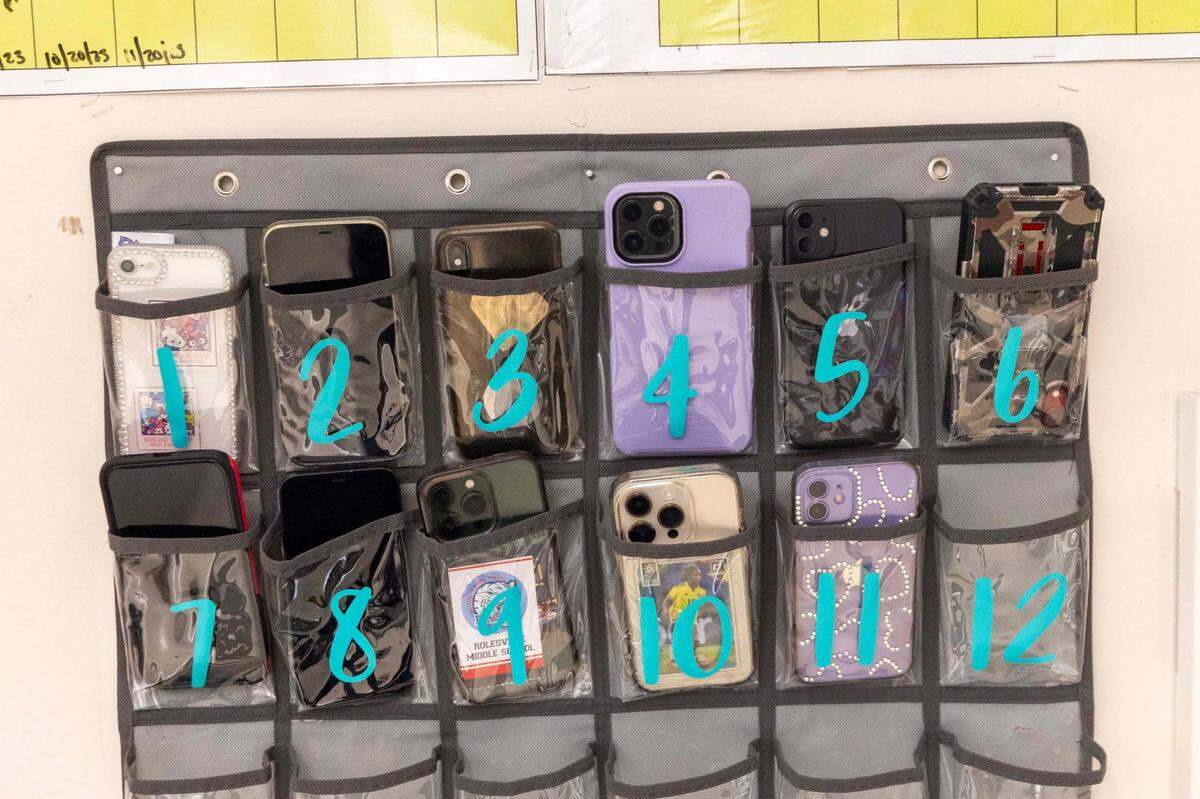
“There are some minimums that I do think we need in place,” Heagarty said.
Board member Sam Hershey floated the idea of not allowing cellphones to be used in elementary and middle schools during the school day. He said that high schools might have more flexibility, such as allowing phones to be used in hallways and during lunch.
Board member Toshiba Rice cautioned against giving too much flexibility to principals. She noted the discipline data that shows Black students are suspended at a much higher rate compared to other groups.
“When we think about the students who will most likely get in trouble are students that look like me when there’s conflict,” said Rice, who is Black. “I’m being very open about that and that’s what we see through data, through our behavioral data that comes through and things like that until we can train people on how to be a little more empathetic and open.”
Should Wake speed up changes to school cellphone policy?
The staff’s proposed timeline is to get feedback on cellphone policy changes from November to February. Findings for updating the policy would come in February or March to go into effect next school year.
But Hershey said the board should approve changes to go into effect in the second semester, which starts in January.
“Three months is plenty of time for families and teachers and schools to prepare for what is likely to come,” Hershey said.
But other board members said they should follow the staff timeline to get as much feedback as possible first.
“I want to make sure everyone feels safe around this policy and we’re not moving off emotion, but we’re moving off of data and we’re moving off of common-sense factors,” Rice said.
Board member Lindsay Mahaffey, who chairs the policy committee, said any changes need to come with a communication plan on what the expectations for parents will be under the new policy. Mahaffey said parents like herself will need to “retrain” their brains about not texting their child while they’re in school.
“My kid’s job is to be in school and I can call the front office and let them know and connect to my kid,” Mahaffey said.
This story was originally published October 29, 2024 at 12:40 PM with the headline "Should Wake limit student phone use in schools? The public can weigh in on the issue.."