It’s harder now for NC school districts to switch to remote instruction. Here’s why
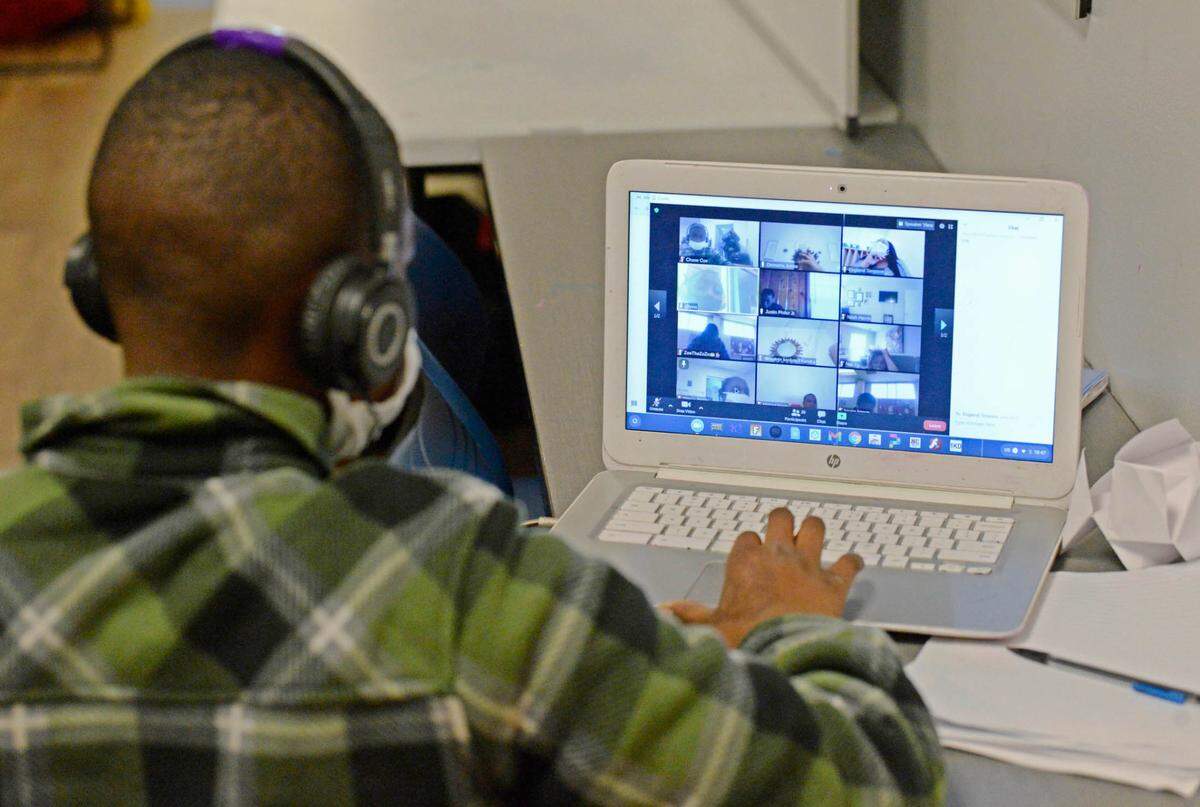
None of North Carolina’s school districts have switched to remote instruction at a time when thousands of schools across the nation are pausing in-person classes due to the surge in COVID-19 cases.
A total of 3,713 schools across the United States are closed in the first week of January, according to Burbio, which tracks school closings.
But that’s not happening in North Carolina, with some school leaders pointing to a new state law that limits their ability to go to remote classes even as new cases of COVID-19 are at record levels.
Senate Bill 654 says individual schools or classes can only switch to remote instruction if COVID exposures lead to not having enough staff or too many students quarantined. The law says in-person instruction must resume once there’s enough personnel or the required student quarantines are completed.
“Due to Senate Bill 654, our school board does not have the legal authority to change to remote learning for our whole school district,” Bettina Umstead, chairwoman of the Durham school board, tweeted Sunday.
The law “does not give us the ability to pre-emptively close, but only as a response to COVID-19 situations,” according to Crystal Roberts, a Durham Public Schools spokeswoman.
Under the law, which was passed in August, school districts must report to the state Department of Public Instruction within 72 hours if they’ve shifted any classes or schools to remote instruction because of COVID-19. None of the state’s 115 school districts have reported any shifts, according to DPI.
Groups want to keep schools open
The nationwide school closures have caused some parent groups, including Children First North Carolina, to issue a joint statement this week urging schools to stay open. These groups also opposed the earlier school closures during the pandemic.
“Between a crushing epidemic of learning loss and deteriorating mental health, kids are suffering even more today than in 2020,” according to the joint letter. “We cannot move backwards: we must move forward and restore normalcy,which centers on in-person school for all kids across the country, in educational environments devoid of unnecessary restrictions on children.”

Schools in North Carolina and nationally saw a major drop in student test scores last school year.
Some North Carolina lawmakers and parents wanted to avoid a repeat of last school year when they said districts waited too long to switch from online classes back to in-person instruction. Students in some districts went more than a year before resuming in-person classes.
Limited reasons for COVID closure
Senate Bill 654 allows for two kinds of remote-learning days.
One section gives school districts up to five days of remote learning for when schools “are unable to open due to severe weather conditions, energy shortages, power failures, or other emergency situations.” But DPI guidance tells schools that this section is intended for traditional reasons for school closures.
The other section in the law deals specifically with switching to remote classes due to COVID-19.
The DPI form for reporting closures due to COVID-19 tells districts that insufficient personnel or required student quarantines “are the only reasons that a school may close and revert to virtual learning.”
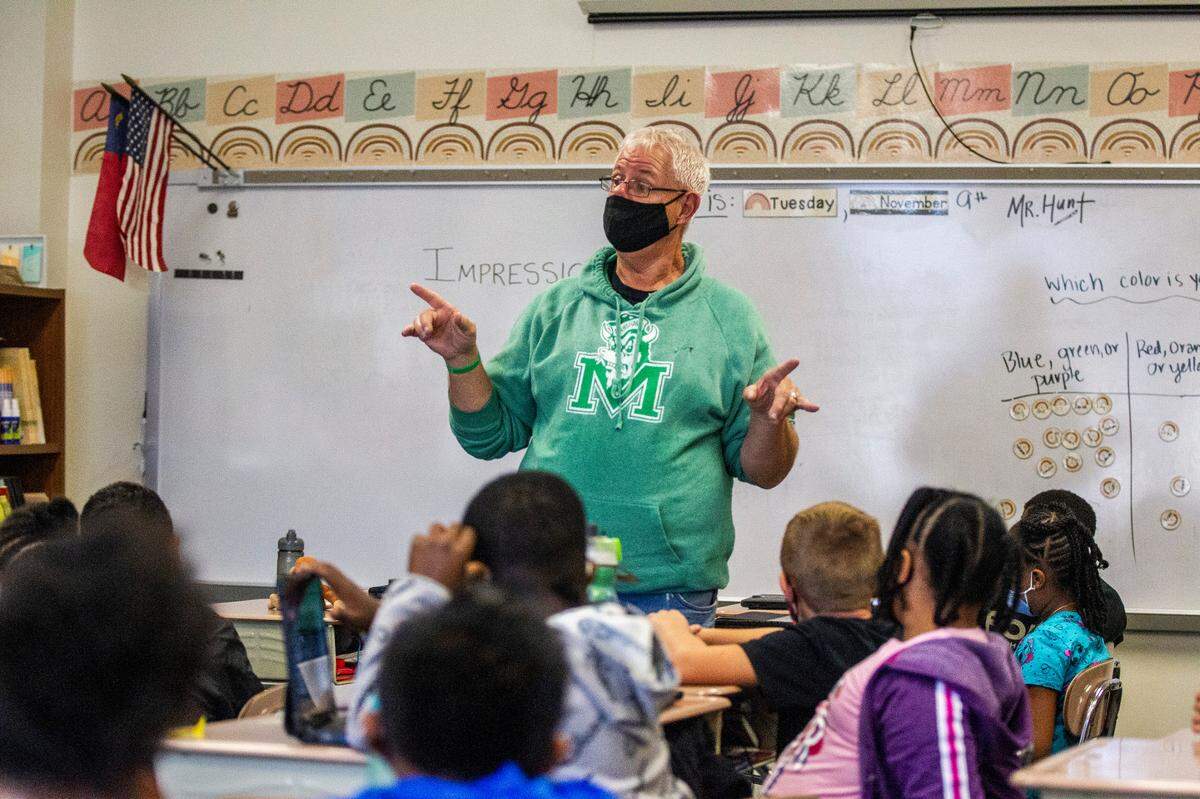
The law still makes it possible for a district to go fully remote, according to Blair Rhoades, a DPI spokeswoman.
“If there is district-wide spread, a district could make the determination for schools, but as stated in the SafeSchools Toolkit, safe in-person instruction remains the priority,” Rhoades said in an email.
But Rick Su, a UNC Law School professor who specializes in state and local government law, said it creates a much higher bar for school districts now.
“It severely hampers going remote unless there are these specific conditions,” Su said in an interview. “A general concern about escalating case counts is not one of those conditions.”
Removing school board discretion
On Tuesday, the Cumberland County school system opted to stay with in-person instruction. Switching the entire district to remote instruction for the rest of the week had been one of the options.
“Our understanding is that the entire district could move to remote instruction in the event of an emergency,” Lindsay Whitley, a Cumberland County school district spokeswoman, said in an email. “However, since we had adequate staff to proceed with in-person learning, we did not have to go down that road.”
The district left open the option of moving individual schools and classes to remote instruction, though.
Senate Bill 654 was approved as part of a wide-ranging COVID bill. Other provisions include requiring school boards to hold monthly votes on their face mask policies.
Unless the law is changed, Su said that in his opinion it makes it almost impossible for school districts to go fully remote.
“What this law signifies to me is we don’t want school boards to have a lot of discretion with COVID,” Su said.
This story was originally published January 5, 2022 at 2:06 PM with the headline "It’s harder now for NC school districts to switch to remote instruction. Here’s why."