As UNC chancellor Guskiewicz faces renewed scrutiny, here’s a look back at his tenure
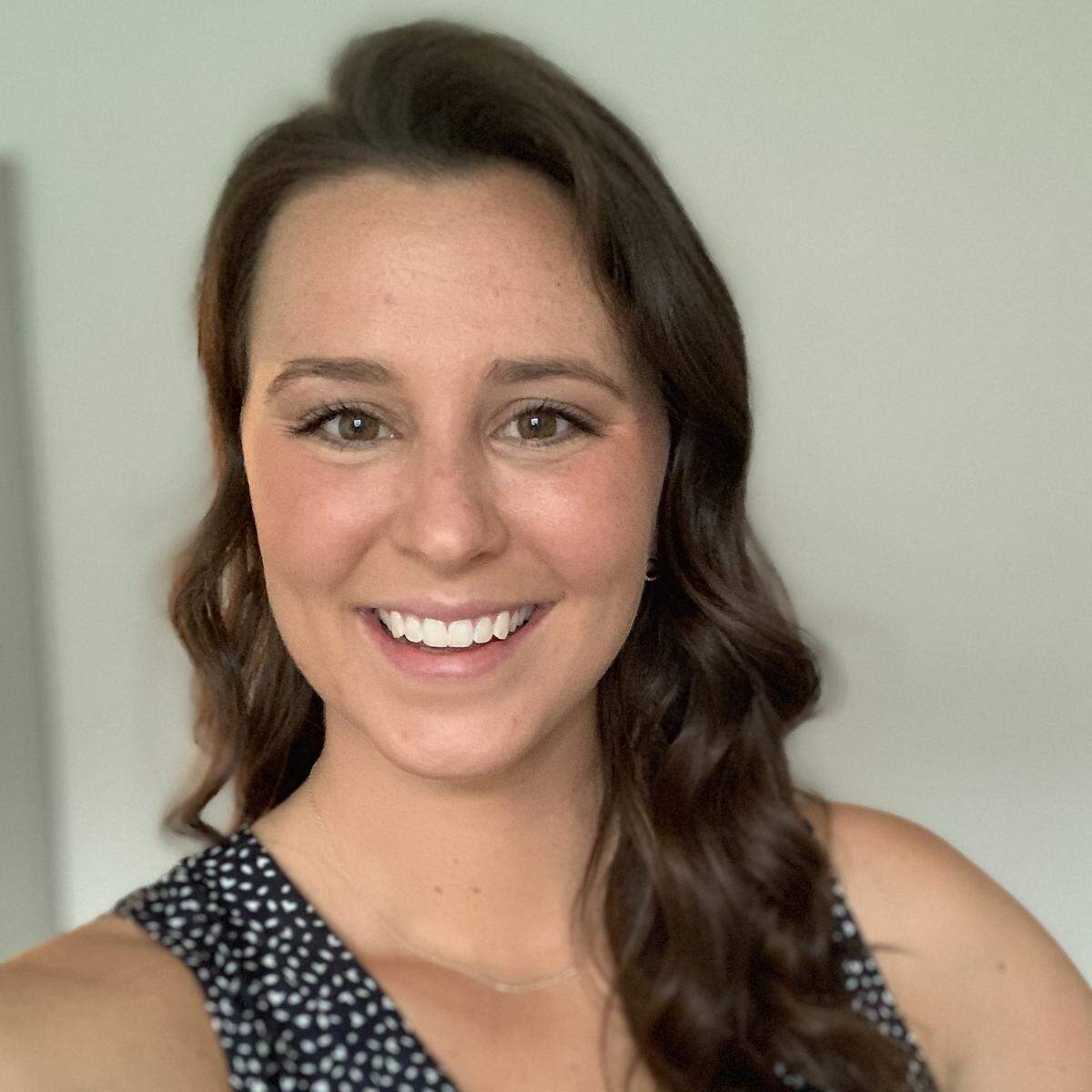
UNC-Chapel Hill Chancellor Kevin Guskiewicz, the university’s 12th leader, started as interim chancellor in February 2019 before getting the job permanently in December that year.
But since then, he has faced his share of crises and controversies, including a university settlement over the Silent Sam Confederate statue, the coronavirus pandemic, and the handling of tenure for award-winning journalist Nikole Hannah-Jones.
Wednesday, there will be an emergency faculty meeting at 3 p.m. to discuss “university administration and governance.” Faculty Chair Mimi Chapman called the meeting Tuesday over concerns that political officials, UNC-CH trustees and UNC System Board of Governors members are seeking to replace Guskiewicz, The News & Observer reported.
“This would be an absolute disaster for our campus to have a change in leadership right now,” Chapman told The N&O.
Here’s a look at Guskiewicz’s time at UNC, and some of the key moments since he became chancellor, according to previous reporting in The News & Observer.
Before Guskiewicz becomes UNC chancellor
Guskiewicz joined the UNC faculty in 1995. Over the years, he became a department chair, senior associate dean, and in 2016, dean of the College of Arts and Sciences.
Guskiewicz, a neuroscientist, became founder and co-director of UNC’s Matthew Gfeller Sport-Related Brain Injury Research Center as well as director of the University’s Center for the Study of Retired Athletes. In 2011, he won a MacArthur “Genius” grant, and in 2013, Time magazine named him a “game changer” for his work in making football safer in the NFL and NCAA.
He was known for his ability to raise funds. In 2017, the university reported the largest gift in the history of the College of Arts and Sciences, and the college raised more than $400 million.
Becoming UNC’s interim chancellor
▪ Jan. 14, 2019: Then-Chancellor Carol Folt ordered the removal of the pedestal where the controversial Silent Sam Confederate soldier statue had stood for more than a century. Folt also announced her unexpected resignation at the end of the spring semester.
But in accepting Folt’s resignation, the UNC Board of Governors gave her two weeks notice to leave her job with her last day on Jan. 31.
▪ Feb. 6, 2019: Guskiewicz is named interim chancellor at the campus, effective immediately. He said his goal is to be ”strategic, bold and student-focused.” He held listening sessions with students, faculty and staff; put together task forces to address key issues on campus; and traveled across the state on a bus in an effort to connect the university with the people it serves.
But in his first months on the job as interim leader, he faced several controversies. He oversaw the transition of leadership and hired a new police chief in the UNC police department, which was investigated after facing scrutiny over its handling of incidents involving an armed intruder on campus and Confederate and anti-racist protesters.
Guskiewicz had to address the release of a federal investigation that showed UNC-Chapel Hill violated the Clery Act, a federal campus safety law, for years. That report came on the heels of a survey that found ”alarming” rates of sexual assault on UNC’s campus.
Silent Sam settlement
▪ Nov. 27, 2019: The university announced that Silent Sam, which was torn down by protesters in 2018, is now in the hands of the Sons of Confederate Veterans, who also will receive up to $2.5 million to transport and preserve the monument through a charitable trust set up by the UNC System.
Guskiewicz applauded the resolution because the statue wouldn’t return to campus. But faculty, students and community members expressed immediate outrage about the settlement. The chancellor released another statement addressing those concerns but still supported the deal.
Scrutiny continued into December as the focus turns to how the decision was made behind closed doors and when the settlement terms had been agreed upon.
▪ Dec. 6, 2019: While questions still linger about the settlement, Guskiewicz tried to offer some answers, explaining that members of the Board of Governors negotiated and approved the settlement.
That committee met in private to discuss the solution before the lawsuit was filed, and the North Carolina Attorney General’s Office approved the settlement. Guskiewicz said the deal was not presented to him or the UNC Board of Trustees for approval.
He announced he will establish a fund that will “more comprehensively support the important work necessary to boldly transform our campus and build our community together.”
▪ Dec. 9, 2019: Faculty members demanded a stronger response, calling upon Guskiewicz and provost Bob Blouin to say they opposed the payment and to get answers from the UNC System Board of Governors about how and why the decision was made. On Dec. 11, Guskiewicz asked UNC System leaders to clear up questions about the settlement.
▪ In February 2020, an Orange County judge reversed his decision on the $2.5 million settlement, giving the UNC System the statue and most of its money back.
Named UNC chancellor, officially
▪ Dec. 13, 2019: Guskiewicz was named permanent chancellor following a unanimous vote from the UNC Board of Governors, becoming the university’s 12th chancellor. He was one of two final candidates for the position, chosen by a 20-member search committee of students, faculty, staff, alumni and trustees.
Guskiewicz said he wanted to make diversity and inclusion a priority and announced a $5 million investment to create a stronger community at UNC. He also announced a financial commitment to keeping UNC accessible and affordable as a “best-value” university. He said they will raise $1 billion in scholarships in the Campaign for Carolina.
Coronavirus pandemic arrives
▪ March 12, 2020: As the coronavirus pandemic arrives in North Carolina and cases begin to spread, Guskiewicz and Blouin announced online instruction would begin March 23 and continue indefinitely.
▪ April 30, 2020: UNC leaders started thinking ahead to the fall and were optimistic that classes would be held on campus. Guskiewicz said they were consulting infectious disease experts for guidance as they planned what the semester would look like, including smaller classes, fewer courses during typical weekdays and some remote classes.
▪ July 31, 2020: But with COVID-19 spreading throughout the state and country, faculty started the campaign to have students stay home in the fall semester. They were told nearly 56% of classes would be taught in person, but there were major concerns.
A racial reckoning
▪ June 18, 2020: Following the death of George Floyd, institutions around the country re-examined buildings, street names and neighborhoods named for racists and white supremacists. The UNC Board of Trustees voted to lift a 16-year moratorium on the renaming of buildings and historical places on campus.
Guskiewicz said he was confident that the Commission on History, Race and a Way Forward could better do its work to help the university confront and teach its history and relationship with race.
▪ July 29, 2020: UNC-Chapel Hill removed the names from three campus buildings that honored individuals who are tied to white supremacy and racism after a formal recommendation from Guskiewicz.
More pandemic concerns
▪ Aug. 13, 2020: As students returned to campus for in-person classes, clusters of coronavirus cases popped up in residence halls, student apartments and Greek houses. Town and county leaders worried that Orange County would become a hot spot for the pandemic, with Orange County Health Director Quintana Stewart asking in July for all virtual classes — or for at least a delay of in-person classes.
▪ Aug. 17, 2020: The university announced it would shift to all remote learning, sending students home from residence halls and causing disappointment and frustration among the UNC community.
As a new semester began in January 2021, university leaders said they had learned from their mistakes. They implement a mandatory COVID-19 re-entry testing program and set up a testing lab to do mass asymptomatic testing of students and employees. The result was fewer cases at the beginning of the spring semester than the fall semester.
Chancellor instated
▪ Oct. 20, 2020: Though Guskiewicz had been on the job for months, he was officially installed as chancellor in a mostly virtual ceremony.
He announced that UNC would continue to increase its enrollment to build its largest ever undergraduate student body. That included bringing more first-generation, minority and rural students to Chapel Hill and expanding who is part of that rising generation, he said.
He said he also plans to seek input from those students and be a servant leader, and he knows that listening won’t always erase the tension.
“We’re going to have conflict here at Carolina, but we are stronger when we approach it by trying to find ways to say yes, instead of no,” Guskiewicz said. “We are stronger when the institution consults that rising generation and works to further their happiness.”
Scrutiny revived over Silent Sam deal
▪ Feb. 11, 2021: A group of UNC Chapel Hill professors — the school’s chapter of the American Association of University Professors — called for Guskiewicz’s resignation after it was revealed that the university took part in negotiating the Silent Sam settlement with the Sons of Confederate Veterans.
They said this contradicts earlier statements he made in December 2019 that UNC administrators had not been involved in that deal.
Guskiewicz, in a statement, reiterated he didn’t approve the deal, but was “aware discussions were occurring through the UNC System.” He said his priority at the time was to “permanently remove the monument from campus.”
Roy Williams retires
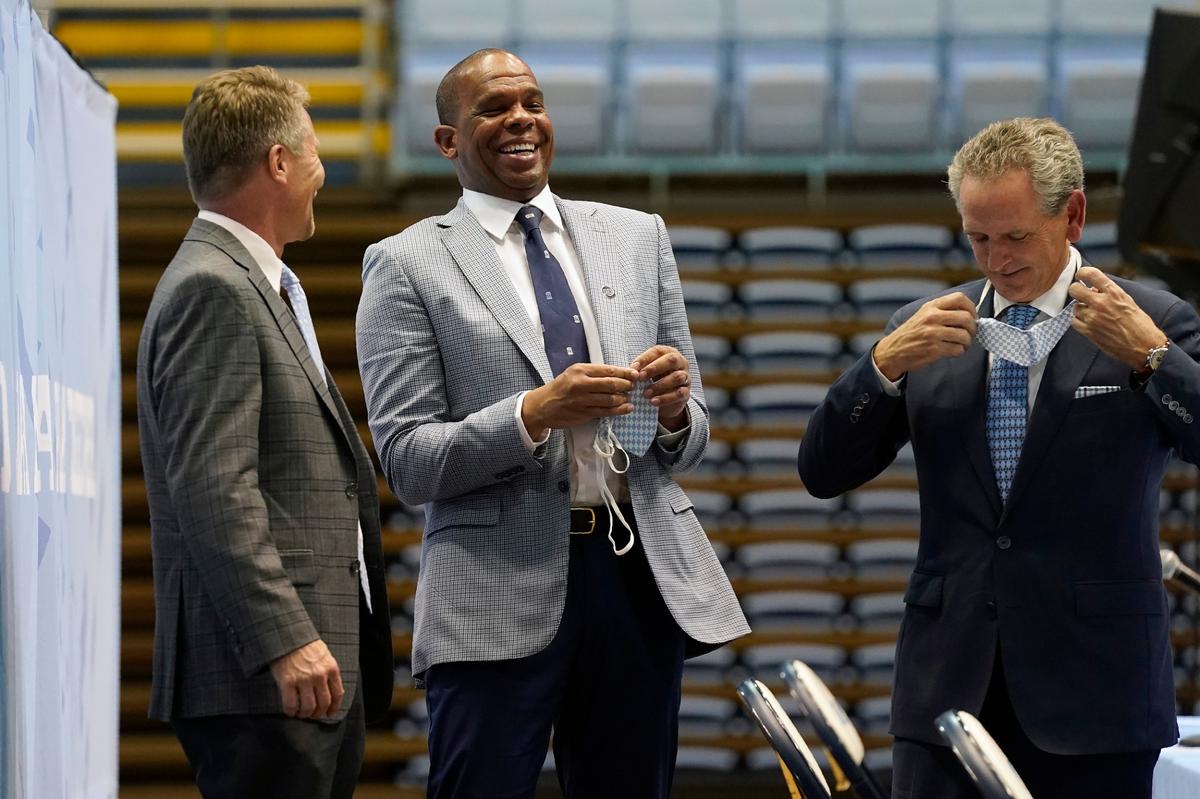
On April 1, 2021, legendary UNC men’s basketball coach Roy Williams stunned the university and sports world when he announced his retirement after decades of coaching. When Williams notified him of his intentions, Guskiewicz told him to take 24 hours to think about it. But ultimately, Williams decided it was time to step down.
Williams’ departure set off a flurry of speculation about who would replace him, and an intense weekend of interviews with Guskiewicz and Athletic Director Bubba Cunningham. After seeking input from others in the men’s basketball program, UNC stayed within the family, promoting assistant coach Hubert Davis, whose hiring made history. Davis will be the first Black head coach in the history of the program.
“Hubert Davis connects our storied past with our exciting future and has a deep passion for putting our student-athletes in the best position to succeed on and off the court,” Guskiewicz tweeted.
Nikole Hannah-Jones tenure dispute
In April 2021, Nikole Hannah-Jones, a Pulitzer Prize-winning journalist at The New York Times, was named the Knight Chair in the UNC-CH Hussman School of Media and Journalism, a position that has historically been tenured.
But instead, Hannah-Jones was hired as a fixed-term professor of practice with the option of being reviewed for tenure within five years.
Hannah-Jones, known for her creation of The 1619 Project, accepted the position with the option of being reviewed for tenure in five years. But in May, it was revealed that she was never offered tenure, despite going through a rigorous tenure process. The backlash was swift, with the dispute going beyond the university and attracting national attention.
Faculty and students demanded that Hannah-Jones’ tenure application be reconsidered before her July 1 start date. Student Body President Lamar Richards, a member of the Board of Trustees, sent a letter to Guskiewicz, Blouin and Board Chair Richard Stevens to push for tenure. Richard told Guskiewicz that if Hannah-Jones decides not to come to UNC as a result of not being considered for tenure, he will “have lost my faith in your ability to lead this University alongside the 30,000 students I represent.”
▪ June 24, 2021: Hannah-Jones said she won’t join the faculty without tenure. By now, the university has lost at least one faculty recruit because of the furor over the tenure situation.
▪ June 30, 2021: In a 9-4 vote, the UNC Board of Trustees approved tenure for Hannah-Jones at a meeting that also saw university police shoving some student protesters outside the meeting room.
▪ July 6, 2021: Hannah-Jones announced she will not come to UNC. Instead, she will be the inaugural Knight Chair in Race and Reporting at Howard University. In an interview with The News & Observer, she pointed to three critical moments that changed her decision. One of them was the lack of communication from top university leaders after she gave them a deadline to take up a tenure vote — or risk a lawsuit.
“It shows a severe failure of leadership,” she said. “I think it’s going to be very difficult to convince the faculty that they have an advocate for what is in the best interest of the university because of the utter silence of what has happened here.”
After her announcement, Guskiewicz issued a statement that said, “I am disappointed that Nikole Hannah-Jones will not be joining our campus community as a member of our faculty. In my conversations with Nikole, I have told her I appreciated her passion for Carolina and her desire to teach on our campus. While I regret she won’t be coming to Chapel Hill, the students, faculty and staff of Howard University will benefit from her knowledge and expertise. We wish her the best.”
This story was originally published July 14, 2021 at 11:37 AM with the headline "As UNC chancellor Guskiewicz faces renewed scrutiny, here’s a look back at his tenure."