Don’t panic, but be prepared. Because coronavirus will come to NC, ECU doctor says.
The News & Observer and McClatchy news sites have lifted the paywall on this developing story, providing critical information to readers. To support vital reporting such as this, please consider a digital subscription.
Editor’s note: On Tuesday, March 3, North Carolina reported its first case of COVID-19, in a Wake County resident who was exposed at a Washington state long-term care facility. Find details on the case here.
Don’t panic, but wash your hands and avoid sick people — because the coronavirus is coming to North Carolina.
That’s the message Dr. Paul Cook, chief of the Division of Infectious Diseases at East Carolina University’s Brody School of Medicine, shared during a lecture on the threat of the coronavirus Monday afternoon at ECU.
“It’s only a matter of time before we see a lot more deaths in this country and a lot more people that are infected,” Cook said. “I don’t think that people are making too much of this at all.”
Cook said he suspects the coronavirus will more severely affect older people, smokers and people with chronic medical conditions.
“It’s very clear that people all over the globe, with the exception of Antarctica, have had infections with this,” Cook said. “ So that, I think, defines itself as a pandemic.”
About 200 students, faculty and members of the Greenville community sat and listened as Cook explained the coronavirus outbreak and how people can protect themselves from the disease. Program organizers handed out travel-size bottles of hand sanitizer as people walked in the door to the auditorium.
“We haven’t seen a single case in North Carolina, but it is just a matter of time,” Cook said during the lecture. And those cases will be travel-related.
While the threat is growing, there’s no need to panic, Cook said. Basic hygiene is the best course of action to prevent getting infected, he said. Face masks are a waste of money, Cook added.
Do you have questions about the coronavirus? The News & Observer will get the answers for you. Go to bit.ly/virusnc and let us know what you need to know.
Washing your hands with soap and water, using hand sanitizer, staying home from school or work if you’re sick and avoiding people who are sick are good steps people can take.
Cook demonstrated how to properly sneeze into your elbow, not into your hands. He also asked people to refrain from picking their noses.
The audience asked questions, including what actions people can take to stay safe when traveling on domestic or international flights. Cook said don’t travel to countries that the CDC has identified as high-risk areas, including China, Japan, Italy, South Korea and Iran.
If people do plan on flying to other countries or cities, Cook said the safest place to sit is in the window seat. He said at least one study showed that people get sick on airplanes from the air circulation in the plane and the traffic from the aisles.
Cook said you don’t need a face mask to go on a flight, but take some hand sanitizer with you and try to change seats if the person next to you is sneezing and coughing.
Some people who have infection are hard to spot
People who are infected will experience cold and flu-like symptoms with a fever, but about 80% of people have a mild or asymptomatic infection, which makes those people hard to spot, according to Cook. He said the people that die after being exposed to coronavirus are getting adult respiratory distress syndrome.
There have been six coronavirus-related deaths in the U.S. as of March 2, and new infections have been announced in California, Florida, Illinois, Rhode Island, New York and Washington state. There have been 43 cases detected and tested in 10 states through U.S. public health surveillance systems since Jan. 21, according to the CDC.
Nearly 90,000 cases and more than 3,000 deaths have been reported worldwide, according to the World Health Organization. And the number is growing every day, with new countries being added to the list of affected areas.
Looking for regular updates on the Coronavirus in NC and across the nation? Signup for our pop-up newsletter here to get a daily email news summary.
Cook said the number of cases in the U.S. is going to grow significantly, probably in the next few days. He said the U.S. is probably under diagnosing because of a lack of tests.
“We haven’t been testing people,” Cook said. “Other countries have been testing people left and right.”
Cook said the CDC controls who gets these tests, but as the FDA approves commercial companies to market the test it could be available in more places.
He said the test for coronavirus will become available for local hospitals in Greenville, and elsewhere, to test patients and detect the virus on site. But for now, the tests are sent to the state lab.
A vaccine for the virus is probably more than a year away, Cook said. But vaccines don’t mean the virus will go away, as evidenced by the current influenza virus.
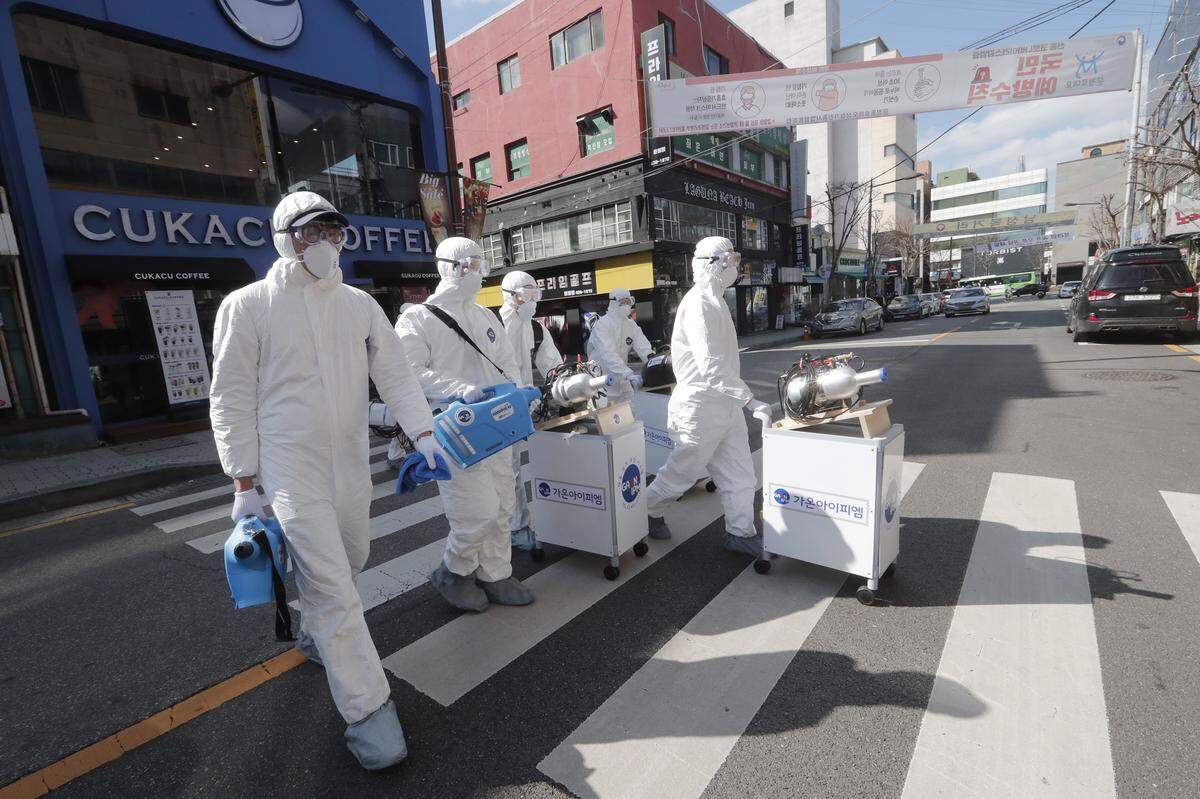
Coronavirus vs. the flu
The flu, which has a vaccine, is very common in the U.S. and people die from it every day. Cook advised everyone to get a flu shot, if they haven’t already.
The coronavirus is more contagious than the flu and the mortality rate is higher, Cook said. But there are more deaths with flu because it is more prevalent, according to Cook.
He noted the similarities between this coronavirus and the 1918 influenza, which at the time was a brand new virus and there was no immunity. Those two viruses are similar in how transmissible and deadly they are. The 1918 influenza virus killed at least 50 million people.
Cook said not as many people are dying from coronavirus, but being prepared for the coronavirus pandemic is important and that includes continuing to test more people.
Cook’s lecture can best be summed up by his words: “We need to get prepared without freaking out.”
This story was originally published March 2, 2020 at 5:33 PM with the headline "Don’t panic, but be prepared. Because coronavirus will come to NC, ECU doctor says.."