Alleged drug dealer is charged with killing her mom. NC says there’s no victim
AI-generated summary reviewed by our newsroom.
- Victoria Benhoff died March 27, 2025 from fentanyl and cocaine toxicity.
- Renee Monique Waters is charged with death by distribution in Benhoff’s death.
- Benhoff’s daughter says her mother isn’t viewed as a victim under state law.
Winter brought Nicole Holliday’s mother back into her life, but spring took her just as quickly.
A little over a year ago, Holliday was working from her Wake Forest home when her grandmother called with the news.
“Nicole, they found your mom dead,” she said.
“I remember hanging up the phone and just screaming,” Holliday, 31, told The News & Observer. “I was just screaming, like, ‘God, why? Why now?’”
Victoria Benhoff, 52, wouldn’t get the Easter visit from Holliday and her grandchildren she’d been looking forward to. The animal lover whose smile brought warmth to any room, even as she battled an addiction that began as a teenager, was gone. Her sister discovered her dead from a fentanyl overdose in their Wilmington-area home March 27, 2025.
The substance use that marred Benhoff’s life for decades had taken it, just when Holliday believed her mother was finally sober. The grief was staggering, but Holliday’s pain only compounded as the financial realities of her mother’s unexpected death became clear.
“My mom’s funeral, with cremation and everything, was right at $7,000,” Holliday said.
In a typical homicide case in North Carolina, the victim’s loved ones would be eligible for up to $10,000 in funerary and burial reimbursement through the state’s victims compensation fund. But even though someone had been criminally charged with death by distribution in Benhoff’s death, Benhoff wasn’t considered a victim because she’d chosen to take fentanyl the night she died.
Holliday learned of this rule from the New Hanover County District Attorney’s Office, which was prosecuting Benhoff’s alleged dealer, in the months after her mother’s death.
“[Assistant District Attorney] Sean Spiering’s office, they said in fentanyl deaths — well, really just drug deaths in general — they do not generally ask the court to cover payment for that because apparently, in North Carolina, fentanyl death is not considered murder,” Holliday recounted.
The resulting gray area, where Holliday’s mother is both a victim and not a victim, is something Holliday struggles with.
“I don’t understand how someone can sell someone a drug that inevitably killed them, and that’s not murder,” Holliday said.
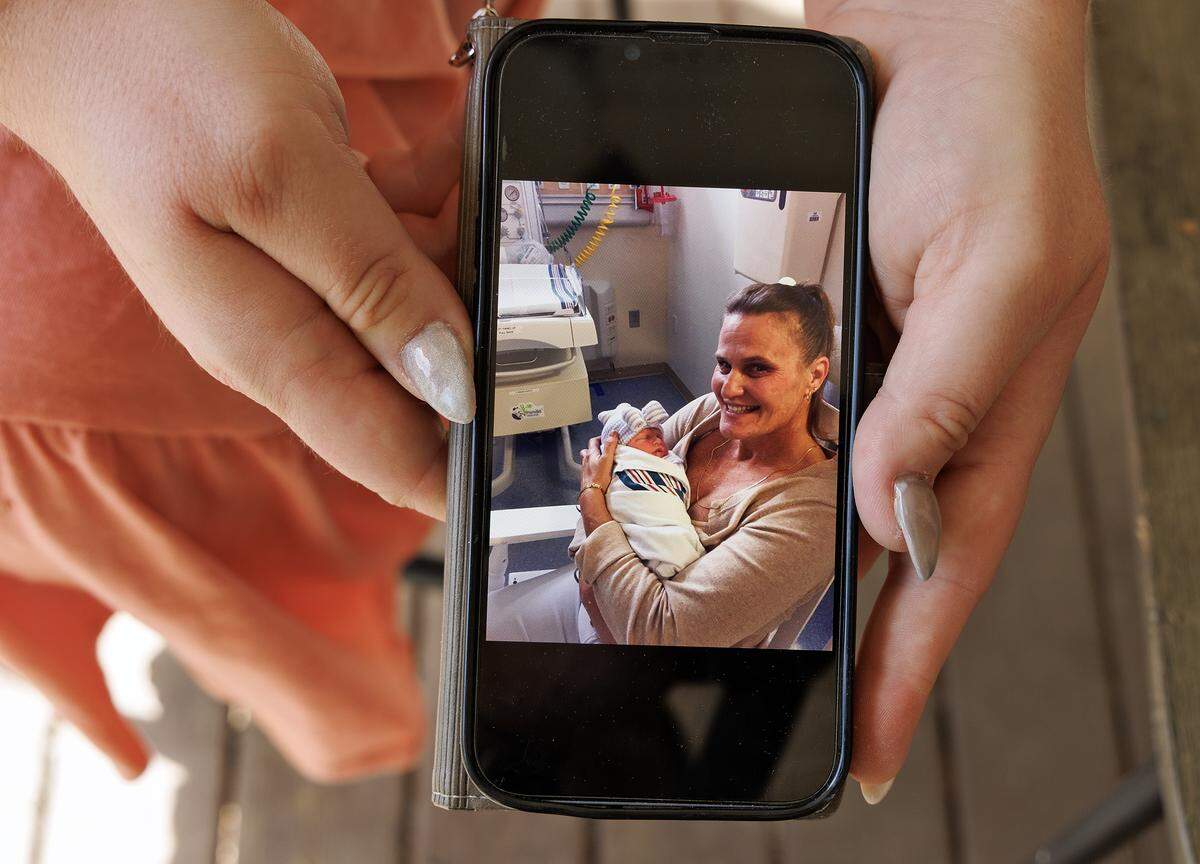
One last ‘I love you’
Benhoff, a Wilmington native, raised Holliday and her younger sister through years of struggles with the addiction. She was introduced to crack cocaine at 19 and spiraled from there, especially after a near-fatal car accident in Raleigh in the mid-’90s, which left her with lifelong pain and an opioid dependency, according to Holliday.
Court records show Benhoff accumulated dozens of charges when she wasn’t sober, cycling in and out of jails in Wake and New Hanover counties, a pattern that pained Holliday to watch.
By the winter of 2025, she’d stopped talking to her mother, tired of watching her self-destruct. But a surprise bout of snow that January in Wilmington reconnected mother and daughter.
“My aunt had taken [my dog Cooper] when I had moved,” Holliday said. “When it snowed in Wilmington, I asked my aunt to send me some videos of Cooper in the snow. And my mom actually reached out and was like, ‘Hey, Aunt Mimi sent two of these pictures.’”
The message rekindled their relationship, and they began talking every day. Holliday believed her mother was sober.
“I know when my mom was in active addiction, she would basically disappear for weeks and months at a time — so no phone calls, no text messages, nothing,” Holliday said. “So my entire family was under the impression that she was doing OK.”
Even through their last conversation March 26, 2025, she had no reason to believe anything different.
“We talked for about two hours, and the last thing she said to me was she was going to go take a shower, and that she loved me,” Holliday recalled. “And I told her I loved her, too, that I’d talk to her later.”
Holliday is grateful for that last interaction.
“I know that I was the last person she told she loved, and I was the last person to tell her ‘I love you,’” she said. “And in that moment, it hurts, but I find so much peace in knowing that she still heard it. ‘I love you’ was still embedded in her head even as she drove to go pick up a drug that inevitably killed her.”
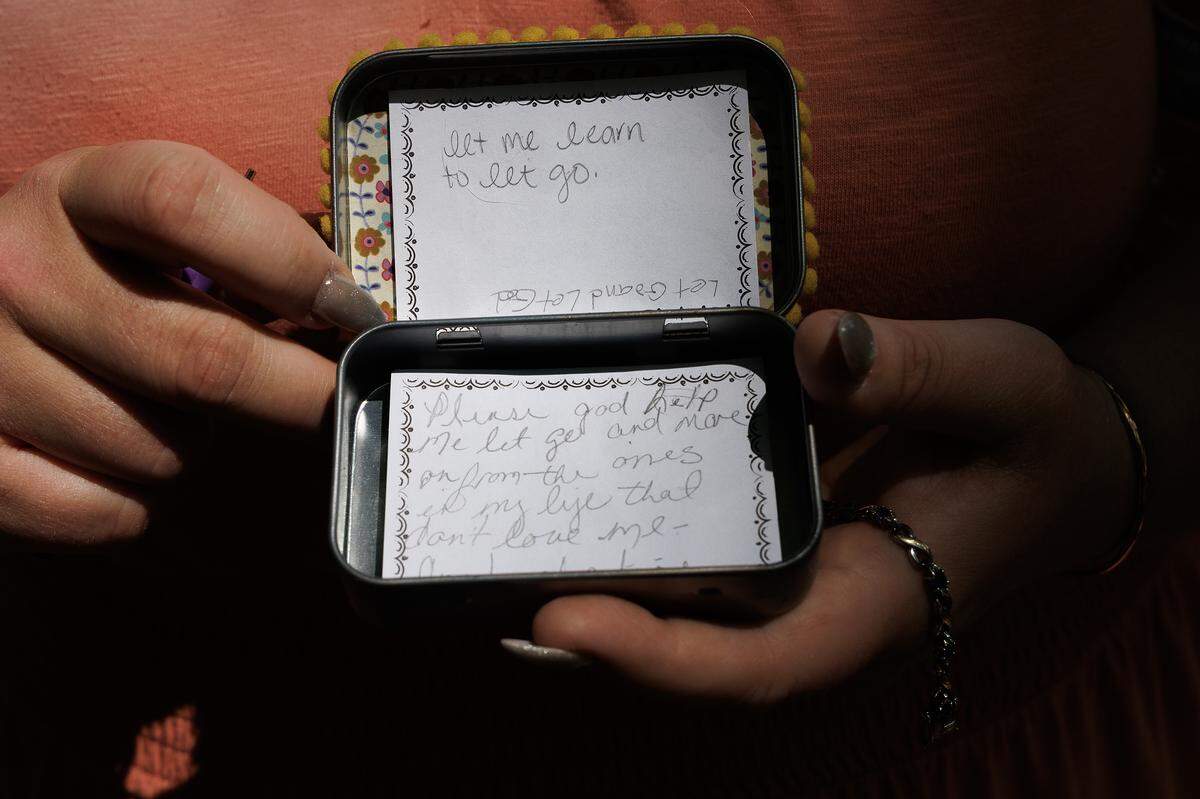
Woman charged with death by distribution
Text messages from Benhoff’s phone showed she texted a contact listed in her phone as “Renee” just before 8 p.m. that night, according to a search warrant in the case.
Renee Monique Waters, 40, is accused of selling fentanyl to Benhoff that night, and was arrested two months after Benhoff’s death, according to her arrest warrant.
She is charged with death by distribution; possession of a Schedule II controlled substance with intent to sell, manufacture or distribute; and maintaining a vehicle/dwelling/place for the use of a controlled substance. She posted $250,000 secured bond two days after her arrest, court records show.
Benhoff’s autopsy report shows nine wax baggies of crack cocaine were found in her sports bra; she died of fentanyl and cocaine toxicity, likely not long after sending “Renee” a text that she’d made it home safely.
An acquaintance of Benhoff’s tipped off police to Waters, stating she’d been Benhoff’s heroin dealer in the past, according to search warrants. GPS data from Benhoff’s phone showed her arriving at Waters’ home at 8:40 p.m. and returning to her house shortly after 9 p.m., the warrants state.
The wax bags found on Benhoff’s body tested positive for fentanyl, and Benhoff’s ex-boyfriend confirmed to police she’d previously purchased fentanyl from a woman named Renee, according to search warrants.
During Waters’ two days in jail, she allegedly contacted loved ones to ask them to remotely wipe her phone, which police had seized as evidence, according to a search warrant. Investigators who examined the phone believed conversations between Waters and Benhoff had been deleted, the warrant states.
Waters’ trial is set for Oct. 26. She pleaded not guilty in a brief hearing April 13. Holliday plans to attend the trial; she wants to see justice served for her mother, she said.
“Even in active addiction, she still made sure that me and my little sister were taken care of,” Holliday said. “She still did laundry. She still did all of the things that a mother would do, and she was a great mom.”
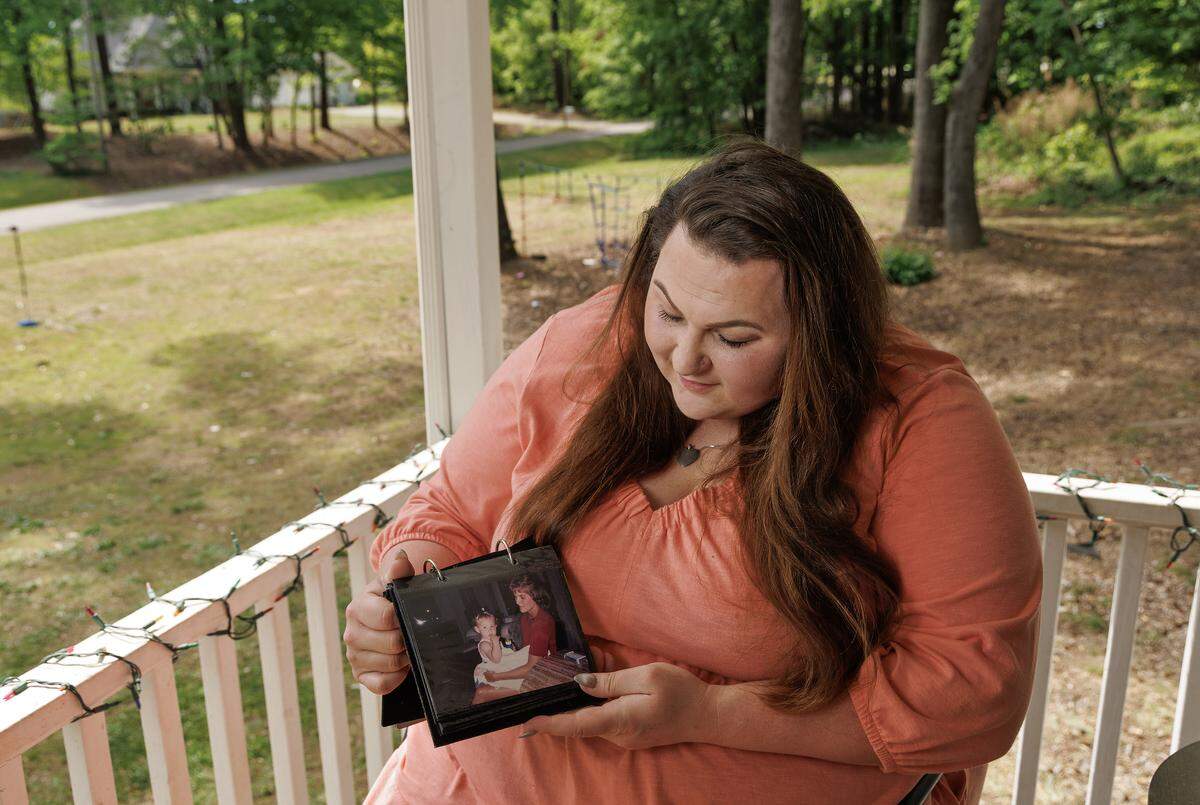
What the law says
The North Carolina Department of Public Safety, which oversees the Victim Compensation Program, said it could not comment on specific cases or possible legislation.
“We do continue to support statutory changes that make the program more accessible to victims, including the extension last year of the amount of time victims of violent crime have to file a report with law enforcement,” wrote spokesperson Charlotte Woolard in an email to The N&O.
North Carolina law states victims and their loved ones are not eligible for compensation if the victim was “participating in a felony at or about the time that the victim’s injury occurred.” Claims can also be denied or reduced if the victim “was participating in a nontraffic misdemeanor” or “engaged in contributory misconduct” around the time of their injury, according to the general statute.
In the year since her mother’s death, systems intended to help have only been roadblocks for Holliday and her family, she said. It took a year to get her mother’s autopsy, causing a delay in the case against Waters that Holliday worries may have allowed more people to access potentially deadly drugs. And she can’t understand why the state doesn’t view her mother as a victim when someone has been charged with enabling her death.
“Not only did you kill her with a drug that you supplied, but now I have to sit here and pay thousands and thousands of dollars that I didn’t even have to bury her because of you,” Holliday said.
Her frustration with that birthed “Victoria’s Law,” Holliday’s name for a possible bill that would help families like hers. It would recognize those killed by fentanyl poisoning as crime victims; require mandatory restitution from dealers convicted of death by distribution; and establish a separate compensation fund for victims’ families.
Rep. Bryan Cohn, a Democrat serving North Carolina’s 32nd district in the North Carolina House of Representatives, has provided Holliday some initial guidance on the bill.
“At this point, there does not appear to be a viable path forward for the legislation in its current form during the short session,” Cohn said in a written statement. “The proposal would likely require substantial revisions and additional legal review to address the constitutional concerns that were identified.”
Any bill likely wouldn’t be heard until 2027 because the General Assembly has a short session this year, he also noted.
“I know a lot of people don’t understand why I advocate for someone who battled addiction and had plenty of opportunities to get sober,” Holliday said. “But to me, she was more than that. At the end of the day, she was still my mom.”
This story was originally published June 4, 2026 at 5:20 AM with the headline "Alleged drug dealer is charged with killing her mom. NC says there’s no victim."