
Judge rebukes former Durham ‘violence interrupter’ turned drug dealer
AI-generated summary reviewed by our newsroom.
- Judge rebukes former 'violence interrupter', then sentences him to 17 years.
- Court says Johnson moved from mentoring teens to participating in a Durham drug ring.
- Federal case came after overturned conviction, dropped local charges and surveillance.
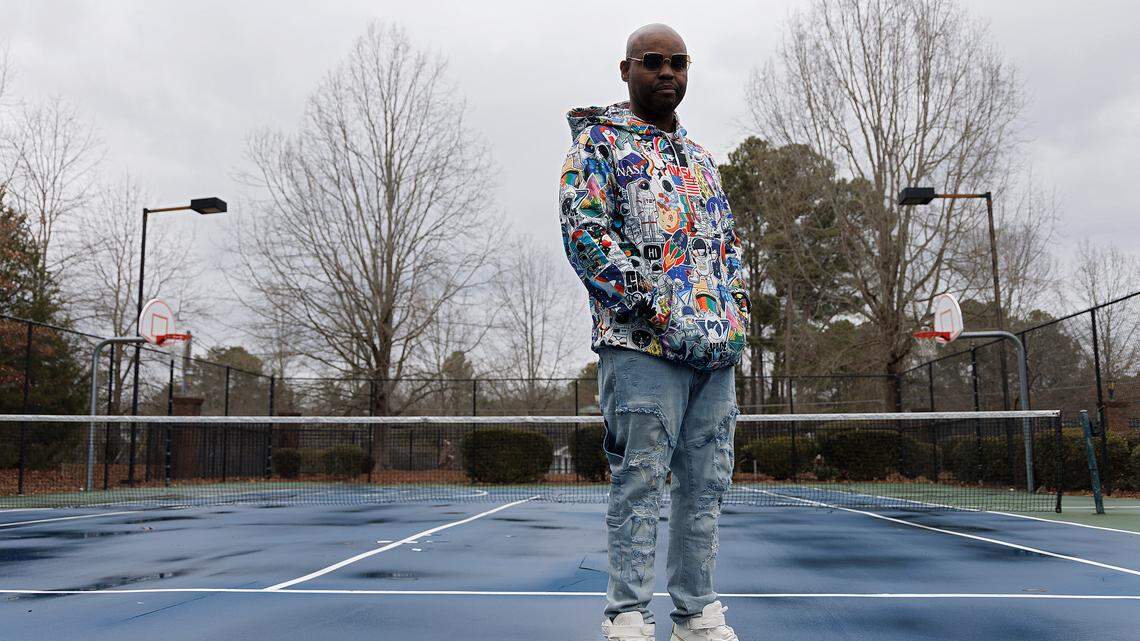
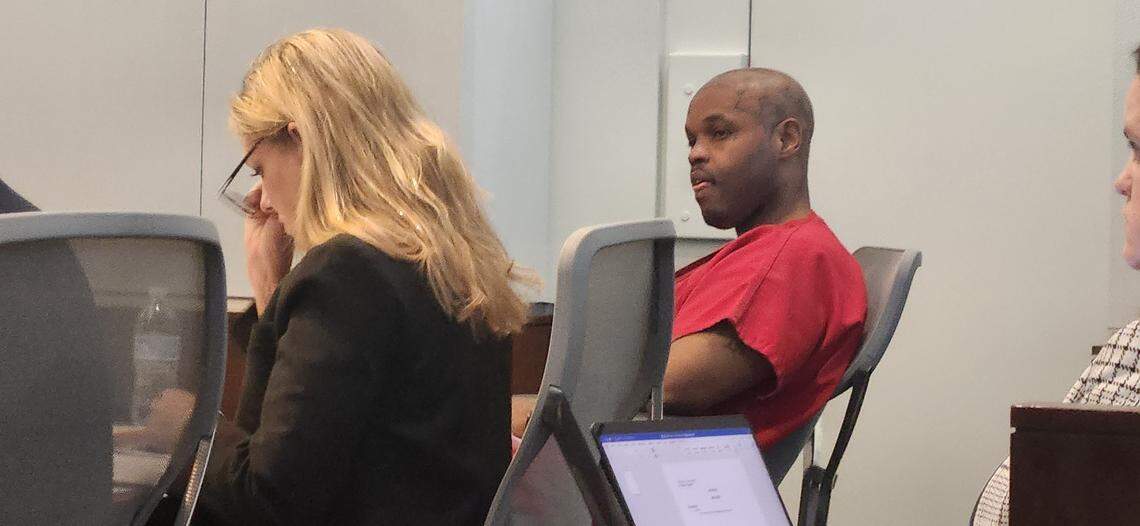
At his sentencing hearing on federal drug charges, Kevin Johnson stood with his hands chained to his waist, trying to convince a federal judge that he tried to stay on the right path.
After his 2023 release from prison on a wrongful conviction, Johnson said, he took his first real job as a violence interrupter with Bull City United, mentoring youth and trying to curb shootings in Durham.
Six months later, police found guns in his apartment. Drug and gun charges were dropped within weeks, but he lost his job. After that, Johnson said, he couldn’t find steady work and turned to selling cocaine and fentanyl in his community to support his family and keep his apartment.
“I tried,” Johnson told U.S. District Judge William Osteen Jr. on Monday afternoon in federal court in Greensboro, where he faced 12 to 20 years for his role in a Durham drug operation.
Osteen cut him off.
“No, you didn’t.”
Johnson, 42, wasn’t just another defendant, Osteen said firmly. When working for the anti-violence organization Bull City United, Johnson held himself out as a leader to the teens he was trying to help.
What message does that send to the 15- and 16-year-olds Johnson had previously said he was proud to mentor?, Osteen asked.
“You not only sold your soul, you sold those kids’ souls,” Osteen said.
Kevin Johnson’s short stint of freedom
In 2010, a Durham jury convicted Johnson of shooting a Durham police officer in the arm while he burglarized an apartment. As he served his 30-year prison sentence, Johnson continued to argue he was innocent of the 2007 shooting.
Attorney Christine Mumma, executive director of the N.C. Center on Actual Innocence, successfully fought to have the conviction overturned in a June 2023 hearing.
A Durham prosecutor declined to retry Johnson, saying he agrees that there were concerns about witness credibility.
The day after his release, Johnson said he started making $15 an hour for the former anti-gun violence organization Bull City United.
Launched in 2016, the Durham County Health Department program embraced a then-new national “cure violence” model, in which former gang members and drug dealers served as “credible messengers” negotiating peace and mentoring young people in Durham’s most dangerous neighborhoods.
The county shut down the program in November 2024, amid accountability concerns and the arrests of some of its employees, including Johnson.
Johnson arrested in January 2024
Johnson worked as a violence interrupter for about six months when, in January 2024, police searched his Copper Ridge Drive apartment while looking for his son and found three guns and drug paraphernalia. They arrested Johnson on charges including possession of a firearm by a felon.
On Johnson’s behalf, Mumma argued that police targeted him after his conviction was overturned. In less than three weeks, the Durham County District Attorney’s Office dropped the charges.
But the damage was done, Johnson said. He was fired and couldn’t get his job back, he later said in media interviews.
“It was the most, best job I ever had in my life, man,” he told The News & Observer. “It was me back in my neighborhoods that were criminalized … and I had a chance to turn it around.”
Federal drug investigation
Johnson popped back on law enforcement’s radar in September 2024, when he sold about 3 ounces of cocaine to an undercover officer in the parking lot of Durham pool hall Bralie’s Sports Bar and Grill, according to federal court documents.
Between September 2024 and March 2025, the Raleigh Durham Safe Streets Task Force, federal and local officers who investigate gangs and violence, surveilled Johnson as he sold cocaine and fentanyl at local gas stations, business parking lots and his apartment, according to court documents and testimony on Monday.
Johnson was part of a growing drug ring that sold cocaine and fentanyl in Durham. At least nine others were charged, including Khuram Choudhry, federal prosecutors say.
Choudhry had served 14 years on a 2008 first-degree murder conviction before District Attorney Satana Deberry and Judge Orlando Hudson agreed in 2019 to downgrade his charge and sentence due to concerns about the previous prosecution. Choudhry's sentence dismissal was among dozens of vacated or reduced convictions approved by Deberry and Hudson without hearings.
In the 2024 arrest, Johnson faced 10 charges of conspiring with Choudhry and others to bring and sell cocaine and fentanyl to Durham.
Choudhry, who had become a commercial truck driver, started bringing the drugs to Durham in late 2024 after connecting with a relative in New Jersey, according to court testimony. While Choudhry had focused on cocaine, Johnson asked him to add fentanyl to the shipments, according to testimony from a Durham County sheriff’s investigator and two of Johnson’s co-defendants.
In court on Monday, Johnson said he turned to selling drugs to pay his bills, including rent on an apartment that Mumma helped him obtain. He contended that informants tying him to the larger drug operation were lying.
There was no way he could afford to pay $30,000 for a kilo of fentanyl, as co-defendants alleged, he said. Nor did he ever have a gun, he said, claiming the ammunition and 45 caliber handgun police found in his apartment in May 2025 belonged to other people.
Judge weighs final sentence
Despite the claims, Johnson in September 2025 pleaded guilty to four of 10 federal drug charges, leaving Judge Osteen to decide his sentence Monday.
Johnson’s attorney, Todd Smith, asked for 12 years, arguing his client had already lost years to a wrongful conviction. Assistant United States attorneys Nicole DuPré and Eric Iverson sought the 20-year maximum.
As Osteen walked through the evidence, he said he had considered imposing prison time higher than the maximum. He cited testimony during the hearing that Johnson threatened to pressure cooperating co-defendants by harming their families and sent prison notes signaling plans to rebuild the drug business upon release.
Ultimately, Osteen did factor in the years Johnson spent in prison on the overturned conviction, and settled on a middle ground.
He sentenced Johnson to 17 years in federal prison, followed by five years of probation.
This story was originally published February 24, 2026 at 11:24 AM with the headline "Judge rebukes former Durham ‘violence interrupter’ turned drug dealer."
