How involuntary commitment works and doesn’t work in North Carolina
AI-generated summary reviewed by our newsroom.
- Case prompts review of involuntary commitment laws and court decisionmaking.
- Judge ruled defendant incompetent for charges but ineligible for commitment.
- Advocates cite bed shortages, ER waits and high denial rates for petitions.
READ MORE
Teacher slain in Raleigh
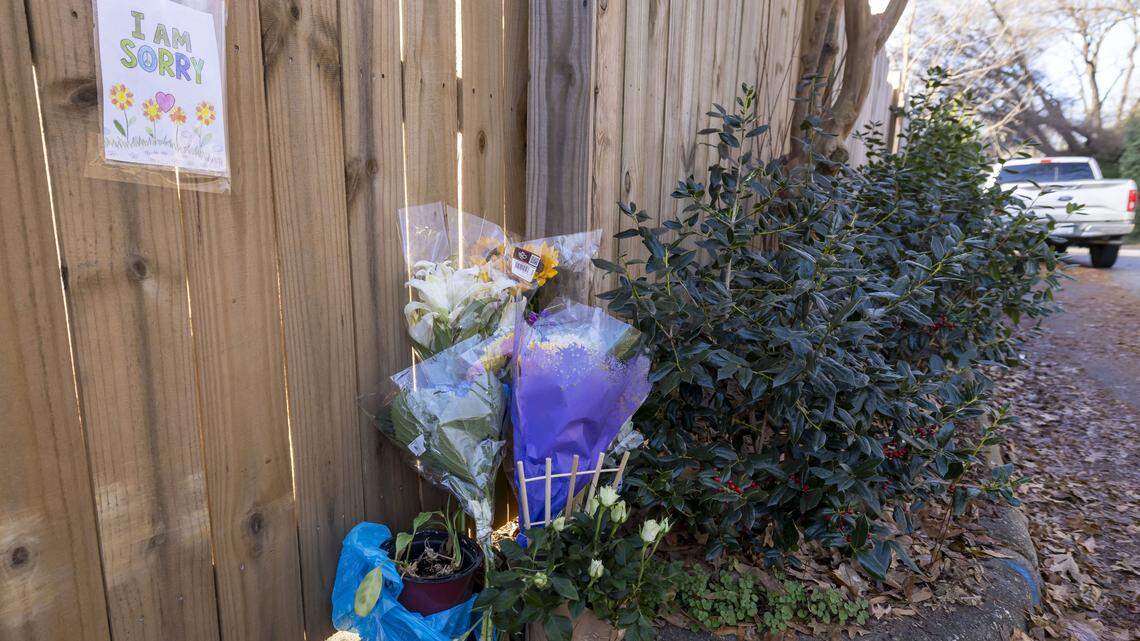
Zoe Welsh, a well-known teacher at Raleigh’s Ravenscroft School, was killed in a burglary at her home off of St. Mary’s Street early Jan. 3, 2026. Ryan Camacho has been charged with her murder, with court records showing he has a long history of mental health troubles. Here’s ongoing coverage from The News & Observer.
Expand All
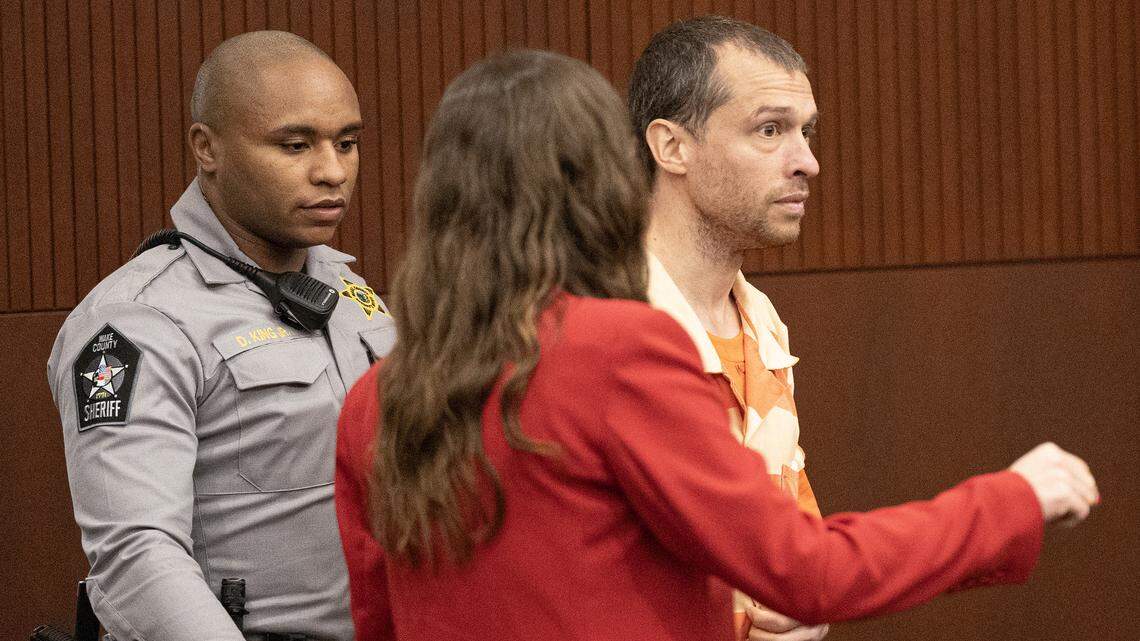
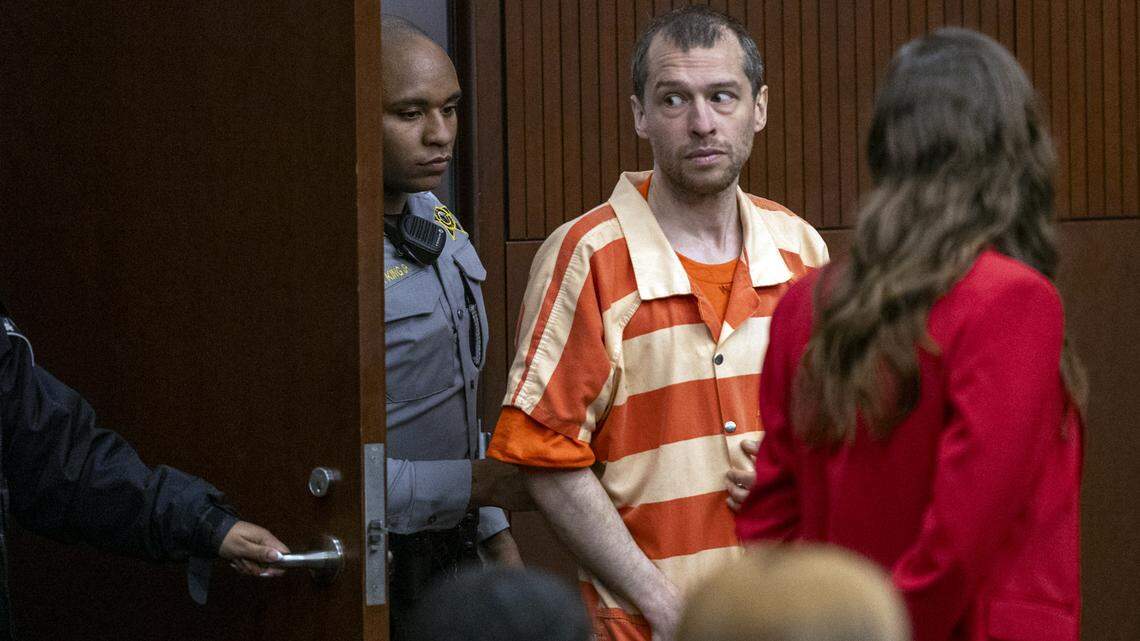
The slaying of Wake teacher Zoe Welsh heightens the conversation about involuntary commitment in North Carolina because the man charged with her murder has both a long criminal record and a history of mental illness.
In December, a District Court judge ruled that Ryan Camacho, 36, was too mentally ill for the state to proceed on the breaking and entering and larceny charges against him, a decision that came after he refused to speak to his attorney or leave his jail cell.
But the same judge also decided that Camacho did not meet the criteria for involuntary commitment, meaning that he could not be placed in a mental health care facility against his will — leaving him free to go.
Here is how this controversial process works and, according to some critics, does not:
What is involuntary commitment?
It is a legal process that places people into mental health or substance abuse treatment even if they do not want to go. In North Carolina, it is reserved for people who pose a danger to themselves or others.
How does it start?
This normally happens one of three ways:
- A health care professional takes a petition to a magistrate;
- A friend, family member or associate takes a petition to a magistrate;
- A health care professional takes an emergency certificate straight to a 24-hour mental health care facility.
In Camacho’s case, his public defender filed a motion to hold a hearing on his mental capacity in District Court, stating that he had refused to speak or leave his jail cell.
How does it proceed?
If the magistrates agree with the petition, they issue a custody order that requires a law enforcement officer to take the patient for a first examination within 24 hours. If the criteria for commitment is met, the patient goes to a 24-hour mental health care facility. A District Court judge must then decide within 10 days whether the patient needs outpatient treatment, inpatient treatment or release.
Once they are taken into custody, people in this situation lose control over their decisions. In the case of children, families are also unable to decide where they go and when.
What are the criteria?
Here is how the state defines dangerous to self or others:
- Unable to use judgment, discretion or self-control in daily responsibilities or social interactions;
- Unable to provide own food, medical care, shelter and safety;
- Behavior is “grossly” irrational or inappropriate;
- Threats or attempts at suicide or self-mutilation;
- Has recently inflicted or threatened bodily harm to others;
- Has committed homicide or dangerous behavior in the “relevant past.”
How long does involuntary commitment last?
It depends.
Once someone is taken into custody, a District Court hearing must be held within 10 days to decide if the person should remain in a hospital setting. At that hearing, the judge can decide how long the person must stay in a mental health care facility before holding another hearing.
In Wake County, the district attorney’s office says, it is common for involuntary commitments to last only a few days. In general, the legal and medical communities have shifted away from long-term inpatient stays.
Is there enough space?
Generally, no.
The state’s psychiatric hospitals are operating near capacity, according to NC health officials, and the shortage of inpatient beds mean patients can spend long waits in hospital emergency departments while waiting for an opening.
Disability Rights NC noted in a recent report that these emergency room stays are often traumatic for patients, involving physical restraints, forced sedation, harsh lighting and chaotic environments.
Does the system work?
Disability Rights NC concludes in the same report that involuntary commitment is widely overused and seen as a convenient step instead of a last resort. Data are hard to assemble, the group said, but out of the cases it could track statewide, 63% of the petitions seeking involuntary commitment were denied.
Two Wake County Republicans have asked the House Select Committee on Involuntary Commitment and Public Safety to figure Camacho’s case into its work, according to their letter posted on X. They publicly questioned District Court Judge Louis Meyer III’s decision to deny involuntary commitment.
Camacho “never should have been out on the street,” wrote Reps. Erin Paré and Mike Shietzelt.
“How could a person who was found to not be competent to proceed to trial for a breaking and entering charge, and who had a lengthy criminal history including over 20 arrests, be released and not involuntarily committed, even at the request of the district attorney? What additional tools would assist law enforcement and the courts in preventing horrific crimes like this from occurring in the future?”
This story was originally published January 8, 2026 at 3:35 PM with the headline "How involuntary commitment works and doesn’t work in North Carolina."