How Durham woman’s father remembers her as police search for her killer
AI-generated summary reviewed by our newsroom.
- Kenashi McGraw, 44, was killed in Durham in September. She’d been stabbed and asphyxiated.
- McGraw battled paranoid schizophrenia, homelessness and family losses before her death.
- No arrests have been made in her death as of Tuesday afternoon.
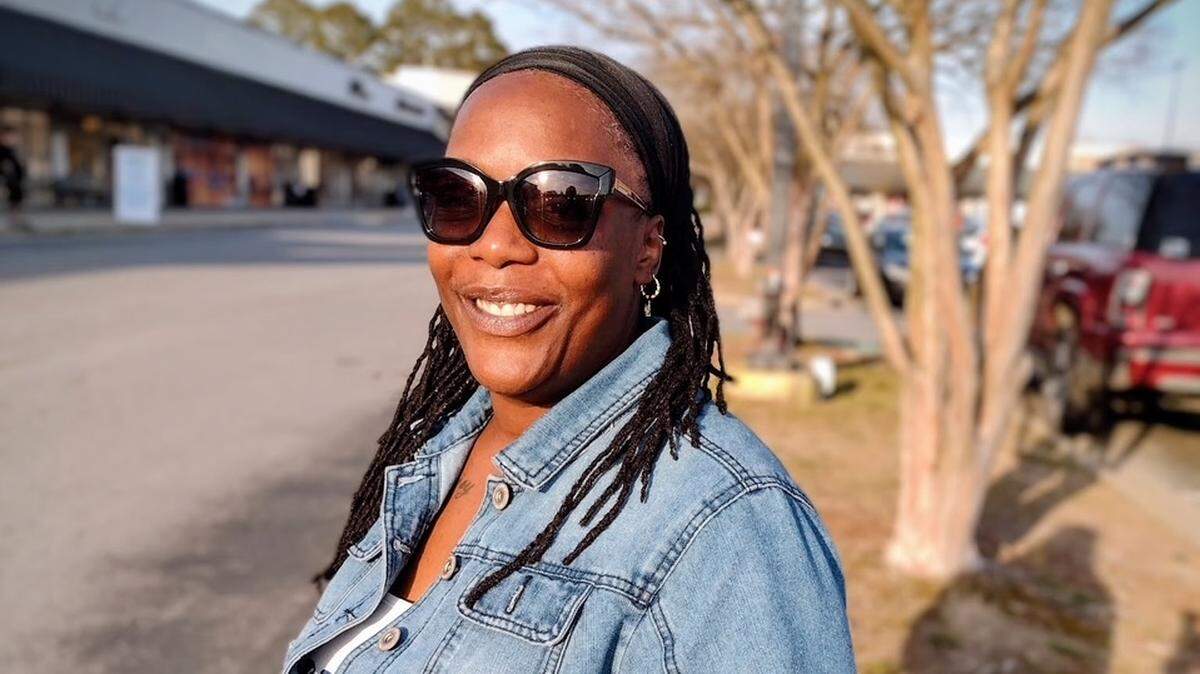
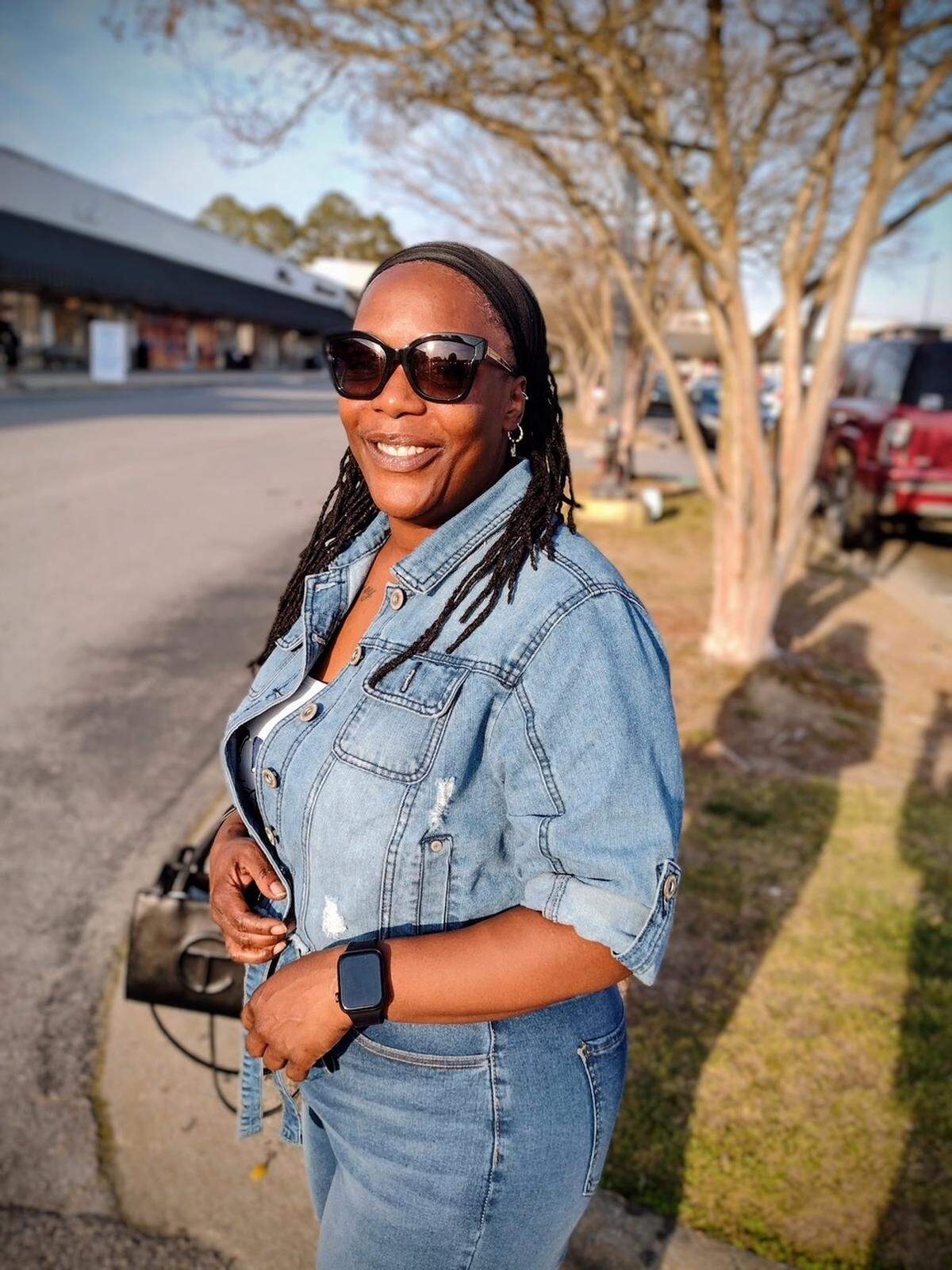
Kenashi McGraw’s 44 years of life were marred by repeated tragedy, but that didn’t stop her from giving back.
“It was just such a rough life, but she tried to act like she was strong,” Lawrence Corriders, McGraw’s father, told The News & Observer this week.
The Syracuse native had lost many of the people she loved, including two siblings and her mother, before a diagnosis of paranoid schizophrenia left her unable to work and homeless, her father said.
That downward spiral placed her in a homeless encampment in the woods off Glenn School Road in Durham, where McGraw’s brutalized body was found the night of Sept. 18, according to police.
She’d been stabbed twice and asphyxiated with a plastic bag shoved down her throat, and her clothes were in disarray, indicating she may have been sexually assaulted, according to an autopsy report. Nearly three months later, no arrests have been made; Durham police said the killing was “still an ongoing investigation” as of Dec. 3.
Whoever the killer is, Corriders believes they may have taken advantage of his daughter’s kindness.
“She was a very, very loving, friendly person,” he said. “And, personally, I think that became to a fault, for her to lose her life.”
The eldest of five, McGraw didn’t hesitate to drive up to New York two years ago and drain her checking account to cook a full Thanksgiving dinner for her family, her father said. When she returned to North Carolina, she had no money to pay for repairs to her car, and he had to send her the funds, he recalled.
“She wanted the family together, so she bought all the food and everything,” Corriders said. “She didn’t want anything. She was offended, but we gave her some money back.”
McGraw grew up in Syracuse, where the local paper once published a story on her middle school enterprise with her cousin, the “Rent-A-Kid Agency,” She married a member of the Air Force. The couple’s life included stops in Alaska and England before they were sent to North Carolina in the early 2000s, her father said.
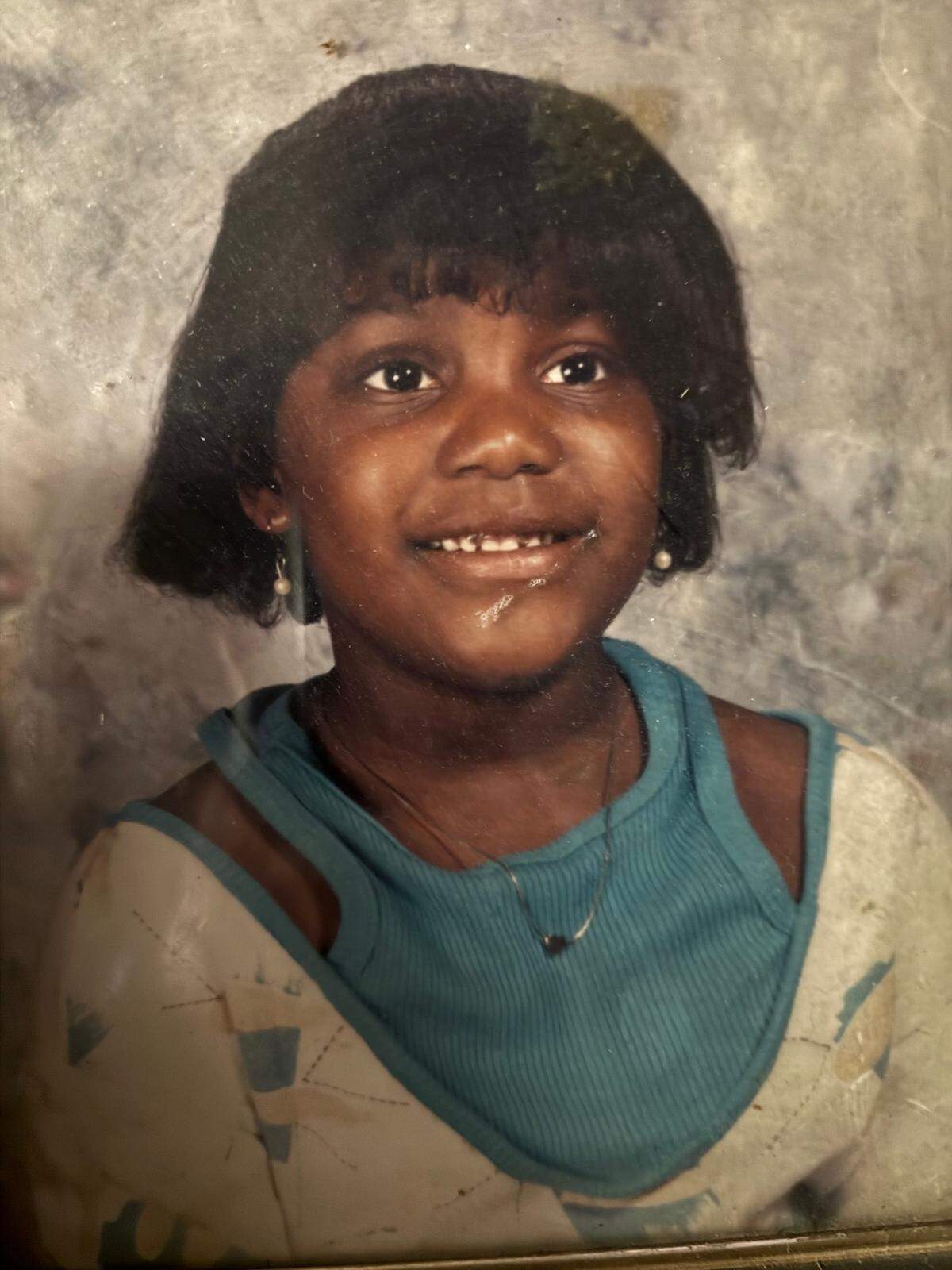
In 2003, McGraw’s only son was born. A year later, she lost one of her brothers in a swimming accident; the grief gave McGraw’s mother an aneurysm, leading to a six-year-long coma before her death in 2011, Corriders said.
“All of this was just — Kenashi was suppressing it,” he said.
Still, amid the sorrow, McGraw was able to build a life for herself, working as a bank manager at a branch in a Clayton Walmart and raising her son. Her first marriage had ended, but she bought a home for herself with a back deck where she could gaze at the stars with her American Bully dog, Bubba, according to her father.
But tragedy struck again when McGraw’s younger sister, Keisha, died in her Raleigh apartment in July 2018. The 32-year-old had struggled with the same schizophrenia that would later overtake her older sister’s life, their father said.
Corriders believes his eldest daughter was especially traumatized by seeing the scene of her sister’s death when she had to pick up her belongings.
“I personally think when Keisha passed, Kenashi blamed herself, ‘cause I know I spent time letting her know that it was not her fault that her sister passed,” he said. “So she carried that.”
For a while, McGraw hid the grief well, coming up to Syracuse to cook for her father after her sister’s funeral service and continuing to visit with family several times a year. But around 2023, her mental health declined, Corriders said.
“That’s when she left her job at the bank,” he said.
McGraw sold her home to a family member to avoid foreclosure . Though loved ones tried to help her, it wasn’t always easy to get in touch with McGraw, and Corriders did not realize how badly the situation had deteriorated until he got a call from the U.S. Embassy in Tel Aviv in December 2024.
His daughter had apparently flown to Israel during an episode of delusion, he recalled, though he never understood why. The embassy arranged McGraw’s return flight, and when she arrived in Durham, she was hospitalized for psychiatric care.
McGraw’s situation briefly seemed to improve when a social worker found her an apartment. But she didn’t tell her father when she was evicted in August. He wouldn’t know until a Durham police officer called to tell him she was dead.
“She’s the third child I’ve buried now,” he said.
As Corriders waits for answers on who took his daughter’s life, he remembers her smile and generous spirit.
“It could be an absolute stranger, and if they needed five dollars … Kenashi would take whatever she had in her pocket and give every bit of it,” he said.
This story was originally published December 10, 2025 at 10:58 AM with the headline "How Durham woman’s father remembers her as police search for her killer."