Could the suspect in shooting of Raleigh cop legally own a gun? Here’s what we found.
READ MORE
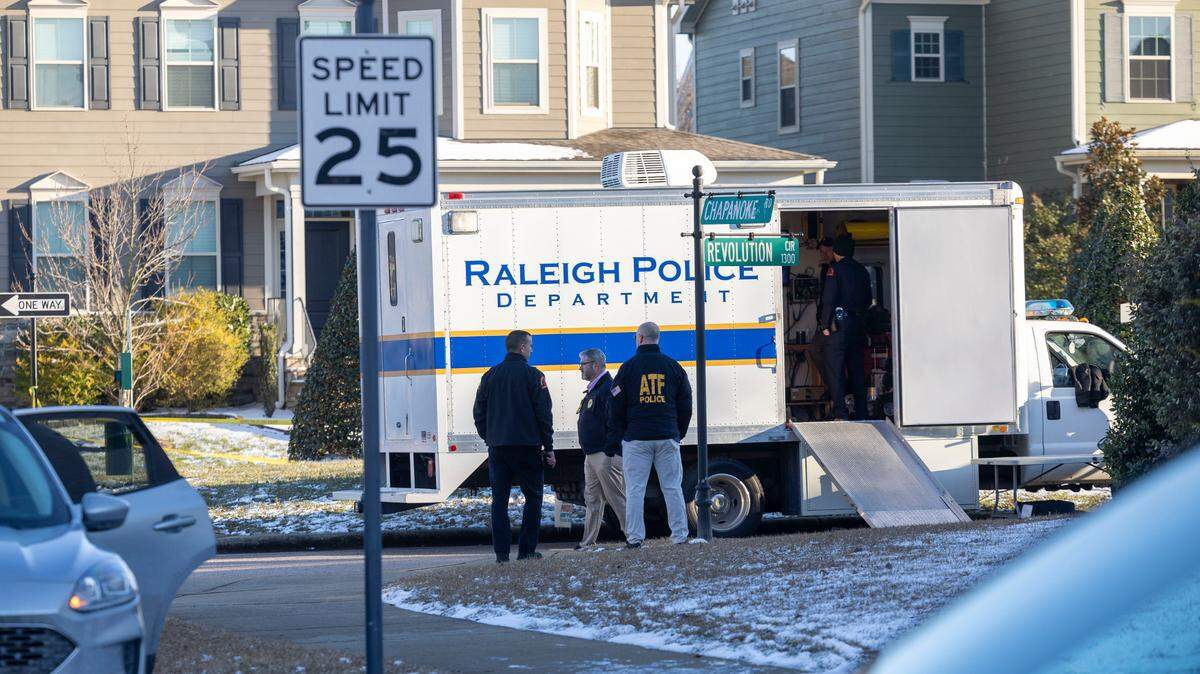
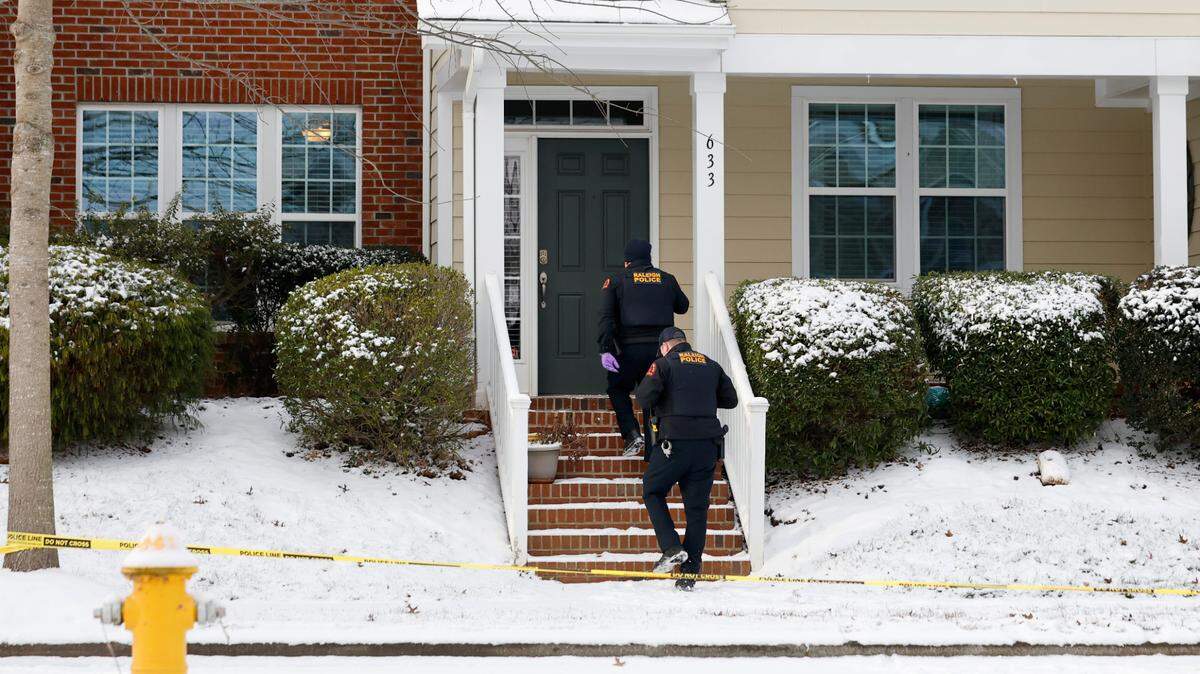
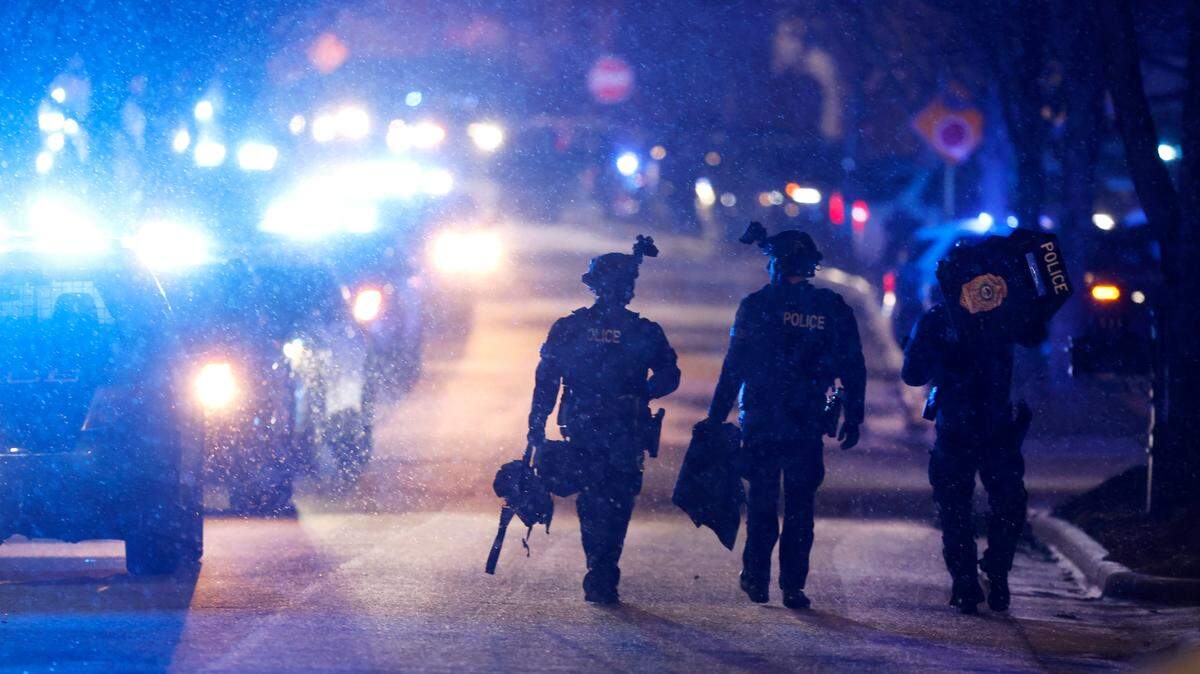
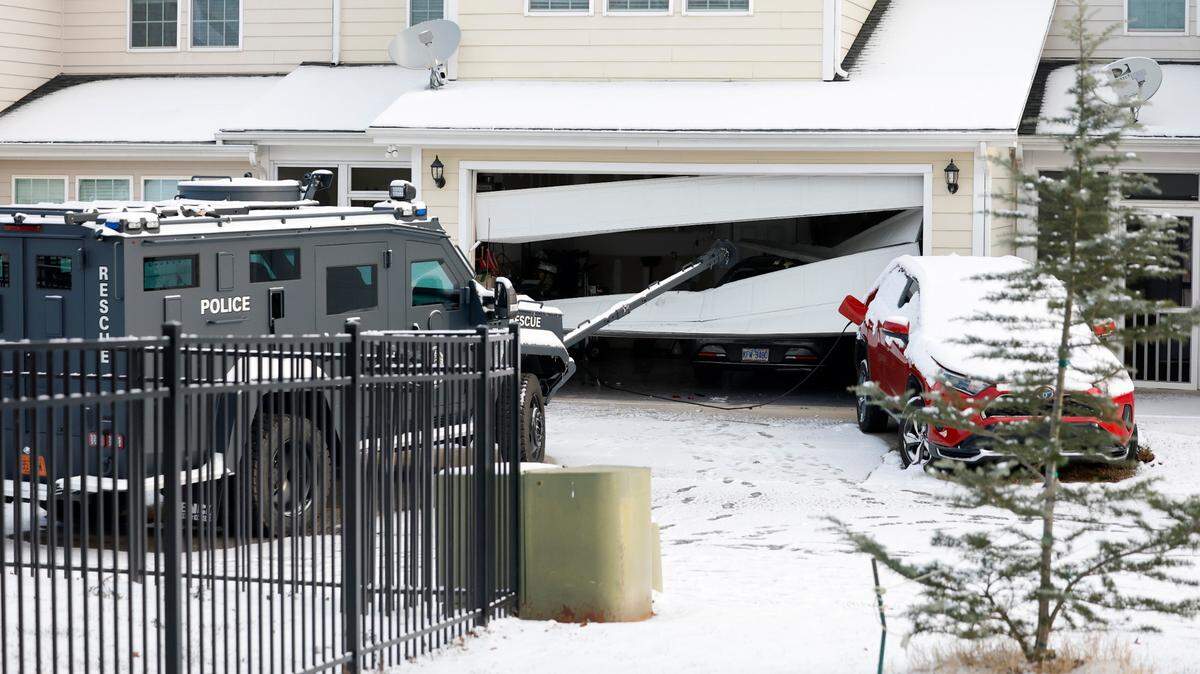
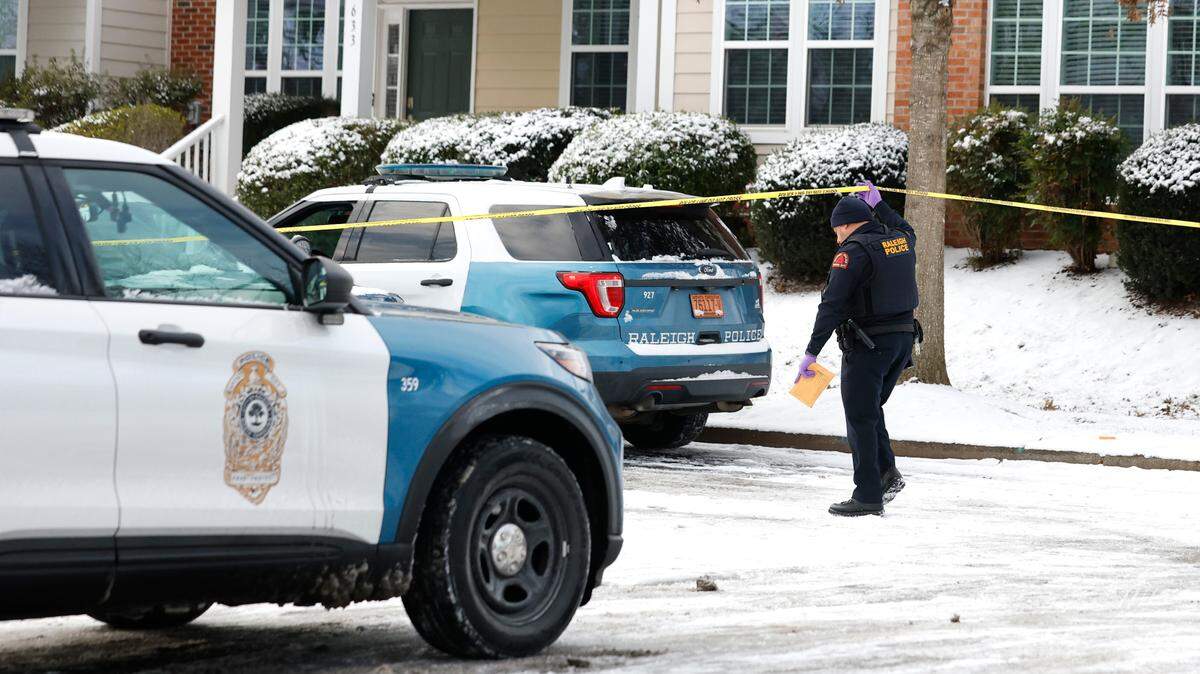
Shooting at Raleigh’s Renaissance Park neighborhood
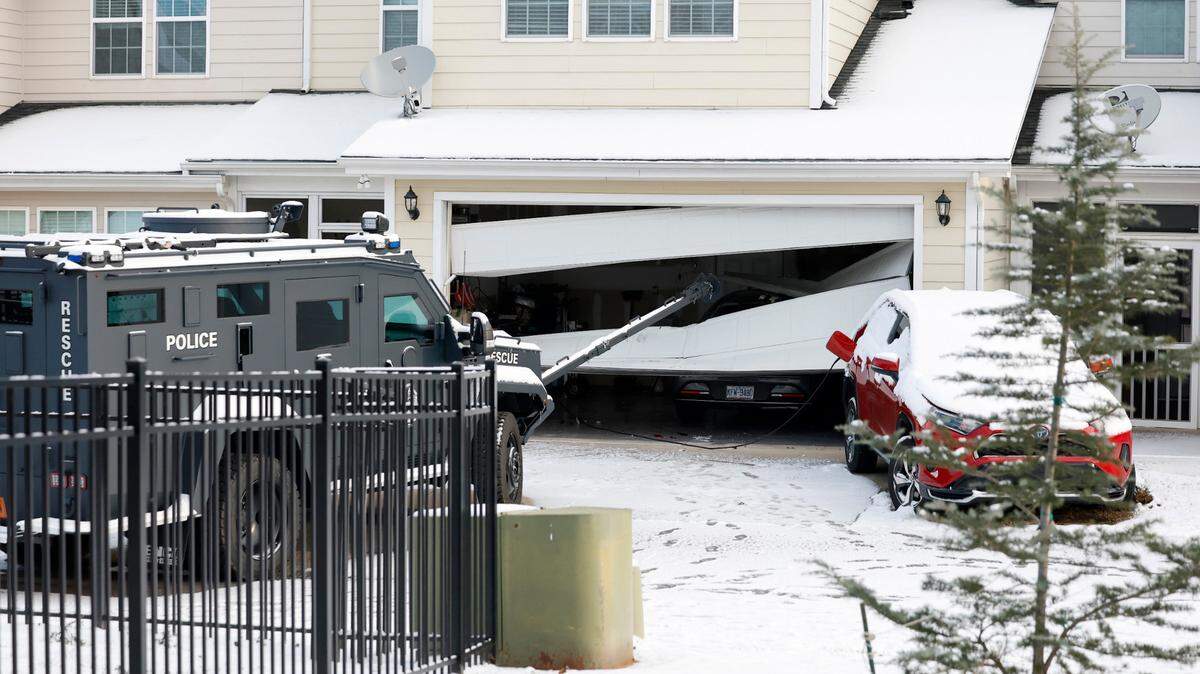
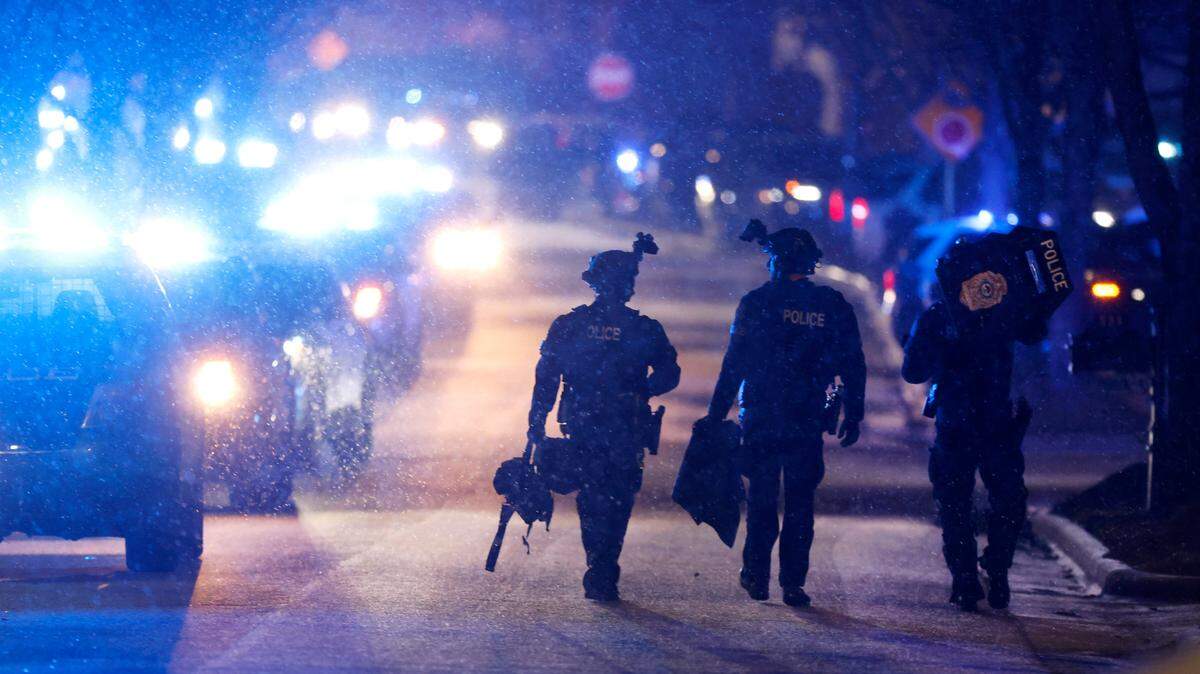
A shooting on Jan. 21, 2025, in the Renaissance Park neighborhood left two men dead, including the suspect, and a police officer critically injured. Here is ongoing coverage from The News & Observer about the shootout and aftermath.
Expand All
A week after police say a New Jersey man killed his ex-wife’s boyfriend and injured a Raleigh police officer, a report provides new details on the shootings and raises new questions.
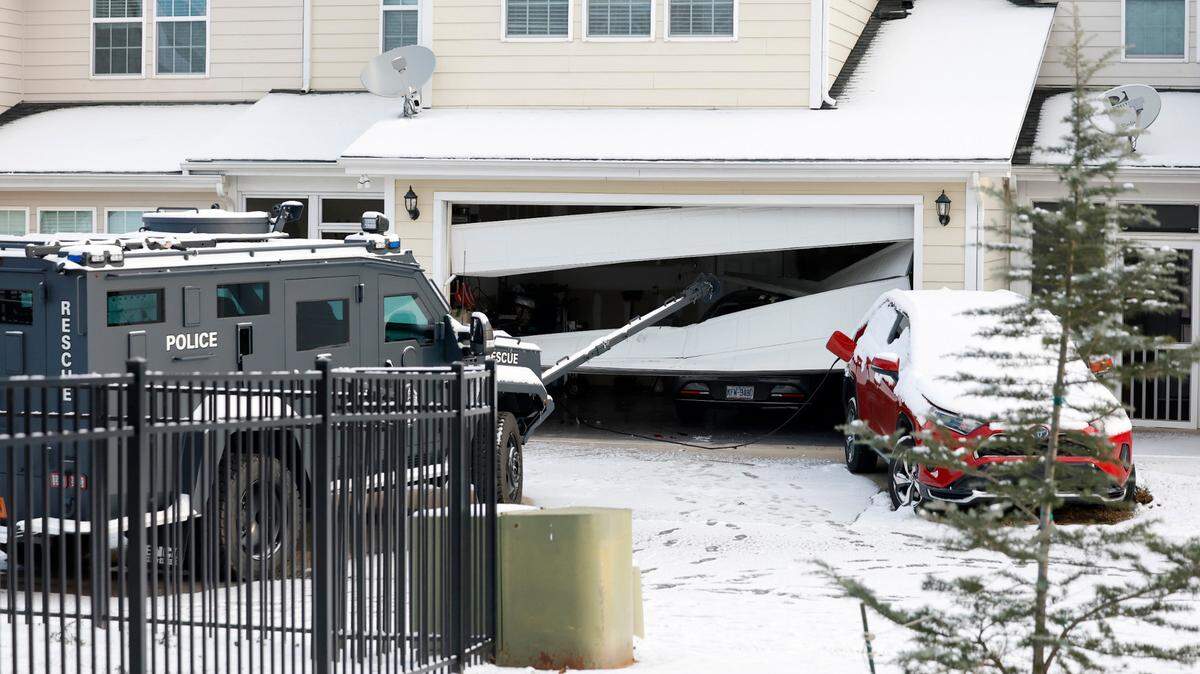
Antonio Rodrigues, 70, broke into the Raleigh home of Jill Rohner about 5:39 p.m. Jan. 21, police said. He momentarily fled but returned minutes later with a rifle.
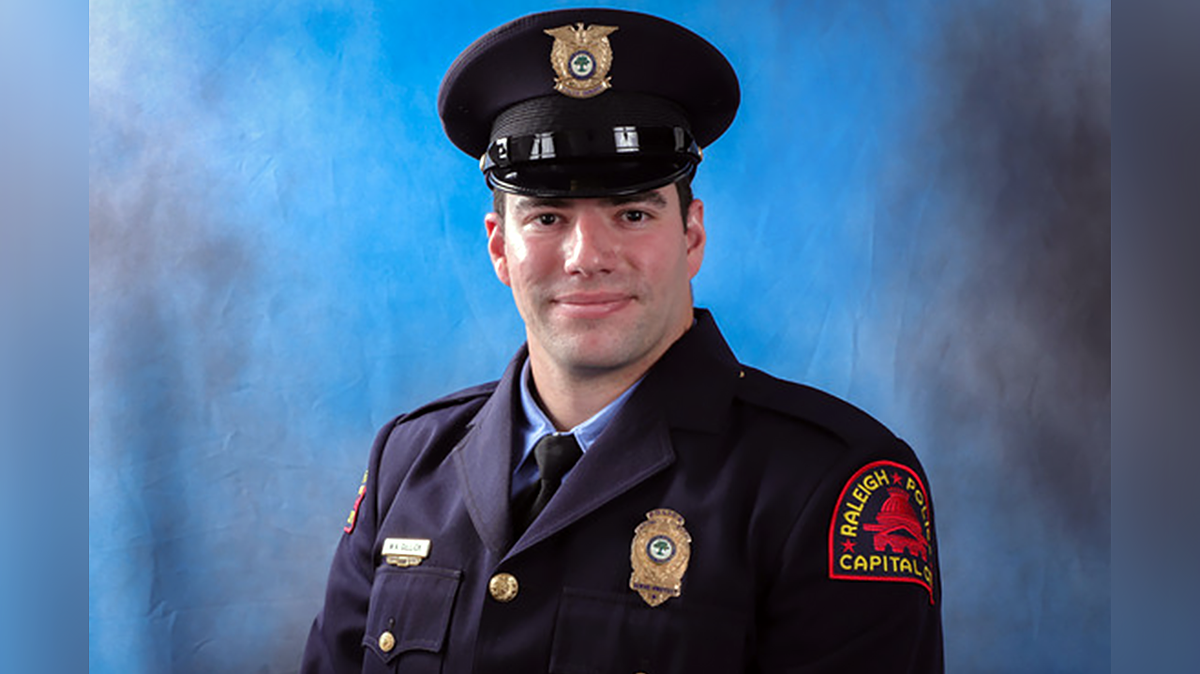
In the standoff that followed, police say Rodrigues killed 73-year-old John Rowe and injured First Class Officer M.A. Gillick, The News & Observer previously reported. Rodrigues was shot dead by police. Gillick remained in critical but stable condition as of Tuesday morning.
Here are questions some readers may have about the incident.
Could Rodrigues have legally owned the firearms he used?
No. Court records show Rodrigues pleaded guilty in Wake County in 2023 to stalking and other charges, after harassing Rohner and sending private images of her to coworkers. He also had been convicted in 2014 in Carteret County of stalking her, according to court documents.
Those convictions prohibited Rodrigues from legally owning a firearm in his home state of New Jersey or North Carolina, according to Andrew Willinger, executive director of Duke University’s Center for Firearms Law.
“If you’re convicted of any felony offense — including one involving domestic violence — you are generally prohibited from possessing guns or ammunition for life (under both federal and North Carolina state law),” Willinger wrote in an email to The N&O. “Under federal law, anyone convicted of a ‘misdemeanor crime of domestic violence’ … is similarly prohibited from possessing guns or ammunition.”
Furthermore, because Rohner had a domestic violence restraining order against Rodrigues, it was illegal under federal law for him to own firearms.
How did he get the firearms?
Two firearms appearing to belong to Rodrigues were found at the crime scene, according to the Raleigh Police Department report: a .44 Magnum lever-action rifle and a 9mm ghost gun.
We don’t know how Rodrigues obtained either firearm. Ghost guns, however, have long frustrated law enforcement because their very nature makes them tempting to those prohibited from legally owning firearms.
The homemade firearms are called “ghost guns” because they don’t have serial numbers, which is what lets law enforcement track a firearm’s chain of custody all the way back to its original manufacturer. From 2016 to 2021, at least 45,240 suspected ghost guns were reported recovered from potential crime scenes, including 692 homicides or attempted homicides, according to the Bureau of Alcohol, Tobacco, Firearms and Explosives (ATF) website.
North Carolin saw a more than 1,700% increase in ghost gun recoveries from 2020 to 2023, according to a 2024 press release from then-Attorney General Josh Stein.
North Carolina doesn’t have state restrictions on ghost guns, Willinger said. However, a Biden-era ATF regulation is still in effect nationwide, though the regulation is currently being challenged in the Supreme Court.
Under that regulation, ghost guns’ components must be serialized, and buyers must go through the background check process, according to Willinger.
Is it legal to shoot someone breaking into your home?
The report on Rodrigues’ attack doesn’t say Rohner or Rowe was armed, though it does state they tried to defend themselves from Rodrigues.
If either had shot Rodrigues, they would have been protected by North Carolina’s “stand your ground” law and castle doctrine, Willinger wrote.
Under those provisions, civilians are authorized to use deadly force if they believe it’s necessary to prevent “imminent death or great bodily harm” to themselves or someone else. Furthermore, a person is automatically assumed to “have a reasonable fear of death or serious injury” if someone is breaking into their home, workplace or vehicle, according to Willinger.
NC Reality Check is an N&O series holding those in power accountable and shining a light on public issues that affect the Triangle or North Carolina. Have a suggestion for a future story? Email realitycheck@newsobserver.com
This story was originally published January 29, 2025 at 2:21 PM with the headline "Could the suspect in shooting of Raleigh cop legally own a gun? Here’s what we found.."

.jpg)