2 years after Hedingham mass shooting, Raleigh police reveal new details, lessons learned
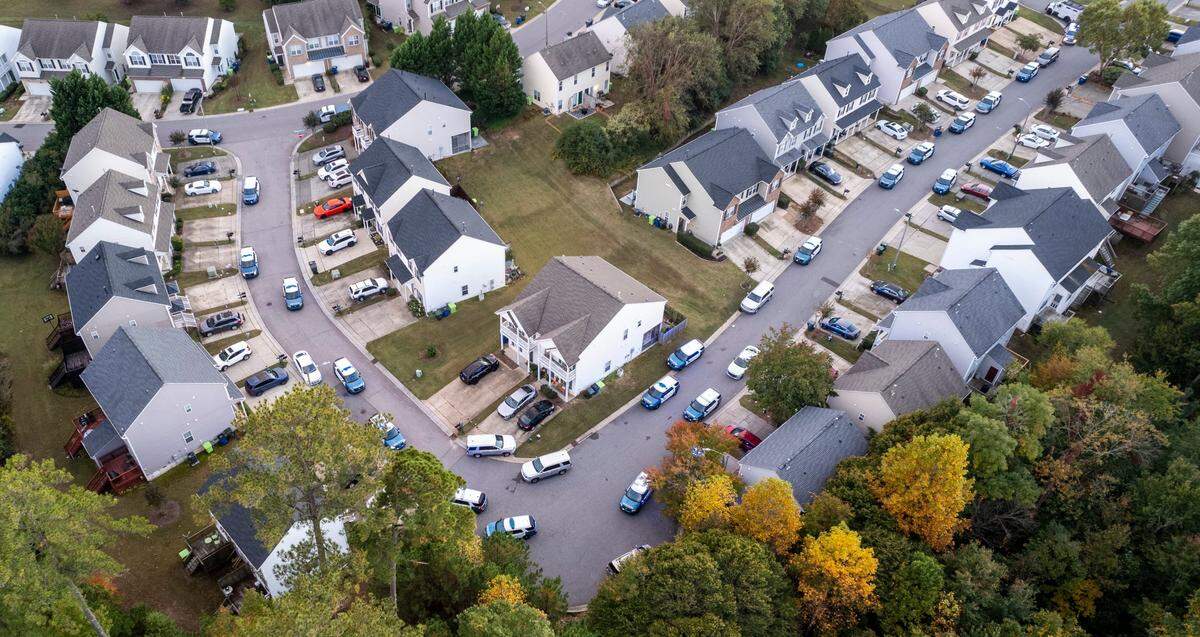
The trail for the teen shooting people in and near Raleigh’s Hedingham neighborhood was growing cold.
By about 5:30 p.m. on Oct. 13, 2022, 911 calls about victims on the ground and shooter sightings had stopped. Hundreds of officers from state, county and local agencies were swarming the neighborhood, looking for the shooter, said Tom Webb, a member of Raleigh’s selective enforcement unit, commonly called the SWAT team.
A man told police he saw the teen running towards the river, but a family crossing the bridge did not see him. Police were limiting their search to the yards, sheds and vehicles on the western side of the river, where the killings took place.
But they weren’t finding him, and Webb started to worry. Did he get in a car? Was he hiding, waiting them out?
“Minutes count,” Webb said recently to a room full of North Carolina police chiefs and top staff, while very frankly sharing lessons learned by police during response to Raleigh’s deadliest mass shooting.
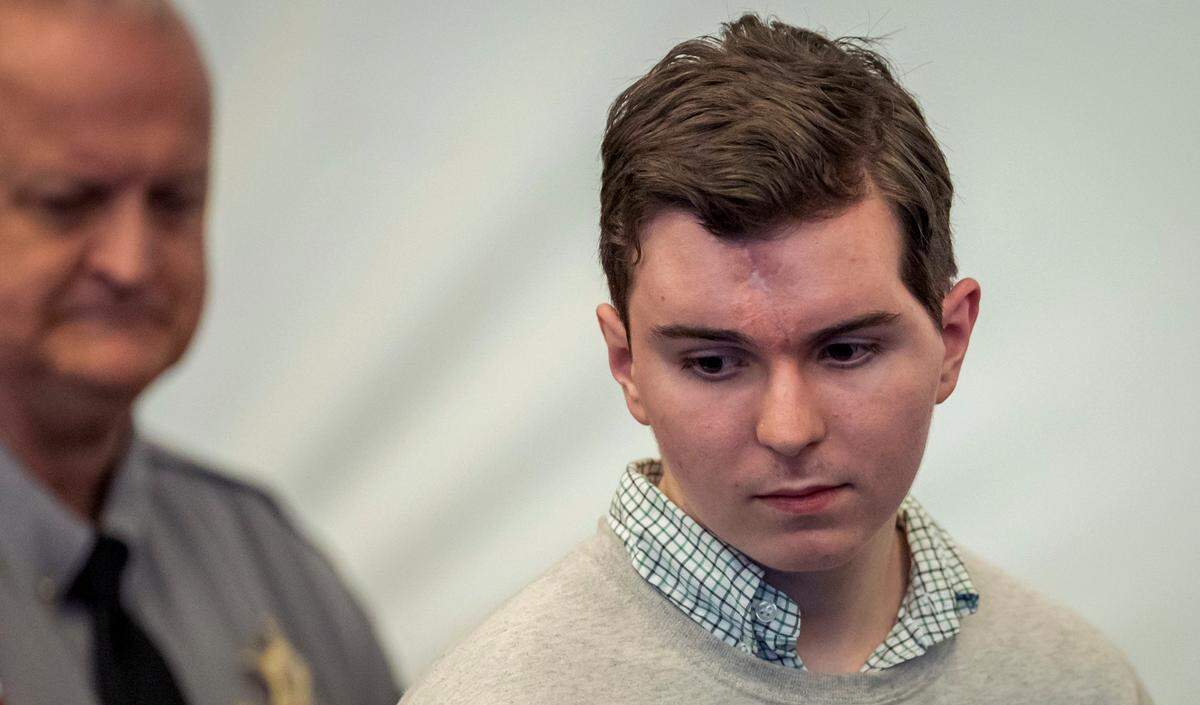
Officers hit obstacles, Webb told the state’s police leaders, which they quickly recovered from to corner Austin Thompson, then 15, who is now charged with killing his older brother and four others and shooting two more.
And they learned things they could not have predicted. For instance: Officers need keys to gates blocking public spaces, including greenways, so they can get vehicles there quickly, Raleigh Deputy Chief Rico Boyce told the chiefs.
They need to train to respond to mass shootings in greenways and not just buildings. They must keep whoever is making updates to the public on the scene to make sure accurate information is released to the public.
And the quick help that Raleigh received from off-duty officers and other law enforcement agencies is invaluable.
In explaining it all, Webb also revealed new details about how officers and deputies pooled resources to corner and detain Thompson.
From shooting call to Raleigh’s deadliest mass shooting
Raleigh police had a lot to keep them occupied that day. Rush hour traffic normally starts backing up before 5 p.m., but that late afternoon included added traffic on the way to opening day of the North Carolina State Fair.
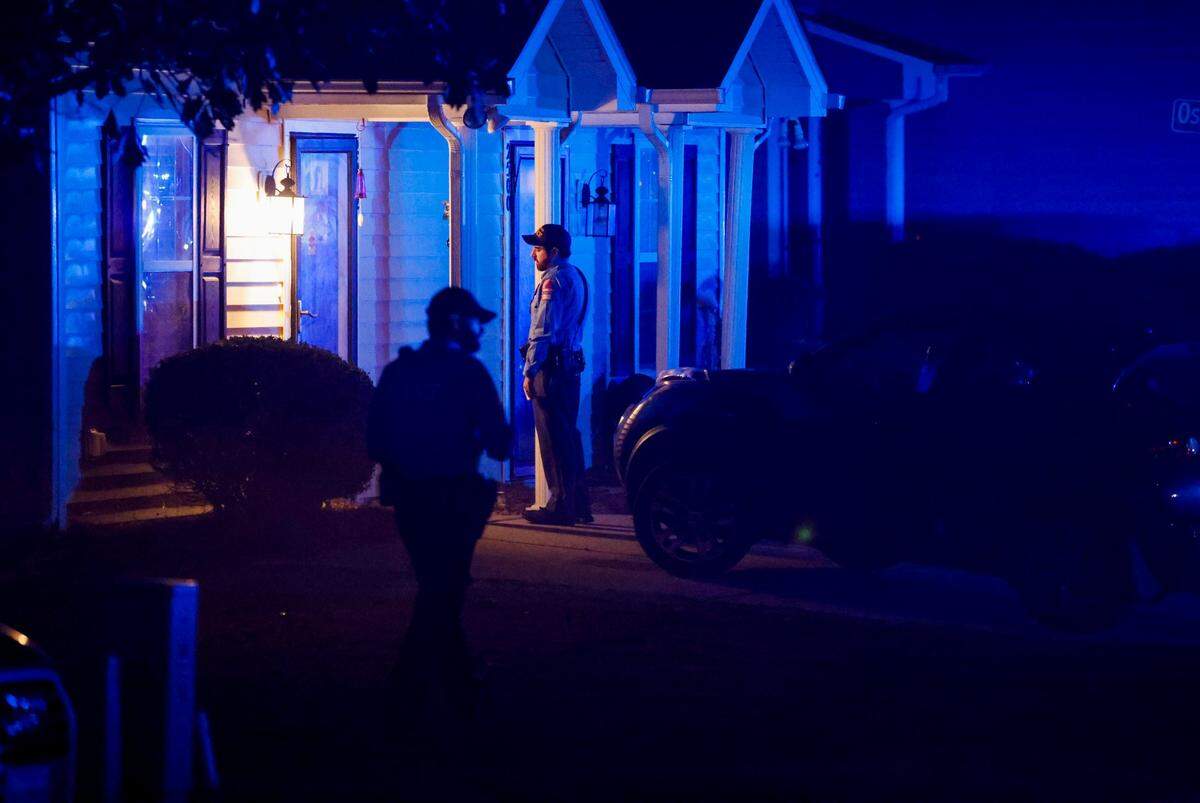
At 5:09 p.m. a 911 dispatcher received a call about gunshots fired in the Hedingham neighborhood. Police receive so many shots-fired calls, they aren’t always the top patrol priority, said Webb.
Finishing up another call, an officer said since shooting calls are rare in the Hedingham area, he’d go check it out, Webb said.
Soon more calls poured in. A teenager with a long gun was walking around shooting people, they said. He’d fired into the white car of an officer leaving for work. He shot two women walking on the Neuse River Greenway.
By 5:18 p.m., police knew of five of the six gunshot victims and had five different crime scenes to protect and examine.
It took Webb and the rest of the SWAT team, both on and off duty, about 15 minutes to navigate the streets packed with traffic to get to the Northeast Raleigh neighborhood. Other officers swooped in to block off streets to keep drivers out of the area, and to prevent the unknown shooter from escaping into the city.
At around 6 p.m., a caller alerted police that the shooter was seen on the other side of the river, about a mile northeast of Hedingham
The perimeter quickly shifted, and three teams of officers with police dogs from multiple departments moved towards the sighting, each taking different routes.
K-9 leads officers to teen
One of the teams, a mix of specialized and patrol officers from different departments, followed one K-9 dog who caught a scent. The group climbed over a fence into a spacious, wooded backyard with two open garage-like sheds.
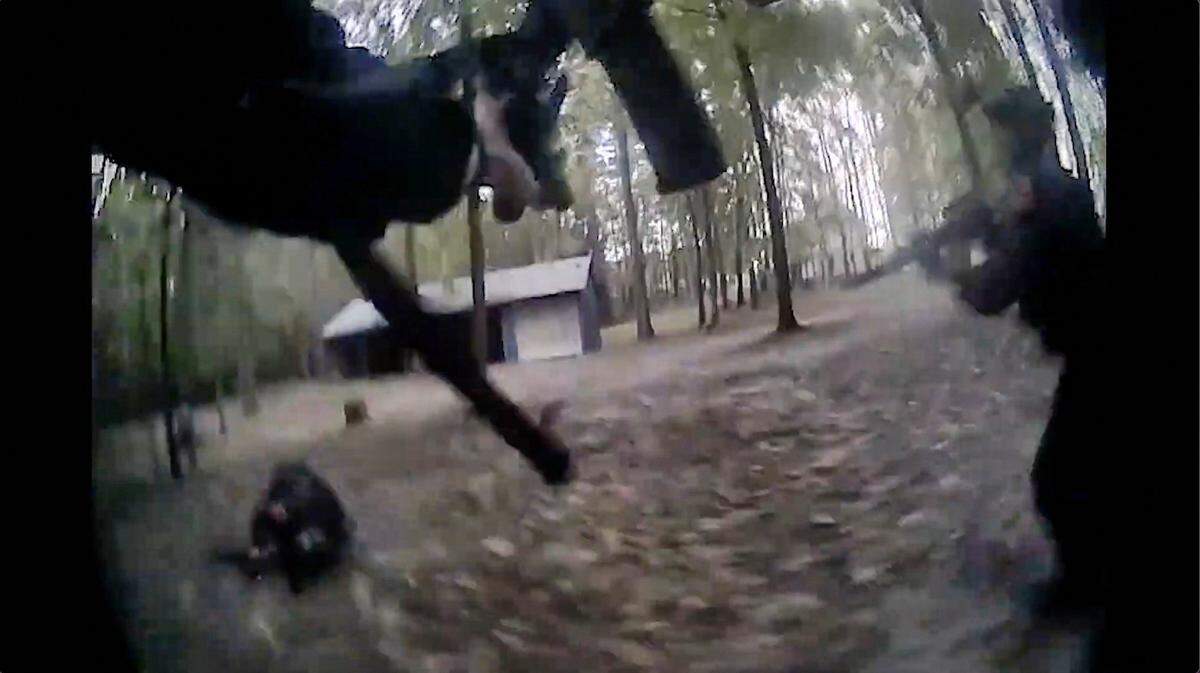
As officers walked in front of one shed the teen revealed himself by firing the shotgun at a Raleigh officer, striking Officer Casey Clark in his knee, Webb said. He fired again and scurried back to a corner in the vacant shed, as officers shot rounds toward the structure, Webb said.
Clark fell, and officers rushed in to pull him to safety but he’s 6 foot 2 inches and 190 pounds. “I can limp out,” Webb said he told them. “Can you help me limp out?”
A patrol car drove Clark to WakeMed, while Webb and others surrounded the property where they found the teen and considered next steps.
A bomb robot dragged him out
By this time, police were learning more about how dangerous Thompson was.
Thompson’s mother had found Thompson’s brother stabbed and shot in the bathroom of their Hedingham home, Webb said. Police allege that the older brother was the first person Thompson killed. And a 911 caller reported the teen may have grenades with him.
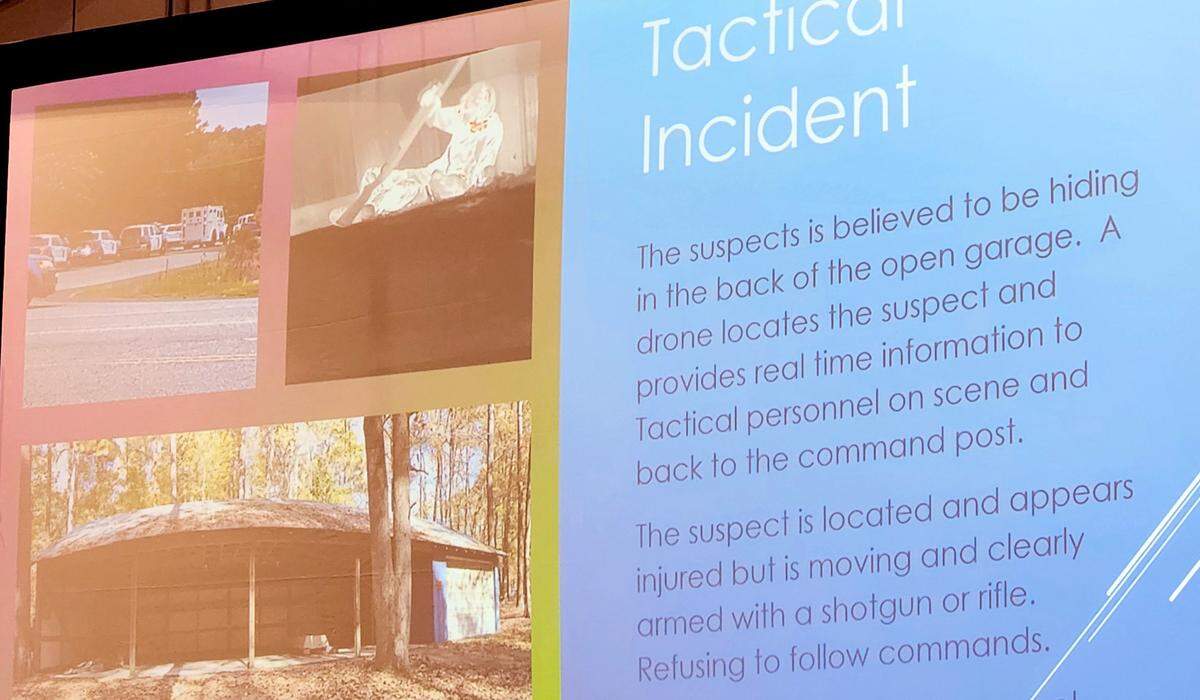
At 8:18 p.m. officers had the teen contained, but didn’t move forward until they had additional equipment, The News & Observer has reported, based on scanner traffic. Police flew a drone into the shed, which showed that the teen appeared to be hurt.
He was slumped on the ground and holding a shotgun with his back propped up against a wall. He didn’t respond to commands but pulled out a pistol and waved it around, Webb said.
After the drone pinpointed the teen’s exact location, officers sent in two tank-like steel armored vehicles, one from Raleigh police and one from Wake County Sheriff’s Office, right up to the teen.
From behind one of the vehicles, a Wake County deputy fired foam balls toward the teen. Officers then used a bomb robot to pull him out around 9:36 p.m.
“We use this bomb robot to kind of go in and do a single leg take down, basically grab his leg and drag him out,” Webb said.
Ammunition and a pistol spilled to the ground as the robot moved Thompson, Webb said.
Police searched the teen and Wake County emergency medical workers put him on a stretcher, evaluated him and drove him to the hospital.
Lessons learned
What would become one of the most challenging incidents Raleigh tactical officers would respond to, was one they had never trained for, Boyce, the Raleigh deputy chief, said.
They had never trained for an incident on a greenway. They didn’t realize they needed keys from the parks department to get their equipment through the greenway’s barriers, Boyce said.
In addition, during the search, the police department’s public information officer was called to go to City Hall, Boyce said. When he got there the phone lines were tied up, and he couldn’t communicate with officers on the scene, Boyce said.
He wasn’t getting the updated information he needed to share with news outlets, some of which were reporting inaccurate information. They were “controlling our narrative of what we need or what we want people to do,” he said.
“Don’t let other people tell your story because it’s going to create more work for you,” Boyce said.
Among the positive lessons, Webb said, was how helpful it is when other law enforcement agencies rush to help in a crisis, including helping with what police do everyday.
Off-duty officers and officers from other departments got to work responding to the traffic, noise and other calls still coming in from across the city, Webb said.
They just heard what was going on, came in and got the first call, Webb said.
“That was huge for us. The city is still moving,” Webb said.
Casey Clark, the officer shot after police found Austin Thompson, can use his knee but has nerve damage and sometimes his leg will “just give up,” he said. He has left law enforcement, Webb said.
Thompson is scheduled to go to trial in 2026.
Virginia Bridges covers criminal justice in the Triangle and across North Carolina for The News & Observer. Her work is produced with financial support from the nonprofit The Just Trust. The N&O maintains full editorial control of its journalism.
This story was originally published January 27, 2025 at 5:30 AM with the headline "2 years after Hedingham mass shooting, Raleigh police reveal new details, lessons learned."