
The coldest murder cases in the Triangle: Somebody somewhere knows what happened
In April of 1969, Chatham County sheriff’s deputies began investigating how a prominent Idaho developer wound up dead outside his room at the Siler City Motor Inn — shot once through the chest, still holding a rental car brochure in his right hand.
Hardly anybody in town knew Robert Van Auker, who died at 51. He’d been in remote Siler City on a contract to build a hosiery plant, and he’d spent the night before making long-distance calls.
In 53 years, hardly a clue has risen on why anyone would shoot a man dead when he lived 2,300 miles away. The trail has gone so cold that its records have since burned inside the Chatham County courthouse fire of 2010. And a young deputy on the scene has since died at age 80.
But back home in Boise, Van Auker’s son Ronald remembers. He turned 82 himself, and he lives with the idea that his father’s killer not only escaped, but stayed anonymous.
“I’d give a lot to know,” he said.
Unsolved homicides
The Van Auker murder persists as one of North Carolina’s most devilish cold cases, and also among the most obscure. But it is hardly isolated.
Nationwide, the FBI reports 36% of all homicides since 1995 remain unsolved — more than a third.
In Durham alone, police list 28 such slayings, the most recent of them in 2016.
James “Bootie” Graves, shot in a house on Chestnut Street in 1998.
Crystal “Jersey” Baker, found stabbed in the woods off Chandler Road in 2010.
But those are historic cases. Of the 11 Bull City homicides committed in the first three months of 2022, only 9% have led to an arrest.
As a former Naval investigator, Joe Kennedy specializes in cold cases, leading a coalition that trains detectives across the Carolinas, giving them an extra set of eyes.
He poses this question to the true-crime buff: How many murders do you think are planned?
If someone breaks into your house, odds are they’ve cased it. They’ve figured out when people are home, scouted dogs and alarm systems.
‘Altercation murder’
But by Kennedy’s calculations, only 3.5% of homicides follow any mapped-out method. Far more often, one hothead mouths off to another and blows lead to bloodshed. A prowler climbs into an empty-looking house and finds a grandmother living in the basement.
“That’s the number one type of murder: altercation murder,” said Kennedy, who lives in Davidson County, “and that’s the number one type of cold case.”
And to solve a homicide, a detective needs one of three things: a confession, a witness or some physical evidence.
What happens when no one owns up, no one talks and no one leaves tracks? Memories of the case fade. Evidence gets destroyed or misplaced. Investigators move on or die.
But Kennedy stresses that murder weighs heavy even on the violent people who commit it, and the guilt can sometimes be spotted in a sudden downward spiral or an unexplained urge for self-improvement. Above all, he says, this crime brings an urge to tell someone.
“It’s not so much letting the cat out of the bag,” he says, “it’s more letting the cat have a peek.”
What follows are six of the most boggling, but less-mentioned, homicides in recent North Carolina history. They are recalled here in hopes that simply talking about them will jar something loose.
Crimestoppers has contacts all around the Triangle: raleighcrimestoppers.org, durhamcrimestoppers.org, www.crimestoppers-chcunc.org.
Beth Ellen Vinson: Raleigh’s oldest unsolved homicide
Beth Ellen Vinson grew up a beauty queen in Goldsboro, crowned at the Wayne County Agricultural Fair. She excelled at her tap lessons, winning regional and national titles, and she dreamed of one day dancing on Broadway.
As a teenager, surrounded by cornfields, she adopted a more big-city style, wearing combat boots and cropping her hair like a young Winona Ryder.
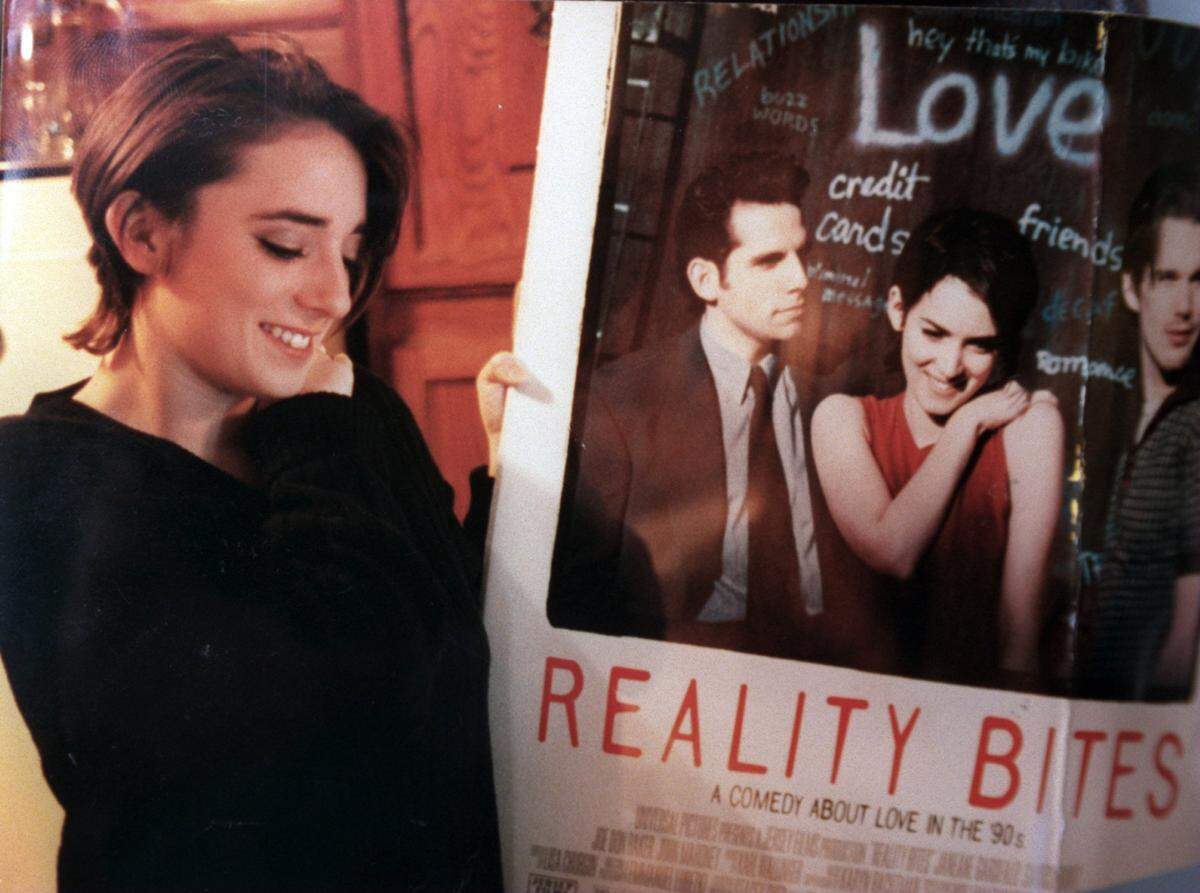
Then in the summer of 1994, she left the small community of Grantham for Raleigh — against her parents’ wishes.
She took a job dancing for an escort service, lying about her age, hoping to make enough money to relocate in New York. Friends warned her of the danger of meeting strangers in hotel rooms, but she assured them she only had to dance — not have sex.
But even though the job proved scary enough to wear down her sense of security, she took a job at 2:30 a.m. on Aug. 16, leaving her apartment on the 2400 block of Avent Ferry Road for a hotel room date.
Raleigh police found her white 626 Mazda on Yonkers Road later that morning, a platform sandal still inside. But it took another week to find her body, stabbed more than 15 times and covered by cardboard, lying in a ditch between two warehouses on Wicker Drive.
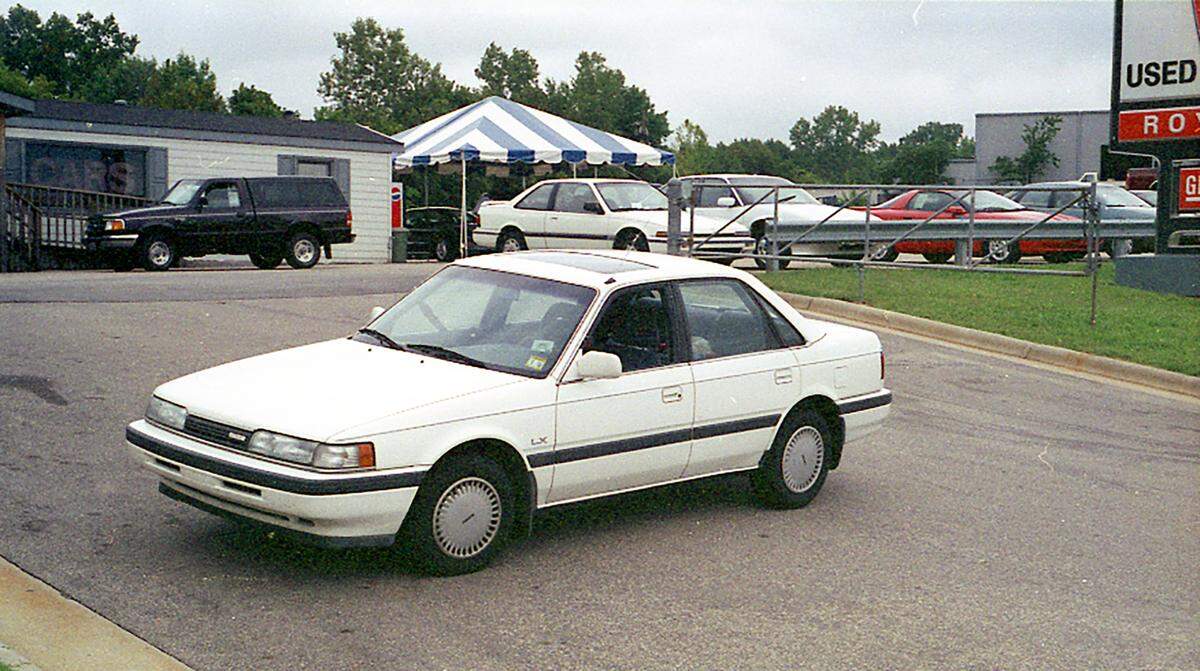
Missing from the scene: her purse, two costume rings and a gold band with purple amethysts — a gift from her grandmother.
Eight years ago, her uncle Russell and Raleigh police Det. Jerry Faulk pleaded for information, with the detective saying, “My appeal is to that person living with this and carrying this thing around for 20 years. It may be time to remove that weight from around your shoulders.”
Beth Ellen Vinson’s case remains Raleigh’s oldest unsolved homicide.
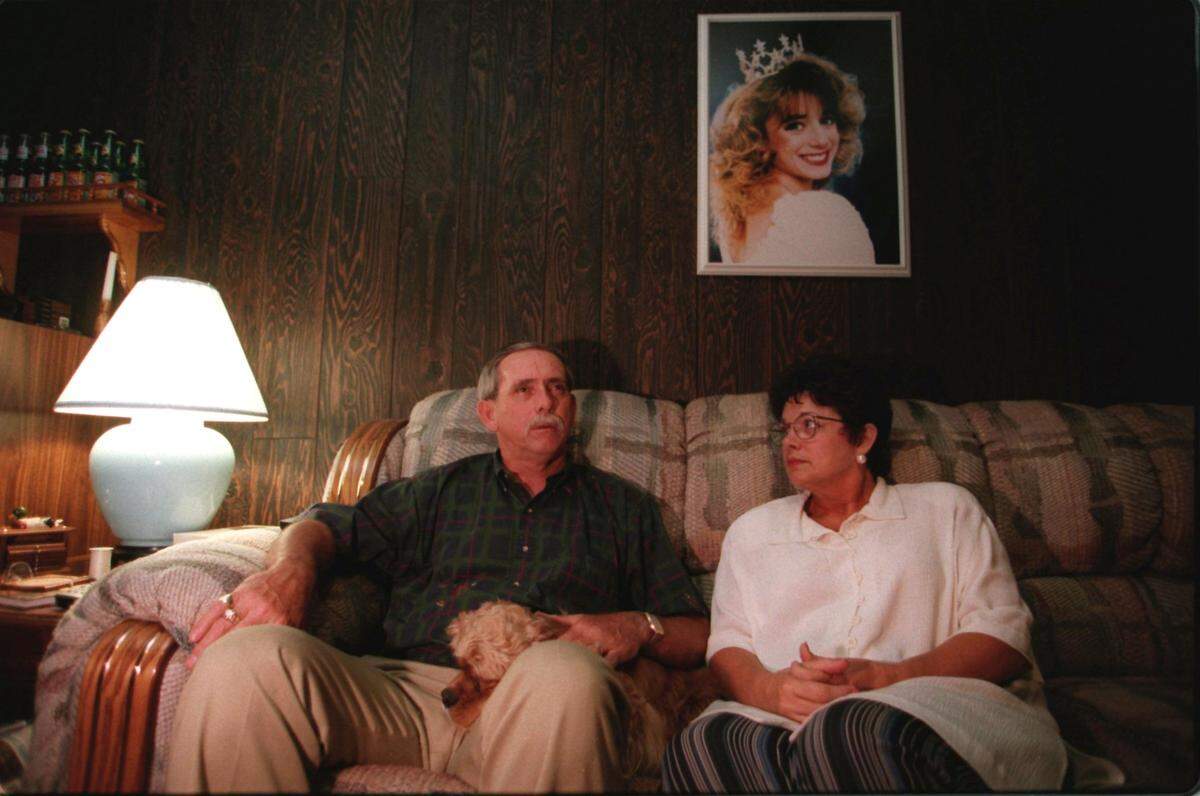
Walter Chavis Jr.: The death of ‘Birdman’
Around downtown Raleigh, people called him “Birdman” for the way he fed the pigeons at the Fayetteville Street fountains — well-known enough that people honked their horns when they passed.
It didn’t matter that he was homeless, or had a longstanding crack addiction. People liked Walter Chavis Jr.
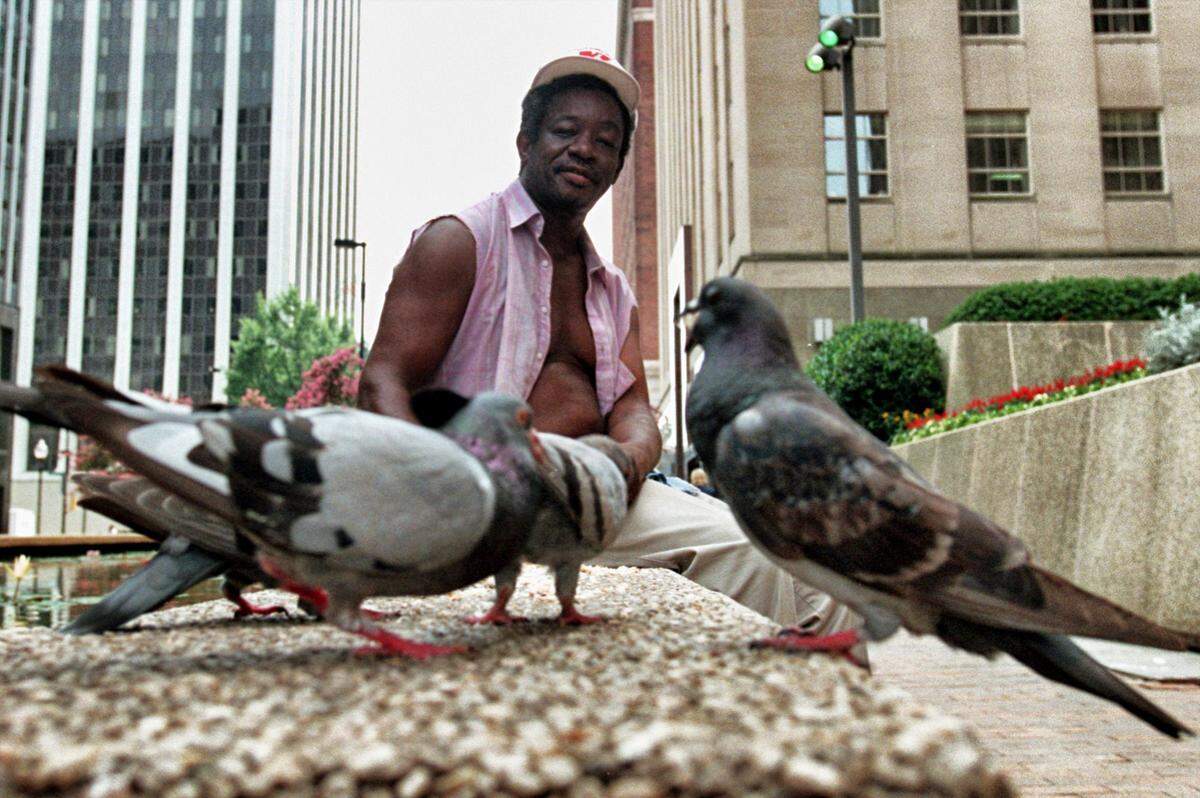
So in 2005, when the city tore out the fountains and pedestrian mall for its revamped downtown, Chavis simply migrated a few blocks east, where people called him “Chavis Heights.”
In August of 2005, police discovered him in a back yard on East Martin Street, bleeding from the head and unable to describe his attack. Raleigh police couldn’t tell if he’d fallen or suffered an attack, and he spent several weeks semiconscious in a hospital before falling out of bed to his death.
Homicide detectives only joined the investigation once Chavis’ autopsy showed a fractured skull, and doctors described a sharp object as the weapon, maybe a machete or an ax.
When police searched the house where the “Birdman” was discovered, they found any number of lethal objects, including an ax, a baseball bat and a machete. But five weeks had already passed.
His family, meanwhile, noted that Chavis had collected a $220 Social Security check, making robbery a possible motive.
While they recalled his addictions as painful to watch, they also remembered his days both in the Air Force and as a taxi driver.
His was the only murder from 2005 not solved within the year.
Bob Sheldon: Shot inside his bookstore
In 1981, Bob Sheldon started a bookstore above a bar in Chapel Hill, where he planned to distribute Communist, socialist and Marxist writings to all comers.
He was already well-known as an activist around campus, known as “Commie Bob.” His issues spanned the globe: from opposing both the Vietnam and Persian Gulf wars to helping Lumbee activist Eddie Hatcher flee the state.
Once the bookstore moved to a four-room house on Rosemary Street, Internationalist Books became a meeting place for coffee and radical, offbeat ideas.
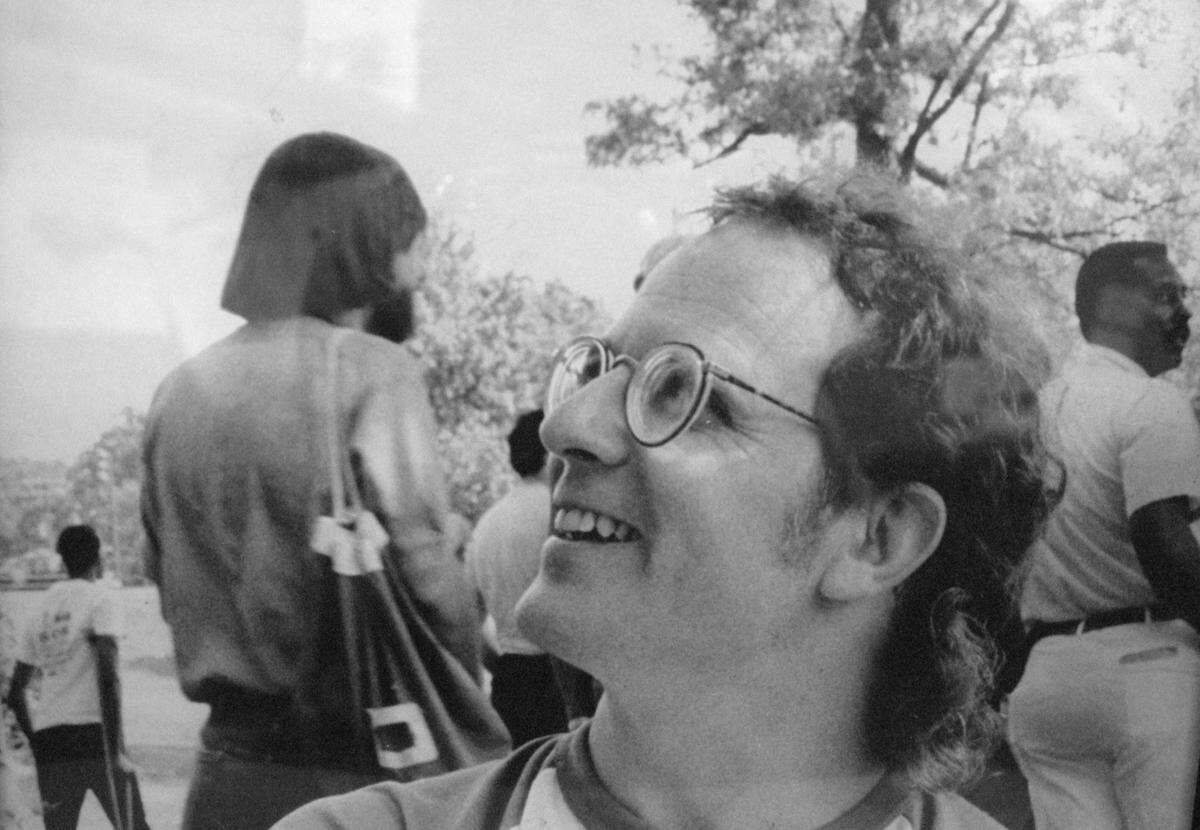
Then in 1991, someone shot Sheldon in the head at close range — inside the store. Rumors swirled to politically motivated would-be assassins, ranging from the CIA to the KKK. Sheldon’s father called it a hate crime.
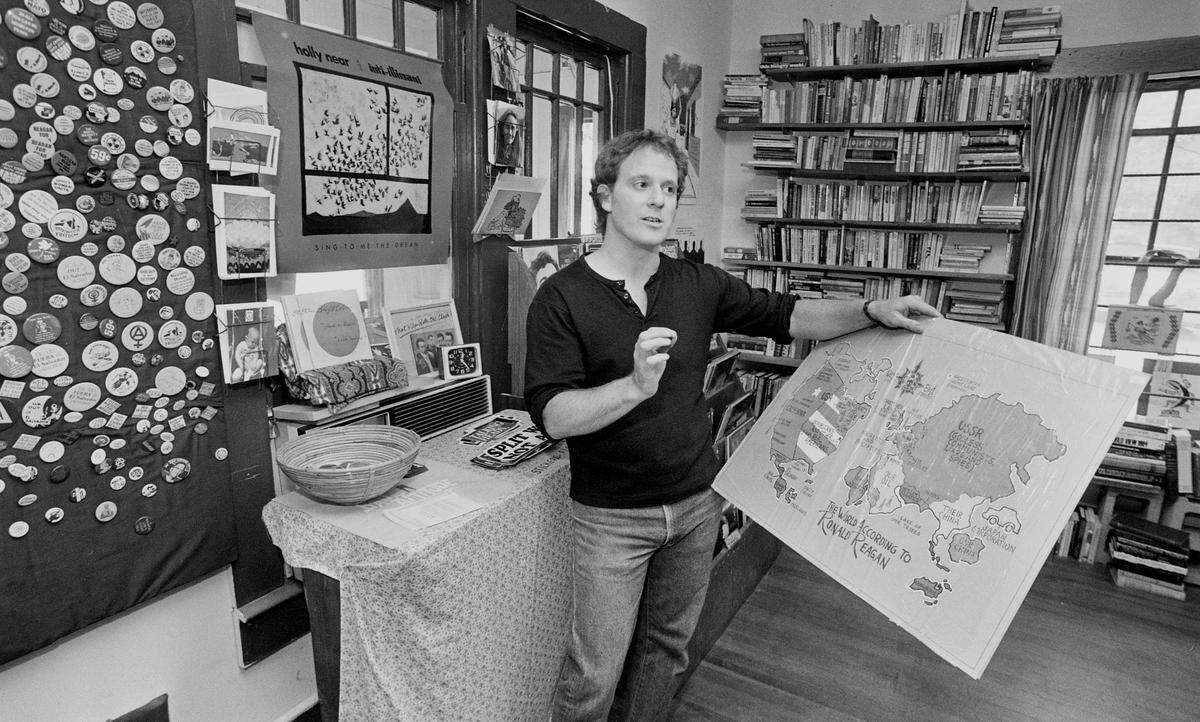
But the killer’s identity never emerged. Five years later, Chapel Hill police said the only lead to follow was speculation.
Still, Sheldon’s mission persisted. His parents gave volunteers everything inside the store and his bank account, and Internationalist Books lasted for decades in several spots around Chapel Hill and Carrboro.
More than a decade later, the store began handing out Bob Sheldon awards for social justice, and after 25 years, Chapel Hill’s mayor named a Bob Sheldon Day in February.
His friends say he listened as hard as he argued, and they doubt he’d feel much but disappointment with the world left to go on without him.
Martha Hamilton Watkins: Illness, then an untimely death
Before her illness took over, Martha Watkins had a kind of glow to her: teaching herself to play the 12-string guitar, refinishing junk furniture she found on the street, cooking, traveling and canoeing.
She studied to be a nurse and got married in Pittsburgh, but shortly after came the diagnosis for schizophrenia, and things started to unravel.
Her sister Heidi told the N&O the schizophrenia acted “like a cancer of the thinking mind,” and though she improved with medication and lived happily for a period in her 30s, the treatment, the medication and functioning alongside other people became too much by the time she turned 40.
At the time, her family didn’t know how or why she came to Raleigh.
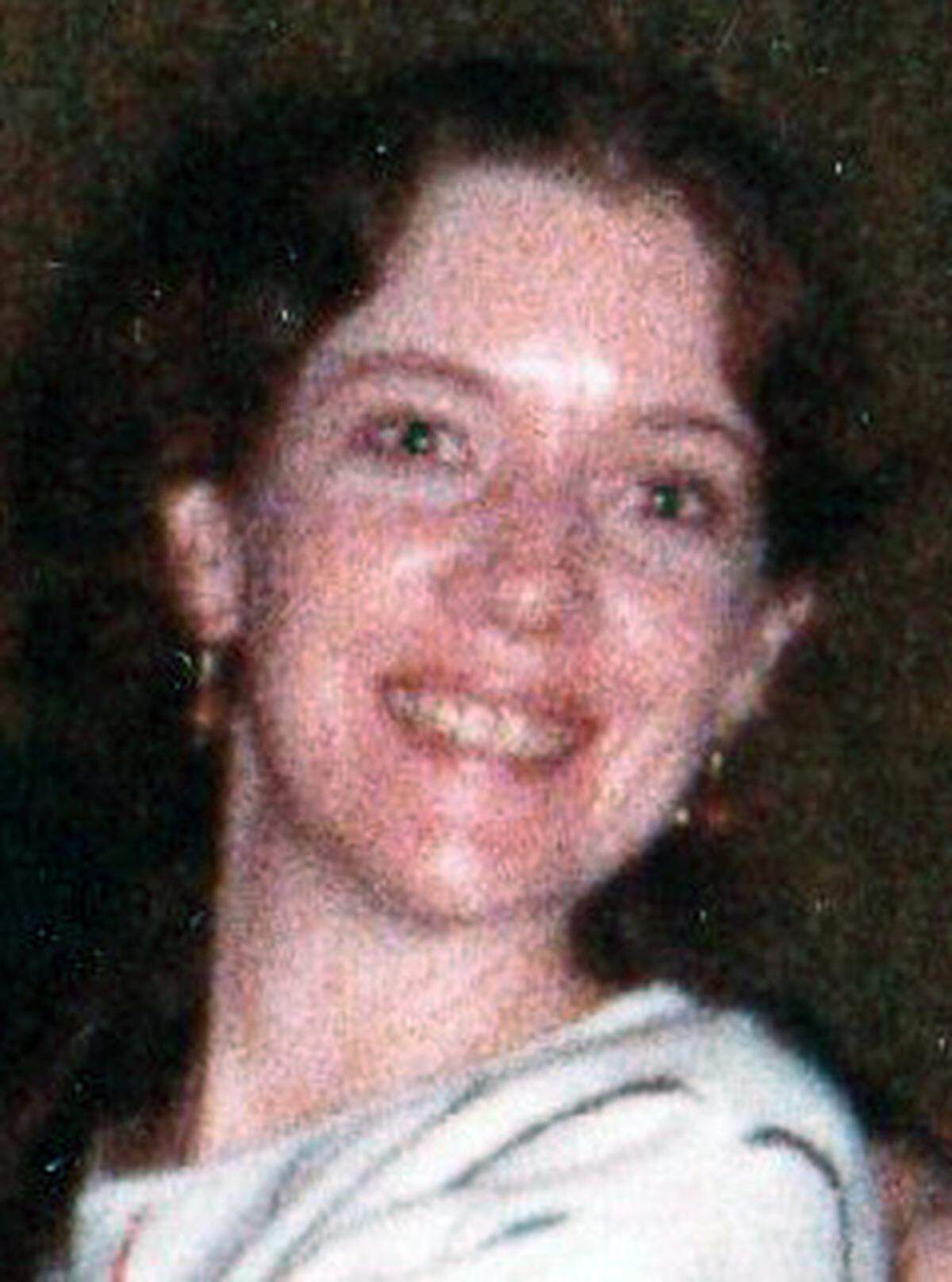
She would find day labor work, and stay in a womens’ shelter for short periods, but she remained unstable by the shelter’s description and left on her own deadline.
Then in July of 2009, she was discovered in a bush outside the Sacred Heart Cathedral in downtown Raleigh.
Eight years after her death, Raleigh police told CBS 17 she had been beaten over the head and also had rib fractures. She had a bus ticket in her pocket, and she’d ridden downtown from Crabtree Valley Mall without incident. DNA samples all came back as her own.
It can be hard to backtrack over a life with so few solid connections, and only the memory of a good heart.
Robert Van Auker: The businessman found dead
In 1969, Robert Van Auker carried the reputation as a tough, aggressive businessman, and he’d traveled to rural Chatham County for the sake of the Kellwood Company, which wanted a new hosiery plant in Van Auker’s home state of Idaho.
News accounts at the time, in both North Carolina and Idaho, recount the basic facts: he and four business colleagues flew into Greensboro and checked into the Siler City Motor Inn, where they hashed out details of the contract all day, left for dinner at The Pines restaurant and returned to the hotel.
Back in Van Auker’s room — no. 5 — he and the businessmen enjoyed a nightcap, where Van Auker took off his tie, unbuttoned his collar and removed his shoes and socks, wrote Jim Schlosser of the Greensboro Record.
Van Auker was known to make a lot of late-night calls, his son Ron recalled. And he did that night.
In the most detailed account of the case, Schlosser wrote that Van Auker made calls from his room until midnight had passed and the switchboard cut off. At one point, management cut him off in mid-call.
From there, he moved to a payphone and continued dialing. Telephone records showed 13 calls from that booth, 10 of which resulted in busy signals, all of them to Idaho.
The next anyone knew, Van Auker was lying on the ground in his unbuttoned, bloody shirt.
News accounts at the time speculated that Van Auker’s well-established anti-union stance might have stirred enough ill will for someone to do harm.
But his son dismisses this theory: “It’s wrong to say so. We weren’t big enough fish.”
Told of the case, expert Joe Kennedy also thought a hit-style murder unlikely. Those tend to be quick shots to the back of the head, execution-style, and more often involve leading the victims someplace remote as part of a ruse rather than gunning them down in plain view.
Van Auker was a big man, 5-foot-11 and 275 pounds. His son said he wasn’t afraid of anybody.
More likely, then, is he made a lot of noise late at night, then got into a scuffle with someone he irritated, who happened to be carrying a small-caliber revolver — maybe covering with a pillow to muffle the noise.
But as with any cold case, somebody knows.
Somewhere.
This story was originally published June 24, 2022 at 6:00 AM with the headline "The coldest murder cases in the Triangle: Somebody somewhere knows what happened."