Civil rights icon Pauli Murray’s childhood NC home is opening to the public
BEHIND THE STORY
MOREHow to use this news
Why we did this story: Pauli Murray was the first Black person to earn a doctorate from Yale Law School. She was a writer, Episcopal priest, feminist, labor organizer and LGBTQ+ pioneer.
What you’ll learn from this story: Murray grew up in Durham’s West End, and her childhood home, once on the brink of demolition, has been preserved and will open to the public Saturday to remember her and advance her work.
Angela Thorpe Mason thumbed through the banners that would soon hang from the front porch of the Rev. Dr. Pauli Murray’s childhood home, searching for a quote she loved.
“It reminded me of Noah’s Ark perched on a little slope, its back hugging the ground, its front high on latticed brick underpinnings, and at each end a tall brick chimney built from the ground outside and towering about the roof,” the late Murray wrote long before Mason was born.
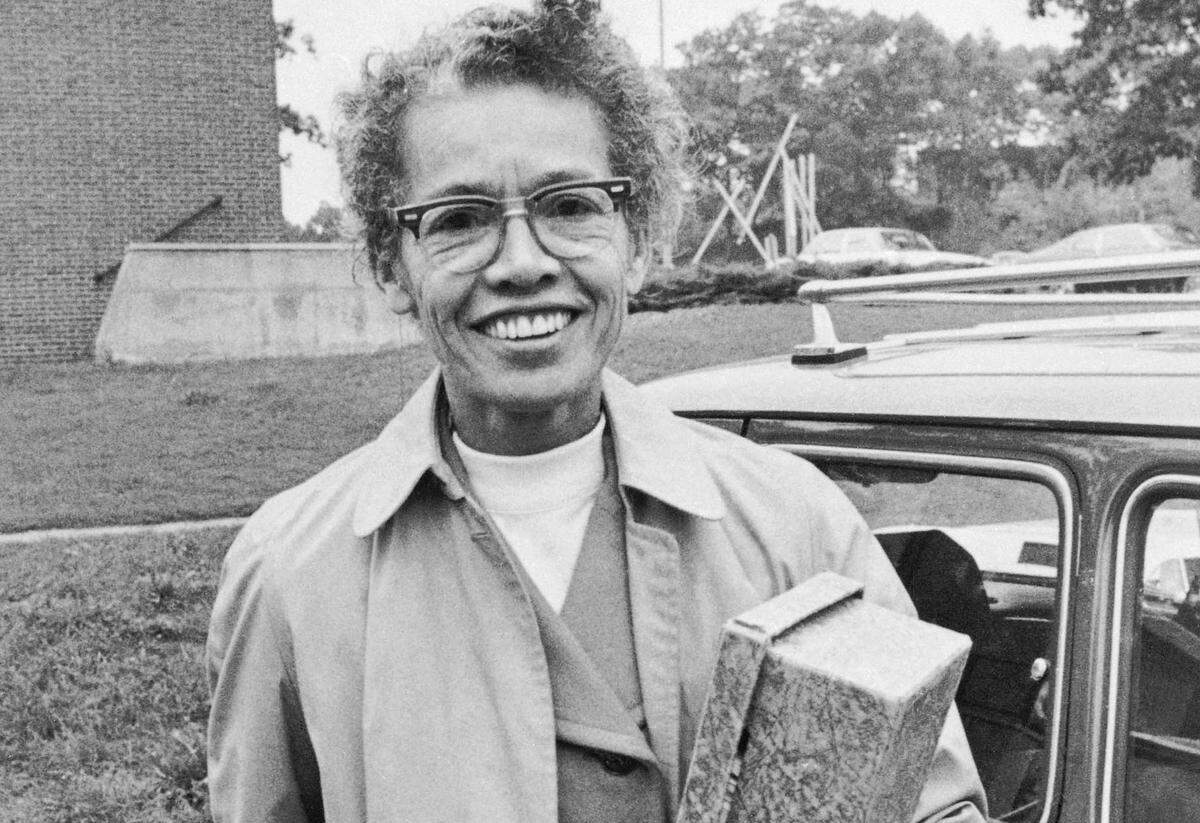
Murray — who would go on to become an icon in the struggles for civil, women’s and LGBTQ+ rights — moved into the home at the age of 3. They lived there, in Durham’s historic West End neighborhood, until Murray graduated from Hillside High School in 1926.
“The place had a ragged beauty,” Murray continued.

After a $1.2 million renovation that stretched on for 15 years, that home will open to the public this weekend as the Pauli Murray Center for History and Social Justice.
The center will mark the occasion with a ribbon cutting Saturday morning:
- How to go: The event will begin at 10 a.m. and end at 2 p.m. State and local officials, as well as Murray’s niece, Rosita Stevens-Holsey, will be present.
- Address: 906 Carroll St.
- In future visits: Exploring the grounds is free. Entry to the home will cost a small fee, and guided tours will cost up to $20 a person.
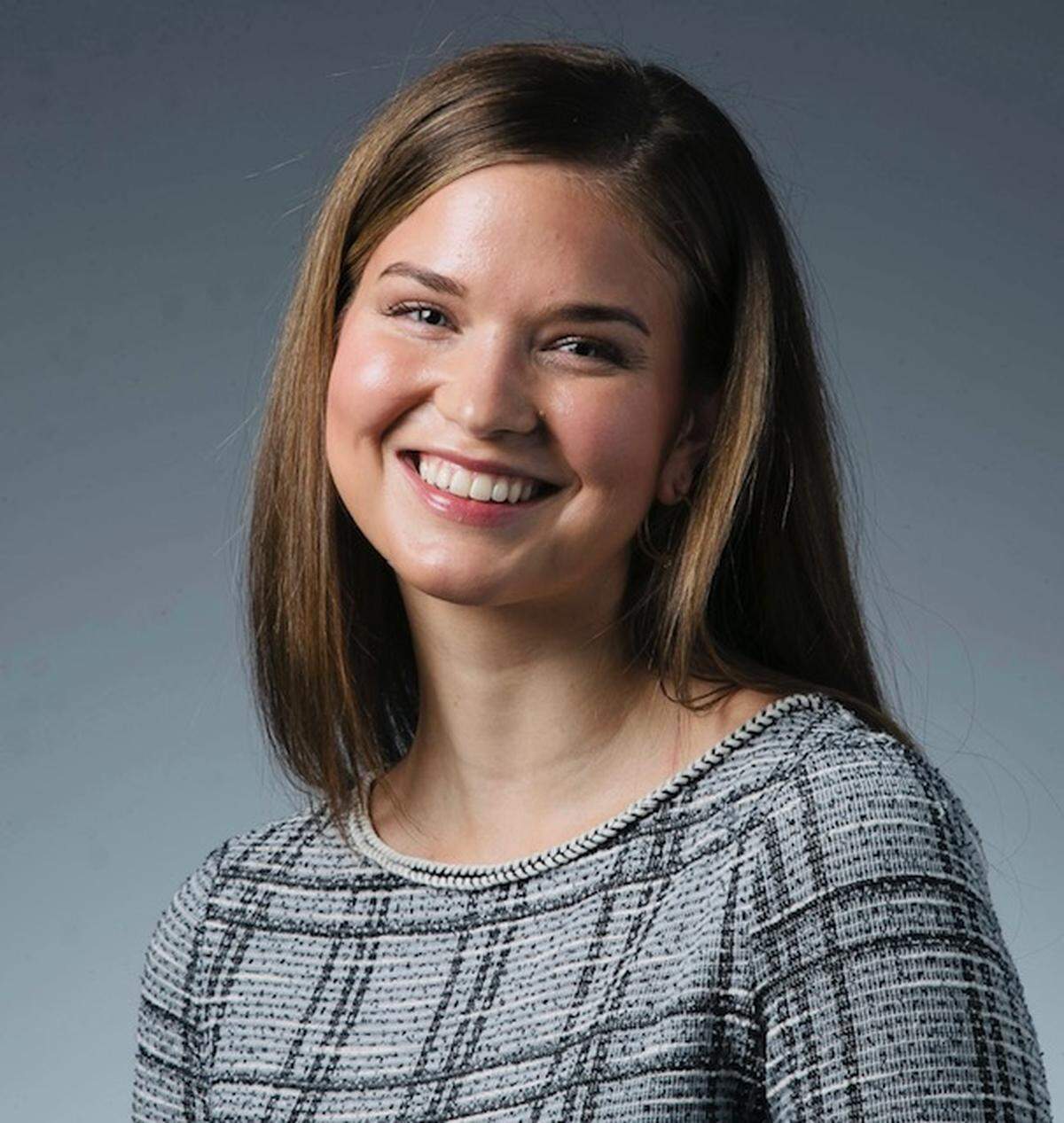
Mason, executive director of the center, said it is a “sacred space,” one that is “rooted in Durham.”
“This is the community that shaped them and that really shaped their earliest concepts of democracy, equity, freedom and justice, and also a really deep faith practice,” Mason said.
The center uses they/them and she/her pronouns to describe Murray.
”We do not and can never know Murray’s gender identity — Pauli Murray described themself as a ‘he/she personality,’ requested hormone therapy, and also self-described as a woman,” according to a recent post on its website.
Murray laid foundation for declaring segregation unconstitutional
Murray — the first Black person to earn a doctorate degree from Yale Law School — was also a writer, Episcopal priest, feminist, LGBTQ activist and labor organizer.
Murray’s legal scholarship helped lay the foundation for the modern Civil Rights Movement.
According to the National Museum of African American History and Culture, Murray’s 1950 book on segregation laws and the U.S. Constitution — called “the bible” by Thurgood Marshall — guided the Supreme Court’s 1954 ruling in Brown v. Board of Education.
“They did so much across 75 years of life, something small every day, sometimes big actions over a period of time,” Mason said.
The home on Carroll Street was built in 1898 by Murray’s grandfather.
“It was slated for demolition in the early 2010s, and so a grassroots group of advocates banded together to ensure that this space was preserved, alongside partners that included Duke University and Self-Help Ventures Fund,” Mason said. “It has been a long journey.”
It is one of only 2% of the 95,000 landmarks in the National Register of Historic Places focused on the experiences of Black people, according to the center. Only 1% focus on women and less than 1% on LGBTQ+ people, the center reports.
The home hosts an exhibit telling Murray’s story, and also will further their life work, by providing space for those advancing social justice work today. That will include educator training and free name-change clinics.
“We are not a traditional museum,” Mason said.
Murray died in 1985, and there have been many efforts in recent years to spread awareness of their contributions to feminist and Civil Rights struggles.
Murray’s life story was the focus of an award-winning 2021 documentary
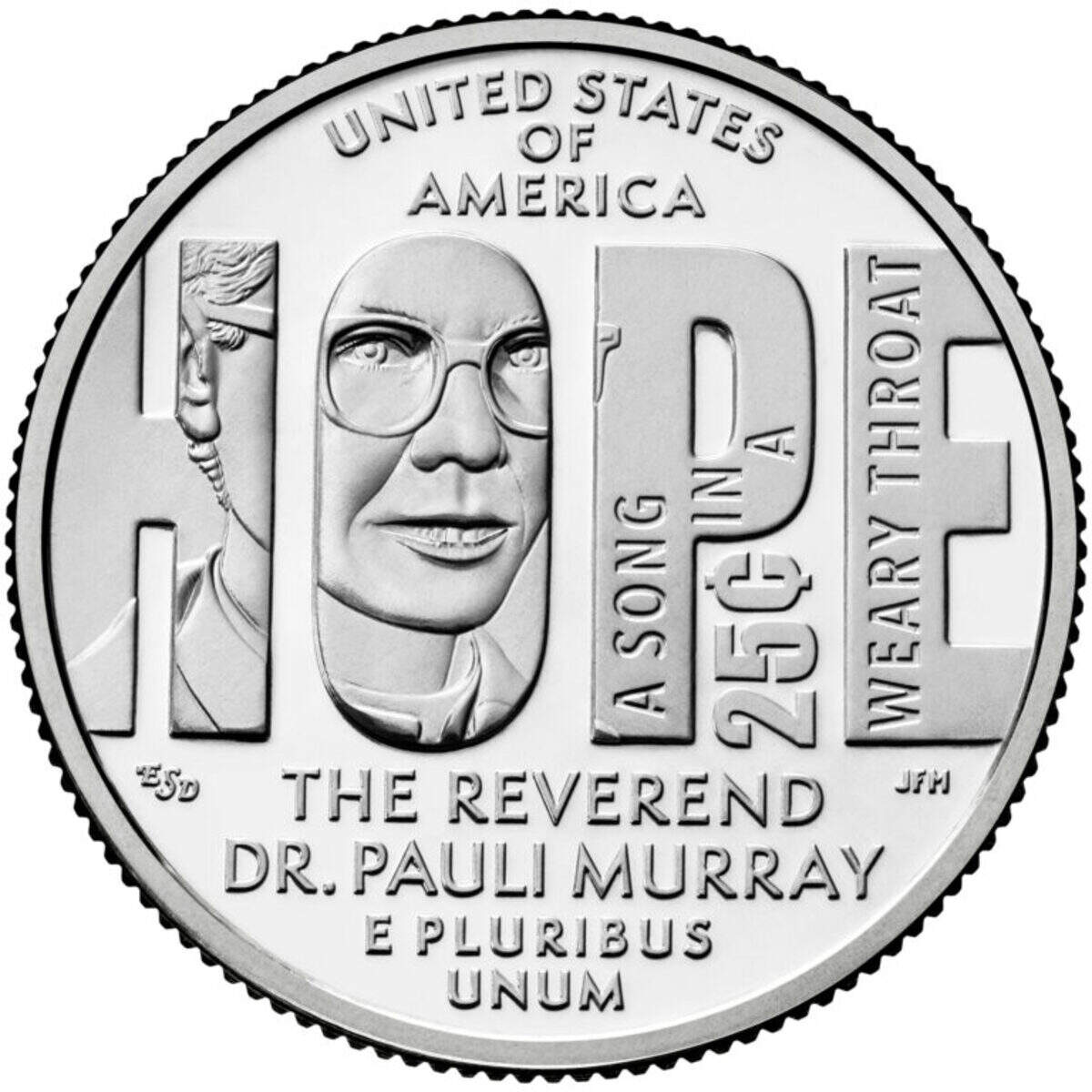
In the past year, Murray was honored with the minting of a U.S. quarter bearing their face and in the naming of a Durham elementary school.
Mason said she doesn’t know what Murray would be working on if they were alive today. She suspects women’s rights and bodily autonomy would loom large. So too, she believes, would salvaging American democracy.
“I also think that Pauli would be grounded in work centered on creating equitable and inclusive society for LGBTQ folks,” Mason said.
“That’s not something Pauli was quite able to do during their lifetime, because it was dangerous enough to exist as a Black person,” she explained. “It was also dangerous to exist as a queer Black person, and most certainly a gender non-conforming Black person, and so a society where holding those identities did not come with the same limitations, I do think Pauli would be more deeply ingrained in that work.”
Uniquely NC is a News & Observer subscriber collection of moments, landmarks and personalities that define the uniqueness (and pride) of why we live in the Triangle and North Carolina.
This story was originally published September 5, 2024 at 12:39 PM with the headline "Civil rights icon Pauli Murray’s childhood NC home is opening to the public."