‘It’s just heartbreaking.’ Triangle community reacts to Taliban forces taking over Kabul
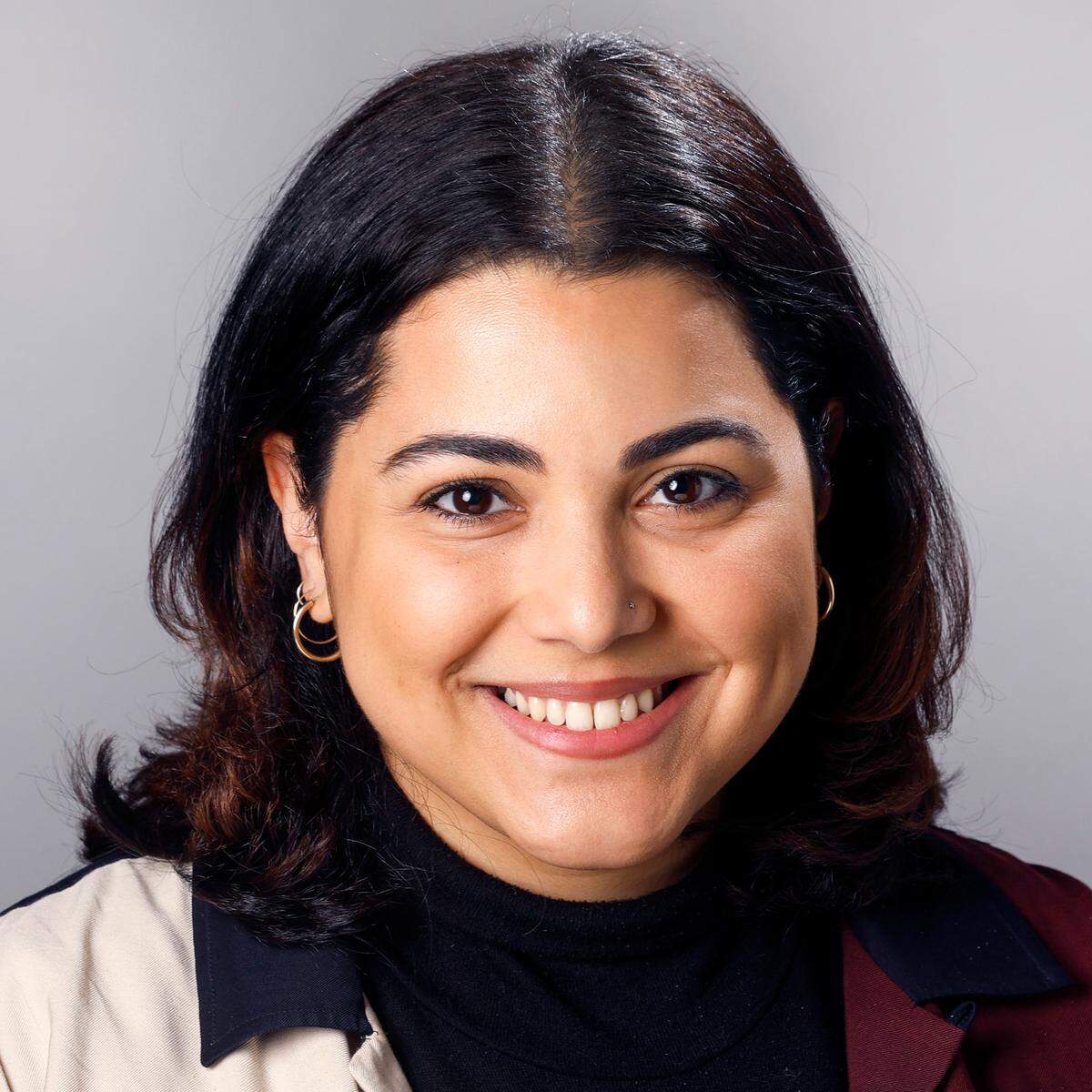
As the Taliban inched closer to Kabul weeks ago, Fatema Mohammadi, a 29-year-old Afghan refugee in Durham, feared for her husband’s safety.
He is a journalist back in Afghanistan, a profession targeted for retaliation by the Taliban for reporting on the insurgent group’s attacks.
“I am very disappointed,” Mohammadi said in Dari, her native language, with her sister, Zhara, interpreting. “I called everywhere, I emailed everyone, and I wanted my voice to be heard, but no one hears me.”
Mohammadi and her sisters, Zahra and Razia, resettled in Durham in 2017. For the past two weeks, they have stood outside Duke Memorial United Methodist Church in downtown Durham holding up hand-written signs pleading for more of their fellow Afghans to be allowed into the United States.
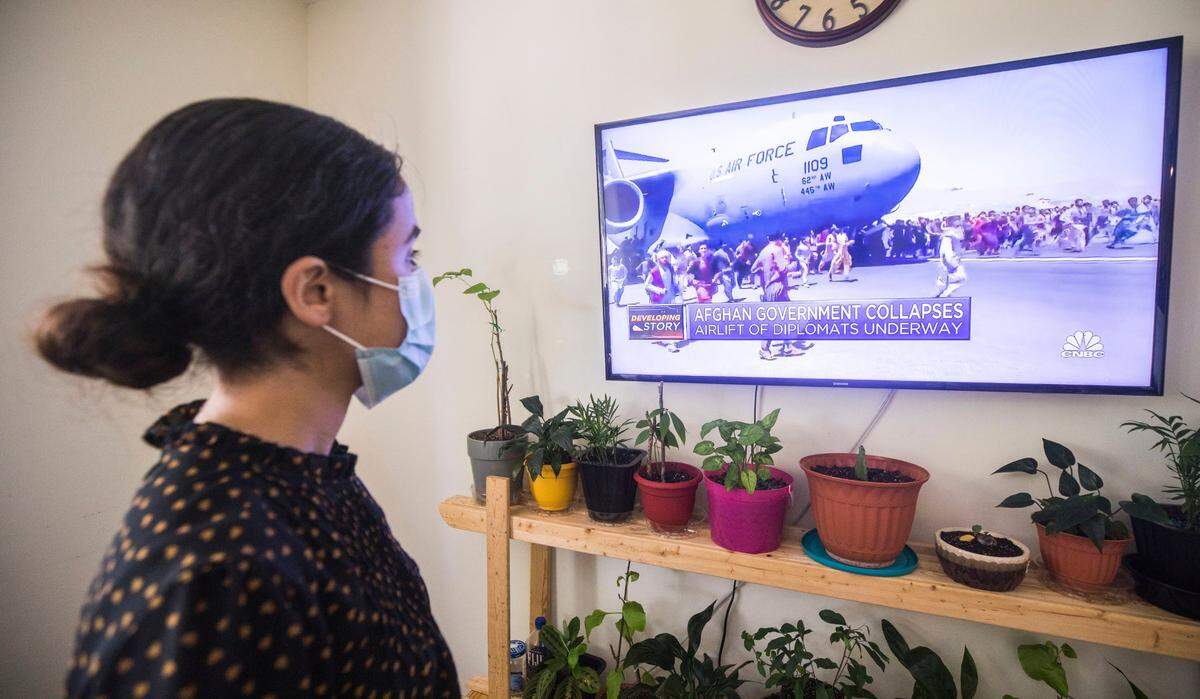
When the Taliban forces took over her native Kabul over the weekend, Mohammadi says she lost a lot of hope.
“I couldn’t do anything for my husband,” she said through her sister. “I’m very frustrated because the situation is very hard and dangerous in Afghanistan.”
When the U.S. government first announced it would withdraw troops from Afghanistan under former President Donald Trump, Mohammadi’s desire to safely reunite with her husband in Durham became more urgent. She knew that without the U.S. forces, the Taliban would overtake Afghanistan, she said.
The humanitarian front
Bruce Jentleson, a professor of foreign policy at Duke University, says the U.S. government’s decision to leave Afghanistan was the right one, just poorly implemented.
“There wasn’t really a sense that after hundreds of billions of dollars, (Afghanistan) would be any different,” Jentleson said. “They were trying to build a nation, build a government, but weren’t getting the cooperation on the other end.”
But more should have been done sooner on the humanitarian front to help those at risk because of their work with the U.S. government and military, Jentleson said.
“That sort of came, and is still coming, late in the game,” he said.
On July 24, the Biden administration announced it would approve $100 million in emergency funds for Afghan refugee resettlement. By then, most U.S. troops had withdrawn after Biden’s first announcement on April 14, 2021. Bagram Airfield, the largest U.S. military base in Afghanistan, was evacuated on July 6.
In an interview, Jentleson cited a recent poll by the Chicago Council on Global Affairs that found 70% of Americans supported the decision to end the war and leave Afghanistan.
“I think if you poll now, people will be unhappy with the way it was done,” Jentleson said.
Faith and trust
After withdrawing troops, the U.S. government flew about 2,500 Afghans with approved special immigrant visas, or SIVs, directly to the United States.
In July, 23 Afghan people arrived in North Carolina through these visas.
But not everyone in Afghanistan who worked for the U.S. government or military will qualify for this status.
Faisal Khan is a local human and civil rights activist and founder of the Carolina Peace Center. Like Jentleson, Khan agrees there were better ways the government could have approached leaving Afghanistan on the humanitarian front.
“(Afghans) put their faith and trust in our government and our leadership,” Khan said. “As the most powerful country on earth, with the high-tech intelligence, military personnel, we couldn’t come up with a better exit strategy than this?”
Khan believes it’s not just the United States that failed Afghanistan, but other members of the North Atlantic Treaty Organization. He says through the Carolina Peace Center he’s been in touch with people who know Afghans who can’t leave Afghanistan, even though they worked for foreign governments and militaries.
“Can you imagine living in a town that you’re helping an occupying power and if that occupying power said, ‘Nope. Too bad. We’re leaving. We’re closing the embassy. Good bye!’ And you’re left alone there without anyone to protect you?” Khan said. “It’s horrible.”
Khan says he urges local residents to encourage their elected representatives to help the Afghan people and to consider their responses when they vote.
Mohammadi says she’s also reached out to local officials in hopes that her story will make them realize what’s happening in Afghanistan affects people living in their own communities.
She spoke to her husband over the weekend, but his internet connection was very spotty. He told her that his and other news organizations are burning their notes and other news material related to the Taliban in case any insurgents storm their newsrooms and hurt them for reporting the truth, she said.
This story was originally published August 16, 2021 at 2:06 PM with the headline "‘It’s just heartbreaking.’ Triangle community reacts to Taliban forces taking over Kabul."